Can Cats Eat Tilapia? Raw Fish, Cooked Fillets, Bones, Frying, and Seasoning
Cats can have a tiny amount of fully cooked, boneless, unseasoned tilapia, but raw tilapia and fish-only feeding are poor choices. Bones, skin, frying oil, breading, garlic, salt, raw-food pathogens, aquarium fish, spoilage, and packaging can matter more than the mild white flesh.
Choose the fish before choosing the portion
Tilapia may arrive as a fresh fillet, frozen block, whole fish, restaurant entrée, breaded strip, canned product, raw pet-food ingredient, or live aquarium animal. Source, processing, cooking, bones, and seasonings determine the practical answer.
| Tilapia form | Main concern |
| Plain cooked center | Tiny portion and complete-diet context |
| Raw or undercooked fillet | Foodborne organisms, parasites, thiaminase uncertainty |
| Whole fish | Bones, fins, scales, organs |
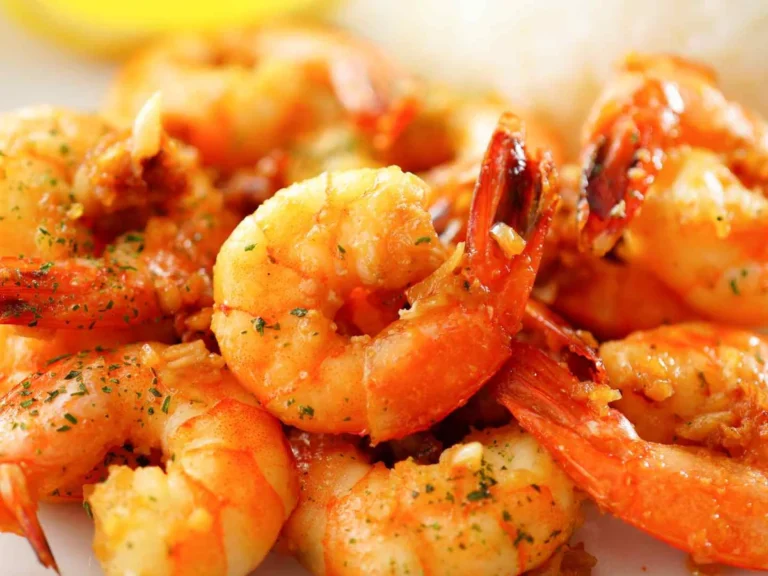
| Fried or breaded | Oil, salt, Alliums, batter, hot food |
| Blackened or sauced | Spices, butter, sodium, garlic, onion |
| Aquarium fish | Tank chemicals, water germs, welfare, non-food source |
Cooked means opaque and properly heated, not merely warm
Use a food thermometer and safe seafood guidance rather than judging only by color. FDA seafood-safety advice covers purchasing, cold storage, separation, and thorough cooking for human food.
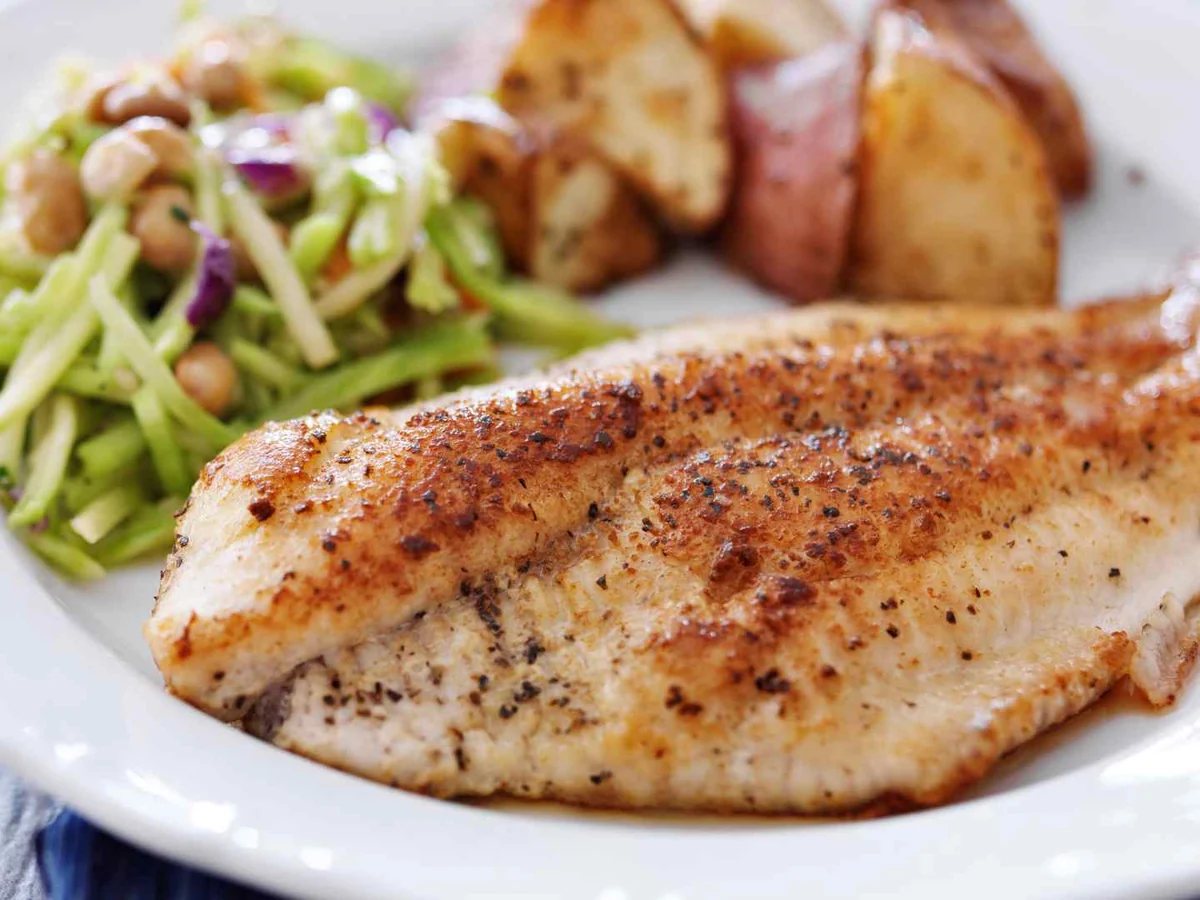
Set aside a cat-size center morsel before oil and seasoning, check carefully for bones, and cool it. A piece smaller than a thumbnail is plenty for a healthy adult when the veterinarian permits extras.
Steam, bake, poach, or microwave without butter, stock, salt, spray oil, or spice rub, then flake the center under bright light. Cooking liquid is not a bonus treat if it contains drippings, concentrated salt, or seasonings.
A thermometer check protects the whole household, while cooling protects the cat’s mouth. Do not leave a hot fillet on the counter and assume a cautious animal will wait for permission.
Raw fish is not more feline because it is raw
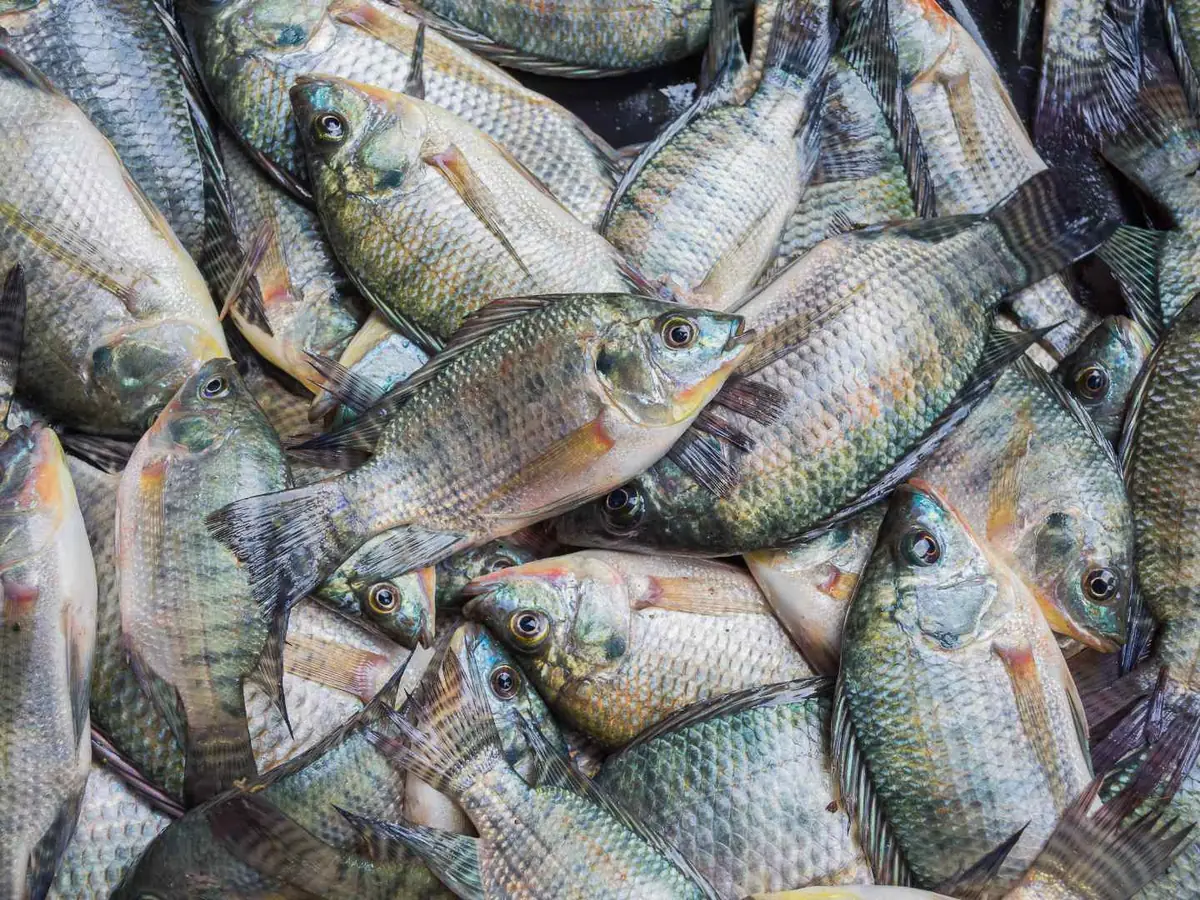
Raw animal protein can carry pathogens that affect cats and people. CDC does not recommend raw pet food and notes that freezing, freeze-drying, or dehydration does not necessarily kill all germs.
Kittens, seniors, immunocompromised cats, and households with children, older adults, pregnancy, or immune suppression deserve particular caution. Wash hands, bowls, counters, knives, and boards after raw fish handling.
Raw tilapia sold for ceviche, sushi-style dishes, or pet food remains raw even when acid, salt, freezing, or dehydration changes its texture. Lemon or lime juice does not provide the pathogen control of thorough cooking.
H5N1 context should remain precise
Current FDA food-related H5N1 warnings for cats focus especially on uncooked poultry or cattle products and unpasteurized milk, not tilapia as an established source. The broader recommendation to avoid uncooked animal products still supports cooking fish without falsely naming tilapia as a documented H5N1 vehicle.
FDA’s current cat H5N1 guidance lists fever, lethargy, low appetite, eye or nasal discharge, breathing difficulty, and neurologic signs as reasons for veterinary care. Do not use those signs to self-diagnose a fish exposure.
Bones are small enough to miss and sharp enough to matter
Tilapia pin bones, rib bones, fin spines, and skull pieces can lodge in the mouth, throat, or digestive tract. Cooking may make some bones brittle rather than safely dissolvable.
Gagging, drooling, mouth pawing, repeated swallowing, vomiting, blood, pain, or refusal to eat needs prompt examination. Do not reach deep into an alert cat’s mouth or induce vomiting after a possible bone.
If a bone is plainly loose at the front of the mouth and the cat permits safe handling, a clinic can advise what to do, but blind finger sweeps can push material deeper or provoke a bite. Breathing difficulty, blue gums, collapse, or an obvious airway blockage is an immediate emergency.
Skin, scales, and fins add texture without need
Fish skin can be chewy and may carry seasoning or frying oil, while scales and fin rays create hard or sharp material. Remove all of them before any approved taste.
A large fatty skin serving can cause stomach upset, but one bite does not allow a pancreatitis prediction. Persistent vomiting, abdominal pain, lethargy, or appetite loss deserves care.
Skin-on frozen fillets may retain small scales that are difficult to see after thawing. Run clean fingers carefully over the human serving during preparation, but do not offer the trimmed skin or scale pile to the cat.
Whole-fish heads and frames belong in a secured bin, not a casual homemade broth pot for pets. Straining does not guarantee that tiny fragments or an unbalanced mineral load are absent.
Frying turns mild fish into a restaurant plate
Fried tilapia can contain flour, cornmeal, egg, milk, salt, garlic, onion, chile, oil, and tartar sauce. Hot oil and fresh fillets can burn, and rigid takeout containers may hide skewers, lemon wedges, plastic cups, or bones.
Save the recipe or menu and use the flour guide for raw breading spills. A tiny cooked interior flake differs from a whole crusted strip.
Breaded fish may also include milk, egg, cheese, cornmeal, cracker crumbs, yeast, or preservatives, so the package matters more than its golden color. Compare plain fish with the site’s cracker guide when crumb coating and wrapper debris are involved.
Blackened, lemon-pepper, and garlic-butter fish are seasoned foods
Blackening blends can include onion and garlic powder, cayenne, salt, and other spices; lemon pepper adds citrus peel, pepper, and sodium; garlic butter carries an Allium concern. Scraping the crust cannot remove dissolved seasoning.
Call promptly for confirmed garlic or onion in a meaningful or uncertain amount. Weakness, pale gums, appetite loss, rapid breathing, dark urine, or collapse can be delayed.
The garlic guide explains why powder in a dry rub still counts even when no chopped clove is visible. Keep the seasoning jar because a blend name such as Cajun, seafood, or house spice does not reveal every ingredient.
Tilapia cannot be the entire homemade diet
Plain fish supplies protein but does not provide every feline nutrient in correct proportion, and repeated fish-only meals can create deficiencies or excesses. The FDA’s complete-and-balanced standard is the appropriate foundation.
Do not add human fish oil, calcium, vitamins, or taurine by guesswork. A homemade diet requires formulation by a veterinary nutrition professional and monitoring for the individual cat.
Fish toppers can quietly become a large share of calories when a spoonful appears at every meal. If tilapia is being used to tempt a sick cat, report how long normal food has been refused because feline appetite loss can become medically serious.
Thiaminase claims need species and diet context
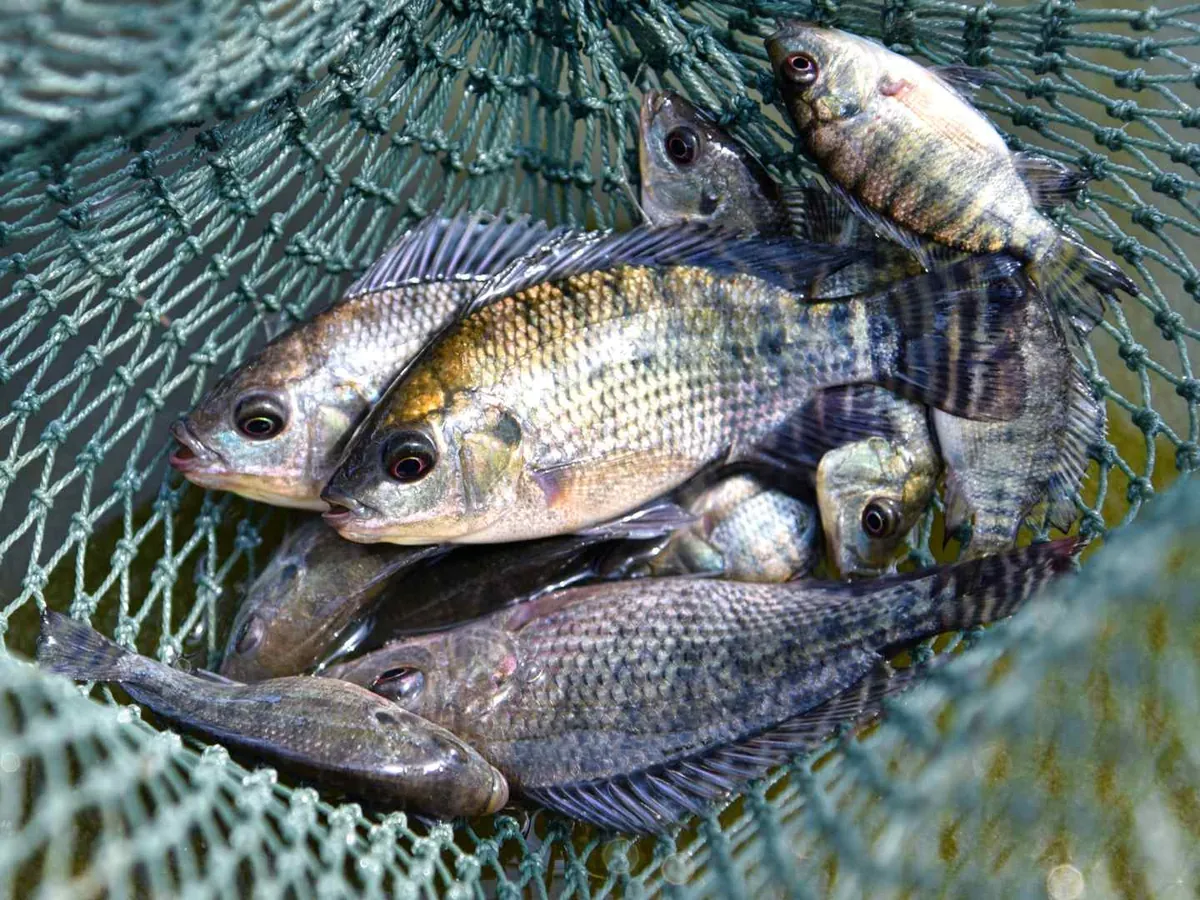
Some raw fish species contain thiaminase that can break down vitamin B1, and cooking can inactivate the enzyme. Do not assume every tilapia sample has a known level or diagnose deficiency after one bite, but avoid chronic raw-fish feeding.
Abnormal gait, weakness, seizures, neck position changes, or a fish-heavy diet warrants urgent veterinary assessment. Supplementing blindly may delay diagnosis and disrupt other nutrients.
Fish can appear in veterinary elimination or hydrolyzed diets, but a random tilapia taste can invalidate a carefully controlled food trial. If the cat is being evaluated for itching or digestive disease, keep every topper and table scrap inside the written plan.
Vomiting after tilapia does not prove a fish allergy because seasoning, fat, bone, spoilage, infection, and unrelated illness remain possible. Record the exact product and let the clinician decide whether a structured diet trial is appropriate.
Freshness begins at the seafood counter
Buy refrigerated fish on ice or properly frozen product, refrigerate promptly, thaw in the refrigerator, and discard sour, ammonia-like, slimy, leaking, or temperature-abused fish. Color alone does not establish freshness.
Keep lot and package information for recalls. Do not rinse raw fish because splashing can spread contamination around the kitchen.
Vacuum-packed frozen fish may have package-specific thawing instructions intended to control microbial hazards, so read them before moving a fillet to the refrigerator. Do not leave sealed fish on the counter or in warm water while a cat circles the sink.
Cooked leftovers should be chilled promptly in a shallow covered container and discarded according to safe-storage guidance. Reheating until the surface is hot can create a mouth-burn hazard even when the center feels cool to a hurried fingertip.
Aquarium tilapia is not grocery tilapia
A live fish may carry tank-water organisms and may have been exposed to medications, water conditioners, or chemicals not intended for food animals. Eating an aquarium resident also creates an animal-welfare and foreign-material incident involving gravel, hooks, netting, or tank decorations.
Keep cats away from open tanks and wash hands after aquarium work. CDC notes that fish tanks and equipment can carry germs that affect people.
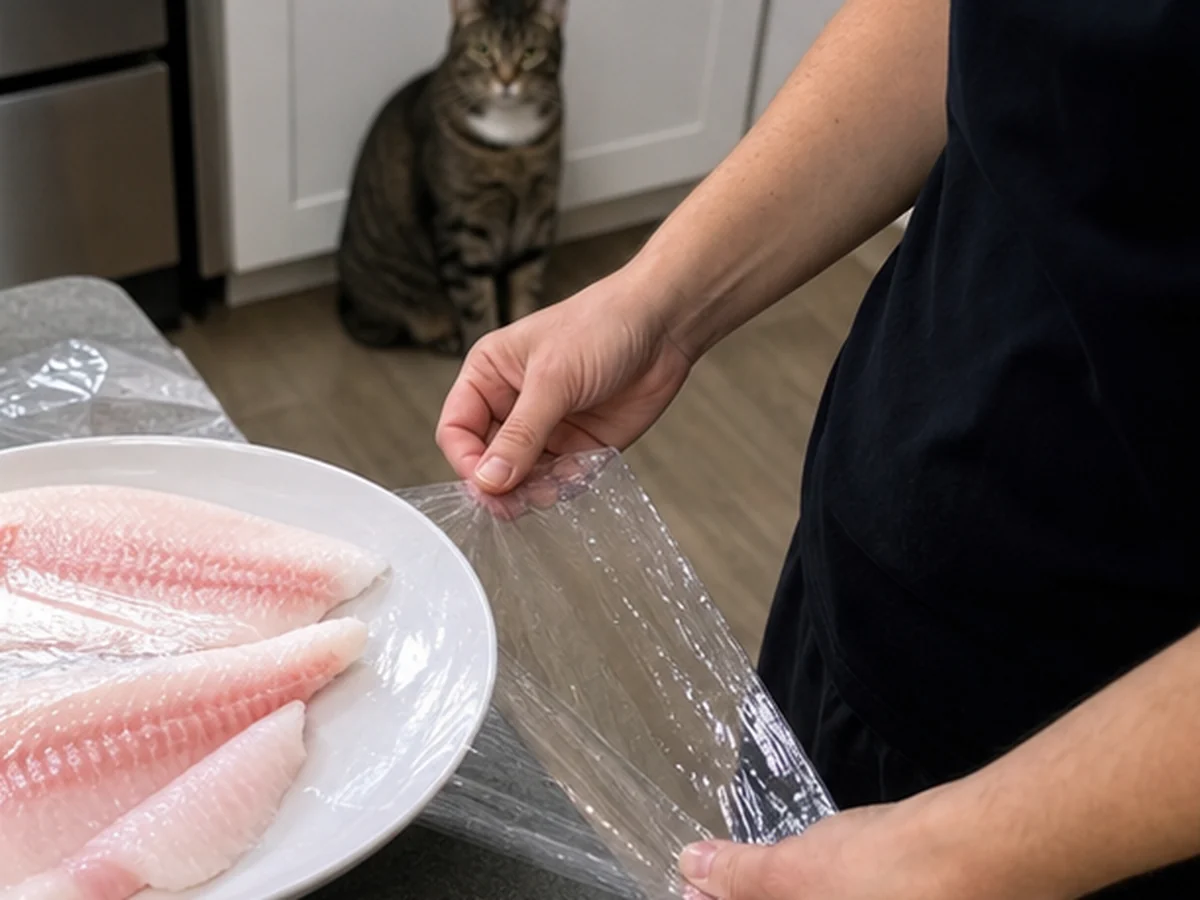
The fillet-theft response
- Separate the cat from raw fish, hot pans, bones, skin, packaging, and tank equipment.
- Identify raw, cooked, fried, seasoned, spoiled, pet-food, or aquarium source.
- Estimate amount and time and record weight, conditions, recipe, storage, and signs.
- Call for raw exposure in a vulnerable cat, bones, Alliums, spoilage, large amount, or symptoms.
- If observation is advised, serve regular food and water and monitor appetite, vomiting, stool, energy, and swallowing.
Frequently asked questions
Can cats eat cooked tilapia?
A tiny boneless, fully cooked, cooled, unseasoned flake may be tolerated by a healthy adult. It should remain an occasional extra within a complete diet.
Can cats eat raw tilapia?
Do not offer it raw because uncooked fish can carry pathogens and long-term raw-fish feeding creates nutritional concerns. Call after a meaningful exposure, especially for a vulnerable cat.
Can cats eat fried tilapia?
It is best avoided because breading, oil, salt, seasonings, heat, and sauces add risk. A small plain cooked center flake is the simpler form.
Are tilapia bones safe for cats?
No. Remove bones, fins, scales, and skull material, and seek prompt care for gagging, drooling, vomiting, blood, pain, or food refusal.
Bottom line
Plain fully cooked boneless tilapia can be a tiny occasional taste, but raw fish, bones, skin, frying, seasoning, spoilage, fish-only diets, and aquarium sources demand different answers. Cook safely and let complete cat food remain the meal.