Can Cats Eat Flour? Raw Powder, Dough, and Inhalation Risks
A tiny lick of plain flour is unlikely to poison most healthy cats, but loose powder, raw batter, and rising yeast dough deserve different responses. Move a cat out of a flour cloud, check breathing and eyes, save the recipe, and call promptly for dough, symptoms, unsafe ingredients, or missing packaging.
Start with the scene, not the grain
| What happened | Main concern | First move |
|---|---|---|
| Paw in spilled flour | Dust on eyes, nose, coat, and paws | Move to clean air and limit grooming |
| Lick from raw batter | Uncooked flour, egg, and recipe additions | Photograph every ingredient |
| Bite of rising dough | Expansion and ethanol production | Call an emergency clinic now |
| Crumb of baked food | Add-ins, richness, texture, and amount | Read the complete recipe |
| Chewed flour sack | Plastic, paper, ties, or clips | Account for the package |
“Flour” may mean wheat, rice, oat, corn, chickpea, coconut, almond, or a blended baking mix. The base ingredient matters, but the form and everything mixed into it usually matter more during an accident.
Estimate the largest possible amount and note the time without staging a kitchen reconstruction worthy of a detective show. A photo of the counter, package, and recipe gives a clinician better evidence than a guess based on the cat’s expression.
A dust cloud turns a food question into an airway question
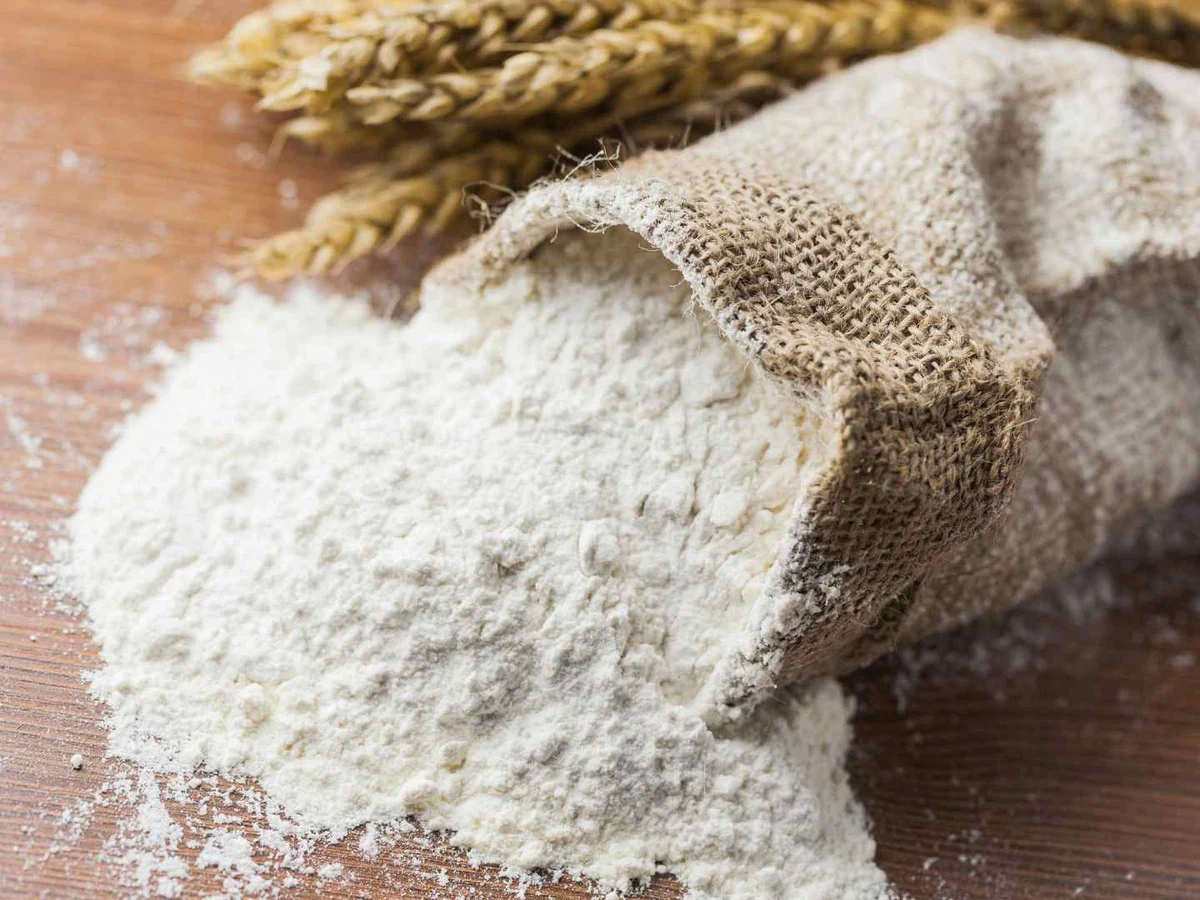
Fine particles can reach the nose, mouth, eyes, and airways when a bag drops or a mixer starts too fast. Powder on fur also creates a second exposure because a cat will try to clean the evidence personally.
Carry or guide the cat into clean air without chasing it through the spill, switch off fans, and keep other pets away. Open-mouth breathing, blue or gray gums, severe coughing, wheezing, collapse, or obvious distress is an emergency.
Clean the cat gently and the room patiently
Do not pour water into the nostrils, force a drink, or apply human eye drops. If flour coats the face or a large area of fur, call the clinic for cleaning instructions that fit the cat’s breathing, temperament, and eye exposure.
Once pets are elsewhere, use damp wiping or careful vacuuming rather than dry sweeping that launches another cloud. Wash bowls and food-contact surfaces because powder travels considerably farther than the tidy little mound suggests.
Most flour is raw, even when it looks harmless
The CDC explains that most flour has not been treated to kill germs, including possible E. coli and Salmonella. Grinding and bleaching are not dependable kill steps.
This public-health guidance is written for people, not as a feline dose study, but the contamination principle still makes raw flour a poor pet snack. Follow cooking directions, check recalls, and wash hands and utensils after the spill.
Raw batter is an ingredient list with a spoon in it
Cake batter may combine uncooked flour with raw eggs, chocolate, coffee, raisins, alcohol flavoring, sugar substitutes, dairy, or nuts. Savory batter can hide onion powder, garlic powder, salty stock, cheese, and spice blends.
Save the package and recipe before cleaning up, including substitutions made from memory. Our cat chocolate guide and raw egg guide help separate two common batter hazards from the flour itself.
Rising yeast dough is the urgent exception
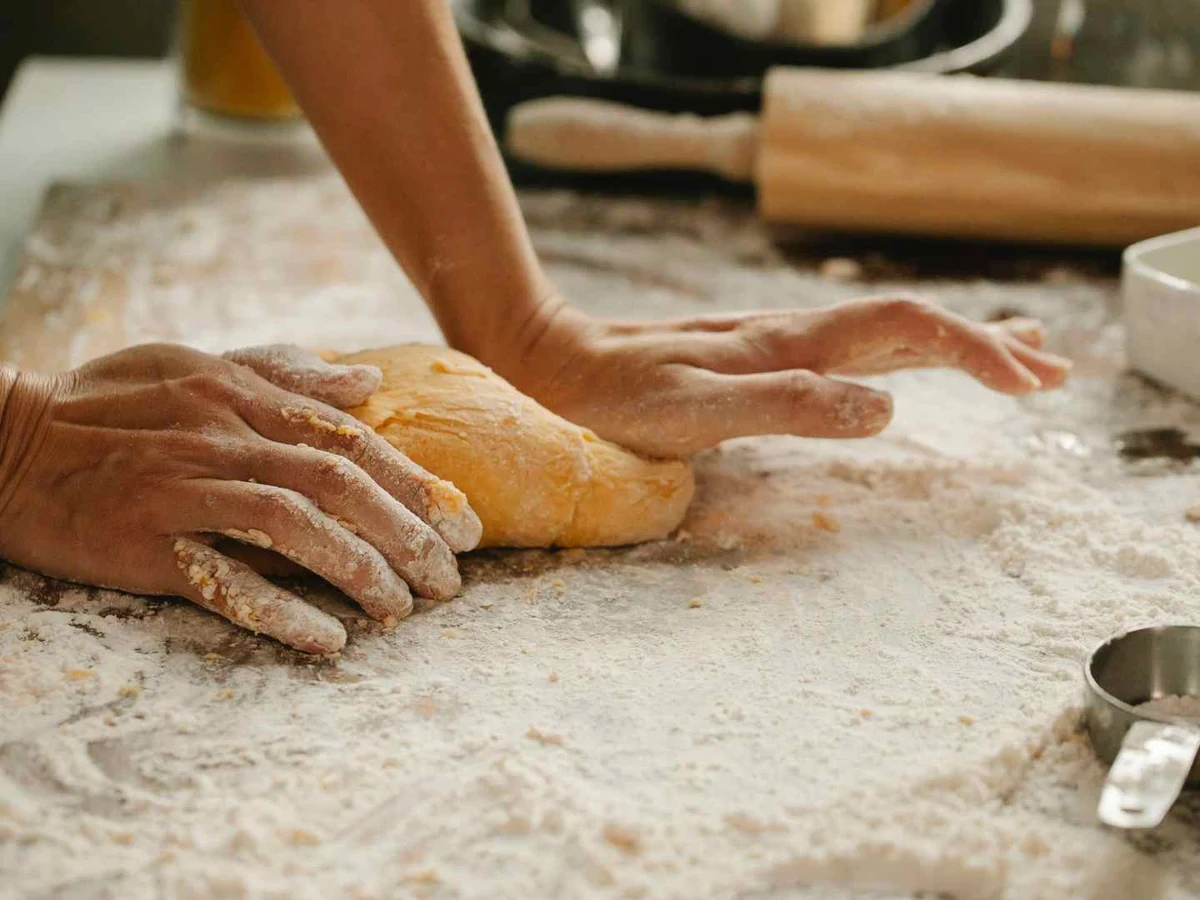
Live dough can continue expanding in the warm stomach and generate ethanol as it ferments. The Merck Veterinary Manual says any species is susceptible to bread-dough toxicosis, even though dogs are reported more often.
Call immediately after a credible dough ingestion rather than waiting for a swollen abdomen, unproductive retching, weakness, wobbliness, unusual sleepiness, low body temperature, or collapse. Do not try peroxide, salt, mustard, oil, or forced water at home.
Baked plain flour is lower risk, not feline nutrition
Cooking changes the microbial question and stops yeast fermentation, but a plain starch still does not become a complete cat food. One tiny fully baked crumb may pass uneventfully, while a muffin, biscuit, tortilla, or crust can add many unnecessary calories.
The FDA explains the nutritional adequacy statement on pet food. A pantry flour or homemade pancake cannot supply the full nutrient pattern expected from a feline staple.
The flour name changes secondary questions
- Wheat, rye, oat, and rice flour: usually starch-heavy and often sold raw.
- Almond or coconut flour: different fat and fiber profiles, with recipe risks still attached.
- Chickpea or lentil flour: concentrated pulse ingredients that can upset digestion in quantity.
- Self-rising flour: includes leavening and salt rather than one plain ingredient.
- Protein baking mixes: may contain sweeteners, cocoa, supplements, gums, or flavor powders.
Do not assume gluten-free means safe, low calorie, or ready to eat. Identify the exact product and its preparation directions, especially when a bulk-bin bag has lost its label.
For a nut-based version, the site’s almond article covers hard nuts and seasonings, while flour adds a powder hazard that whole almonds do not.
Craft dough can be more dangerous than cookie dough
Homemade ornaments, play dough, paper paste, and sensory mixtures may contain large amounts of salt, glue, paint, fragrance, glitter, essential oils, or preservatives. “Made with flour” does not make a craft material food.
Call with the full craft recipe and manufacturer labels if any amount is missing. Tremors, seizures, marked thirst, repeated vomiting, poor coordination, or collapse requires urgent care.
Hard pieces, sticky wads, and hot pans
Dry crackers and crusts can be awkward for cats with dental pain, while soft dough can form a sticky mouthful. Freshly baked food, trays, and ceramic dishes add burn and laceration risks before ingredients even enter the discussion.
Do not reach blindly into the throat of a struggling cat. Gagging, repeated swallowing, heavy drooling, frantic mouth pawing, inability to breathe, or sudden panic needs immediate veterinary help.
Bags, clips, and scoops deserve a head count
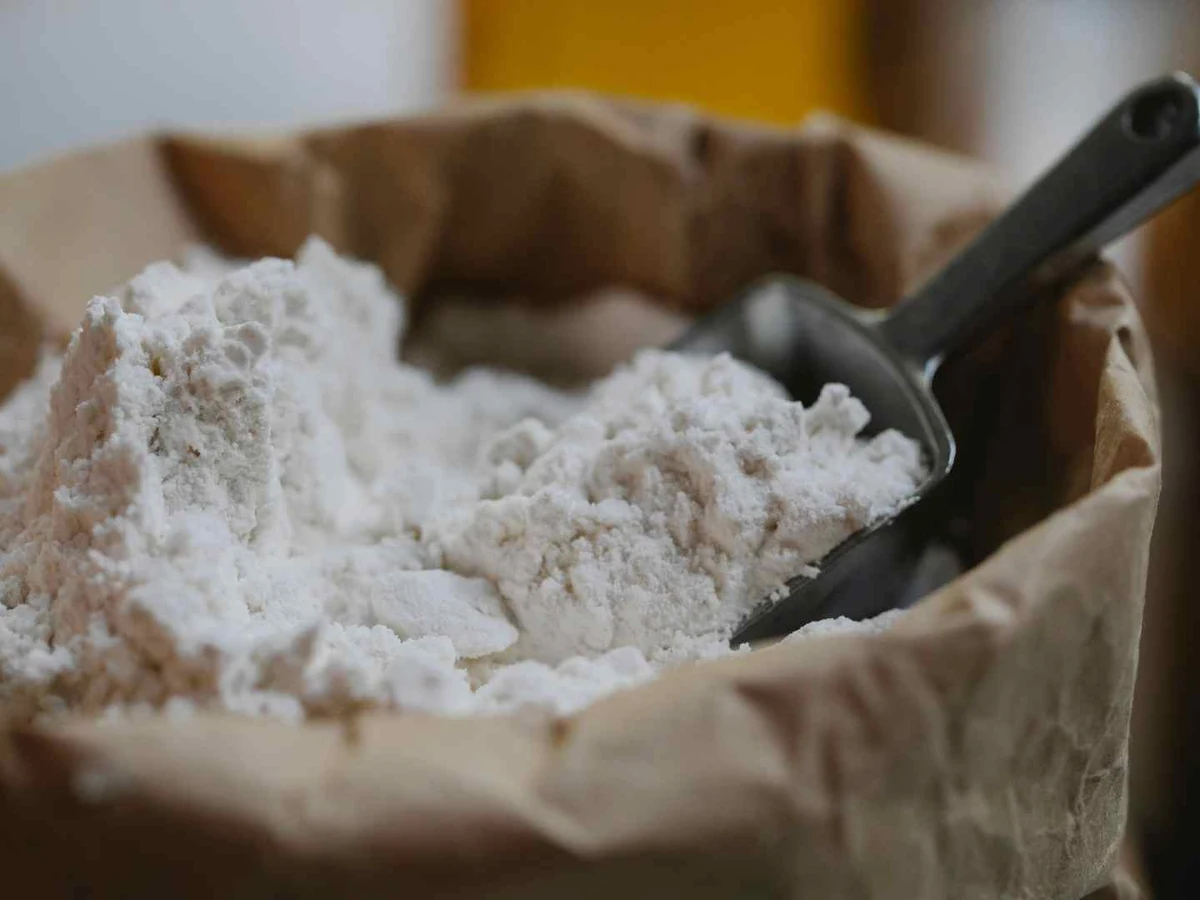
Paper sacks often have plastic liners, adhesive seams, resealable strips, clips, twist ties, and measuring scoops nearby. A pantry raid can involve more packaging than flour, and a missing closure changes the risk assessment.
Call for a swallowed object or repeated vomiting, appetite loss, abdominal pain, reduced stool, straining, or unusual lethargy. Never induce vomiting when sharp or obstructive material may be involved.
Cats with medical diets should stay out of the bakery
Kittens need every small meal to support growth, and cats with diabetes, obesity, pancreatitis, bowel disease, food allergy, or kidney disease may have precise dietary targets. Flour is optional and can complicate those plans without solving a problem.
An elimination trial is especially unforgiving because a lick of unfamiliar grain or nut flour can cloud the result. Use the treating clinic’s approved food for rewards and medication rather than inventing a flour paste.
Flour is not a home remedy for diarrhea
Thickening human food with flour does not diagnose a cat’s vomiting or loose stool. Parasites, infection, obstruction, inflammation, medication effects, toxins, and organ disease can create similar signs.
Call for repeated vomiting, blood, black stool, abdominal pain, dehydration, profound lethargy, or refusal of normal meals. A cat that stops eating deserves timely attention, even if bland starch seems easier to offer.
A calm cleanup checklist
- Move the cat away from airborne powder and switch off moving appliances.
- Check breathing, eyes, mouth, coat, and paws before focusing on the missing amount.
- Classify the exposure as dry flour, raw batter, yeast dough, baked food, or craft material.
- Photograph recipes, packages, lot codes, sweeteners, seasonings, and missing objects.
- Contact a veterinarian for symptoms, rising dough, unsafe additions, extensive dust, or swallowed packaging.
For one tiny plain lick with no dust exposure and no symptoms, removing access and observing may be reasonable after label review. Keep normal water available and do not force food or fluids.
Write down the time before the baking session resumes, since memory gets remarkably creative once every countertop needs washing. If signs appear, report what changed and when.
Countertop cross-contamination matters to the household
Raw flour can spread onto ready-to-eat food, handles, phones, faucets, and the cat’s dish while baking. Clean hands and food-contact surfaces with hot soapy water as the CDC recommends, and replace any uncovered pet food sitting inside the spill zone.
Do not let a cat lick a mixing bowl as a cleanup shortcut, even if the batter seems plain. Uncooked flour, raw egg, and invisible recipe residue remain on beaters and spatulas until they are properly washed.
Check the recall before saving a questionable bag
Flour and baking mixes keep for months, which means a recalled package can remain in a pantry long after the original notice. Search the current FDA recall database using the brand, product name, package size, and lot code rather than judging safety by smell.
A recall does not prove the cat will become ill, but it changes the advice and the information a clinic needs. Seal the product away from people and animals, follow disposal directions, and retain photographs of identifying codes before the package leaves the home.
If flour landed in the water fountain motor or automatic feeder, unplug the device before disassembly and follow its cleaning manual. Replace filters that cannot be cleared completely, because damp flour can form paste inside narrow channels.
Frequently asked questions
Can cats eat cooked flour?
A tiny amount incorporated into a fully baked plain food is generally less concerning than raw flour, but it is not a useful treat. The complete recipe, texture, portion, and cat’s health still determine the answer.
What if my cat inhaled flour?
Move the cat to clean air and contact a veterinarian if powder reached the face or coat. Any breathing difficulty, persistent cough, wheeze, blue-gray gums, collapse, or marked eye pain requires urgent care.
Is heat-treated flour safe to eat raw?
A product specifically labeled ready to eat may address microbes, but it does not make a mixed batter balanced or hazard-free for cats. Check egg, chocolate, sweetener, dairy, seasoning, and portion before assuming safety.
The bottom line
A dusting on one paw and a swallowed lump of rising dough are not remotely the same flour story. Identify the form, protect the airway, preserve every ingredient label, account for packaging, and let complete cat food handle nutrition while the flour stays in the human kitchen.