Can Cats Eat Sushi? Raw Fish, Rice, Seaweed, Sauces, and Bones
Do not offer cats a restaurant sushi roll. Raw fish, parasites, bacteria, rice seasoning, soy sauce, wasabi, pickled ginger, avocado, tempura, cream cheese, fish bones, seaweed strips, skewers, takeout trays, and uncertain species make “sushi” a meal format rather than one ingredient.
Raw fish
Sashimi and nigiri may use uncooked seafood. That scene changes when pathogens and parasites are avoidable risks.
The FDA seafood guide supports safe selection and cooking Record what is missing before cleanup makes the estimate harder.
Species identity
Tuna, salmon, eel, yellowtail, mackerel, shrimp, and imitation crab differ. This matters for cats because contaminants, bones, and preparation cannot be generalized.
Keep the menu and species name Keep the product, recipe, amount, and time available if veterinary advice is needed.
Tuna
The cat tuna guide covers portions and repeated feeding. The practical concern is one tuna roll is still a seasoned mixed dish.
Separate fish evidence from roll ingredients A normal first hour does not erase a swallowed object, concentrated ingredient, or delayed sign.
Salmon
The cat salmon guide distinguishes raw and cooked forms. For a cat, smoking or freezing does not create a complete cat meal.
Offer only approved plain cooked flakes Use the actual label and the cat’s current condition instead of a broad food-category assumption.
Shrimp
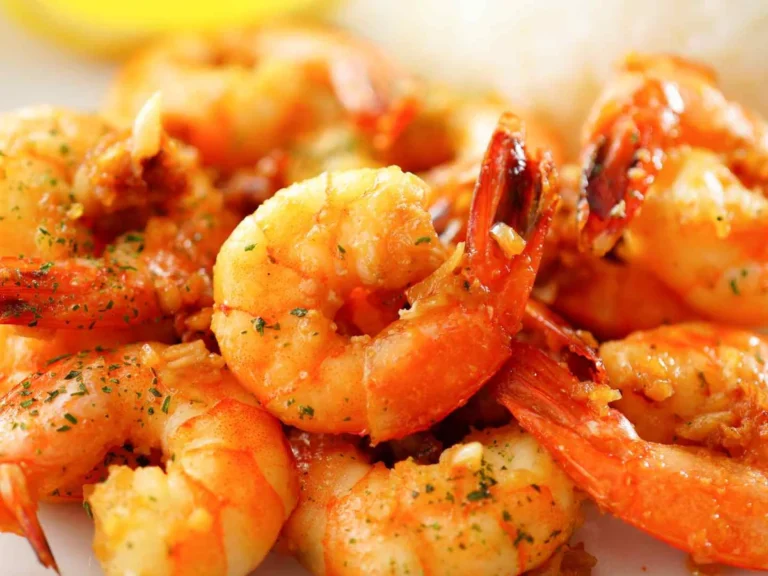
The cat shrimp guide covers shells and tails. That scene changes when tempura adds batter, oil, salt, and sauce.
Count tails and skewers Record what is missing before cleanup makes the estimate harder.
Rice
The cat rice guide covers plain cooked grain. This matters for cats because sushi rice adds vinegar, sugar, and salt.
Do not call a roll plain rice Keep the product, recipe, amount, and time available if veterinary advice is needed.
Seaweed
Nori can form long flexible strips. The practical concern is a gulped strip or wrapper-like sheet can lodge.
Cut no nori for a cat A normal first hour does not erase a swallowed object, concentrated ingredient, or delayed sign.
Soy sauce
A small dish can contain substantial sodium. For a cat, rapid lapping differs from residue on one roll.
Keep normal water available and call after meaningful access Use the actual label and the cat’s current condition instead of a broad food-category assumption.
Wasabi
Wasabi-style paste can irritate mouth, eyes, and stomach. That scene changes when commercial formulas may include horseradish and mustard.
Seek advice for drooling, rubbing, vomiting, or distress Record what is missing before cleanup makes the estimate harder.
Pickled ginger
Ginger slices arrive in sweet acidic brine. This matters for cats because the recipe and plastic cup matter.
Do not use them as a digestive remedy Keep the product, recipe, amount, and time available if veterinary advice is needed.
Avocado
Rolls may contain avocado flesh and skin fragments. The practical concern is fat, pit, peel, and mixed sauces complicate exposure.
Inventory the entire roll A normal first hour does not erase a swallowed object, concentrated ingredient, or delayed sign.
Cream cheese
Philadelphia-style rolls add dairy and fat. For a cat, lactose tolerance varies.
Watch for digestive upset after accidental access Use the actual label and the cat’s current condition instead of a broad food-category assumption.
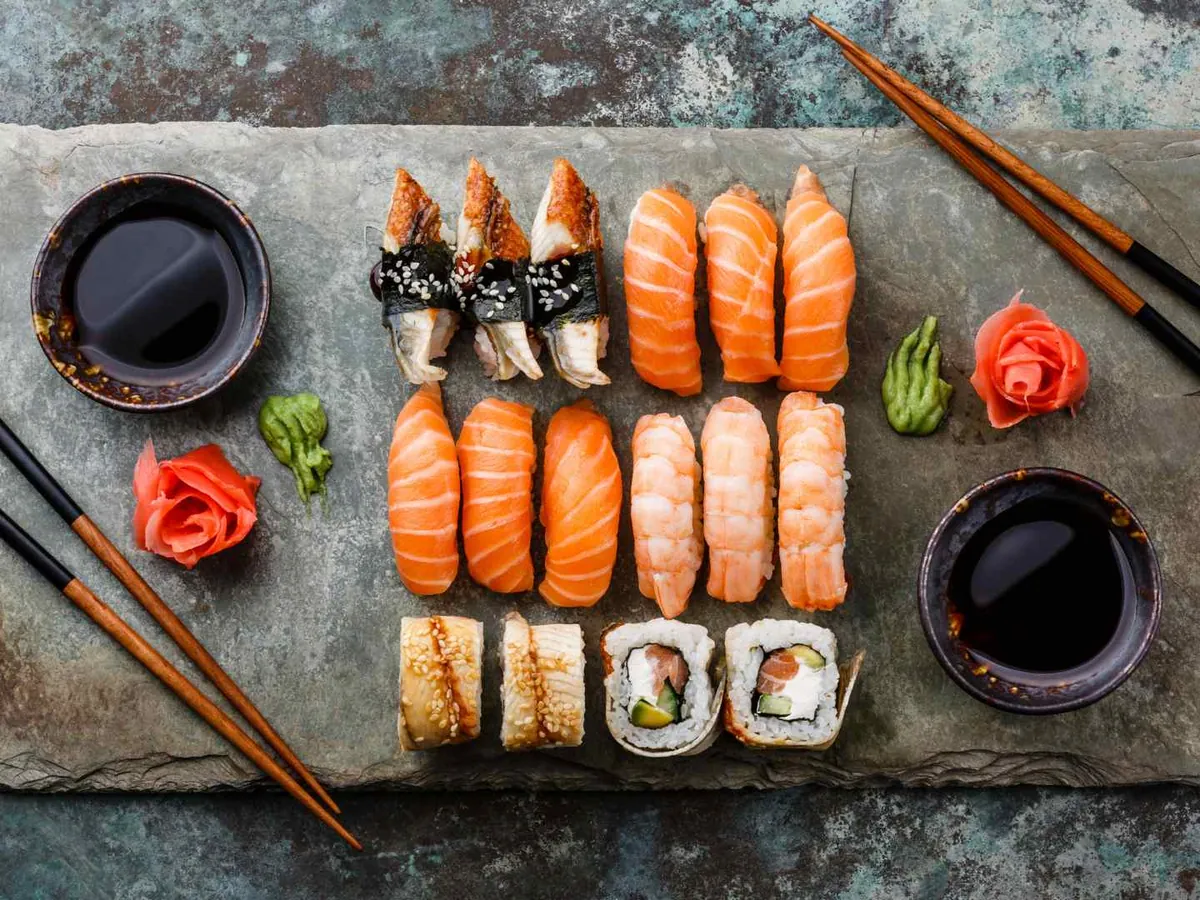
Tempura
Fried rolls add hot oil, batter, seasoning, and crisp tails. That scene changes when burns and foreign objects can outrank fish.
Check temperature and shell pieces Record what is missing before cleanup makes the estimate harder.
Bones
Fine pin bones can remain in fillets. This matters for cats because they may lodge in mouth, throat, or gut.
Call for gagging, blood, vomiting, or pain Keep the product, recipe, amount, and time available if veterinary advice is needed.
Cross-contamination
Raw-fish residue spreads through trays, chopsticks, knives, and paws. The practical concern is vulnerable household members need protection.
The CDC food-safety overview supports careful cleanup A normal first hour does not erase a swallowed object, concentrated ingredient, or delayed sign.
Complete diet
The FDA adequacy resource distinguishes meals from treats. For a cat, fish and rice cannot balance feline nutrition.
Keep complete food central Use the actual label and the cat’s current condition instead of a broad food-category assumption.
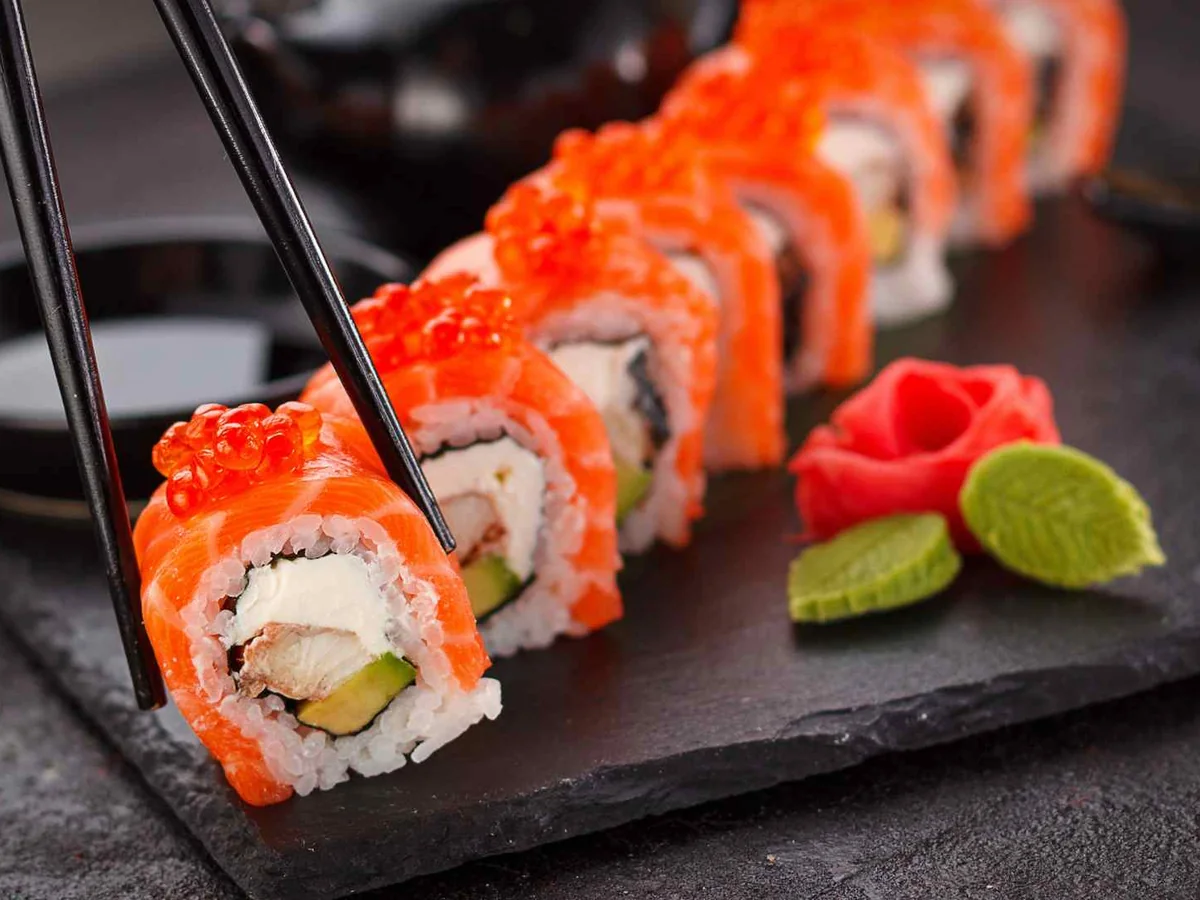
Takeout objects
Plastic grass, soy packets, rubber bands, film, and chopsticks smell like dinner. That scene changes when swallowed packaging can obstruct.
Count every accessory Record what is missing before cleanup makes the estimate harder.
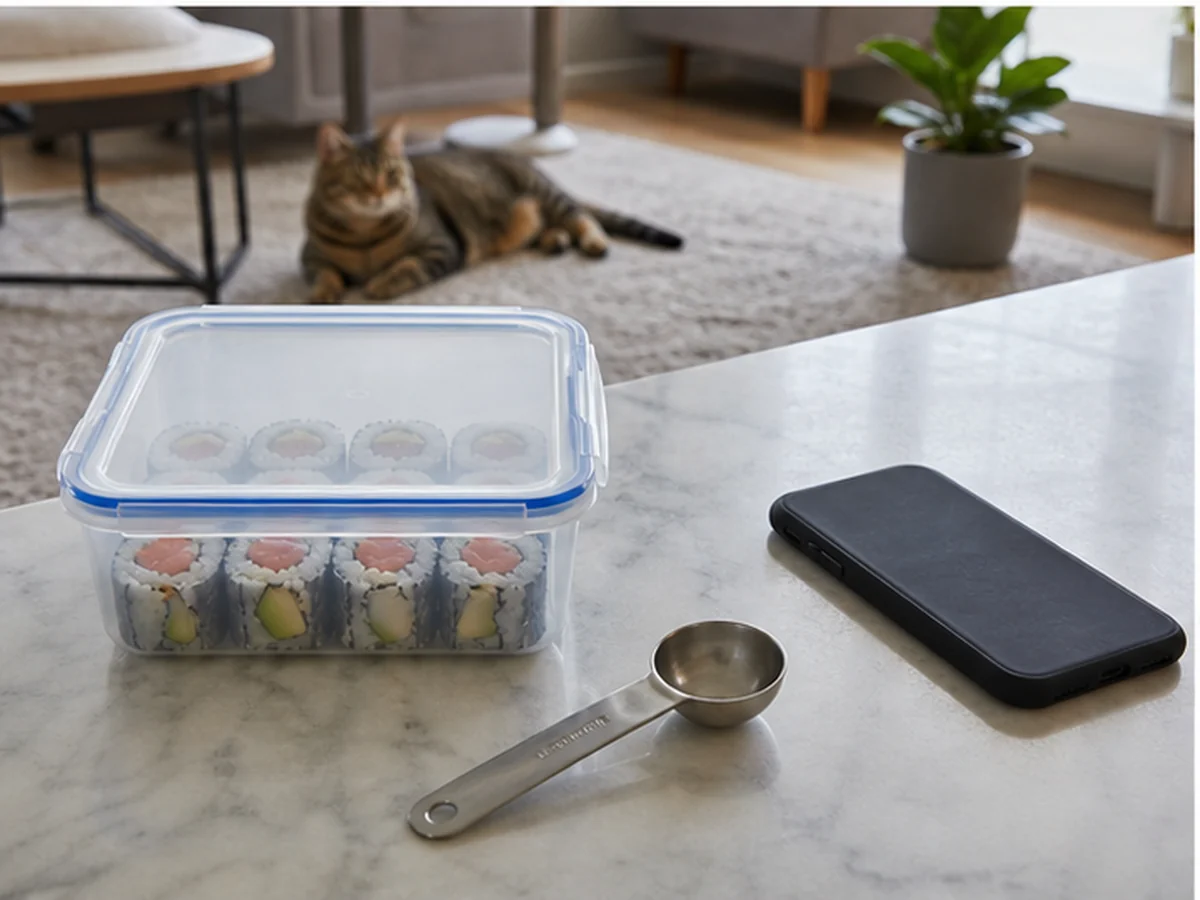
Triage
Roll name, species, raw status, pieces, sauce, time, cat weight, and symptoms guide care. This matters for cats because sushi is too broad for accurate reassurance.
Photograph the menu and leftovers Keep the product, recipe, amount, and time available if veterinary advice is needed.
Frequently asked questions
Can kittens eat sushi?
No; raw seafood, mixed ingredients, and objects are poor uses of growth-food stomach space.
Is sashimi safer than a roll?
It removes rice and sauces but remains raw seafood with pathogen and parasite concerns.
Can cats eat cooked sushi?
A tiny plain cooked boneless fish flake may be approved, but a seasoned roll is still mixed food.
Should I induce vomiting?
No, especially when bones, sticks, or plastic may be involved.
Bottom line
Sushi combines species-specific seafood with seasoned rice, sauces, seaweed, and takeout hardware, so it never deserves a one-word feline verdict. Preserve the menu, count objects, keep raw fish away, and share only a tiny plain cooked boneless flake when approved.
Grocery sushi carries a preparation time and use-by window because cooked rice and raw seafood are temperature-sensitive. Keep the label, do not trust smell as a microbial test, and discard a tray that sat warm or lost its seal rather than reheating it for the cat to prevent waste.
Raw-fish residue can travel through knives, bamboo mats, chopsticks, refrigerator shelves, paws, bedding, vomit, feces, and litter tracking. Wash hands, protect pregnant or immunocompromised people from contaminated cleanup, preserve the original package, and never apply a kitchen disinfectant to the cat’s coat.
A sushi theft during a veterinary elimination diet can introduce fish, shellfish, egg, soy, dairy, sesame, wheat, and several plant ingredients at once. Contact the treating team before altering the trial schedule and write down every roll component, shared fryer, sauce, and garnish that could complicate later interpretation.
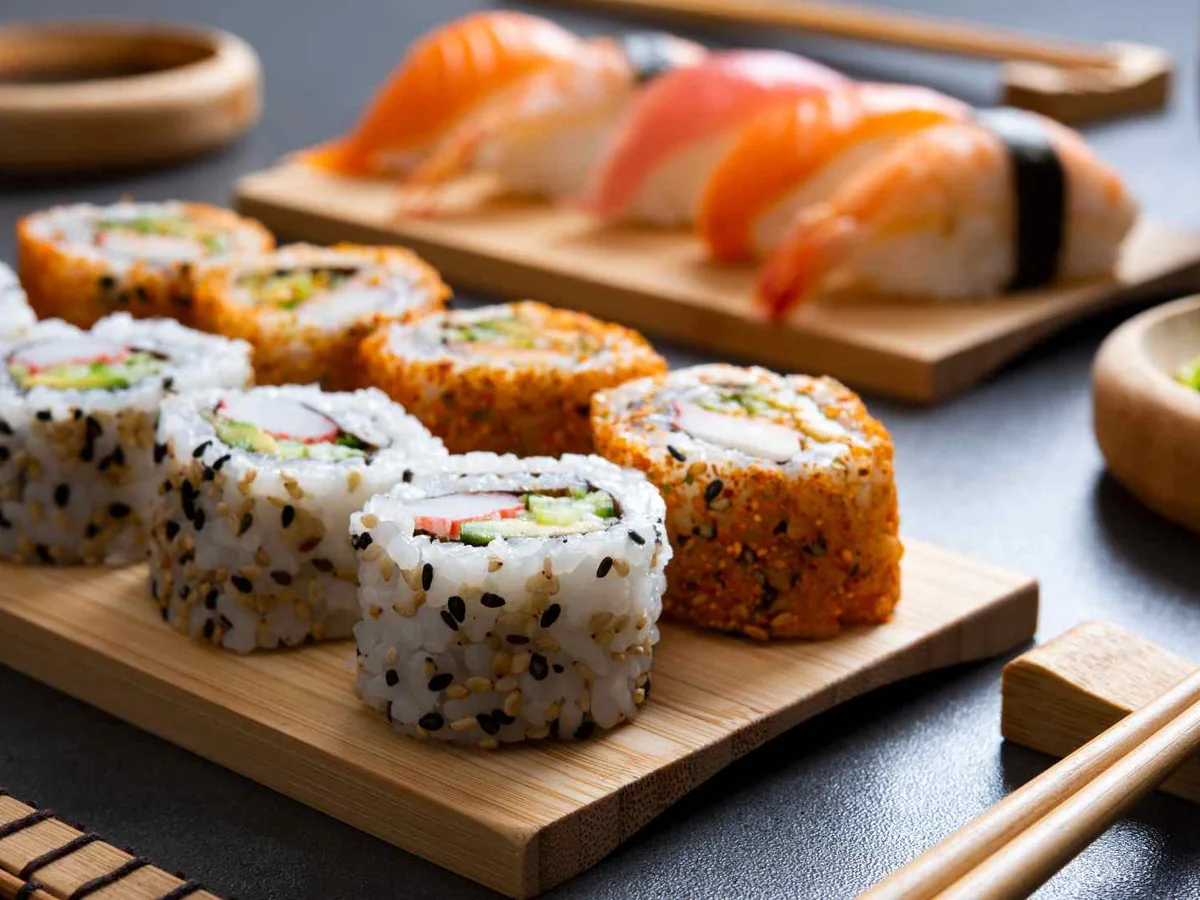
Nigiri places a slice of fish over a compressed rice block that can be swallowed as one dense piece, while maki wraps multiple ingredients in a flexible nori sheet and hand rolls form a larger cone. Count pieces by style, compare the remainder with the menu photograph, and note whether the cat separated fish from rice or gulped the construction whole.
Eel used in sushi is commonly cooked and glazed with a sweet salty sauce, while imitation crab is processed surimi with starch, flavoring, sodium, and possible allergens. Cooked does not mean plain, and rinsing cannot reliably remove glaze or ingredients distributed throughout a manufactured seafood stick.
Raw shellfish and fish can expose the household as well as the cat through cutting boards, chopsticks, paws, bedding, vomit, feces, and litter tracking. Wash hands, protect pregnant or immunocompromised people from cleanup, keep the original tray, and never apply kitchen disinfectant directly to contaminated fur.
Wasabi, spicy mayonnaise, eel sauce, soy sauce, ponzu, and chili oil can sit in unlabeled cups that spill across every roll. Photograph cup positions before cleanup, report the largest lapped volume, and seek prompt advice for marked drooling, face rubbing, repeated vomiting, weakness, tremors, or behavior change.
Conveyor-belt and buffet sushi has an uncertain time and temperature history, plus shared utensils and repeated handling. A pleasant smell cannot rule out contamination, and leftovers that sat warm should be discarded rather than reheated for the cat to prevent waste.
Fishing line, hooks, bamboo mats, sharp knives, plastic grass dividers, soy-fish bottles, elastic bands, staples, and wooden picks can accompany homemade or takeout sushi. Never pull visible line from the mouth, and do not induce vomiting when a hook, bone, skewer, or sharp plastic fragment may be present.
A fish-heavy homemade diet assembled from sashimi can be deficient or excessive in important nutrients even when every piece is premium. Mercury, thiaminase, fatty-acid balance, calcium, vitamins, calories, and species identity require professional formulation rather than a rotating supermarket selection.
During veterinarian-directed monitoring, identify each cat separately, preserve menus and wrappers, and record vomiting, stool, appetite, gait, breathing, mouth pain, and abdominal comfort. A normal first hour cannot clear a pin bone, swallowed nori strip, raw-seafood pathogen, or missing tray fragment.
Nigiri, maki, hand rolls, sashimi, and chirashi place raw seafood, rice, and nori into very different shapes, so count the missing style rather than saying one piece. A compact rice block can be gulped, while a flexible seaweed sheet may carry several ingredients together.
Eel is commonly cooked and glazed, whereas imitation crab is processed surimi with starch, sodium, flavoring, and possible allergens. Cooked does not mean plain, and rinsing cannot remove sauce or ingredients already distributed through a manufactured seafood stick.
Vegetarian rolls can still contain avocado, sesame, tofu, tempura, onion, garlic, spicy mayonnaise, and long nori strips. The absence of raw fish removes one hazard but does not make a seasoned restaurant construction an appropriate cat treat.
Whole prawns, soft-shell crab, fish skin, and pin bones can hide inside specialty rolls whose rice exterior looks uniform. Slice the remaining roll for identification only when safe, photograph hard components beside a ruler, and never induce vomiting when a bone or skewer might be involved.
A fish-heavy homemade diet assembled from sashimi can create nutrient deficiencies or excesses even when every ingredient is premium. Species identity, mercury pattern, thiaminase evidence, calcium, vitamins, fatty acids, and calories require professional formulation rather than a rotating market selection.