Can Cats Have Dairy? Milk, Cheese, Yogurt, and Real Risks
Dairy is not automatically poisonous to cats, but it is usually unnecessary and often poorly tolerated. Milk can cause lactose-related digestive upset, cheese and cream add concentrated fat or sodium, flavored products may contain hazardous ingredients, and raw milk introduces avoidable foodborne pathogens.
The dairy aisle contains many different questions
Cow, goat, sheep, and buffalo milk become products with different water, lactose, fat, salt, cultures, aging, flavoring, and texture. A lick of plain yogurt cannot answer for a cream-cheese dessert or a moldy raw-milk wheel.
| Dairy type | Typical concern |
| Fluid milk | Lactose, portion, raw versus pasteurized |
| Hard aged cheese | Fat, sodium, rind, flavored varieties |
| Soft fresh cheese | Lactose, fat, refrigeration, food safety |
| Yogurt or kefir | Sugar, sweeteners, fruit, cultures, lactose variation |
| Cream, butter, ice cream | High fat, sugar, flavorings, packaging |
| Dairy-containing recipe | Chocolate, coffee, Alliums, dough, alcohol, heat |
Identify the exact food, animal source, pasteurization, flavor, amount, storage history, and package damage. Dairy is a category for organizing the refrigerator, not a single substance with one feline dose.
Cats are obligate carnivores, but milk is not meat
The phrase obligate carnivore describes feline nutrient requirements and metabolism, not a rule that every animal-derived food is ideal. Cow’s milk, butter, and cheese do not reproduce the balanced prey nutrient profile or a formulated complete cat diet.
Adult cats need appropriate amino acids, fatty acids, vitamins, and minerals in controlled proportions. Dairy can add calories, fat, sodium, and protein while displacing food that was designed to meet those needs.
Lactose tolerance changes after weaning
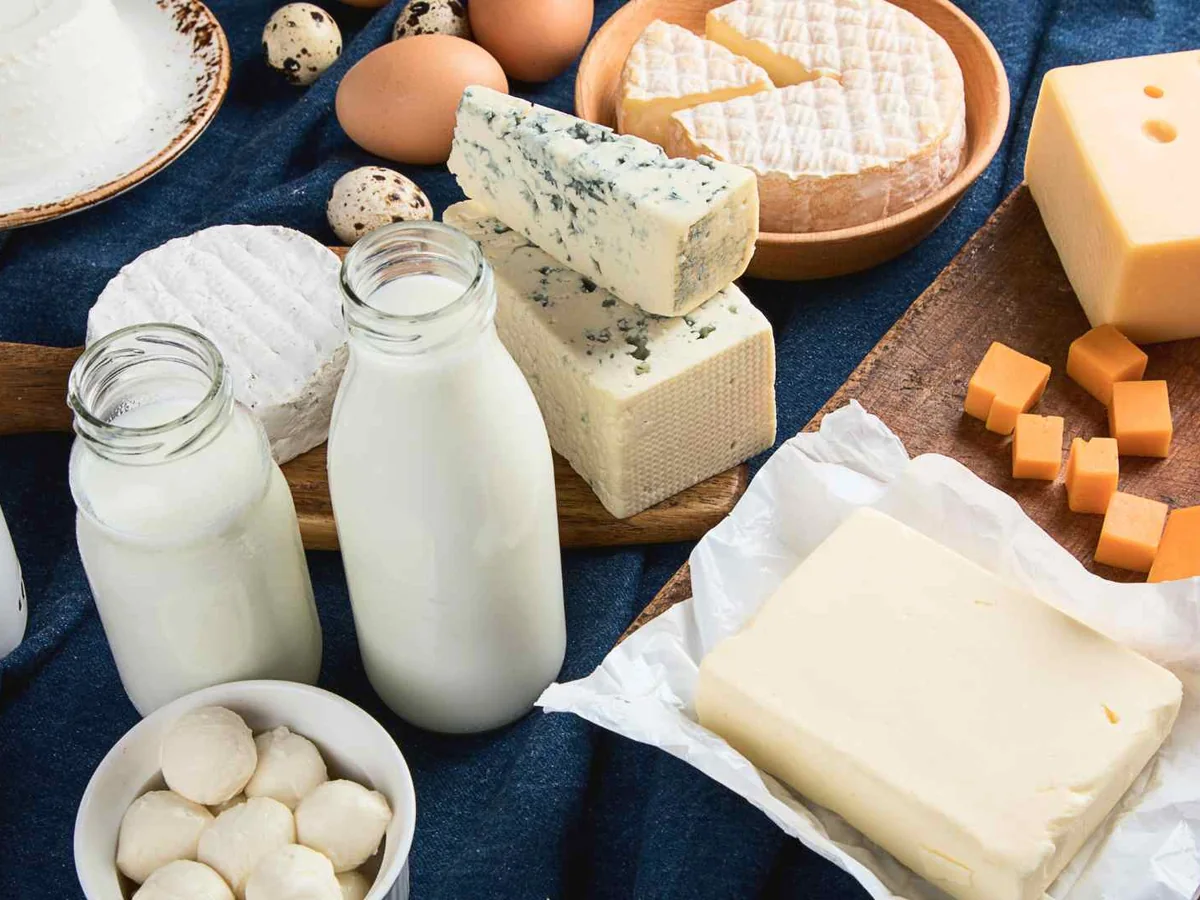
Kittens digest their mother’s milk during nursing, but lactase activity commonly decreases after weaning. Many adult cats therefore develop gas, loose stool, abdominal discomfort, or vomiting when they drink cow’s milk.
Cornell’s feline feeding guidance says milk is generally not recommended because many cats are lactose-intolerant and can develop gastrointestinal problems. That is a tolerance warning, not a claim that one drop poisons every cat.
A cat that appears to tolerate dairy still receives unnecessary calories, and tolerance can differ by product and amount. Do not run escalating home trials to discover the serving at which diarrhea begins.
Unweaned kittens need kitten milk replacer
Orphaned or rejected kittens require prompt veterinary guidance and a commercial kitten milk replacer designed for their needs. Cow, goat, plant, coconut, and condensed milk do not provide the correct composition for safe growth.
Bottle technique, temperature, feeding frequency, body weight, elimination, and aspiration prevention all matter. A chilled, weak, bloated, coughing, or poorly nursing kitten needs immediate help rather than a grocery substitution.
Lactose-free is not consequence-free
Lactose-free cow’s milk has the lactose broken down or removed, which may reduce that specific digestive issue. It still contains calories and milk proteins and may include flavor, vitamins, sweetener, or stabilizers.
Dairy-free, non-dairy, plant-based, and lactose-free are not synonyms. Read the full ingredient panel and use the cat milk guide for fluid-milk forms rather than trusting one front-label phrase.
Cheese concentrates a small-looking treat
Cheesemaking removes water and changes lactose, texture, fat, and salt, so a tiny cube can be calorie-dense. Aged cheeses may contain less lactose than milk, but they still do not become nutritionally free.
Hard rinds, wax, netting, plastic dividers, and strings create chewing or foreign-body concerns. Flavored cheeses can include garlic, onion, chive, chile, smoke, alcohol, herbs, fruit, or nuts.
The cheese guide compares families and forms, while a label remains necessary for the particular wedge. Scraping seasoning from the surface cannot remove ingredients mixed throughout.
Yogurt is cultured milk, not a guaranteed probiotic
Fermentation can alter lactose, but products and individual tolerance vary. Plain unsweetened yogurt differs sharply from vanilla, fruit, chocolate, coffee, granola, dessert, or sugar-free cups.
Do not promise that human yogurt will treat feline diarrhea, immunity, antibiotics, or inflammatory bowel disease. Probiotic effects depend on strain, viability, dose, condition, and evidence, and a veterinarian can select an appropriate product when one is indicated.
The site’s yogurt article covers cultures, sweeteners, toppings, and cups. Even plain yogurt should remain a small optional taste, not a daily gut-health ritual.
Cream, butter, and sour cream are fat questions
Heavy cream, whipped cream, butter, clotted cream, and sour cream can deliver considerable fat and energy in a spoonful. Sweetened whipped toppings may also contain sugar, flavor, stabilizer, or non-dairy fats.
A small lick does not justify announcing inevitable pancreatitis, but greasy raids can produce gastrointestinal upset and interfere with weight control. Persistent vomiting, abdominal pain, marked lethargy, or appetite loss needs examination.
For cultured cream specifically, the sour cream guide separates a plain lick from dips, tacos, onion, garlic, chives, heat, and foil.
Ice cream and milkshakes are desserts
Ice cream can combine dairy with sugar, chocolate, coffee, tea, alcohol, macadamias, raisins, cookie dough, mint oil, fruit, or sweetener. Milkshakes add larger liquid volume and may include whipped cream, syrups, supplements, and straws.
Save the complete flavor label and identify every mix-in after a theft. The cat’s response depends more on the chocolate brownie chunks or espresso concentrate than on the word dairy.
Raw milk adds pathogens without curing intolerance
FDA’s raw-milk safety review describes outbreaks linked to organisms including Listeria, Campylobacter, Salmonella, and pathogenic E. coli. Pasteurization is a basic risk-reduction step, not damage that a cat needs humans to undo.
Raw milk retains lactose, so it does not solve lactose intolerance. Kittens, seniors, pregnant cats, immunocompromised cats, and households with children, pregnancy, older adults, or immune suppression deserve particular caution.
Do not offer raw dairy because it seems farm fresh or species appropriate. Save the producer, lot, date, storage history, and recall information after an accidental exposure.
Pasteurized dairy can still spoil
Pasteurization reduces specific pathogen risks but does not prevent later contamination or grant unlimited refrigerator life. Milk can sour, soft cheese can support bacterial growth, and opened yogurt can develop mold.
FDA advises keeping milk and milk products refrigerated and following dates and product directions. Discard swollen, leaking, slimy, moldy, curdled when not expected, or abnormally smelling products in a secured bin.
Soft cheeses need closer refrigeration attention
Cottage cheese, ricotta, queso fresco, cream cheese, and similar moist products have shorter lives than a dry hard wedge. A party platter left warm for hours should not become pet food to prevent waste.
FDA’s queso fresco guidance explains that soft fresh cheeses can support Listeria and that even pasteurized products can be recontaminated. This is human food-safety evidence, not a reason to diagnose a cat from appearance alone.
Goat and sheep dairy do not receive a digestive exemption. Their milk, yogurt, and cheese vary from cow dairy in composition and flavor, but they can still contain lactose, fat, sodium, and milk proteins.
Imported or farmstead products also require pasteurization and storage checks. The goat cheese guide covers rind, brine, herbs, raw milk, and package details.
Milk protein reactions need diagnosis
An adverse reaction to milk protein is different from inability to digest lactose, though vomiting or diarrhea can overlap. Skin itching, ear disease, hair loss, and digestive signs have many causes and cannot identify dairy from one snack.
A veterinarian may prescribe a strict elimination diet, during which cheese crumbs, flavored medicine, and milk-based treats can invalidate weeks of work. Do not improvise a dairy-free homemade diet that is also nutritionally incomplete.
Dairy can hide medicine and hide the dose
Cheese, yogurt, and butter may smell appealing enough to conceal a pill, but some drugs require fasting, cannot be crushed, or interact with food or minerals. Cats often lick around the tablet and leave a mystery dose in the bowl.
Ask the prescribing clinic for an approved pill vehicle and exact amount. If another pet eats medicated dairy, report the medication, strength, missing portion, time, and both animals’ weights.
Fermented does not mean alcohol-free or risk-free. Kefir and cultured dairy vary in microbes, lactose, sugar, flavoring, and storage, while boozy milk punches and dessert sauces can contain ethanol.
Do not use fermented dairy to treat worms, infection, constipation, antibiotic effects, or immune disease. Alcohol exposure, marked weakness, wobbliness, low body temperature, or breathing changes needs urgent care.
Plant milks sit outside the dairy category
Almond, oat, soy, coconut, pea, and other plant drinks are not dairy even when sold in the same refrigerator case. They have distinct base ingredients, oils, thickeners, sweeteners, fortification, and possible allergens.
A dairy-free label therefore does not equal cat-appropriate. Evaluate the particular plant drink and never use it as kitten formula or a nutritionally complete feline meal.
Packages and hot dishes can become the emergency
Foil yogurt lids, wax cheese coatings, plastic film, cup seals, strings, straws, glass jars, can rims, and ice-cream sticks can cut or obstruct. Count package parts after any raid rather than only measuring the food.
Melted cheese, hot cocoa, cream sauces, and casseroles can burn the mouth and paws. Do not apply ice, butter, ointment, or numbing gel to a suspected oral burn; call for drooling, mouth pawing, red tissue, or food refusal.
The daily diet still needs a complete statement
Milk contributes nutrients for the young of its source species, and cheese contains protein and calcium, but neither is a complete adult cat food. A kitten also needs more than cow’s milk can supply.
FDA explains how nutritional adequacy statements identify foods designed for a species and life stage. Treats and toppers should remain small enough not to displace that foundation.
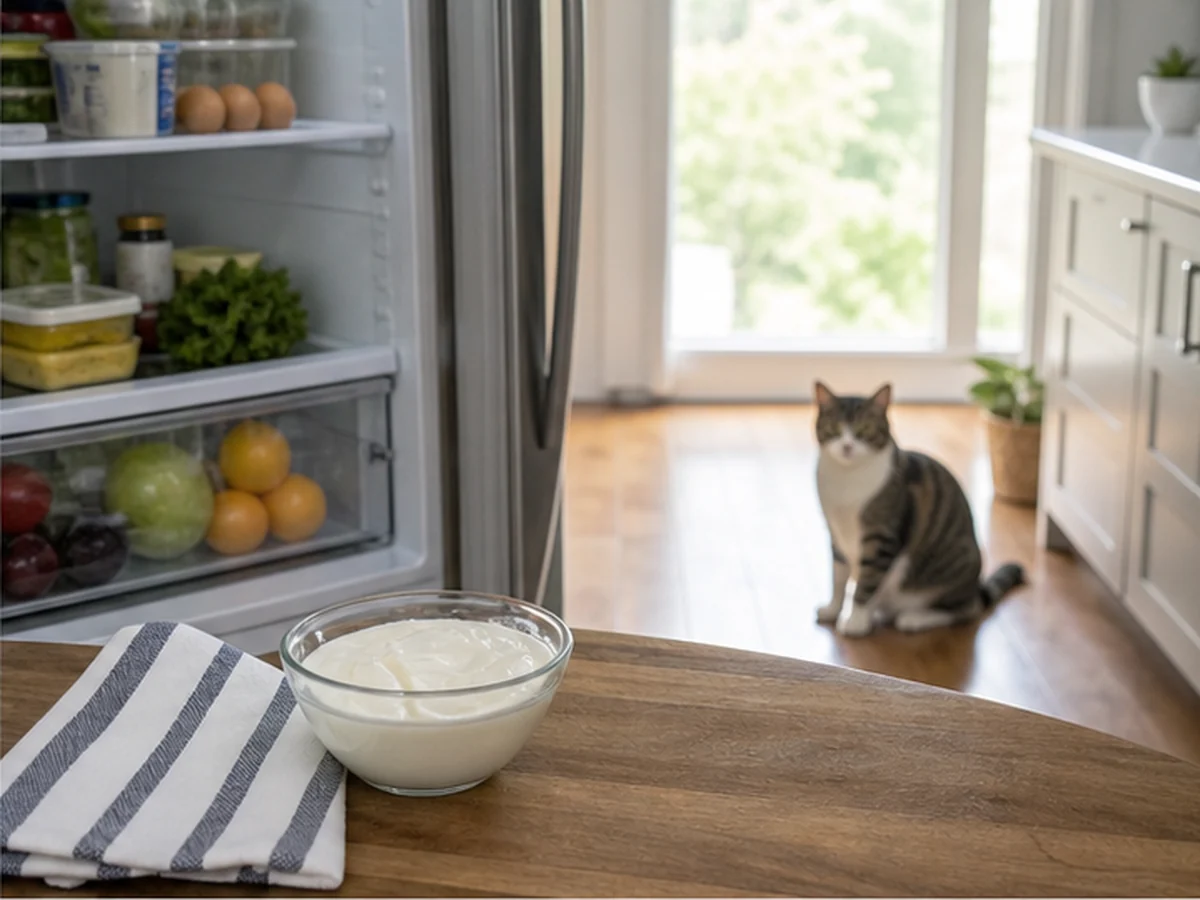
Respond to the refrigerator raid
- Remove every dairy product, recipe, hot dish, raw item, package, stick, string, foil, and broken container.
- Identify milk source, product type, pasteurization, flavor, amount, storage history, and all added ingredients.
- Record time, cat’s weight, medical and diet conditions, medications, and signs.
- Call for raw dairy in a vulnerable cat, hazardous flavoring, large amount, spoilage, packaging, burns, or symptoms.
- If monitoring is advised, return to normal complete food and fresh water instead of testing more dairy.
Frequently asked questions
Is all dairy toxic to cats?
No. Many products are not acute poisons, but lactose intolerance, fat, sodium, flavorings, raw-milk pathogens, and calorie displacement make routine feeding unhelpful.
Can cats drink lactose-free milk?
It may reduce lactose-related upset, but it still contains calories and milk proteins and is unnecessary. Check flavors and sweeteners, and offer water as the usual drink.
Can cats eat cheese or yogurt?
Some healthy adults tolerate a tiny plain taste, but varieties differ and neither should become a dietary staple. Avoid flavored, spoiled, raw-milk, highly salted, or rich products.
What milk should an orphaned kitten drink?
Use veterinarian-recommended commercial kitten milk replacer and obtain feeding guidance promptly. Cow, goat, plant, and coconut drinks are not safe nutritional substitutes.
Bottom line
Dairy belongs in a spectrum, not a poison-or-superfood argument. Many adult cats digest lactose poorly, rich and salty products add baggage, raw milk adds pathogens, and complete feline food outperforms every saucer, cube, dollop, and whipped flourish in the refrigerator.