Can Dogs Eat Vanilla Yogurt? Labels, Lactose, and Xylitol
Most dogs should skip vanilla yogurt as a regular treat because flavored tubs often add sugar and may contain ingredients that change the risk. A healthy adult dog may tolerate a small lick of xylitol-free vanilla yogurt, but plain unsweetened yogurt is the simpler choice if dairy agrees with that dog.

Start with the ingredient list, not the flavor name
The words vanilla yogurt do not describe one standard recipe. Products range from lightly flavored dairy yogurt to dessert-style cups, high-protein formulas, sugar-free products, drinkable yogurt, frozen bars, and plant-based alternatives.
Turn the container around and read every ingredient before deciding what happened. Check the nutrition panel for calories, fat, and added sugar, then scan specifically for xylitol, which may also appear as birch sugar or wood sugar.
Xylitol makes this an emergency
Xylitol can trigger a rapid insulin release in dogs, causing dangerous hypoglycemia, and some exposures are associated with liver injury. The Merck Veterinary Manual xylitol guide advises checking the label of sugar-free products rather than assuming they are safe.
If xylitol appears anywhere on the label, call a veterinarian or pet poison service immediately, even if the dog looks normal. Do not wait for weakness, wobbliness, vomiting, collapse, tremors, or seizures.
Do not estimate safety from the number of spoonfuls unless a veterinary professional has the product’s xylitol concentration. Sweetener amounts can be proprietary, and a label may not reveal how much is present in each serving.
Sugar is different from xylitol
Ordinary sugar is not the same acute canine poison as xylitol, so one lick of conventionally sweetened vanilla yogurt usually calls for proportionate monitoring rather than panic. It still adds calories without making the dog’s complete food more complete.
A whole cup can deliver far more sugar and energy than expected, especially for a small dog. Repeated extras can crowd out balanced food and make weight management quietly harder.
Lactose tolerance varies from dog to dog
Dogs may have limited ability to digest lactose, and dairy can cause gas, loose stool, abdominal discomfort, or vomiting. The ASPCA people-food guidance notes that milk and dairy products can cause digestive upset because pets do not have large amounts of lactase.
Fermentation changes yogurt, but it does not guarantee a lactose-free product. Straining, processing, serving size, and the individual dog all matter, so a dog that handles one brand may not handle another cup equally well.
Lactose intolerance is a digestive problem, not an allergy. Gas and diarrhea after dairy point toward poor digestion, while persistent itching, ear trouble, or recurrent skin disease deserves a veterinary workup rather than a home label of yogurt allergy.
Dairy allergy deserves a separate conversation
Dairy proteins are among recognized food-allergen sources in dogs, but symptoms alone cannot identify the culprit. The Merck food-allergy review explains that a controlled elimination diet followed by a challenge is the reliable diagnostic method.
Do not test a suspected dairy allergy by offering repeated spoonfuls. Dogs on elimination trials or prescription diets should receive only foods approved by their veterinarian, because even a little flavored yogurt can undermine the trial.
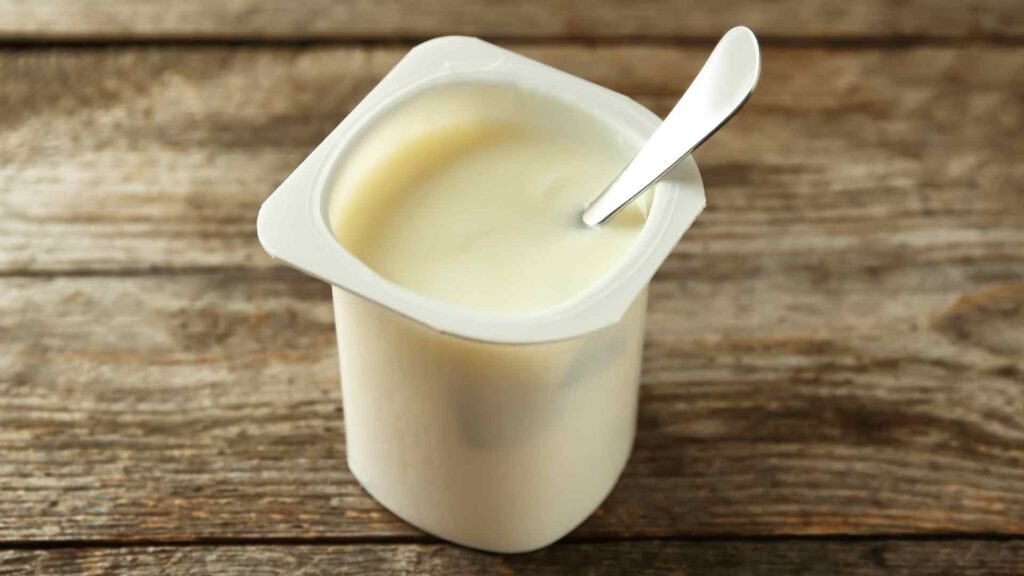
Fat content matters, especially for certain dogs
Full-fat and cream-top yogurts can be calorie dense, and a sudden rich snack may bring vomiting or diarrhea. Dogs with a history of pancreatitis, high blood lipids, obesity, or a prescribed low-fat diet should not receive vanilla yogurt without veterinary approval.
Pancreatitis is not guaranteed after one fatty lick, but dietary indiscretion plus vomiting and abdominal pain is clinically relevant. Merck describes the condition and the importance of fat restriction in affected dogs in its pancreatitis overview.
Low-fat does not automatically mean dog-friendly because manufacturers may compensate with sugar, thickeners, or sweeteners. Nonfat, low-sugar, keto, and high-protein claims never replace a full label check.
Vanilla flavor and vanilla extract are not identical
Commercial vanilla yogurt usually uses a formulated flavor in a finished food. That is different from pouring vanilla extract into plain yogurt at home, since many baking extracts contain alcohol and concentrated flavoring.
There is no practical reason to add extract for a dog. If a dog drinks extract or a homemade mixture containing it, save the bottle and call for advice based on the alcohol percentage, amount, time, and dog weight.
Does the yogurt work as a probiotic?
A live-culture claim tells you organisms were used or remain in the product, but it does not prove the cup treats diarrhea, restores the microbiome after antibiotics, or matches a studied veterinary probiotic. Benefits depend on the exact strain, viable amount, storage, dose, condition, and dog.
The WSAVA probiotic checklist asks for strain identification, efficacy evidence, quality control, and viable counts through the end of shelf life. An ordinary grocery yogurt may not provide those details.
Do not delay veterinary care for diarrhea while trying yogurt. Blood, repeated vomiting, pain, weakness, dehydration, a swollen abdomen, suspected toxin exposure, or symptoms in a very young, elderly, or medically fragile dog need prompt professional guidance.
A practical label-check routine
- Confirm whether the product is dairy or plant-based and whether it is refrigerated, frozen, or shelf stable.
- Look for xylitol, birch sugar, or wood sugar before considering any amount.
- Check added sugar, calories, total fat, serving size, and sodium rather than trusting front-label slogans.
- Read flavor swirls and mix-ins for chocolate, coffee, raisins, macadamia nuts, alcohol, or other hazardous ingredients.
- Check the lid, foil seal, plastic cup, spoon, and multipack sleeve if the dog raided the container.
Plant-based yogurt is not automatically easier on a dog. Coconut products may be fatty, nut-based products can carry flavorings or sweeteners, and every alternative still needs its own complete ingredient review.
If you choose to offer yogurt
Choose plain, unsweetened, xylitol-free yogurt and start with a tiny taste, not a bowl. Use it as an occasional extra only after confirming that dairy and its protein source fit the dog’s health plan.
The WSAVA treat guide recommends that all extras together stay below 10 percent of daily calories. That ceiling includes chews, training rewards, table scraps, toppers, and yogurt, not 10 percent for each category.
There is no universal spoon chart that works for a five-pound puppy, a working shepherd, and a dog on a weight-loss plan. Calories on the tub and the dog’s daily allowance provide a better starting point, while a veterinarian can tailor the amount for disease or growth.
Frozen yogurt needs a size check too
Frozen dollops can become hard enough to gulp or hurt teeth, and commercial frozen yogurt may resemble ice cream in sugar and fat. Thaw or soften a tiny portion and supervise rather than handing over a large frozen cube.
Never freeze the original foil-topped cup for a dog to dismantle. Foil, plastic, wooden sticks, and silicone molds can become choking hazards or intestinal foreign bodies.
What to do after an accidental yogurt raid
- Take the container away and find every piece of lid, foil, spoon, stick, or wrapper.
- Photograph the ingredient list and nutrition panel, including the exact product name and flavor.
- Estimate how much is missing, when it happened, and whether more than one dog had access.
- Record each dog’s weight, age, medical conditions, medications, prescription diet, and current symptoms.
- Call immediately for xylitol, chocolate, coffee, raisins, macadamias, alcohol, missing packaging, or significant symptoms.
For a healthy adult dog that took one lick of ordinary xylitol-free vanilla yogurt and remains comfortable, monitoring is generally reasonable. Offer water, return to the normal complete diet, and watch for vomiting, diarrhea, gas, pain, or unusual behavior.
A large amount, repeated vomiting, marked lethargy, a painful or distended abdomen, tremors, weakness, collapse, or inability to keep water down deserves prompt veterinary care. Puppies and dogs with diabetes, pancreatitis, liver disease, or strict dietary prescriptions warrant a lower threshold for calling.
Do not induce vomiting or give activated charcoal, sugar, oil, antacids, or human anti-diarrheal medicine unless a veterinary professional directs it. The correct response depends on the ingredients and the dog’s condition.
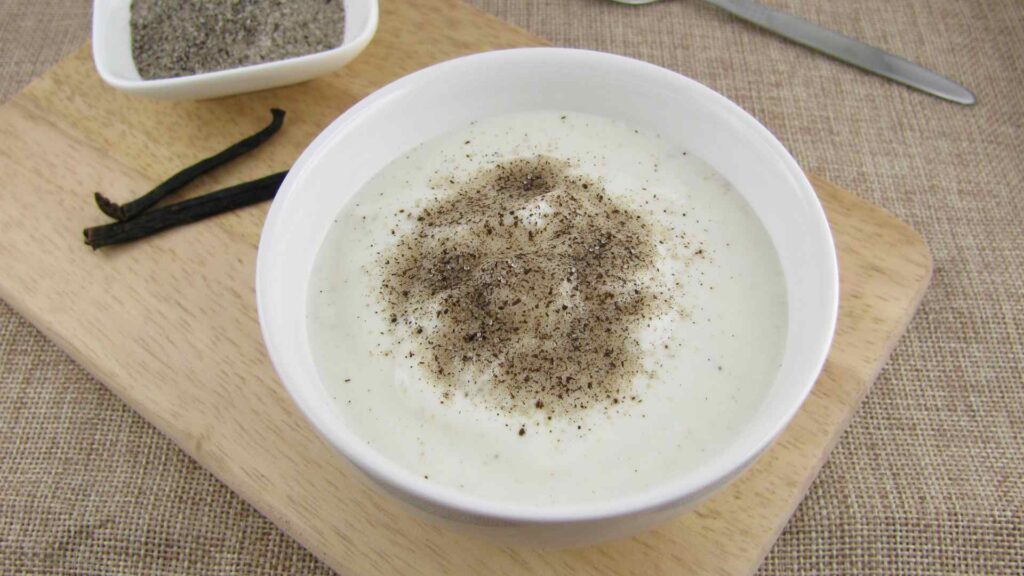
How vanilla yogurt compares with nearby dairy choices
Plain yogurt is usually easier to assess because it removes the flavor blend and added sugar question. The site’s broader yogurt guide covers basic preparation, while the Greek yogurt guide explains why straining and labels still matter.
Neither yogurt nor sour cream is needed for calcium or protein if a dog already eats a complete diet. Sour cream is generally richer and offers no special reason to choose it as a canine snack.
Frequently asked questions
Can puppies eat vanilla yogurt?
Puppies need calorie room for complete growth food, and flavored yogurt adds avoidable variables. Ask the puppy’s veterinarian before adding dairy, especially during digestive upset or a diet transition.
Is Greek vanilla yogurt safer?
Not automatically. Some Greek-style products have more protein or less lactose, but the actual sugar, fat, sweeteners, mix-ins, and calories on that label decide the answer.
Can yogurt cure diarrhea?
No grocery yogurt should be treated as a reliable diarrhea medicine. The cause may be dietary, infectious, parasitic, inflammatory, obstructive, or toxic, and some dogs feel worse after dairy.
What if the tub says sugar-free?
Read the ingredients immediately. If xylitol, birch sugar, or wood sugar appears, call a veterinarian or pet poison service now rather than waiting for symptoms.
The bottom line
A small lick of ordinary xylitol-free vanilla yogurt is often a minor event for a healthy dog, but vanilla yogurt is not the best routine choice. Plain unsweetened yogurt is easier to evaluate, and some dogs should avoid dairy altogether.
Let the exact label, amount, packaging, symptoms, and dog’s medical history guide the next step. Keep probiotic promises modest, treat xylitol as urgent, and leave digestive treatment to a veterinary plan.