Can Cats Eat Lime? Flesh, Peel Oils, Juice, Drinks, Cleaners, and First Aid
Do not offer lime to cats. A tiny lick of diluted fruit juice may cause only irritation, but peel, zest, essential oil, concentrate, cocktails, cleaners, eye exposure, and contaminated fur create different risks that need product-specific first aid.
Identify fruit, oil, or household product
Save the lime, juice bottle, oil vial, cleaner, drink label, recipe, or package and note swallowing, skin, eye, or inhalation exposure. Estimate amount and concentration.
List alcohol, sweeteners, salt, chile, garlic, detergent, other oils, and missing droppers, caps, glass, picks, or film. Photograph labels.
Call promptly for oil, cleaner, eye pain, breathing trouble, repeated vomiting, weakness, tremors, collapse, or missing sharp objects. Do not induce vomiting.
A fruit lick is not an oil spill
Lime flesh and juice contain acid that can trigger drooling, lip licking, vomiting, or diarrhea. Peel-derived essential oil is a much more concentrated aromatic product.
The cat citrus guide separates these forms. Do not apply a blanket oil warning to one diluted food droplet or use mild juice advice for concentrate.
Cats gain no needed vitamin or hydration benefit from lime. Fresh water and complete food are the ordinary choices.
Peel and zest carry aromatic oils
Green peel and zest contain compounds that create lime fragrance and can cling to paws or fur. Large rind pieces are also tough foreign material.
ASPCA’s essential-oil guidance supports veterinary consultation because concentration and route matter. Cats have metabolic limitations with several oil constituents.
Prevent grooming after a substantial peel-oil or zest exposure and request cleaning instructions. Do not add another scented product.
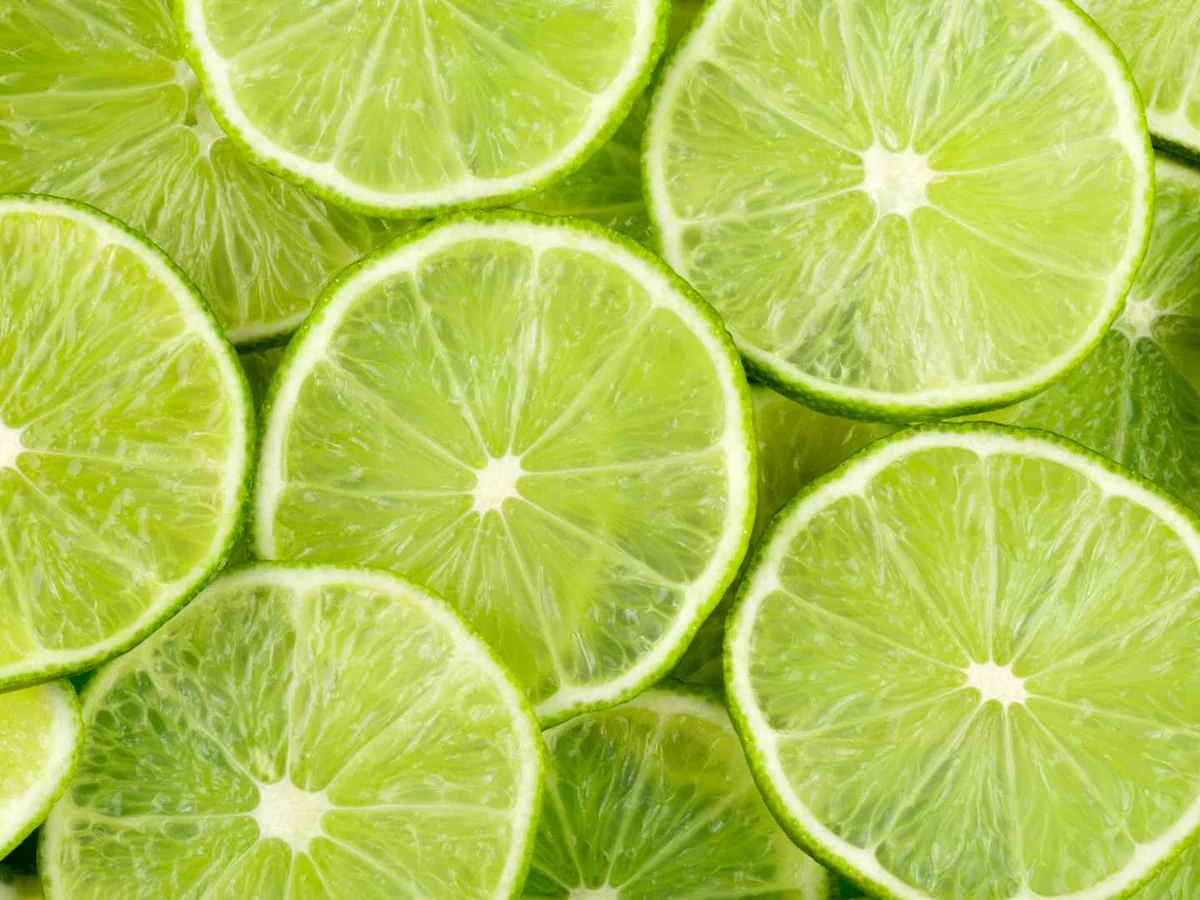
Concentrates and powdered lime
Frozen limeade concentrate, bottled key-lime juice, packets, crystals, and cocktail sour mix differ in acidity, sugar, sweetener, salt, and flavor. Read dilution directions.
Dry powder can be inhaled or tracked into eyes. Move the cat away without raising more dust and call for coughing, squinting, or breathing changes.
Keep the package for concentration calculations. A teaspoon of concentrate is not a teaspoon of finished drink.
Eyes need careful help
Lime juice in the eye can cause tearing, redness, squinting, pain, and rubbing. Stop the cat from rubbing the eye and ask a veterinary professional how and how long to flush the specific lime product.
Do not use baking soda, oil, milk, or other chemicals to neutralize acid. Improvised reactions may worsen injury.
Persistent pain after directed rinsing needs examination because corneal damage cannot be judged from across the room.
Coat spills become oral exposure
A cat will groom lime from fur unless prevented. A tiny food splash may be wiped with a damp cloth, while oil or cleaner requires case-specific decontamination.
Bag contaminated collars and bedding, ventilate safely, and avoid solvent, fragrance, or human shampoo. Cats can swallow cleanup products too.
Weakness, wobbliness, tremors, drooling, or respiratory change after a spill is urgent.
Lime water is not medical hydration
Citrus water can discourage drinking and obscure how much plain water the cat accepts. Dehydration has causes that a flavored bowl cannot diagnose.
Cornell’s feline hydration resource explains that ill cats may need precisely selected clinical fluids. Do not syringe lime water.
Vomiting, diarrhea, reduced urine, lethargy, dry gums, or abnormal thirst deserves veterinary advice.
Cocktails and limeade
Margaritas, mojitos, beer with lime, and punches add ethanol, sugar, sweeteners, salt, mint, ice, straws, and glass. Alcohol may be the emergency.
Weakness, wobbliness, unusual sleepiness, low temperature, slow breathing, or collapse requires urgent care. Preserve beverage strength and amount.
The cat beer guide covers ethanol and containers. Do not wait for a cat to look drunk.
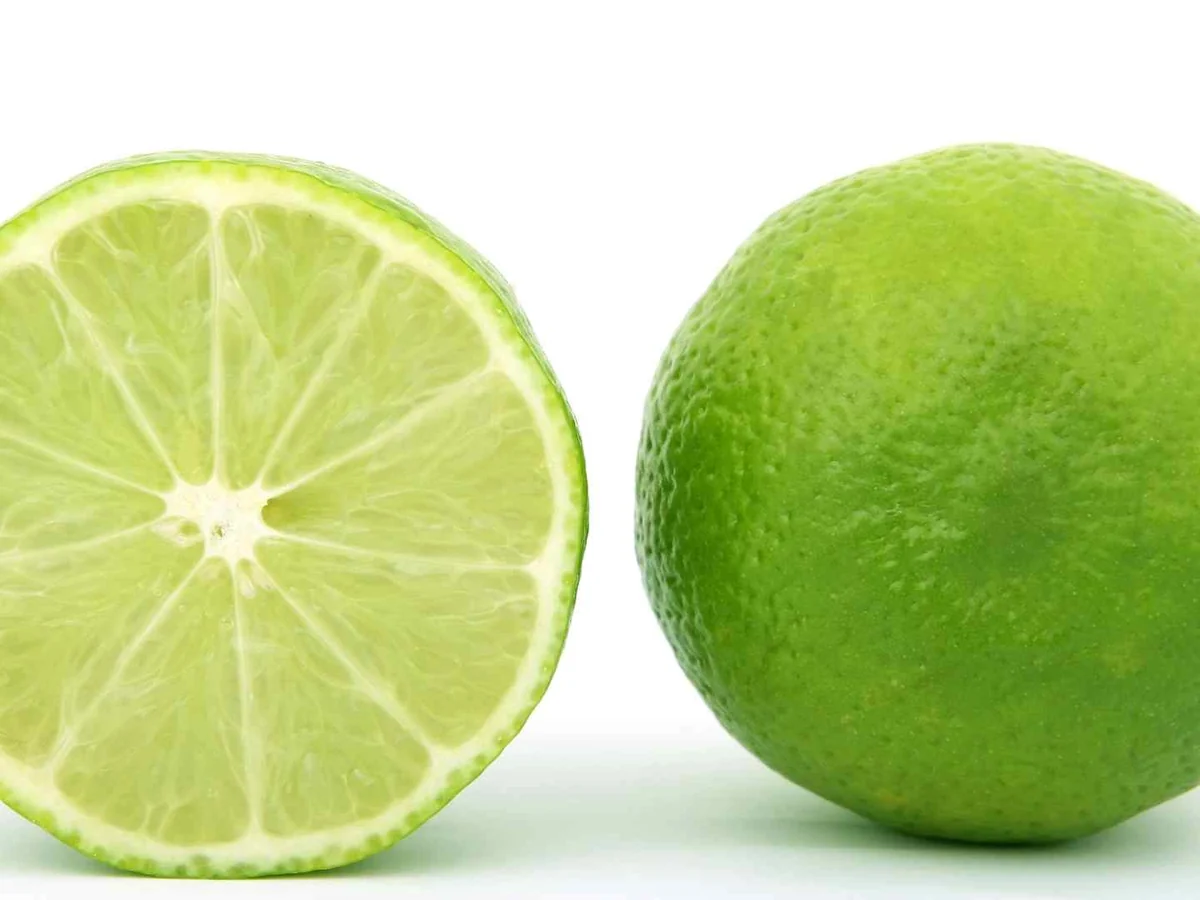
Sugar-free mixers and xylitol
Sugar-free lime drinks can contain several sweeteners. Verify the exact label instead of assuming every low-calorie product uses the same formula.
Xylitol’s severe dog toxicity is established, while comparable feline toxicity has not been demonstrated. FDA says it does not seem as dangerous for cats, not that unknown feline amounts are proven safe.
Do not transfer dog doses. Call with the product and amount when xylitol or an unfamiliar sweetener appears.
Tacos, ceviche, and marinades
Lime often accompanies raw fish, garlic, onion, chile, salt, avocado, fatty meat, skewers, and tortillas. Citrus does not cook raw seafood into a pathogen-free cat food.
The cat sushi guide covers raw fish and packages. Photograph the whole plate.
Do not rinse seasoned meat and serve it afterward. Marinade and microbial hazards remain.
Lime-scented cleaners
Cleaners may contain detergents, solvents, disinfectants, fragrance blends, or oils, not food-grade juice. Save the exact product and Safety Data Sheet.
Move the cat to fresh air if safe and call after licking, inhalation, paw, or eye exposure. Do not induce vomiting after a foaming or caustic product.
Never apply household cleaner directly to fur. Product-specific professional advice prevents a second exposure.
Key limes and kaffir or makrut lime
Key lime differs in size and flavor from common Persian lime, while makrut lime leaves and peel are aromatic cooking ingredients. None establishes a safe feline portion.
Plant identification matters after a garden raid, along with fertilizer, pesticide, ties, and potting mix. Photograph the full plant and label.
Do not let the cat chew leaves as a stomach remedy. Unknown plant material plus symptoms deserves poison guidance.
Caps, wedges, picks, and broken glass
Bar wedges may be attached to picks and bottle necks, while juice bottles use caps, foil, tamper rings, and droppers. Count everything after cleanup.
A missing pick, glass shard, rigid cap, or metal tool is urgent. Do not induce vomiting around a sharp-object possibility.
Blood, gagging, drooling, repeated swallowing, or breathing difficulty requires emergency attention.
After one tiny diluted lick
For a healthy adult with one tiny lick of diluted food-grade juice and no oil, alcohol, cleaner, or risky sweetener, continue normal food and water while watching drooling, vomiting, diarrhea, appetite, and energy.
Call if signs persist, more is missing, or product identity changes. Keep the label and note any first aid already attempted.
Close bottles, clear wedges, and rinse tools before the cat returns. Lime belongs in the human recipe, not the water bowl.
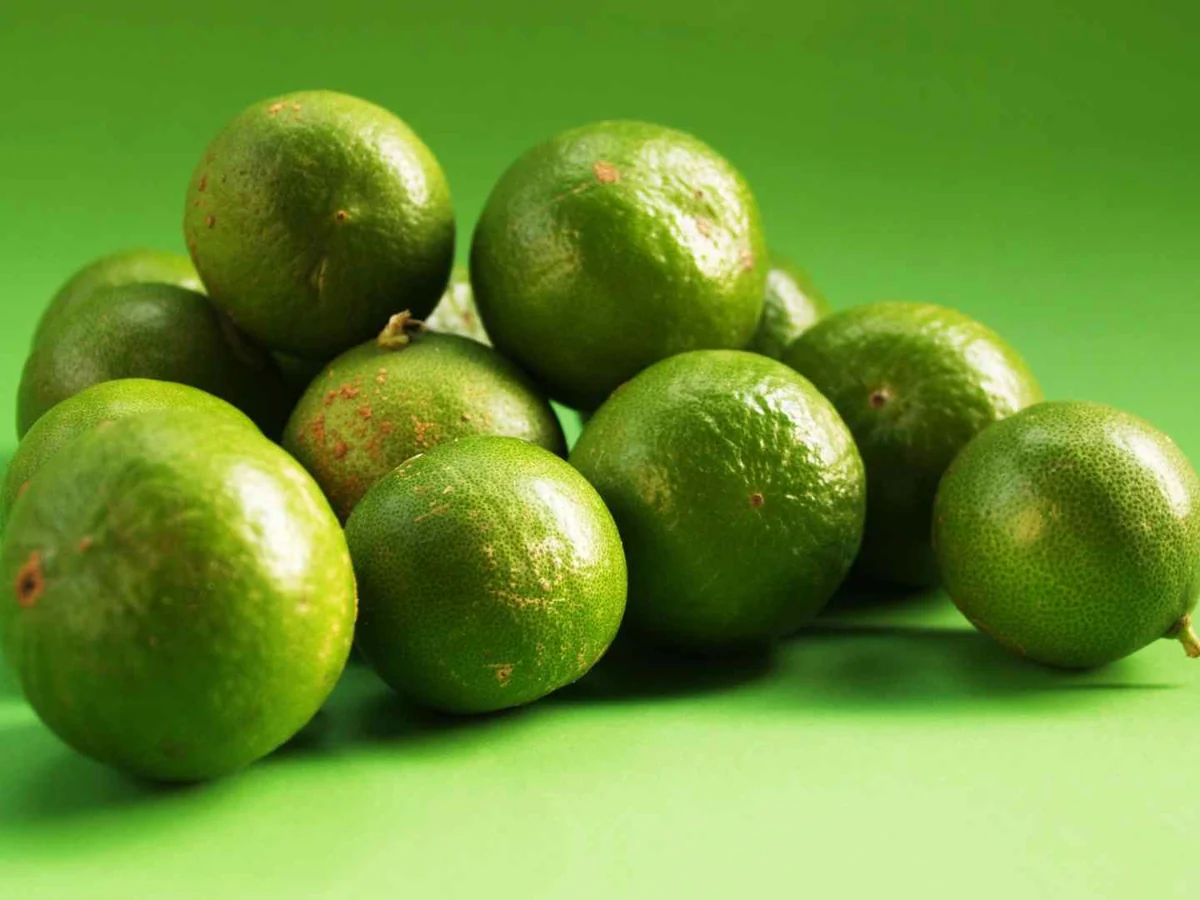
Phototoxicity claims need context
Some citrus compounds can contribute to light-related skin injury under particular exposure conditions, but that does not justify predicting a sunburn from one food droplet. Product, dose, skin contact, and light matter.
Wash or decontaminate only as a veterinarian directs, especially on thinly haired or damaged skin. Keep a contaminated cat away from strong sunlight until advice is clear.
Blistering, redness, swelling, or pain requires examination. Do not apply human sunscreen or burn cream unless approved for cats.
Lime scale remover is not lime fruit
Products called lime remover target mineral deposits and may contain strong acids or other corrosive chemicals unrelated to citrus fruit. The word lime has a completely different meaning there.
Treat contact as a chemical-cleaner exposure, save the container, and call immediately. Do not induce vomiting or neutralize the product with another chemical.
Rinse skin or eyes only according to professional or label emergency instructions. Breathing trouble, oral burns, or collapse is urgent.
Dried lime and seasoning powders
Dried whole limes, black lime powder, citrus salt, and seasoning blends may include concentrated peel, salt, chile, garlic, or onion. Dry material can also become airborne.
Save the spice jar and estimate the amount. Move a coughing cat from dust without brushing more toward the face.
The cat spicy-food guide helps with chile and alliums, while the lime form still needs separate identification.
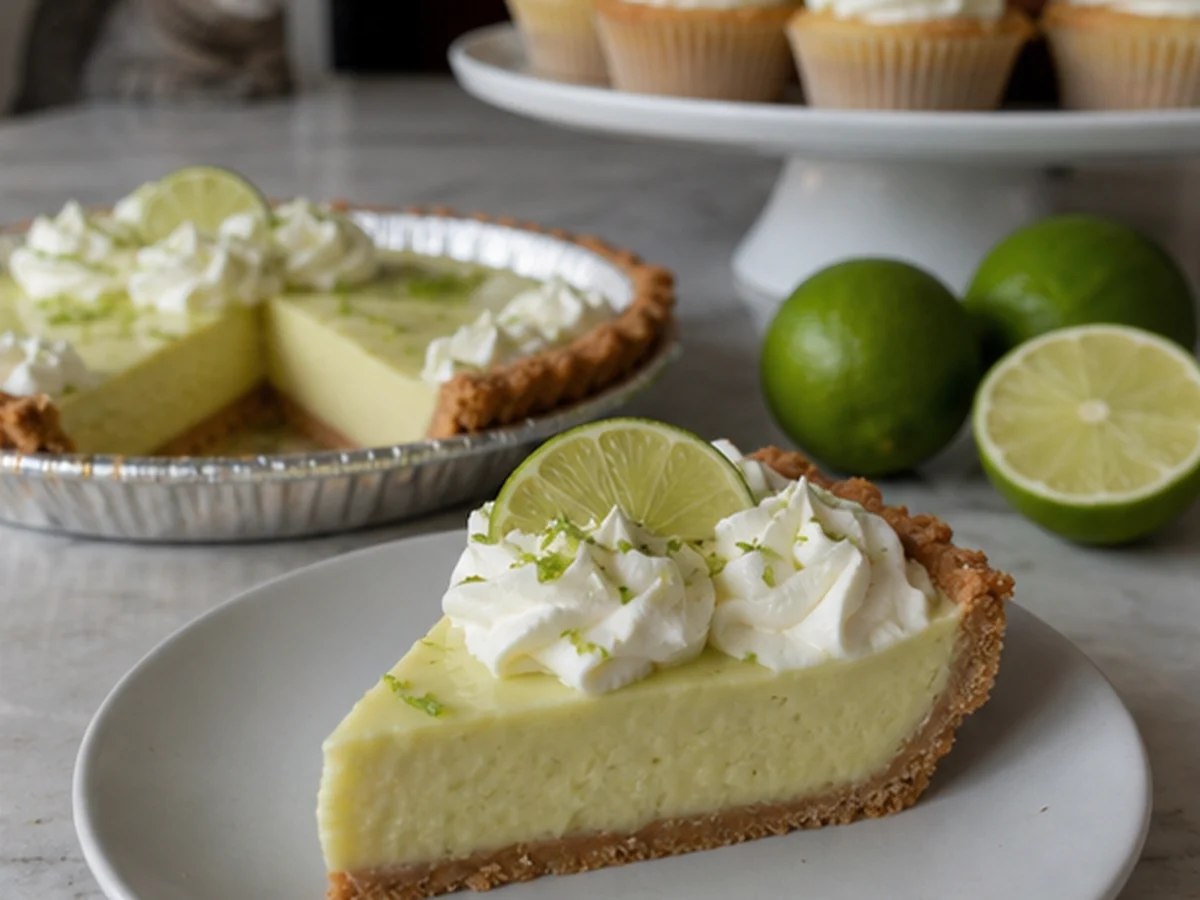
Desserts and key-lime pie
Key-lime pie combines acidic juice with condensed milk, sugar, eggs, butter, crust, and sometimes whipped cream or sweeteners. Raw filling introduces additional food-safety questions.
The cat vanilla-yogurt guide covers lactose and sweeteners in a related dairy context. Preserve the pie recipe and wrapper.
A crumb and a slice raid are different exposures. Call for repeated vomiting, diarrhea, abdominal pain, or missing foil.
Lime juice is sometimes rubbed on cutting boards or mixed into homemade surface sprays. Once soap, bleach, vinegar, disinfectant, or fragrance is added, the exposure must be assessed from the cleaner recipe rather than fruit advice.
Write down household measurements before memory fades and never mix more chemicals to neutralize the spill. Remove the cat from wet surfaces until they are safely cleaned and dry.
Lime wedges discarded into garbage disposals or sink strainers may sit beside bones, string, knives, cleaners, and spoiled food. Block the area and inventory everything disturbed.
Do not reach into a disposal until power is safely disconnected and the cat is elsewhere. A missing utensil piece or string needs urgent veterinary direction.
Repeated tiny deterrent sprays around plants or furniture can create ongoing paw and grooming exposure. Use barriers and behavior strategies that do not depend on citrus irritation.
Keep other pets away from the spill and wash shared bowls if lime product or cleanup liquid reached them. Separate monitoring prevents one normal cat from falsely reassuring the household about another.
FAQ
Can cats lick lime juice?
Do not offer it. A tiny diluted lick may cause irritation, while concentrate or ongoing signs needs veterinary advice.
Is lime peel dangerous to cats?
Peel carries aromatic oils and tough material, so prevent access and call after a meaningful ingestion or coat exposure.
What if lime gets in my cat’s eye?
Prevent rubbing and seek veterinary flushing instructions; do not attempt chemical neutralization.
Can lime juice cook fish safely for cats?
No. Acid changes texture but does not reliably eliminate pathogens from raw seafood.
Bottom line
Lime exposures must be sorted by route and product. Diluted juice, peel, essential oil, concentrate, cocktails, raw dishes, cleaners, eyes, skin, and packaging each deserve a different, careful response.