Can Cats Drink Beer? Alcohol, Hops, Dough, and Container Risks
Cats should not drink beer. Ethanol can depress the brain, breathing, temperature control, and blood sugar, while cans, glass, flavored products, brewing ingredients, and raw dough add separate hazards, so a known beer exposure deserves prompt veterinary triage.
The five details to collect before you call
Find the beer’s name, alcohol by volume, container size, amount remaining, and approximate time of access. Add your cat’s weight, symptoms, diseases, medication, and whether liquid soaked the coat or paws.
Photograph the can, bottle, tap list, or recipe, including flavor descriptions and ingredient panels. Imperial stout, hard root beer, nonalcoholic lager, hop water, and beer cheese may sound adjacent while presenting very different exposures.
Call your veterinarian, emergency hospital, or animal poison service rather than calculating safety from a dog’s weight chart. Exact toxic thresholds are not established for every feline beer scenario, and alcohol content varies dramatically.
When to leave for emergency care
Trouble breathing, collapse, seizures, inability to stand, profound drowsiness, severe tremors, or unresponsiveness requires immediate transport. Keep the carrier warm with a dry blanket, but avoid heating pads or hot bottles against skin.
Less dramatic signs include drooling, vomiting, diarrhea, stumbling, disorientation, weakness, unusual vocalizing, or feeling cold. These are not cute drunken behavior, and a cat should never be left to sleep it off alone.
Alcohol signs may begin quickly because ethanol absorbs readily. The Merck Veterinary Manual describes rapid onset of incoordination, lethargy, breathing difficulty, tremors, hypothermia, coma, and metabolic disturbance after alcohol exposure in animals.
What not to do at home
Do not trigger vomiting, especially if the cat is sleepy, wobbly, or already vomiting. Aspiration of stomach contents can create a second life-threatening problem.
Skip coffee, energy drinks, cold showers, sugar, bread, salt, oil, and activated charcoal unless a clinician directs something precise. Caffeine adds toxicity, forced feeding risks aspiration, and charcoal does not bind simple alcohols effectively.
If beer is on fur, stop grooming and ask how to wash the cat safely. A soaked coat turns one spill into continuing skin and oral exposure until it is removed.
Why body size and alcohol percentage matter
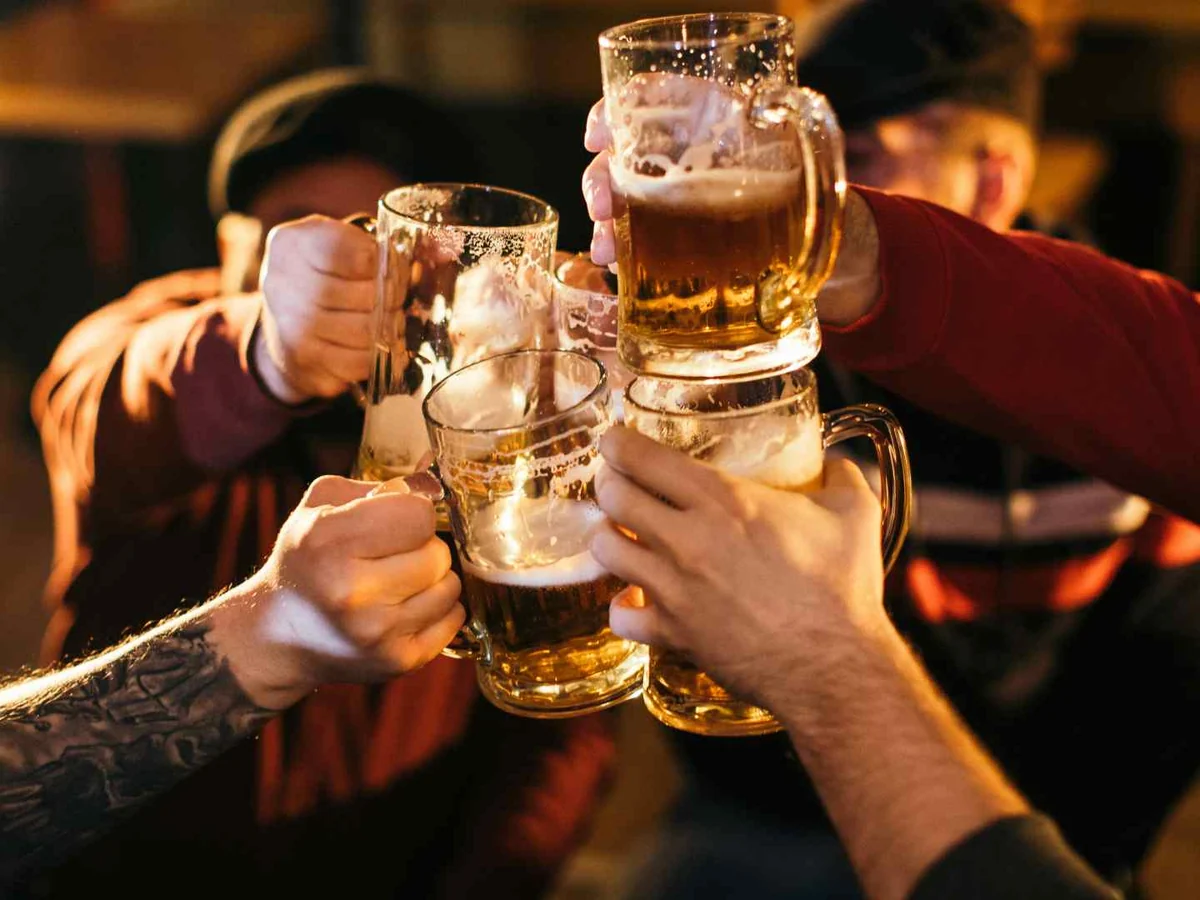
A tablespoon occupies a different fraction of a cat’s body than it does of a person’s. High-gravity beer, barrel-aged stout, malt liquor, and fortified beer cocktails may contain far more ethanol than a standard lager.
Foam is not alcohol-free, and residue in a glass may be concentrated with sweet syrup or cream. Report the plausible maximum consumed rather than dismissing the evidence as just bubbles.
Kittens, very small adults, seniors, underweight cats, and animals with diabetes, liver disease, kidney disease, or neurologic illness may have less physiologic reserve. Medication that causes sedation is also important to disclose.
What do hops mean for cats?
Hops are used for bitterness and aroma, but veterinary literature does not justify copying the well-described canine hops syndrome onto cats. Merck states that reports of hops poisoning have been limited to dogs, which is a crucial species boundary.
That absence of feline case reports is not permission to feed hops, spent hops, pellets, cones, extracts, or hop tea. Concentrated plant material and mixed brewing products still warrant a poison call because feline dose data are sparse.
The Merck supplement toxicology review explicitly notes the dog-only report history for hops. A feline article should preserve that uncertainty rather than converting a canine observation into a universal claim.
Alcohol-free and nonalcoholic beer
Nonalcoholic does not always mean zero ethanol, and labeling rules vary by product and market. Check the stated alcohol content instead of relying on a blue can or a wellness-oriented brand name.
Even a zero-alcohol product can contain hops, carbonation, grain extracts, sodium, flavors, sweeteners, or botanicals. It supplies no benefit that fresh water and a proper cat treat cannot provide more safely.
Hop water, malt beverages, and botanical seltzers need their own label review. If caffeine, THC, essential oils, or supplements appear, tell the veterinarian immediately because the beer question is no longer the main question.
Flavored beer creates a second ingredient list
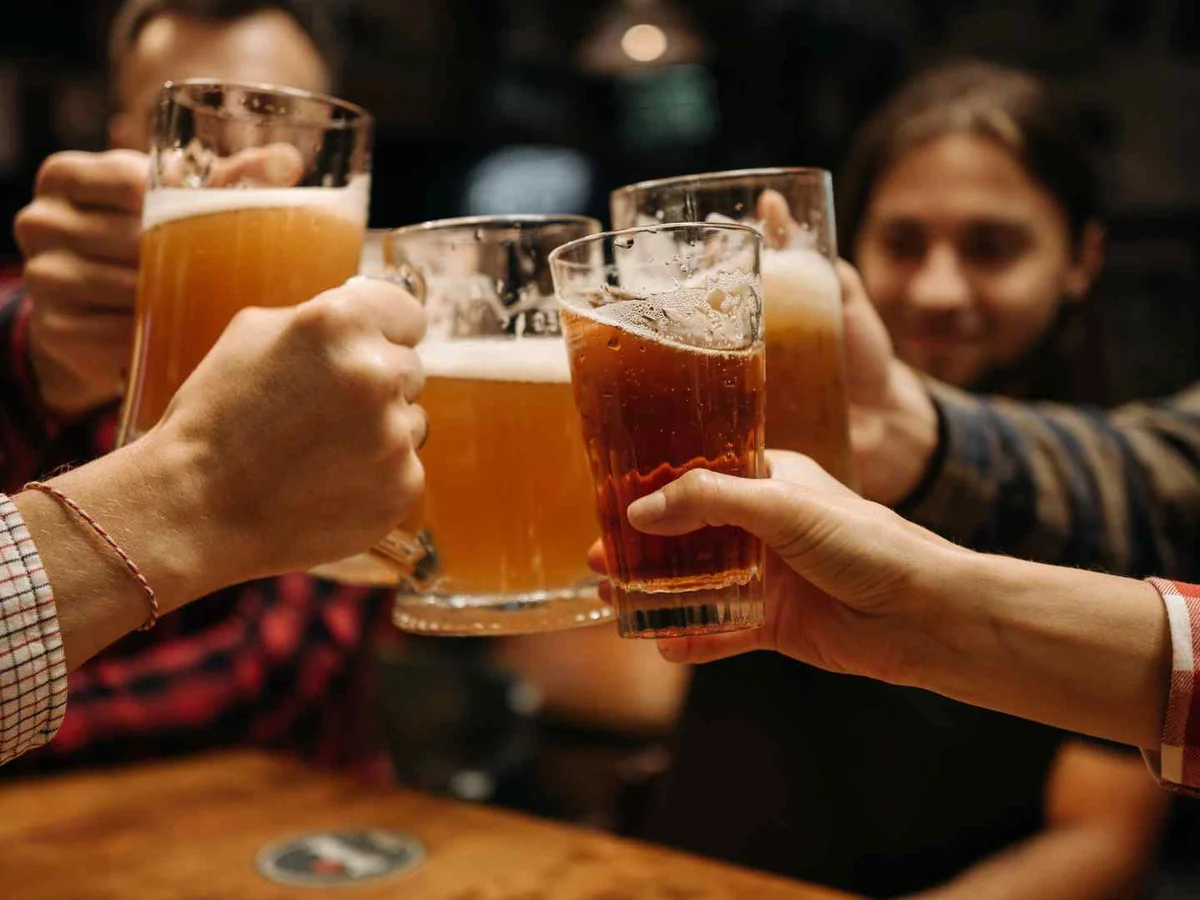
Chocolate stout can add cocoa methylxanthines, coffee porter can add caffeine, and pastry beers may use lactose, fruit, spices, nuts, or artificial flavoring. Hard lemonade adds citrus and often more sugar, while cannabis-infused beverages introduce THC.
Grape ales, raisin stouts, and beers aged with fruit deserve product-specific assessment because feline evidence for Vitis exposure remains limited. Our grapes and cats guide explains that uncertainty without inventing a safe amount.
Cream ales do not necessarily contain cream, while milk stouts commonly use lactose. Names are marketing and style clues, not a dependable substitute for ingredients and alcohol percentage.
Beer in food still counts
Beer cheese, batter, bread, chili, stew, barbecue sauce, and fondue may retain some alcohol depending on recipe and cooking. They can also contain onion, garlic, salt, fat, dairy, chocolate, bones, skewers, or hot oil.
Do not assume cooking instantly removes every drop of ethanol. Heat, time, vessel, stirring, and surface area influence retention, while an uncooked dipping sauce may receive beer at the end.
Our cat pizza guide helps inventory dough, alliums, cheese, and toppings. For a stolen beer-battered item, include frying oil, fish bones, wrappers, and dipping sauce in the history.
Homebrewing raises the stakes
Wort, fermenting beer, trub, yeast slurry, hops pellets, sanitizer, cleaners, tubing, bottle caps, and broken glass all belong behind a closed door. Fermentation can change alcohol concentration over time, making a rough recipe estimate unreliable.
Spent grain is not automatically harmless because it may be mixed with hops, spoiled, moldy, hot, or stored in plastic bags. Brewing sanitizer may be acidic, alkaline, oxidizing, or alcohol-based and requires the exact product safety data.
A fermenter airlock bubbling on a counter is basically a tiny science exhibit designed for a cat inspector. Place the entire setup in a room that truly closes, not behind a symbolic baby gate.
Raw dough is a beer problem without a bottle
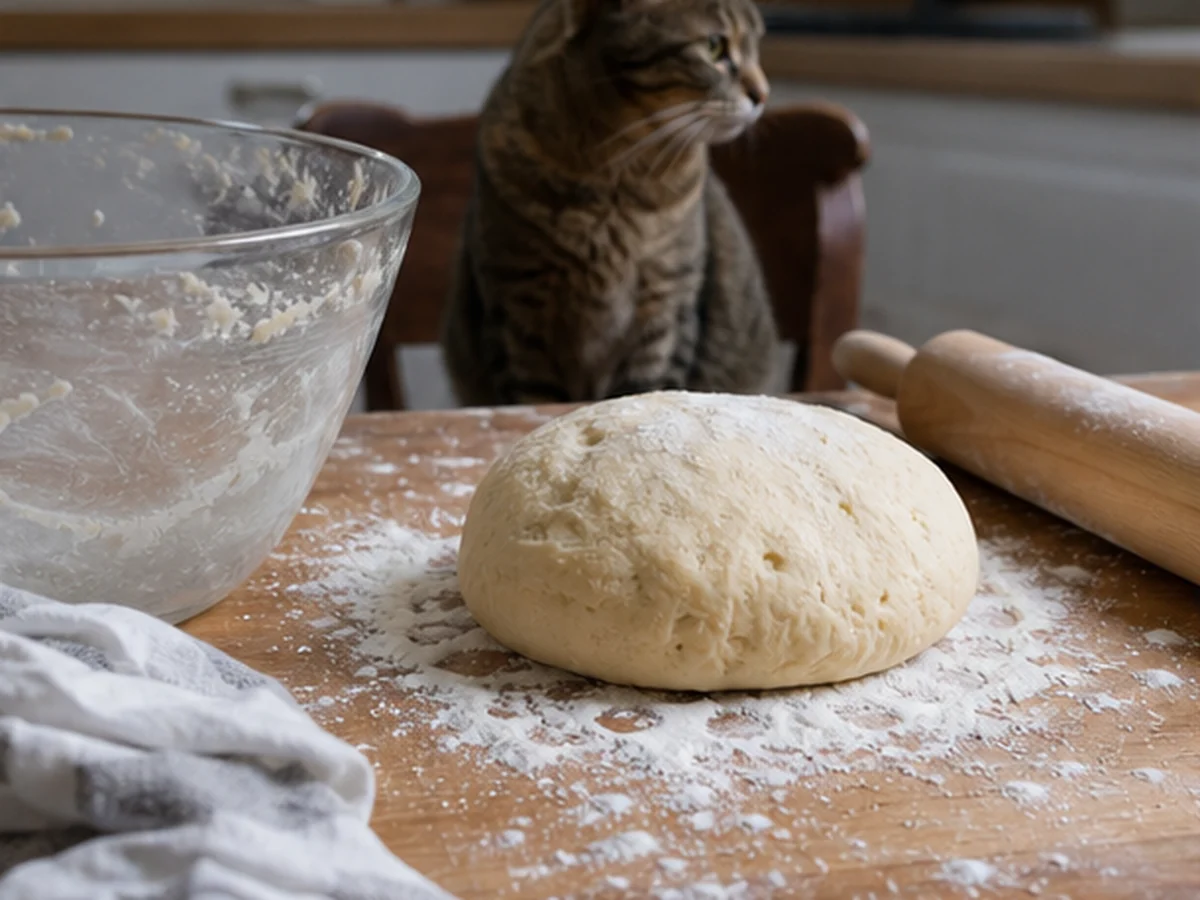
Yeast can ferment sugars inside unbaked dough, producing ethanol and gas while the mass expands. The ASPCA warns that raw yeast dough can cause distention and alcohol toxicosis in pets.
A bite of baked plain bread is different from a swallowed lump of rising dough. After raw dough ingestion, report the recipe, amount missing, proofing time, and symptoms rather than waiting for visible abdominal enlargement.
Raisin bread, garlic dough, salt dough, and chocolate dough add hazards beyond fermentation. Secure the bowl in a switched-off oven or closed cabinet, because a tea towel is not feline access control.
Cans, bottles, rings, and glass
Sharp can openings can cut tongues and paws, while pull tabs, caps, corks, and plastic rings can be swallowed. Broken bottles add laceration risk and make it difficult to know whether blood came from a cut or gastrointestinal injury.
Do not reach blindly beneath furniture for glass around a frightened cat. Confine the animal safely, wear shoes and gloves, clean the area, and seek veterinary examination for any possible mouth or paw wound.
Rinse empty containers and place them in a secured recycling bin. Six-pack rings should be cut before disposal so they cannot trap a pet or wildlife.
How treatment is selected
The clinic may assess temperature, glucose, breathing, heart rate, neurologic function, hydration, and acid-base status. Support can include controlled warming, intravenous fluids, oxygen, glucose, anti-nausea medication, seizure control, or intensive monitoring.
There is no universal home antidote, and the window for useful decontamination is short. The safest contribution an owner can make is accurate identification and rapid transport, not an improvised countermeasure.
The FDA lists alcoholic drinks and foods containing alcohol among pet dangers. That warning applies cleanly to cats without relying on the dog-specific hops syndrome.
Party-proofing for a cat household
Assign one counter for active drinks and make it inaccessible rather than scattering glasses across low tables. Clear spills immediately, close cooler lids, and move drip trays, growlers, flights, and tasting cups before guests leave.
Tell visitors that the cat gets no beer foam or finger dips, however persuasive the performance. Put approved treats in a labeled bowl so everyone can be generous without inventing a pub tradition.
For general alcohol sources beyond beer, see our household alcohol inventory, then obtain cat-specific advice for the actual exposure. Prevention is easier when extracts, sanitizer, cocktails, and dough are recognized as related risks.
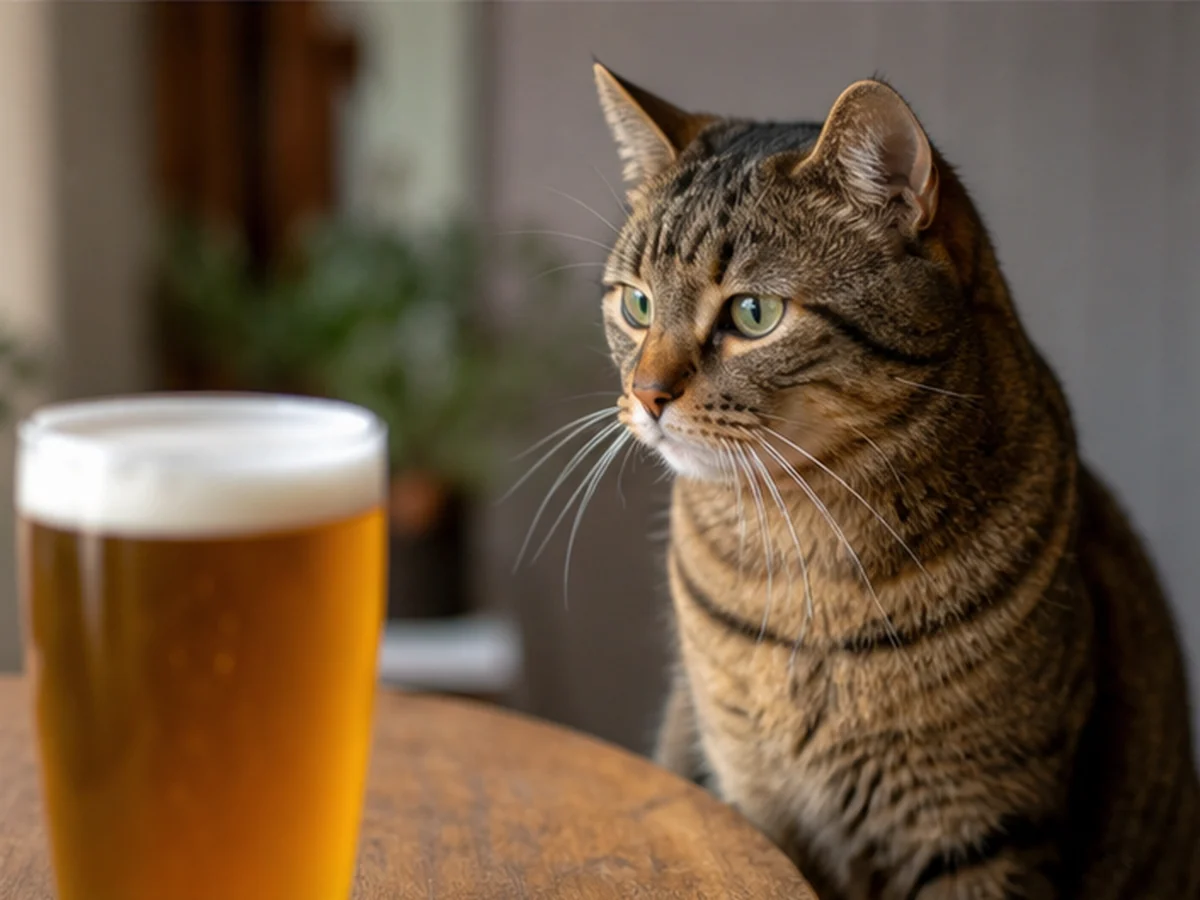
A note about beer smell and feline curiosity
Some cats investigate foam, dairy-based stout, meat cooked with beer, or condensation rather than ethanol itself. Motivation does not change the exposure, but it helps you find the other places your cat is likely to revisit.
Block access first, then clean under coasters, furniture, taps, and recycling where residue collects. A single unnoticed drip can become several grooming-sized tastes throughout the evening.
Frequently asked questions
My cat licked beer foam. What now?
Check alcohol percentage and estimate the lick, then call for guidance if any meaningful amount is possible or the cat is abnormal. Foam still contains beer and can hide flavored ingredients.
Is zero-percent beer okay as a treat?
No benefit justifies serving it, and botanicals, carbonation, sodium, flavoring, or residual alcohol may remain. Offer water and a cat-formulated reward instead.
Are hops proven toxic to cats?
Published veterinary summaries describe reported hops toxicosis in dogs, not other species. That evidence gap calls for cautious prevention and expert triage, not a claim that the dog syndrome is proven in cats.
Bottom line
Beer is not a feline treat, regardless of style, foam, or clever can art. Collect the alcohol percentage and amount, prevent coat grooming, avoid home decontamination, and get veterinary help promptly while treating hops claims with species-specific accuracy.