Can Cats Have Vanilla? Extract, Bean, Baking, and Fragrance Risks
Vanilla is not a useful cat treat, and the product form determines whether an accident is trivial or urgent. A crumb flavored with baked vanilla is different from alcoholic extract, concentrated paste, a whole bean, fragrance oil, a candle, or a sweet dessert with chocolate and sugar substitutes.
Put the vanilla product on the table
The word appears on extract bottles, imitation flavor, bean paste, pods, powder, syrup, yogurt, frosting, protein shakes, perfume, lotion, candles, and diffusers. Find the exact item and inspect the label rather than searching from its scent alone.
Note how much is missing, whether the cat drank liquid or walked through it, and whether glass, a cap, dropper, pod, wrapper, or wick was chewed. Product and packaging deserve separate lines in your incident notes.
A form-by-form vanilla map
| Form | Primary issue |
| Baked vanilla in one crumb | Whole recipe and portion |
| Vanilla extract | Alcohol concentration and amount |
| Imitation vanilla | Carrier, alcohol, and other ingredients |
| Bean or pod | Fibrous foreign material |
| Syrup or sweetened paste | Sugar, sweeteners, alcohol, additives |
| Fragrance or essential oil blend | Concentrated dermal, oral, and inhalation exposure |
Pure extract earns special attention because of alcohol
Standard vanilla extract is an alcohol-based flavoring, not vanilla-flavored water. The U.S. identity standard requires vanilla extract to contain at least 35 percent ethyl alcohol by volume, as shown in the federal vanilla-extract regulation.
That concentration makes a mouthful or unknown spill worth prompt veterinary or animal-poison advice, particularly for a kitten or small cat. A drop baked through a whole cake is not equivalent to drinking from the bottle.

Alcohol signs can develop quickly
Ethanol can cause vomiting, disorientation, weakness, poor coordination, low body temperature, slow breathing, tremors, coma, and dangerous metabolic changes. Do not wait for a cat to become deeply sleepy after swallowing extract.
The Merck Veterinary Manual alcohol review describes rapid absorption and potentially severe central nervous system effects in animals. Call with the bottle’s percentage, maximum amount, time, cat’s weight, and current behavior.
Do not make the cat vomit
Hydrogen peroxide is not a safe at-home emetic for cats, and salt can cause its own life-threatening toxicosis. A drowsy or poorly coordinated animal also has an increased risk of inhaling vomit.
Keep the cat warm, quiet, and away from stairs while arranging care, but do not force food, water, coffee, or charcoal. Treatment decisions depend on signs and timing and belong with a veterinary professional.
Imitation vanilla is not automatically alcohol-free
Imitation flavor can contain water, alcohol, propylene glycol or another carrier, vanillin, coloring, preservatives, and sweeteners. Some alcohol-free products use glycerin, but the words “imitation” or “clear” do not answer that question.
Read the ingredients and percentage statement, then report the actual brand. Treating every brown bottle as identical invites both needless panic and unsafe reassurance.
Bean paste and powder concentrate different features
Vanilla paste may combine extract, sugar or syrup, thickener, and ground bean, while powder may contain dried vanilla, sugar, starch, or flavoring. A multi-ingredient product should be judged by the full recipe and amount.
Sticky paste can coat paws and drive repeated grooming, and loose powder can irritate eyes or airways. Prevent more licking and ask a clinic about cleaning when a cat is heavily covered.
A pod is more rope than flavor to a cat
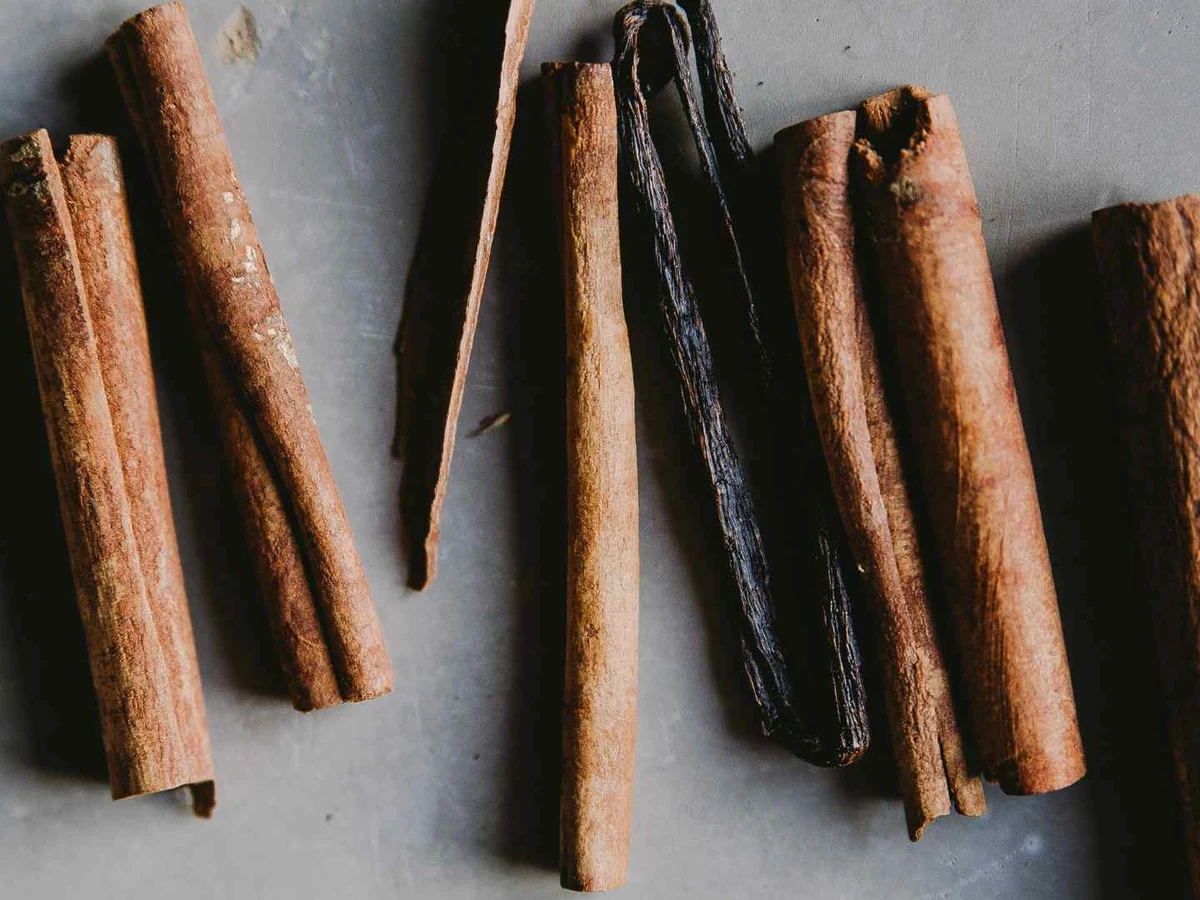
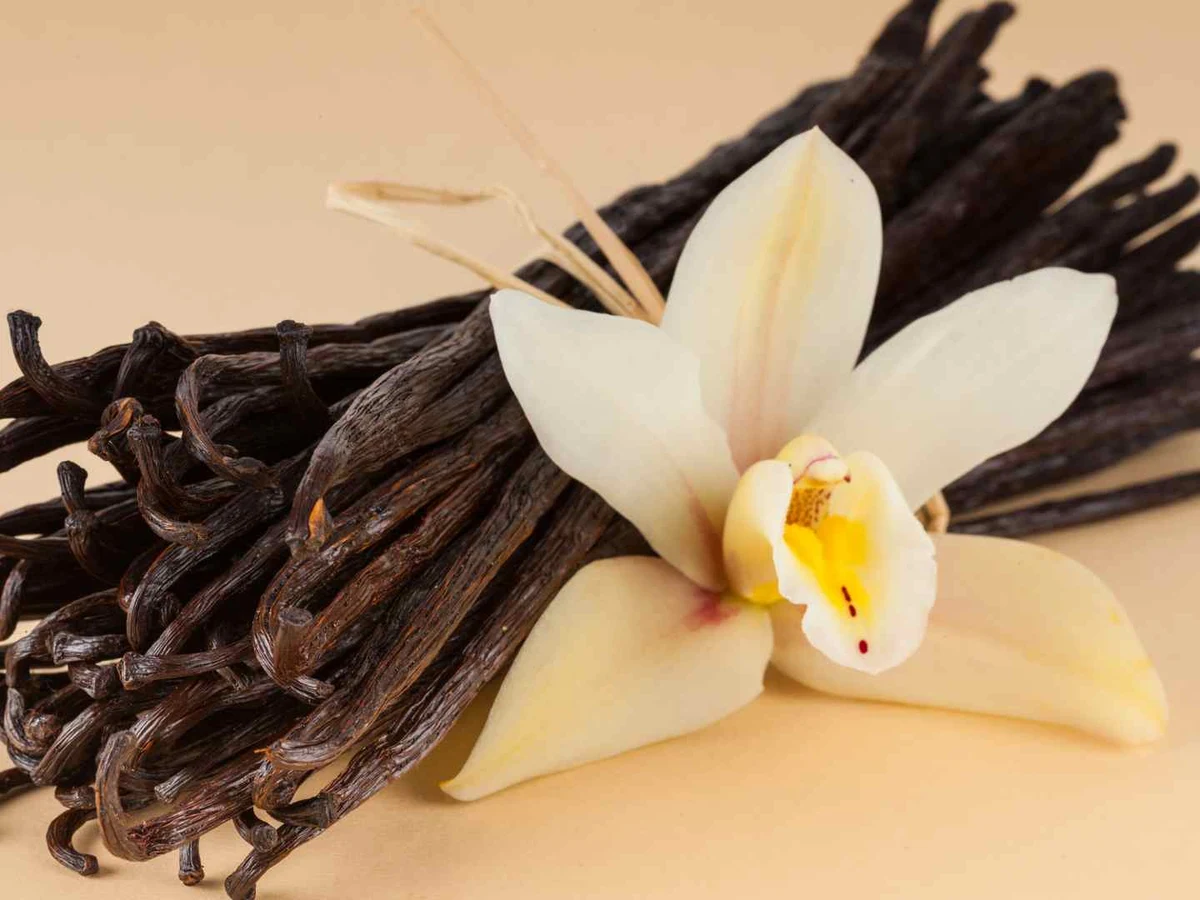
Whole vanilla beans are long, fibrous, and flexible enough to be swallowed in a strand. The concern is choking or gastrointestinal foreign material rather than proving that vanillin itself poisoned the cat.
Do not pull on a pod or string protruding from the mouth or anus, because linear material can be anchored internally and cause damage. Call promptly for a missing bean, repeated retching, vomiting, abdominal pain, reduced appetite, or straining.
Vanilla desserts must reveal the rest of the recipe
Cake, cookies, ice cream, pudding, frosting, and custard may contain dairy, eggs, sugar, fat, chocolate, coffee, raisins, nuts, alcohol, or sweetener blends. Vanilla is often the least concerning word on the label.
Our ice cream guide helps separate dairy, fat, chocolate, and sweeteners, while the chocolate guide covers a genuinely toxic addition. Keep wrappers, sticks, and cupcake liners in the calculation.
Vanilla yogurt is still yogurt
Flavored yogurt may contain added sugar, fruit preparation, gums, artificial sweetener, and more lactose than a cat handles comfortably. The vanilla flavor does not make the dairy more species-appropriate.
Use our live yogurt article to assess the base product. A tiny lick and an emptied individual cup remain different amounts, and the foil lid can become a swallowed object.
Protein drinks and nutrition shakes raise a new label
Vanilla protein powder or shakes can include caffeine, cocoa, vitamins, minerals, herbs, artificial sweeteners, dairy, and concentrated protein. A human serving can be large relative to a cat and is not a balanced feline meal.
Photograph the supplement facts and ingredient panels and call for an unknown or meaningful amount. Do not rely on the flavor name to identify the active or highest-risk ingredient.
Vanilla syrup may share a coffee counter
Coffeehouse syrup is usually sugar-heavy, while sugar-free versions use one or more alternative sweeteners. Spilled drinks may also contain caffeine, chocolate, alcohol, dairy, and hot liquid.
A lick from an empty syrup pump tray differs from a mug of vanilla latte. Identify every component and contact a veterinarian urgently for caffeine exposure or neurologic and cardiovascular signs.
Fragrance is not food-grade flavor
Perfume, room spray, reed diffuser liquid, fragrance oil, candle scent, and wax melt can contain solvents and concentrated aromatic ingredients never intended for ingestion. Cats also encounter these by inhalation and through fur or skin.
Move the cat to clean air if it is safe, prevent grooming after a spill, and call for product-specific decontamination advice. Do not apply another oil or solvent, and never induce vomiting after fragrance liquid.
Candles add flame, wax, wick, and glass
A vanilla candle incident may involve a thermal burn, hot wax, soot, fragrance, a swallowed wick, or broken holder. Extinguish the flame safely, separate the cat from debris, and do not peel hardened wax from injured skin without advice.
Eye exposure, breathing difficulty, facial burns, blistering, severe pain, or large-area burns needs urgent care. A missing wick or long string deserves a foreign-body call even if the cat never licked melted wax.
Topical products become oral products during grooming
Vanilla lotion, lip balm, hair serum, or massage oil may include essential oils, medications, preservatives, and other fragrances. Once it is on fur, a cat can repeatedly swallow it while attempting to clean.
Bring the full cosmetic container to the phone and describe where it landed. Use only veterinary-recommended cleaning, because harsh detergent or solvent can worsen skin injury and stress.
There is no nutritional reason to add vanilla
Vanilla does not supply a missing feline nutrient or make an incomplete homemade diet complete. The FDA’s complete and balanced pet-food guidance is the relevant standard for a cat’s main meals.
If aroma helps a sick cat approach food, use a veterinary plan rather than repeatedly sweetening or flavoring human foods. Cornell notes in its feeding guide that a cat refusing food and losing weight should be examined.
Vanilla-flavored medicines need their active ingredient first
A compounded veterinary liquid may use vanilla flavor to improve acceptance, but its safety comes from the prescribed drug, concentration, dose, and patient instructions rather than the flavor word. If the bottle spills or the wrong cat drinks it, call the prescribing clinic immediately with the medication name and strength.
Human cough syrup, antacid, sleep aid, or children’s medicine can also carry vanilla flavor while containing active drugs, alcohol, or sweeteners. Never give one to a cat unless a veterinarian explicitly prescribed that exact formulation and amount.
After a tiny baked-food crumb
- Take away the dessert and packaging.
- Check the recipe for chocolate, coffee, raisins, alcohol, nuts, and sweeteners.
- Estimate how much the cat actually swallowed.
- Leave normal water and complete cat food available.
- Monitor as advised for vomiting, diarrhea, appetite, energy, coordination, and breathing.
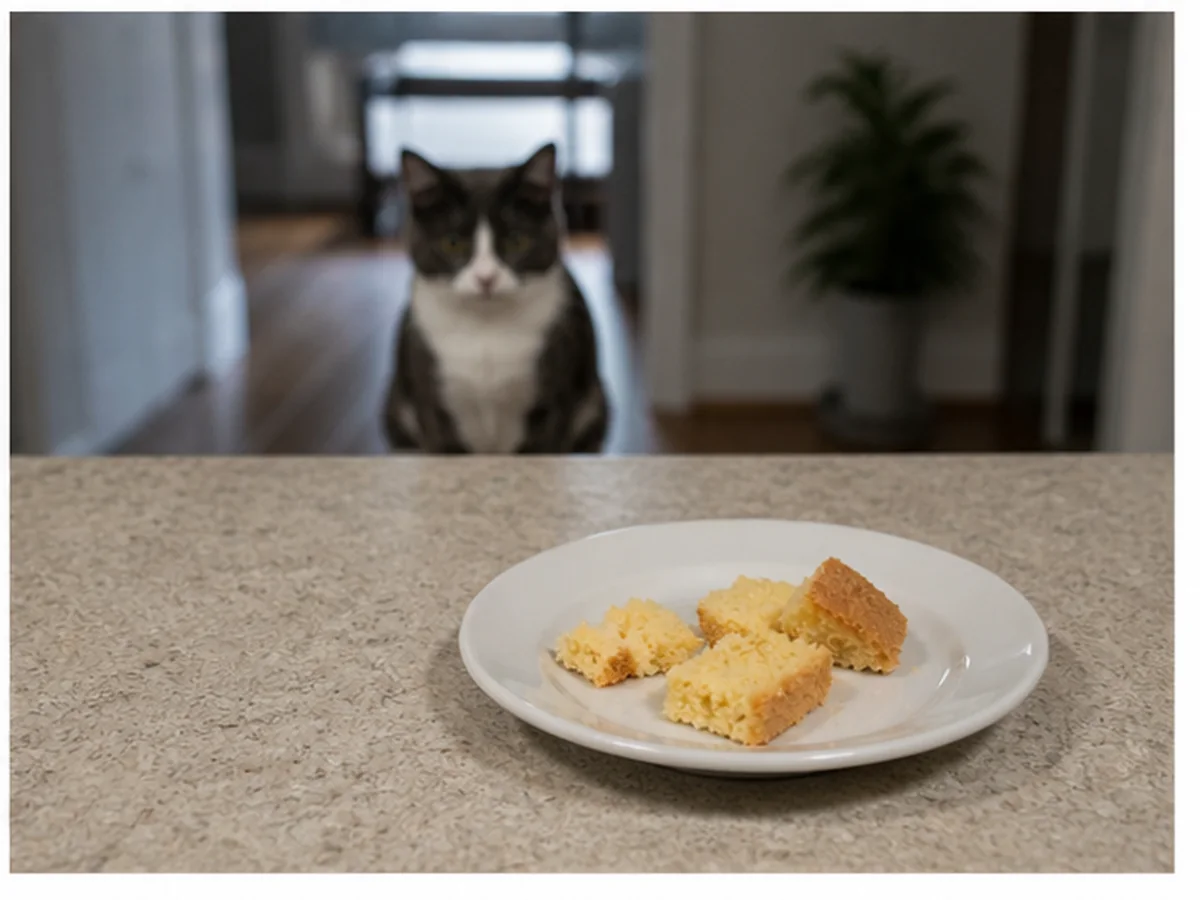
A crumb containing a small baked amount of flavor often needs no special treatment when the rest of the recipe is ordinary. That conclusion changes if the cat reached raw batter, extract, a concerning mix-in, or a wrapper.
Frequently asked questions
Can cats have vanilla extract?
Do not offer it because standard extract contains substantial alcohol. Call promptly after more than a trace lick, an unknown amount, or any abnormal behavior.
Is baked vanilla safe for cats?
A tiny crumb with ordinary baked-in flavor is usually lower concern than extract, but evaluate the whole recipe. Chocolate, raisins, coffee, alcohol, sweeteners, and wrappers can control the response.
Can cats eat vanilla ice cream?
It is not recommended because dairy, sugar, fat, and flavor additions offer little value and may upset digestion. Check the exact product if a cat steals some.
What if my cat chewed a vanilla bean?
Call if any long or sizable piece is missing because the fibrous pod can behave as foreign material. Do not pull a strand protruding from the cat.
Is vanilla fragrance safe around cats?
A pleasant name does not establish inhalation, skin, or ingestion safety. Use the exact formulation, ventilation, route, and symptoms to guide veterinary or poison-service advice.
Bottom line
A baked trace, alcoholic extract, fibrous pod, sugary syrup, supplement, and fragrance product deserve six different answers. Keep vanilla products secured, read the whole recipe, take alcohol and foreign material seriously, and avoid turning flavor into a homemade feline treatment.