Cat Ate Chocolate? Types, Symptoms, and What to Do Now
Chocolate is not safe for cats. Cocoa contains theobromine and caffeine, compounds that can affect the heart, nervous system, and digestive tract, so call a veterinarian or animal poison service promptly after a known or possible exposure instead of waiting for symptoms.
What to do right now
Remove the chocolate, keep your cat indoors and calm, and save the wrapper or recipe. Call your veterinarian, an emergency veterinary hospital, or an animal poison control service with your cat’s weight, the product, cocoa percentage, estimated amount, time eaten, and current symptoms.
Do not induce vomiting or give hydrogen peroxide, salt, oil, milk, activated charcoal, or food unless a veterinary professional directs you. Cats need different decontamination methods than dogs, and improvised treatment can cause aspiration, poisoning, or delays.
Go to emergency care immediately for tremors, seizures, collapse, severe agitation, trouble breathing, marked weakness, or a very fast or irregular heartbeat. Bring the package and any medication list with you.
Why chocolate can poison cats
Theobromine and caffeine are methylxanthines that stimulate the central nervous system, increase heart activity, and promote urination. ASPCA Animal Poison Control notes that cats are sensitive to theobromine too, although reported chocolate emergencies are more common in dogs because cats are less likely to raid sweets.
The Merck Veterinary Manual’s chocolate toxicosis review describes potentially life-threatening abnormal heart rhythms and nervous-system effects. It also notes that concentrations vary by cocoa bean, chocolate type, brand, and formulation, which is why a precise label matters.
There is no useful one-square rule for cats. The same-looking square can be milk chocolate, 85-percent dark chocolate, sugar-free baking chocolate, or a filled candy with a completely different risk profile.

Which chocolate is most dangerous?
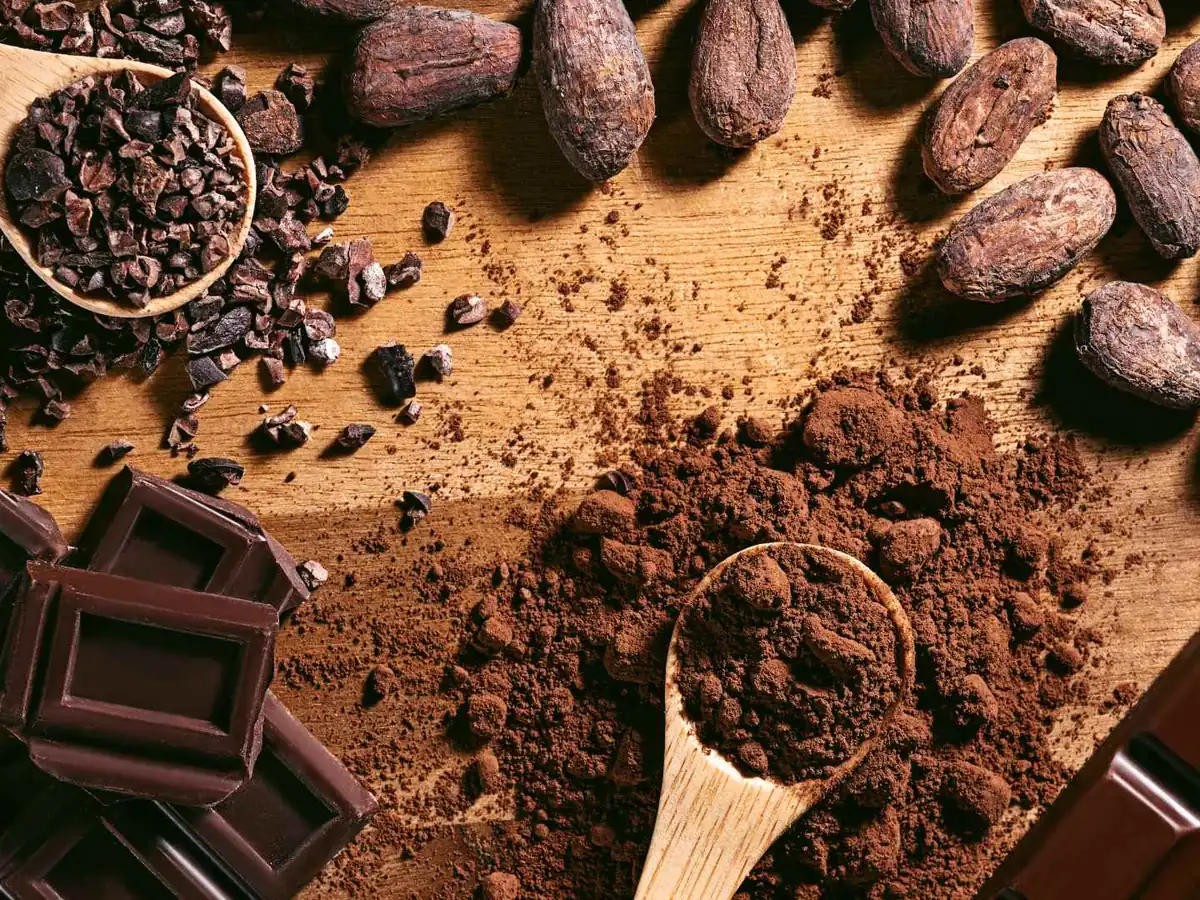
Cocoa powder and cacao powder: These are highly concentrated and disperse easily across paws, fur, batter, and counters. Treat any meaningful lick or spill as a prompt call, especially when the amount cannot be measured.
Unsweetened baking chocolate: It contains much more methylxanthine than milk chocolate. A small missing corner deserves urgent professional calculation, not reassurance based on the piece’s physical size.
Dark and semisweet chocolate: Higher cocoa percentage usually means greater methylxanthine concentration. Save the bar’s percentage and net weight so the clinician can estimate the maximum exposure.
Milk chocolate: It is less concentrated than dark or baking chocolate but is not safe. Fat, sugar, fillings, and the amount eaten still matter.
White chocolate: It contains negligible methylxanthines compared with cocoa-rich chocolate, but it can still cause gastrointestinal upset because it is fatty and sugary. Mixed products may contain cocoa crumbs, coffee, raisins, macadamias, alcohol, or wrappers that change the assessment.
Symptoms of chocolate toxicosis
Early signs may include vomiting, diarrhea, increased thirst, restlessness, or frequent urination. These can progress to hyperactivity, poor coordination, tremors, fever, rapid breathing, a fast or irregular heartbeat, seizures, or coma.
Signs may not appear immediately, and a symptom-free interval does not make the exposure harmless. Early professional advice gives the veterinary team more options than a late call after the cat is shaking.
The FDA’s holiday pet safety guidance warns that chocolate is dangerous to dogs and cats and identifies unsweetened or baking chocolate as especially hazardous because of its concentration. The calendar does not matter, of course; a Tuesday brownie is every bit as biochemical as a holiday brownie.
How much chocolate is toxic to a cat?
The honest answer requires a case-specific calculation using the cat’s weight, product type, amount, and known or estimated methylxanthine concentration. Individual susceptibility, health history, and uncertainty around the missing amount also affect the plan.
Online dog calculators should not be used to clear a feline exposure. A cat is not a small dog, and some products have extra ingredients or variable cocoa content that a generic calculator cannot interpret.
Cocoa percentages on a wrapper describe cocoa-derived ingredients but do not reveal the exact theobromine and caffeine dose. Keep the package so a veterinary professional can interpret the actual product.
If the amount is unknown, report the largest plausible amount rather than the amount you hope was eaten. Count remaining pieces, weigh the package if practical, check crumbs and vomit, and tell the clinician exactly how you reached the estimate.
Brownies, cakes, cookies, and frosting
Baked goods make the calculation harder because cocoa may be spread through an entire pan and serving sizes are uncertain. Bring the recipe, box mix, bakery label, or a photo of the ingredient list.
Chocolate desserts may also contain coffee or espresso, which adds caffeine, plus alcohol, raisins, nuts, salt, or high-fat frosting. Raw batter can bring uncooked flour, eggs, and packaging into the incident.
A lick of a clean plate is not equivalent to eating a brownie, but both should be described accurately rather than called just chocolate. Our guide to butter and cats explains why the fat and wrapper in desserts can remain relevant even when methylxanthine exposure is low.
Chocolate candy and mixed hazards
Filled candies may contain coffee, alcohol, raisins, macadamia nuts, mint oil, caramel, or sharp nut fragments. Sugar-free chocolate needs a complete label review, although xylitol’s well-established severe risk is primarily described in dogs rather than cats.
Foil, plastic film, paper cups, lollipop sticks, and candy bags can choke or obstruct. Tell the clinic if packaging is missing because the chocolate calculation does not address a foreign object.
Our caramel guide shows how wrappers, chocolate coatings, and sugar-free formulations create separate questions. Use it for label prompts only, not to infer a safe amount for a cat.
Cocoa mulch, cacao nibs, and drink powders
Cacao nibs, baking cocoa, hot cocoa mix, chocolate protein powder, and meal-replacement shakes vary widely. Powders can stick to paws and be swallowed during grooming, so prevent access and mention both inhalation and skin contamination when you call.
Hot cocoa mixes may contain less cocoa per spoonful than baking powder but add sugar, milk powder, coffee, sweeteners, or marshmallows. The exact tub or packet is more useful than the general product name.
Cocoa bean hull mulch contains methylxanthines and should not be used where pets can reach it. Cats may be less likely than dogs to eat mulch, but curiosity, pica, and residue on paws make prevention the sensible policy.

Chocolate-flavored pet products
Some pet treats use carob, a different ingredient that does not carry chocolate’s methylxanthine profile. Confirm the package says carob and is specifically formulated for cats before offering it, because brown color and a dessert name prove nothing.
Do not give human carob candy automatically because it may contain sugar, dairy, nuts, flavorings, or chocolate itself. A pet-safe label also does not mean unlimited calories.
If a product is ambiguously labeled chocolate flavor, contact the manufacturer or avoid it. Cats do not need a dessert impersonation to have a rewarding snack.
What treatment may involve
Veterinary treatment depends on timing, dose, symptoms, and the cat’s condition. The team may consider supervised decontamination, intravenous fluids, heart monitoring, temperature management, and medications for vomiting, agitation, tremors, seizures, or abnormal rhythms.
Do not copy a treatment described for a dog or another cat because emetic drugs, charcoal decisions, and supportive care have real risks. Chocolate compounds can be recirculated in the body, so severe cases may require prolonged monitoring.
Prompt calls are useful even when the final recommendation is home observation. A professional can document the product and exposure, explain a symptom window, and tell you exactly when the plan should change.
Cats who need extra caution
Kittens and small cats receive a larger dose per pound from the same bite. Seniors and cats with heart disease, seizures, kidney disease, dehydration, or other illness may have less reserve if stimulant effects or vomiting occur.
Medication can matter, especially drugs affecting heart rhythm, blood pressure, or the nervous system. Give the veterinary team a complete list, including supplements and topical products.
A cat who repeatedly seeks sweets or nonfood items deserves a veterinary discussion. Pica, hunger, stress, or medical conditions may be involved, and moving the candy bowl is prevention rather than diagnosis.
Preventing chocolate exposure
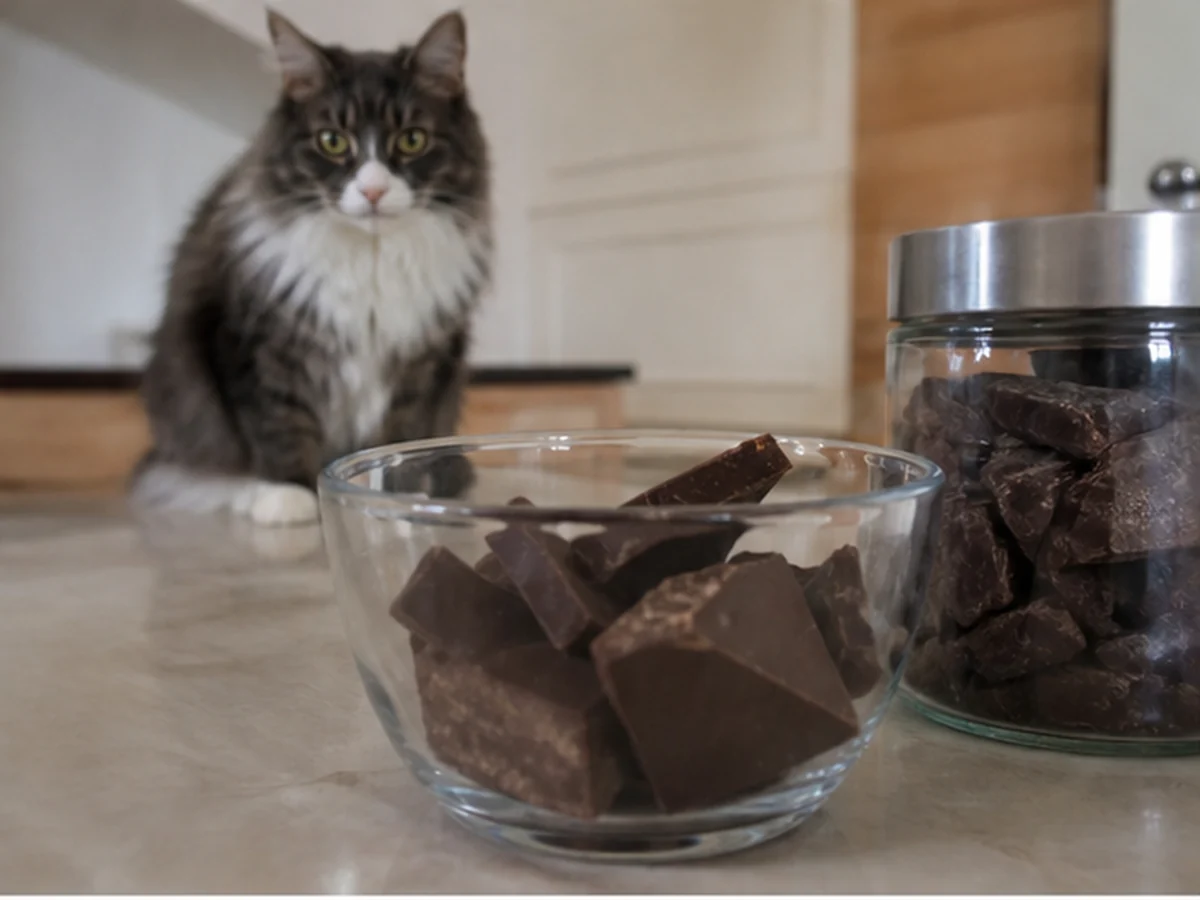
Store bars, cocoa, baking chips, drink powder, and supplements in closed cabinets, not on top of the refrigerator where an athletic cat may consider them a challenge. Secure trash, compost, purses, gift bags, advent calendars, and children’s treat buckets.
Clean cocoa dust and batter promptly, including the mixer, spoon, floor, and paw-level cabinet edge. Keep cooling baked goods in a closed room or covered container rather than relying on a cat’s historical lack of interest.
Ask guests not to share food and show them the cat’s approved treats. For another high-risk pantry comparison, our cat grape guide uses the same identify, remove, estimate, and call approach when evidence or dose is uncertain.
Frequently asked questions
My cat licked chocolate frosting. Is that an emergency?
Call with the recipe or label, amount, and cat’s weight because frosting cocoa concentration varies. A trace lick may be assessed differently from several mouthfuls, but only accurate details make that distinction possible.
Is white chocolate safe for cats?
It contains very little methylxanthine but remains fatty, sugary, and unnecessary. Mixed ingredients and swallowed wrappers can still require veterinary advice.
Can cats drink chocolate milk?
No, because it combines cocoa with sugar and dairy that many cats digest poorly. If a meaningful amount was consumed, save the container and call for product-specific guidance.
Bottom line
Chocolate is unsafe for cats, with cocoa powder, baking chocolate, and high-cocoa dark products presenting the greatest concentration concerns. Remove access, save the packaging, avoid home decontamination, and call promptly so a veterinary professional can assess the real product, amount, timing, and cat.