Can Cats Eat Cotton Candy? Sugar, Sweeteners, Sticks, and Bags
Can cats eat cotton candy? Learn why sugar, sweeteners, coloring, sticky fibers, paper cones, sticks, bags, and mixed fair foods make it a poor cat treat.

Can cats eat cotton candy? Learn why sugar, sweeteners, coloring, sticky fibers, paper cones, sticks, bags, and mixed fair foods make it a poor cat treat.

Can cats eat eggshells? Learn what a stolen fragment means, why raw contamination and sharp pieces matter, and why DIY calcium dosing is risky.
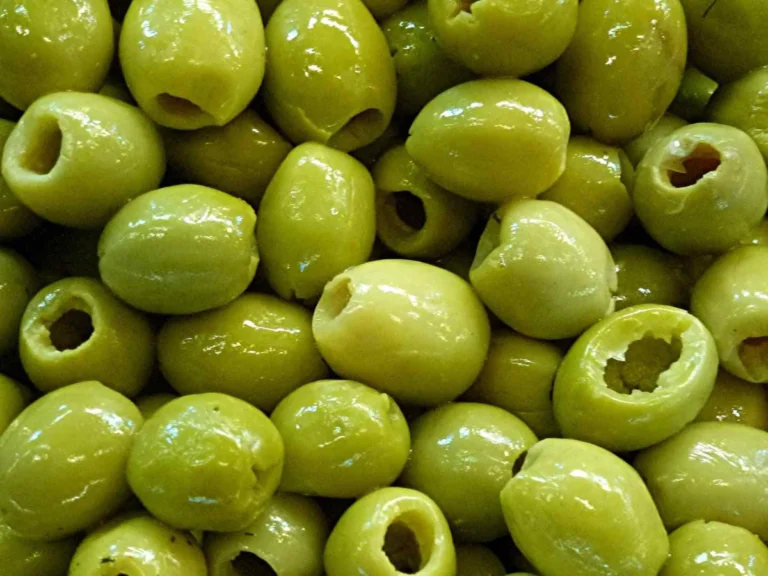
A tiny plain pit-free green olive taste may be low risk, but brine, sodium, pits, garlic, stuffings, cocktails, jars, and portions make olives poor cat treats.

Can cats eat ground turkey? Learn why it must reach 165°F, how raw poultry and H5N1 matter, and what to know about fat, seasonings, sausage, and balance.

Do not feed green grapes to cats. Canine kidney toxicity is established, but feline evidence and a safe cat dose are not. Learn proportionate next steps.

A small fresh dill nibble is usually low risk, but cats do not need the herb. Learn about dried dill, pickles, brine, oils, garden products, and symptoms.

Can cats eat flour? Learn how a tiny taste differs from inhaled powder, raw batter, rising dough, baked food, unsafe ingredients, and missing bags.

Can cats eat green peppers? Compare mild bell pepper with hot chiles, stems, seeds, leaves, cooked dishes, spice oils, choking risks, and safe prep.

Can cats eat goat cheese? Learn how lactose, fat, sodium, raw milk, mold, and flavored logs affect risk, plus when to call a vet.

Can cats eat granola? Learn how raisins, chocolate, nuts, sweeteners, hard clusters, flavorings, and wrappers change the risk.