Can Cats Eat Ground Turkey? Cooking, H5N1, Fat, and Seasonings
A healthy adult cat can usually taste a pea-sized crumble of plain ground turkey cooked to 165°F, drained, and cooled. Raw or undercooked poultry, current H5N1 concerns, high-fat blends, skin, onion, garlic, sausage seasoning, spoiled leftovers, packaging, and feeding turkey as the whole diet require firmer boundaries.
The turkey package has one job before it opens
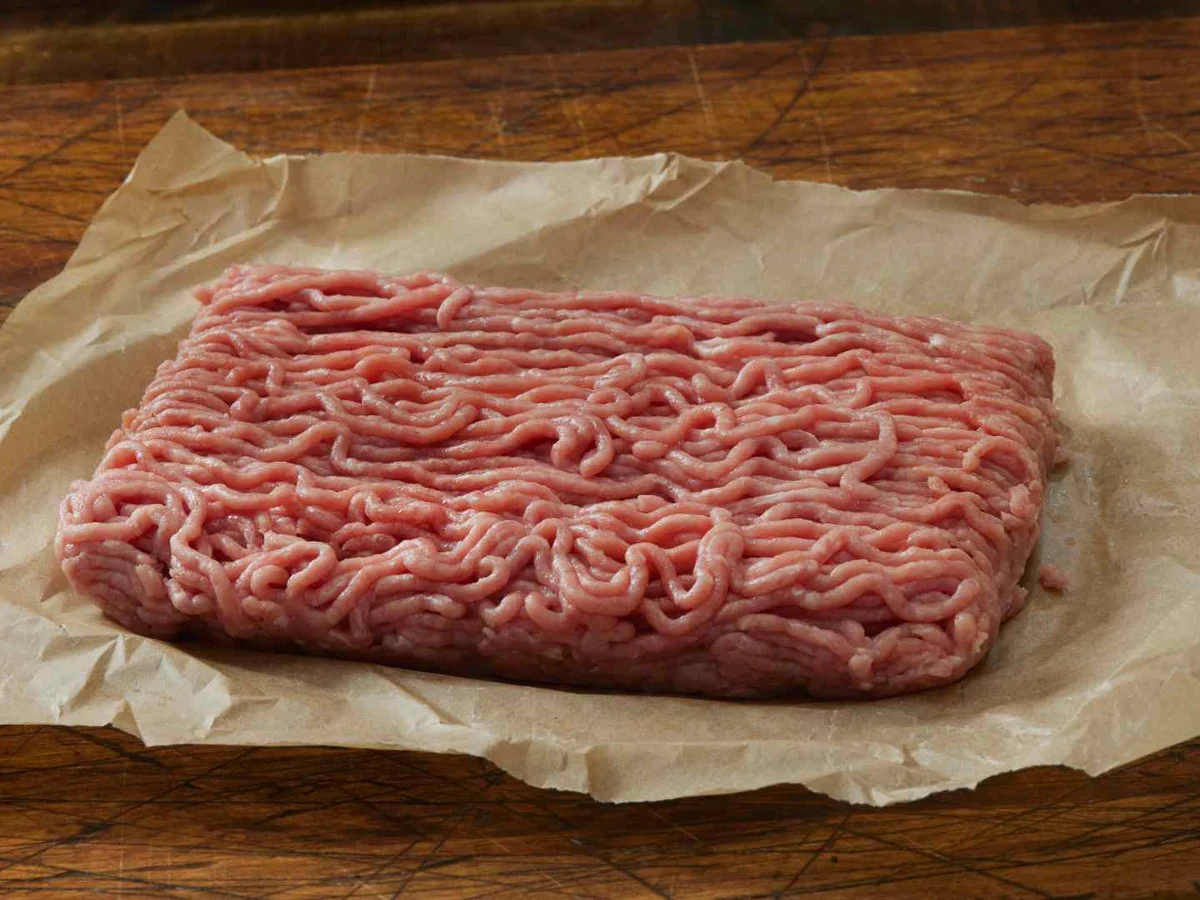
Keep raw ground turkey cold, separate from ready-to-eat food, and contained so juice cannot reach shelves or a cat’s dish. Check the package for leaks, use-by instructions, fat percentage, added solution, flavoring, and whether it is turkey or a mixed poultry product.
A cat circling the grocery bag should be moved before raw handling begins. Plastic film, absorbent pads, tray foam, clips, and labels remain tempting after the meat reaches the pan.
Ground poultry needs a thermometer reading
| Preparation | Target or question | Why it matters |
|---|---|---|
| Loose crumbles | 165°F in the thickest portion | Ground poultry can hold pathogens throughout |
| Turkey patty | 165°F at the center | Surface browning can mislead |
| Meatball | 165°F in the largest piece | Dense centers heat slowly |
| Microwave reheating | Hot throughout, then cooled for cat | Microwaves create uneven spots |
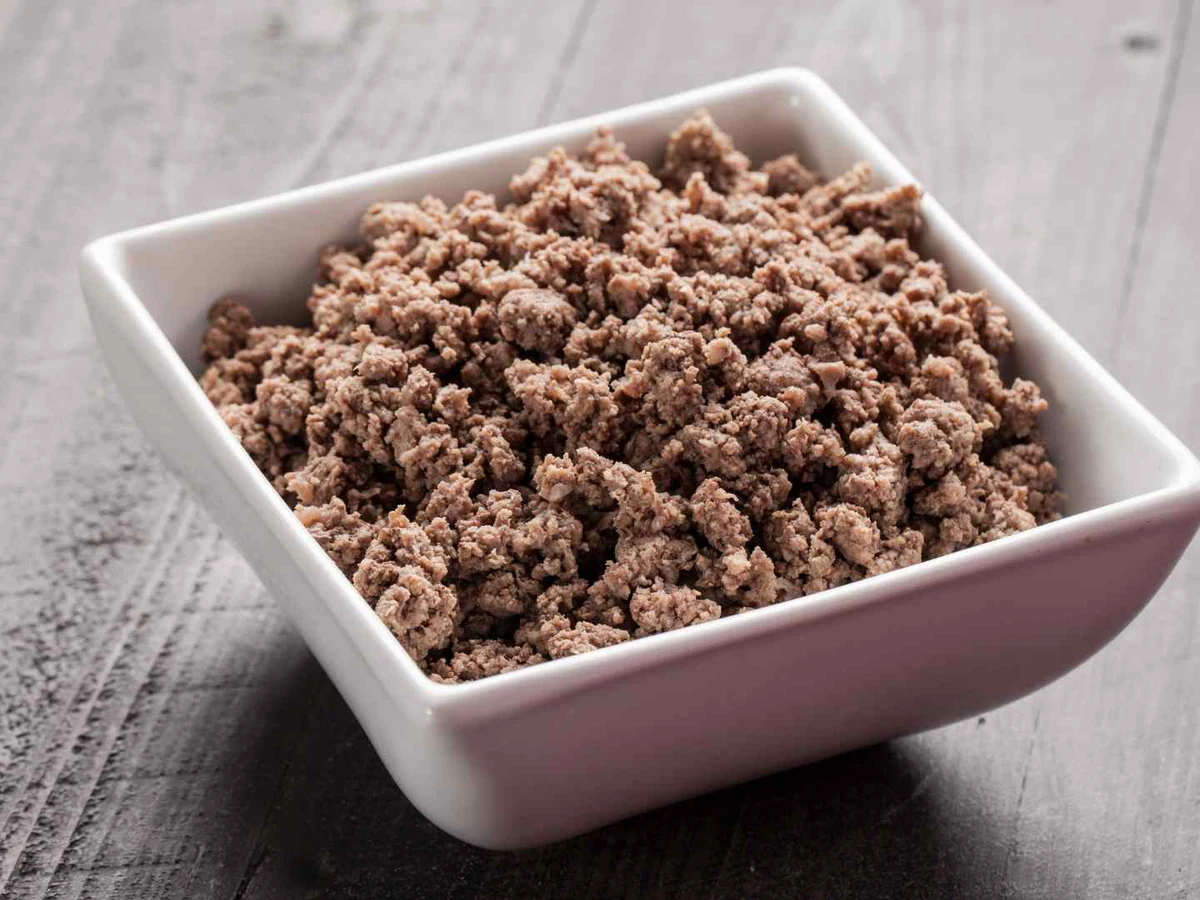
| Cat serving | Pea-sized, plain, drained, cool | Controls heat, fat, and extras |
The USDA specifies 165°F for all poultry, including ground turkey. Check with a clean food thermometer rather than relying on color or clear juices.
Cooking for human safety and serving a cat are two different temperature questions. The meat must first reach 165°F, then the tiny portion must cool enough not to burn the mouth.
H5N1 makes raw poultry a current feline concern
Cats can become seriously ill with highly pathogenic avian influenza, and raw or undercooked animal products are recognized exposure routes. This is not a theoretical reason to panic over fully cooked turkey; it is a concrete reason to skip raw feeding.
The CDC advises pet owners not to feed raw pet food or unpasteurized milk and describes H5N1 signs in pets. Fever, low appetite, eye or nasal discharge, breathing difficulty, tremors, seizures, poor coordination, or blindness after a credible exposure needs urgent veterinary contact.
Do not handle a suspected bird-flu case casually
Call the clinic before arrival if a cat becomes ill after raw poultry, raw pet food, wild-bird contact, or exposure to affected farms. Advance notice lets staff plan infection control and protect other animals and people.
Avoid direct contact with secretions, keep the cat indoors and separated from other pets, and follow public-health instructions. Do not clean a contaminated area by creating splashes or aerosols.
The simplest turkey taste is genuinely simple
Use plain ground turkey with no seasoning or brine, cook it completely, drain excess liquid and fat, cool it, and offer one pea-sized crumble. A first taste is enough to test interest and tolerance.
The site’s turkey guide covers carved meat, skin, bones, gravy, stuffing, and holiday leftovers. Ground meat adds distributed microbial risk and ingredient blending.
Lean and regular blends do not serve the same portion
Ground turkey may contain breast meat, darker meat, skin, or varied fat percentages. “Turkey” is not a synonym for lean, and rendered fat can pool invisibly among fine crumbles.
Large greasy servings can cause vomiting, diarrhea, abdominal discomfort, and trouble for cats with pancreatitis history. Drain the portion and never spoon cooking fat over the regular meal.
Turkey sausage is a seasoned product
Links, patties, breakfast crumbles, and Italian turkey sausage can contain onion, garlic, salt, pepper, sage, smoke flavor, sugar, preservatives, or hot chile. Removing a casing does not remove ingredients mixed through the meat.
For a sausage theft, save the exact package and estimate the amount. Our processed-meat guide adds sodium, spices, and serving context without treating one tiny crumb as certain poisoning.
Tacos, meatballs, and burgers are recipes
Ground turkey is routinely mixed with onion, garlic, breadcrumbs, egg, cheese, sauce, broth, or seasoning packets. Plant-based binders and “natural flavors” also vary by product.
Reserve a plain crumble before seasoning if the veterinarian allows treats. Use the garlic article and the onion article when Alliums enter the pan.
Holiday turkey scraps are not ground turkey
Stuffing, gravy, skin, drippings, casseroles, and bones bring different hazards from a plain cooked mince. A food processor does not make cooked bones safe, and grinding seasoned leftovers cannot undo salt or Alliums.
Keep carcasses, strings, foil, roasting bags, pop-up timers, skewers, and elastic ties in a rigid lidded bin. Never pull a string that is emerging from a cat’s mouth or rectum.
Raw turkey contaminates more than the bowl
Hands, cutting boards, refrigerator handles, scales, grinder parts, sink taps, floors, and pet fur can spread raw poultry organisms. Washing turkey is not recommended because splashing expands the contaminated area.
The USDA advises cooking rather than washing meat and poultry. Clean and sanitize food-contact surfaces, then wash hands before touching cat food or medication.
Turkey muscle alone does not make a balanced diet
Ground turkey provides animal protein but cannot furnish every required nutrient in correct proportion when fed by itself. Calcium and phosphorus balance, taurine, fatty acids, vitamins, minerals, and energy must be formulated across the complete recipe.
The FDA adequacy statement guide explains how staple cat foods communicate their role. Long-term home cooking needs professional formulation and ongoing follow-up.
Allergy trials demand ingredient discipline
Turkey can be a novel protein in some veterinary elimination diets, but grocery turkey is not automatically appropriate. Cross-contact, broths, flavors, other poultry, and an unmeasured portion can disrupt the trial.
Use only the exact diet and treats approved by the managing clinician. If a commercial food contains turkey within a complete formula, that does not authorize free additions on top.
Store, thaw, and cool with a timeline
Thaw ground turkey in the refrigerator, keep it cold until cooking, and never leave raw or cooked meat on the counter for a cat to sample. Refrigerate cooked leftovers promptly in a shallow covered container.
Discard sour, slimy, moldy, leaking, swollen, or long-forgotten turkey. Reheating does not reliably repair food that has spoiled through poor storage.
When the pan raid happens
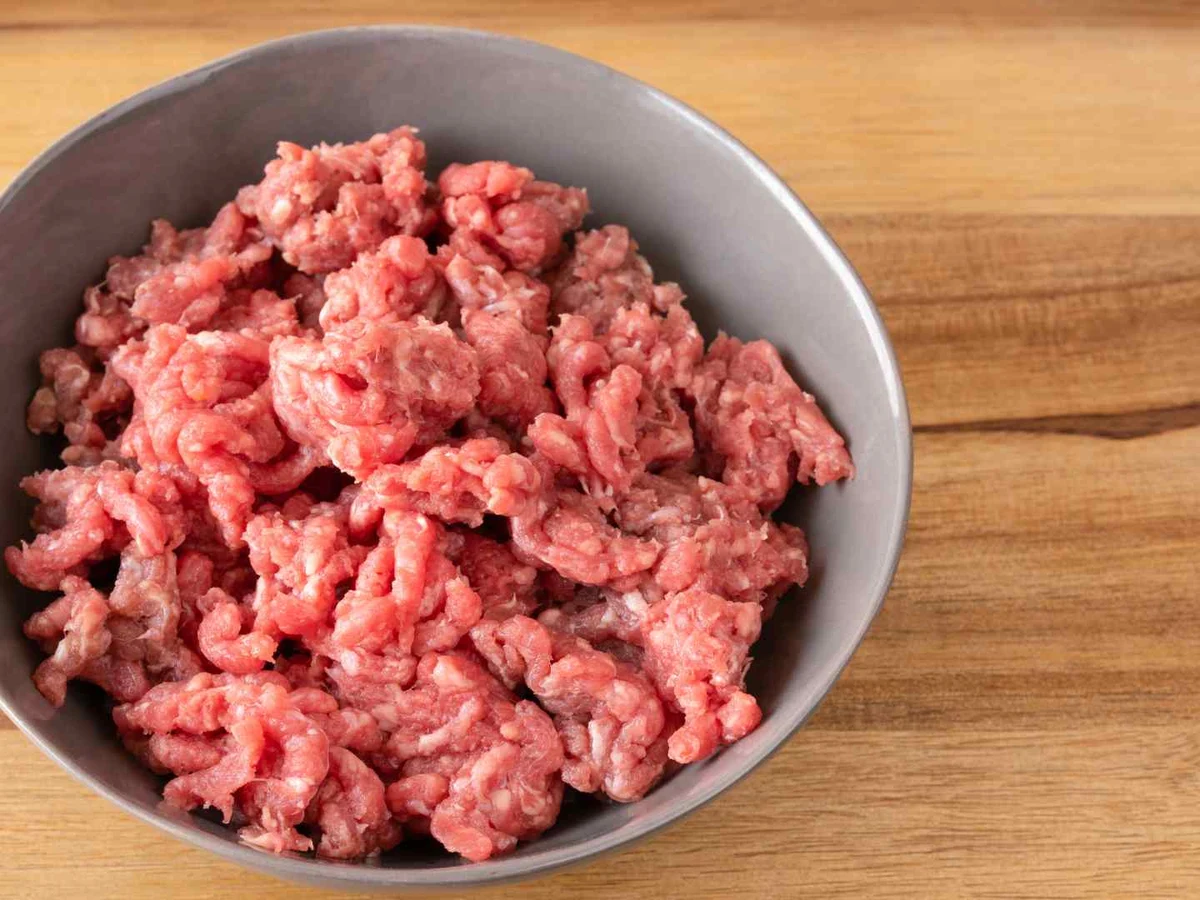
- Remove raw meat, cooked turkey, seasonings, grease, and packaging.
- Record raw versus cooked, thermometer result, fat level, ingredients, amount, and time.
- Ask about wild-bird, farm, raw-milk, or raw-pet-food exposure if illness could involve H5N1.
- Call for raw exposure plus illness, Alliums, bones, foreign material, severe signs, or a large amount.
- Do not induce vomiting, feed more turkey, or arrive unannounced with a possible infectious case.
After a tiny fully cooked plain crumble, an asymptomatic healthy adult can be monitored for normal appetite, stool, comfort, and energy. Stop sharing if vomiting, diarrhea, itching, or food refusal follows.
Cats with kidney, heart, gastrointestinal, pancreatic, urinary, or weight conditions need case-specific portions. A familiar piece of the prescribed food is the cleaner treat choice.
Commercial turkey pet food is judged as a finished formula
| Label statement | Meaning | Owner check |
|---|---|---|
| Complete and balanced | Designed as a staple for stated life stage | Follow feeding directions |
| For supplemental feeding | Not intended as the sole diet | Use only in its stated role |
| Treat or topper | Extra calories and ingredients | Keep within the approved allowance |
| Raw or freeze-dried raw | Microbial and H5N1 questions remain | CDC advises against raw feeding |
| Veterinary therapeutic diet | Condition-specific formulation | Do not add grocery turkey without approval |
Turkey listed first on a cat-food label does not mean the package is equivalent to plain ground turkey. The finished diet may combine organs, fats, amino acids, vitamins, minerals, fiber, and other ingredients to meet a defined nutritional role.
Keep the original bag or can for the adequacy statement, lot code, expiration date, and feeding directions. A recall or illness investigation becomes much harder after food is transferred into an unlabeled decorative bin.
Raw, frozen raw, and freeze-dried raw turkey products should not be mistaken for cooked shelf-stable treats. Follow current public-health guidance and discuss safer complete alternatives with the veterinarian.
Multi-cat illness requires individual notes
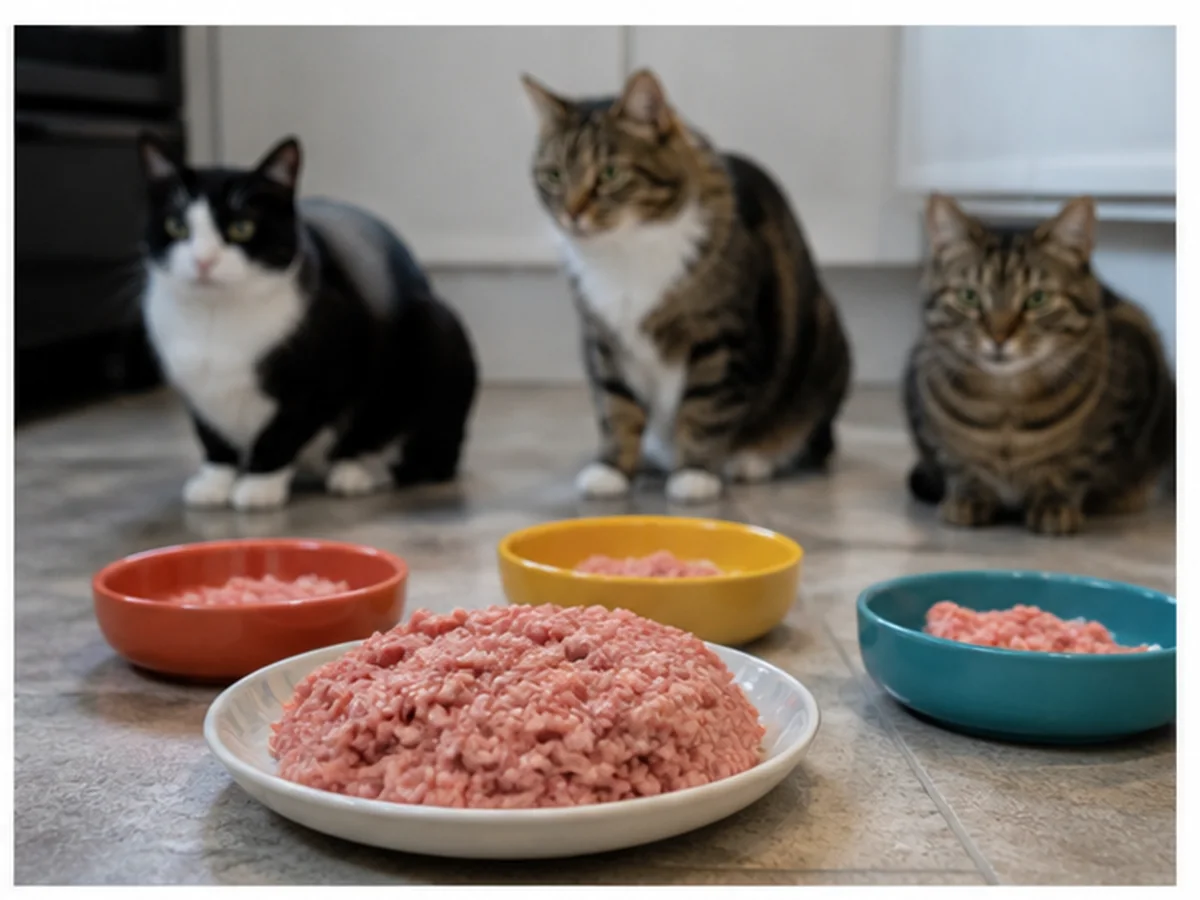
- Record which cat accessed raw turkey, cooked meat, drippings, or packaging.
- List each animal’s weight, age, conditions, medications, and current appetite.
- Separate bowls and litter areas if infectious illness is suspected and the clinic advises it.
- Do not assume the cat with the loudest symptoms had the largest exposure.
When several pets share a kitchen accident, make a separate timeline for each instead of reporting one household estimate. Differences in access and early signs can influence triage.
Call before transporting any cat with respiratory or neurologic illness after raw poultry or bird contact. The practice may direct arrival, isolation, testing, and human-exposure precautions differently from an ordinary food-upset appointment.
Color does not reliably prove ground poultry is safe, and a pink tinge can persist even after adequate cooking under some conditions. The food thermometer remains the useful answer, while aroma and appearance are reserved for spotting obvious spoilage rather than confirming pathogen destruction.
Do not partially cook turkey, refrigerate it, and finish later unless an authoritative recipe specifically validates the method. Uneven warming can leave organisms alive while the outside appears done, particularly in thick patties and crowded pans.
A cat that develops vomiting or diarrhea after cooked turkey may have dietary upset, allergy, infection, pancreatitis, obstruction, or unrelated illness. Stop the extra food and call for persistent signs, blood, pain, dehydration, marked lethargy, or reduced appetite.
Ground-turkey questions beyond Thanksgiving
Can cats eat raw ground turkey?
No. Raw poultry can carry pathogens, and H5N1 has created an additional current concern for cats, so use fully cooked food and safe handling.
What temperature should ground turkey reach?
USDA guidance is 165°F for ground poultry, measured with a food thermometer. Cool the cat’s tiny plain portion after cooking.
Can ground turkey be a cat’s main diet?
Not by itself. Muscle meat alone is nutritionally incomplete, and long-term home-cooked feeding requires professional formulation.
The turkey-pan takeaway
Ground turkey can be an occasional pea-sized extra when plain, drained, fully cooked to 165°F, and cooled. Raw poultry and H5N1, grease, sausage seasoning, Alliums, bones, contaminated surfaces, packaging, and incomplete home diets are the reasons the thermometer and ingredient label both matter.