Can Cats Eat Dill? Fresh Herb, Pickles, and Essential Oil
A small nibble of clean fresh dill is generally low risk for a healthy cat, but dill is not needed in a feline diet. Dried seasoning, pickle brine, onion or garlic blends, concentrated essential oil, garden chemicals, supplements, and a missing glass jar can turn an ordinary herb question into something more important.
Think of dill as a concentration ladder
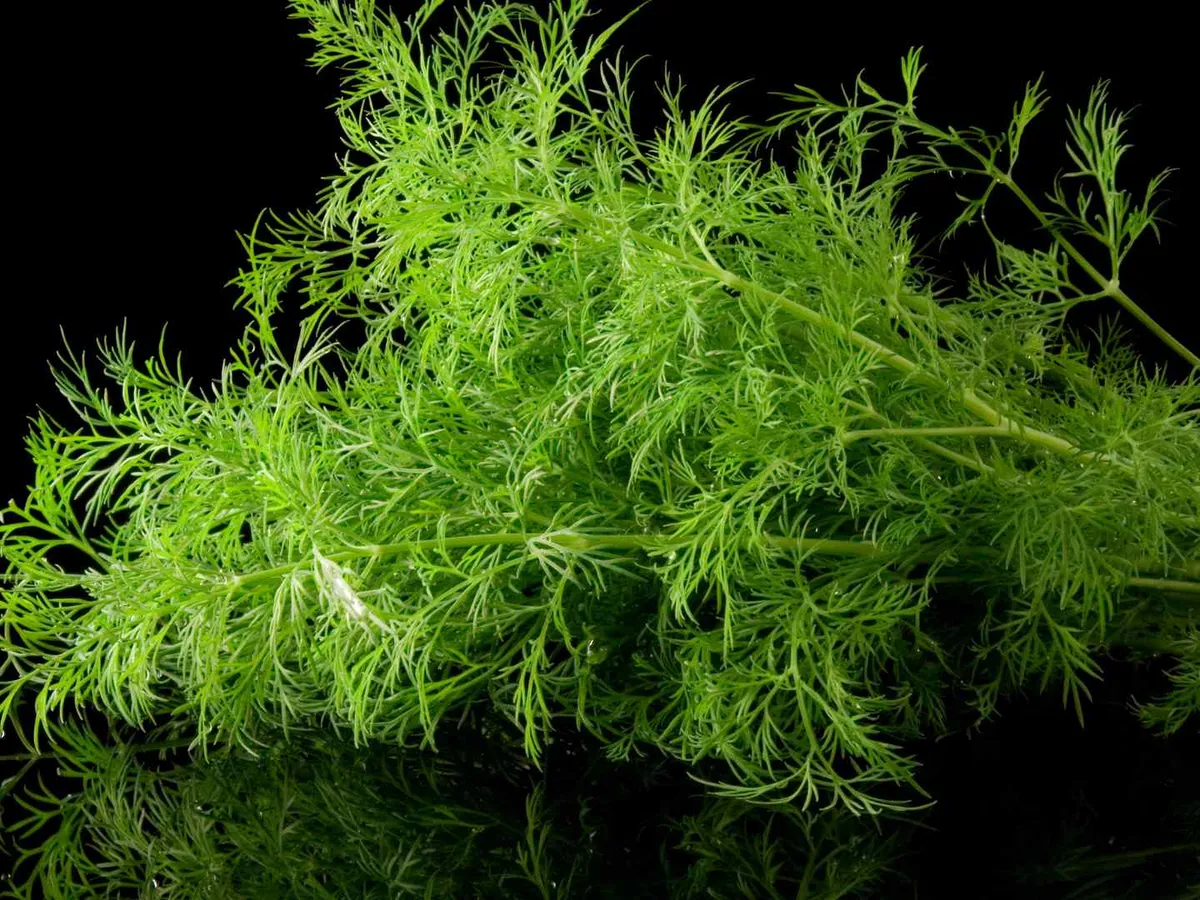
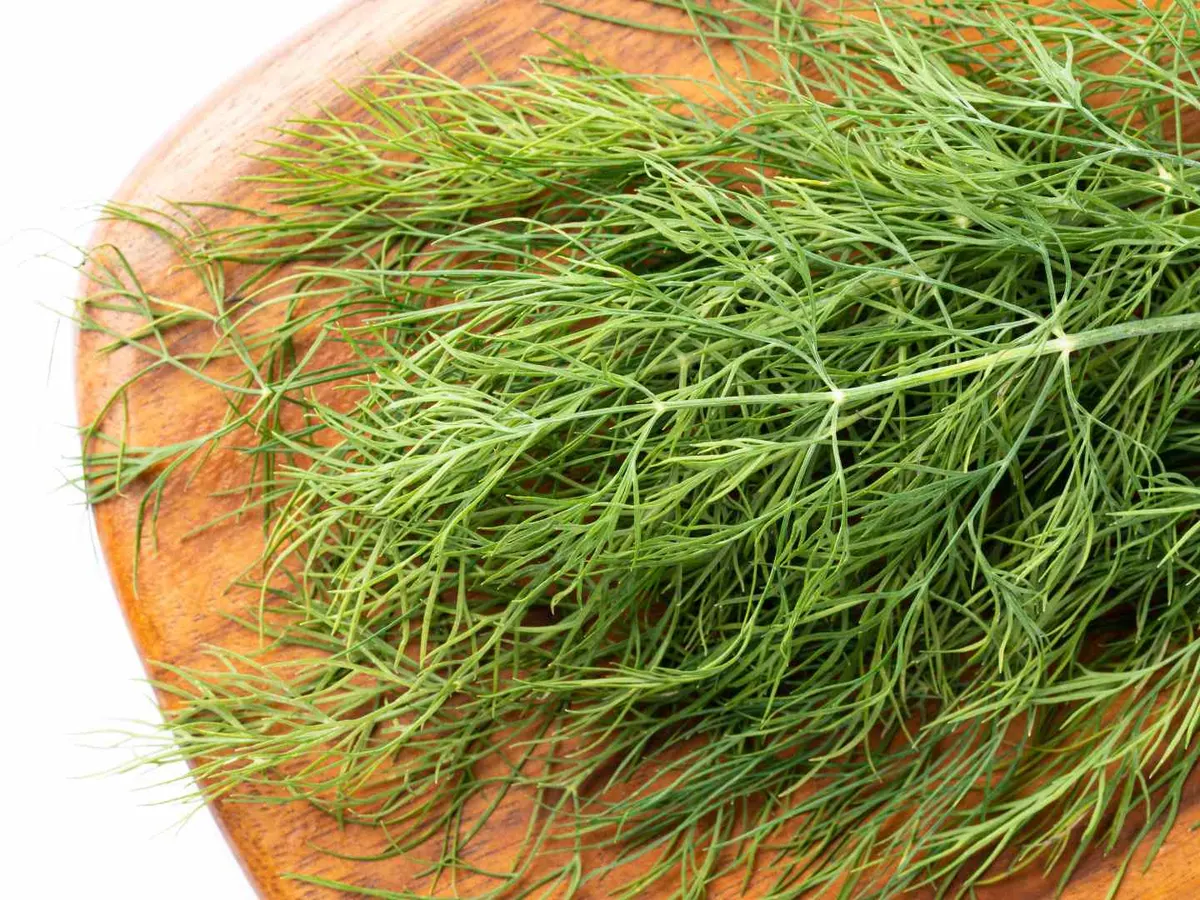
At the mild end sits one feathery leaf rinsed from a culinary bunch. Farther up are chopped herb, dried dill weed, ground seed, seasoning blends, pickle brine, extracts, capsules, and concentrated essential oil.
The name remains dill while dose, chemistry, route, and companion ingredients change. A useful assessment climbs the ladder only as high as the product the cat actually reached.
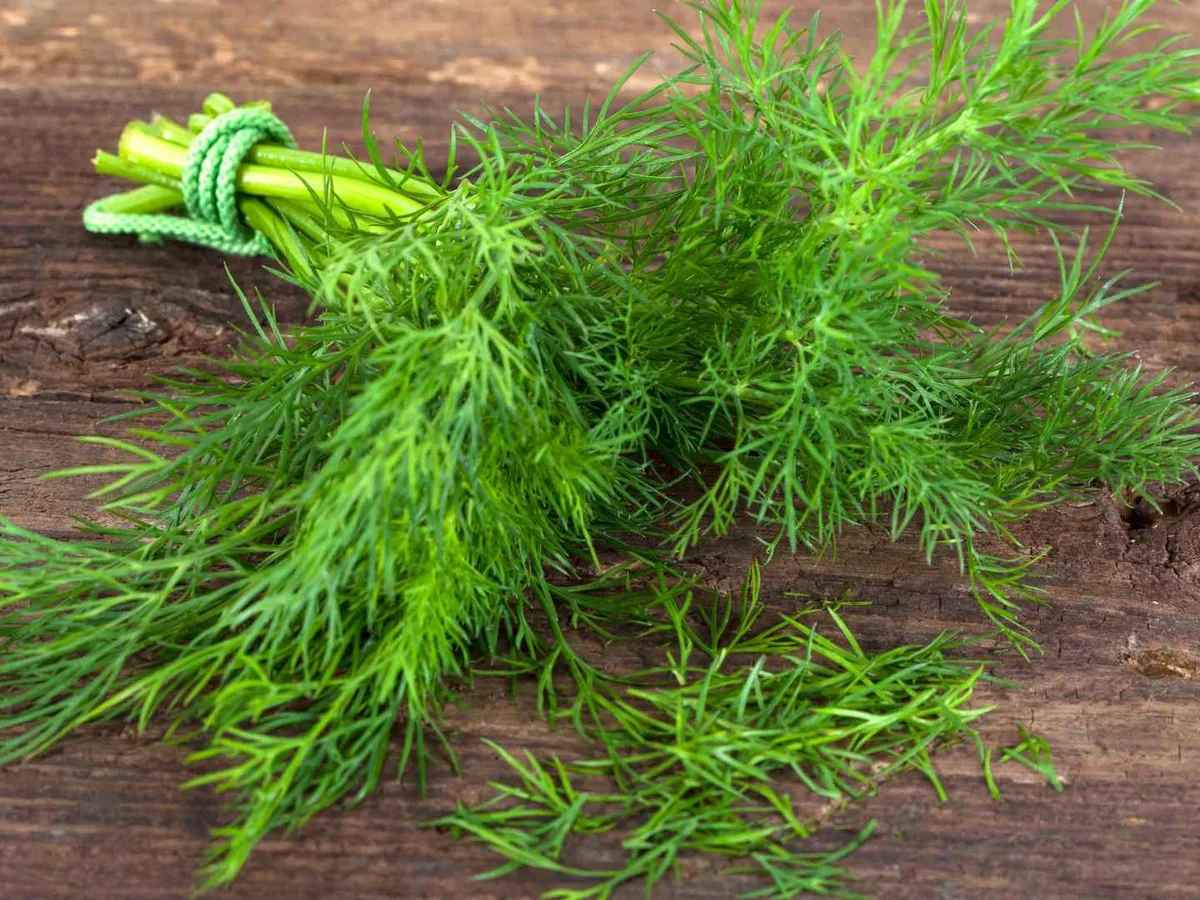
Fresh culinary dill is usually the least dramatic form
A cat that chews one clean sprig may show no symptoms, although plant fiber can cause drooling, gagging, vomiting, or loose stool in an individual animal. That low-concern description is not a recommendation to add herbs to every meal.
Rinse fresh bunches under running water, shake them dry, and remove rubber bands, twist ties, labels, and decayed stems. The FDA recommends washing produce under running water without soap and separating it from raw animal foods.
Offer no more than a tiny torn leaf if a veterinarian permits dietary extras. A cat who sniffs and walks away has made a perfectly sensible decision that needs no garnish-based persuasion.
Basil is another culinary herb with its own plant, pesto, oil, and seasoning questions. The cat basil guide is a useful comparison without assuming every green herb behaves identically.
Dried dill is concentrated and dusty
Removing water makes dried dill lighter and more concentrated by spoon volume than a few fresh fronds. Loose flakes can blow into the eyes and nose, while a large mouthful can irritate the stomach.
Move a cat away from a spice spill and reduce airborne dust. Persistent coughing, eye pain, wheezing, repeated sneezing, or breathing effort deserves veterinary advice, particularly in an asthmatic cat.
Dill seasoning is often blended with salt, onion, garlic, mustard, lemon flavor, pepper, or dairy powder. Read the ingredient panel rather than interpreting green flecks as pure herb.
Dill seed is not the same texture as dill weed
Dill seed is firm, small, and aromatic, and it can scatter across a floor like feline confetti. A few swallowed seeds may pass, but a pile creates more opportunity for inhalation, gagging, or gastrointestinal upset.
Whole-seed products can also include caraway, coriander, fennel, mustard, or spice blends. Preserve the jar and report every ingredient after a substantial spill instead of estimating from aroma.
Do not brew dill seed tea or grind seeds into a supplement for a cat. Culinary tradition and human herbal use do not establish feline efficacy or dosing.
A pickle is mostly a brine question
Dill pickles combine cucumber with salty acidic liquid and may include garlic, onion, mustard seed, hot pepper, sweetener, calcium salts, preservatives, or artificial color. The dill name is rarely the ingredient that drives the concern.
Our pickle guide for cats covers brine, sodium, jar hardware, sweet varieties, fermented products, and Allium seasoning. A plain herb leaf and a pickle spear should never share one serving answer.
One quick lick of ordinary pickle brine may only cause thirst or stomach irritation in a healthy cat. Drinking a meaningful amount, chewing a salty spear, or exposure in a cat with kidney or heart disease requires earlier advice.
Do not force water after a salty theft. Provide ordinary access and contact a clinic for vomiting, marked thirst, weakness, tremors, incoordination, seizures, or a large brine exposure.
Onion and garlic can hide behind “dill flavor”
Dill dip, ranch, fish seasoning, potato salad, soup, pickles, and herb butter frequently include onion or garlic. Cats are especially susceptible to oxidative red-blood-cell injury from Alliums.
The Merck Veterinary Manual states that cooked and powdered forms remain hazardous and that anemia can become apparent days later. A normal-looking cat immediately after dill dip may still need a plan.
Possible signs include appetite loss, vomiting, weakness, pale or yellow gums, rapid breathing, dark urine, and collapse. Call about a confirmed blend before those delayed changes appear.
Use the cat onion guide or cat garlic guide when the herb arrived in a savory mix. Scraping dip away cannot reliably remove seasoning from food beneath it.
Essential oil belongs on a different safety page
Dill essential oil is a concentrated aromatic extract, not a stronger salad herb. Skin application, oral dosing, a broken bottle, diffuser liquid, and saturated fur all warrant prompt veterinary or poison-service advice.
The ASPCA warns that concentrated essential oils can be dangerous around pets, especially through direct application or ingestion. Cats groom contaminated coats and may have difficulty metabolizing certain oil constituents.
Drooling, vomiting, weakness, wobbliness, tremors, abnormal breathing, or skin irritation after oil exposure is concerning. Save the bottle and do not apply detergent, another oil, or solvent until a professional provides decontamination instructions.
Never use dill oil to treat fleas, parasites, skin disease, anxiety, nausea, or appetite loss. The absence of a warning on a human aromatherapy label does not establish safe feline use.
Extracts, gripe products, and supplements
Dill extracts can use alcohol, glycerin, oil, or mixed botanicals as carriers. Human digestive drops and capsules may contain concentrations and companion ingredients that bear little resemblance to a leaf.
Do not scale a human serving down by body weight or give a baby product to a cat. The veterinarian needs the label, concentration, amount missing, product purpose, time, and cat’s medical and medication history.
Claims that dill cures flatulence, stimulates milk, supplies antioxidants, or protects organs should not be imported into feline care without direct evidence. A cat with gas, nausea, or low appetite needs the underlying reason assessed.
Garden dill has outdoor complications
A clean unsprayed plant is different from dill recently treated with fertilizer, pesticide, herbicide, slug bait, or an unknown yard product. Wet residue on paws and fur can become an oral exposure during grooming.
Prevent licking, save the garden-product package, and call for cleaning and triage instructions. Do not neutralize one chemical with another household product.
Dill stems, plant stakes, wire ties, seed packets, potting mix, and compost can also be swallowed. Compost may contain mold, coffee grounds, onion, garlic, bones, string, and spoiled food unrelated to the herb.
Dill on fish is not plain dill
Salmon with dill may include butter, garlic, lemon, salt, wine, cream sauce, bones, and undercooked centers. The fish species, cooking, bones, seasoning, and storage all remain part of the exposure.
Raw or undercooked fish can carry pathogens and some species contain thiaminase when raw. The raw fish guide for cats provides that broader context when dill is only the garnish.
Set aside a tiny plain, fully cooked, boneless piece before seasoning if the veterinary team allows fish treats. Picking herb off the finished fillet cannot remove garlic butter or salt absorbed underneath.
Jars and refrigerator accessories
A pickle jar adds glass, a metal lid, tamper seal, plastic ring, and slippery brine to the scene. Broken glass or a swallowed seal can be more urgent than a dill leaf.
Check paws for cuts without squeezing painful tissue, restrict movement around shattered glass, and call a clinic. Do not induce vomiting after any possible sharp-object ingestion.
Rubber bands around herb bunches and twist ties from produce bags are similarly unfit for play. Count them before discarding wilted stems.
A practical response by product form
- One fresh leaf: remove the rest and watch a healthy cat for digestive upset without offering another sample.
- Dried spill: move to clean air, prevent grooming, identify any blend ingredients, and call for respiratory or eye signs.
- Pickle or dip: report brine volume, sodium, onion, garlic, dairy, spice, and the amount eaten.
- Oil or extract: preserve the bottle and obtain professional advice promptly even before obvious symptoms.
- Foreign object: seek urgent care for broken glass, a missing tie or seal, choking, repeated vomiting, or severe pain.
The nutritional verdict
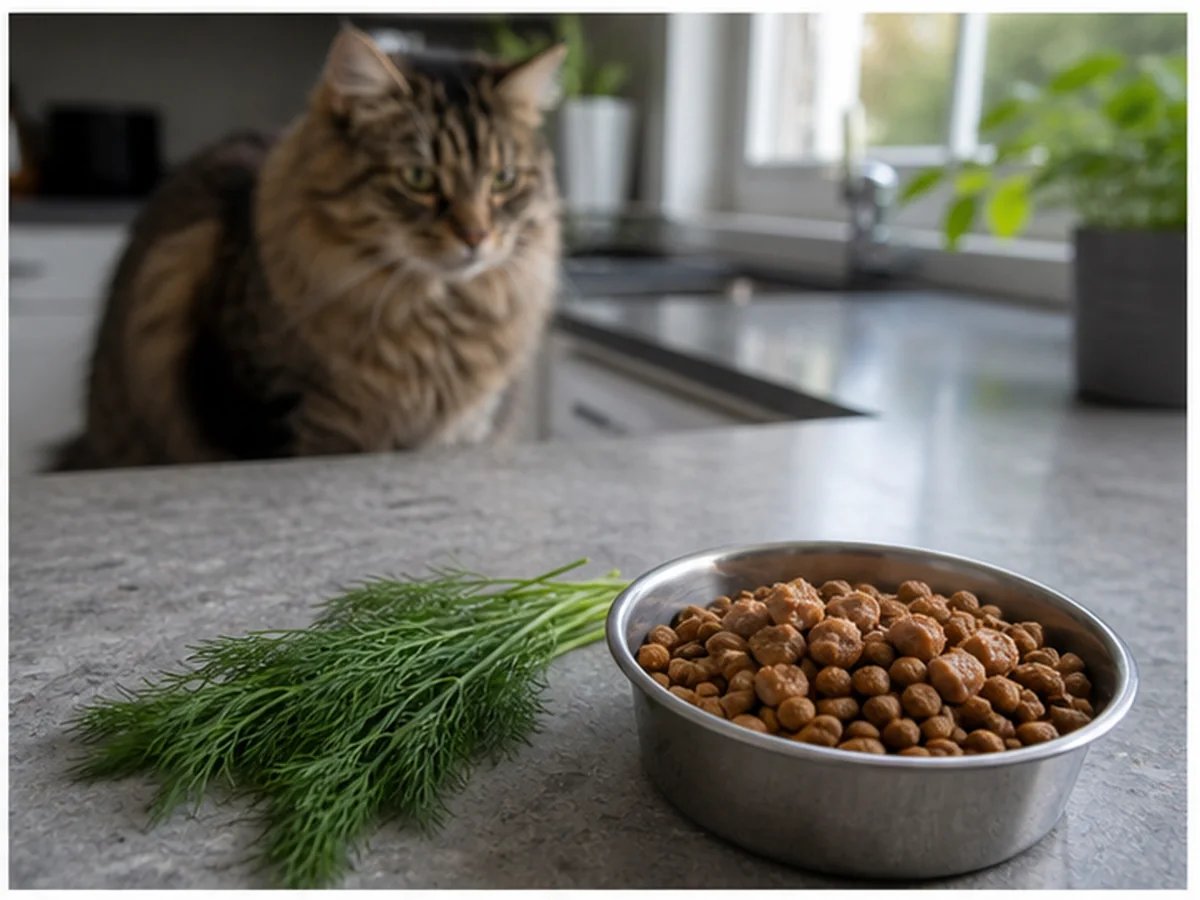
Fresh dill contributes aroma and plant compounds, but cats require a complete feline diet rather than an herb-based wellness program. The FDA’s complete-and-balanced framework is a better guide to daily food than isolated human nutrition claims.
Use a piece of the measured meal or a feline treat when the cat wants kitchen attention. That choice is easier to portion and does not teach the cat to investigate pickle jars or spice tins.
Frequently asked questions
Is fresh dill poisonous to cats?
A tiny amount of clean culinary dill is generally low risk, though some cats may develop drooling or digestive upset. Concentrated oil, seasoning blends, pickles, and garden chemicals are different exposures.
Can cats eat dill pickles?
They should not be offered because brine, sodium, vinegar, onion, garlic, spice, and sweeteners can be present. A tiny accidental lick may be uneventful, but a meaningful amount needs label-based advice.
Can I give my cat dill for digestion?
No proven feline dose or treatment benefit supports doing so. Persistent gas, vomiting, diarrhea, constipation, or appetite change should be evaluated rather than covered with an herb.
What if my cat licked dill essential oil?
Save the product and call a veterinarian or animal poison service promptly. Do not induce vomiting or apply another oil, and seek emergency care for weakness, tremors, breathing changes, or collapse.
Bottom line
A feathery dill leaf is usually a minor curiosity, not a feline health tonic. Keep the concentration ladder in view, read pickle and seasoning labels for the ingredients doing the real work, and treat essential oil, garden chemicals, or broken packaging as their own exposures.