Can Cats Eat Cottage Cheese? Dairy Tolerance, Sodium, and Portions
A healthy adult cat may tolerate a tiny taste of plain cottage cheese, but there is no nutritional need to serve it. Lactose tolerance varies, sodium and fat can be substantial, curds are easy to overportion, and flavored tubs, fruit mix-ins, herbs, sweeteners, medications, or poor refrigeration change the question.
The tub has four dials: curd, fat, salt, and flavor
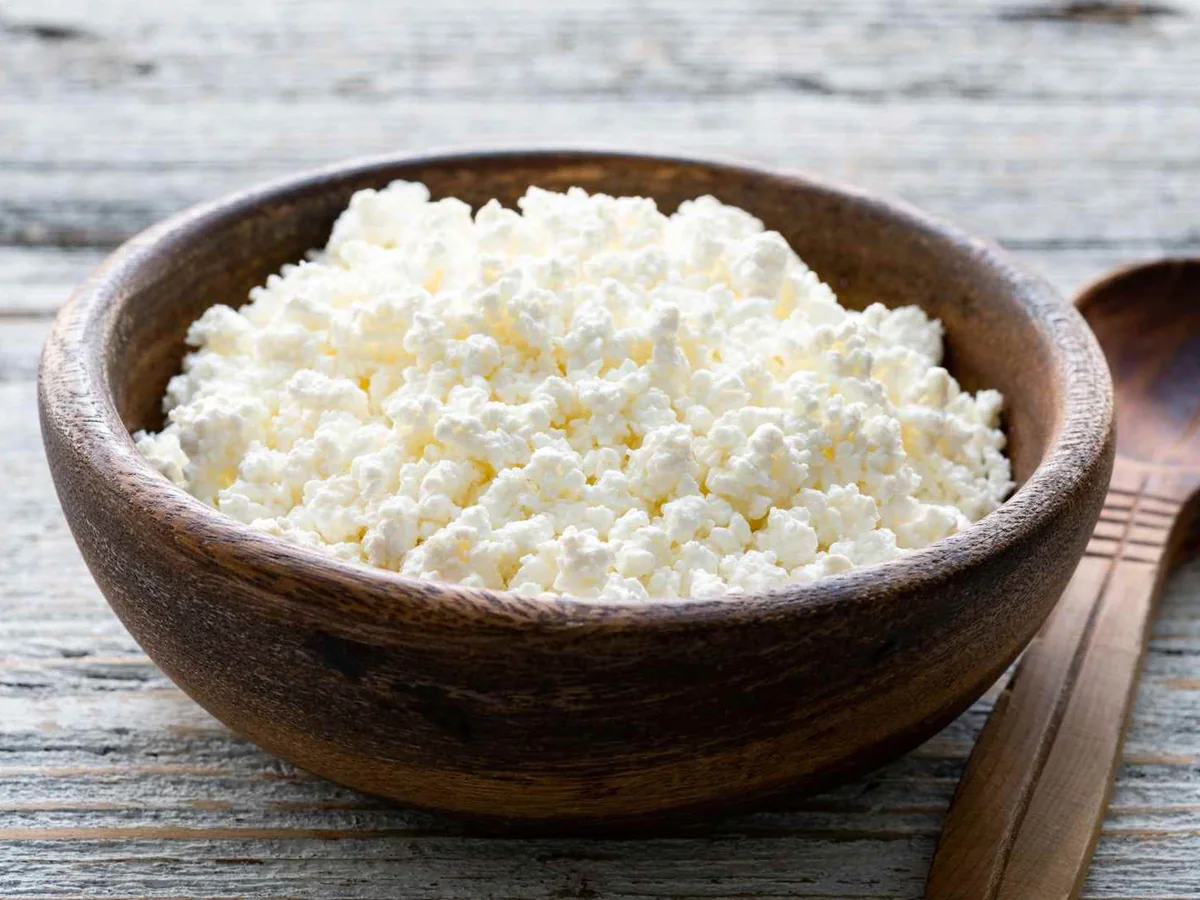
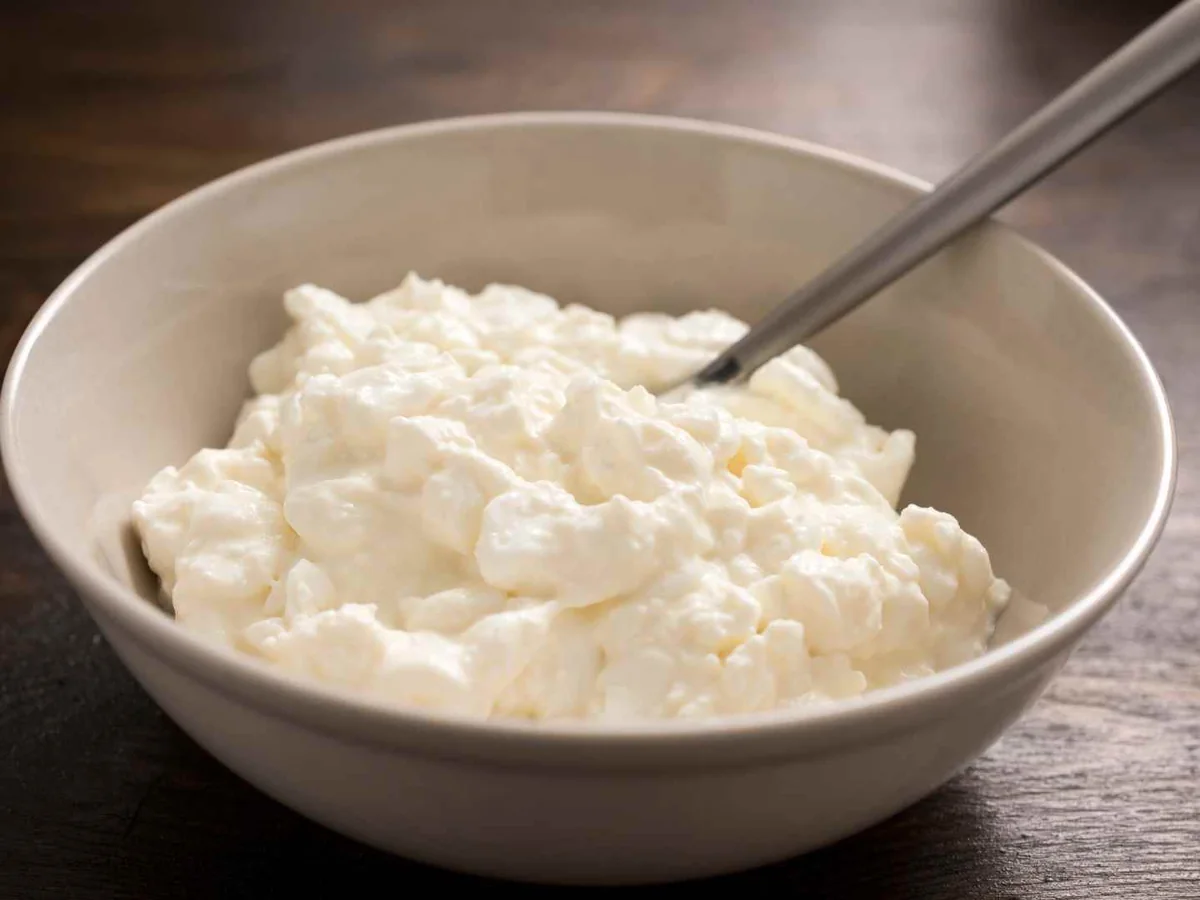
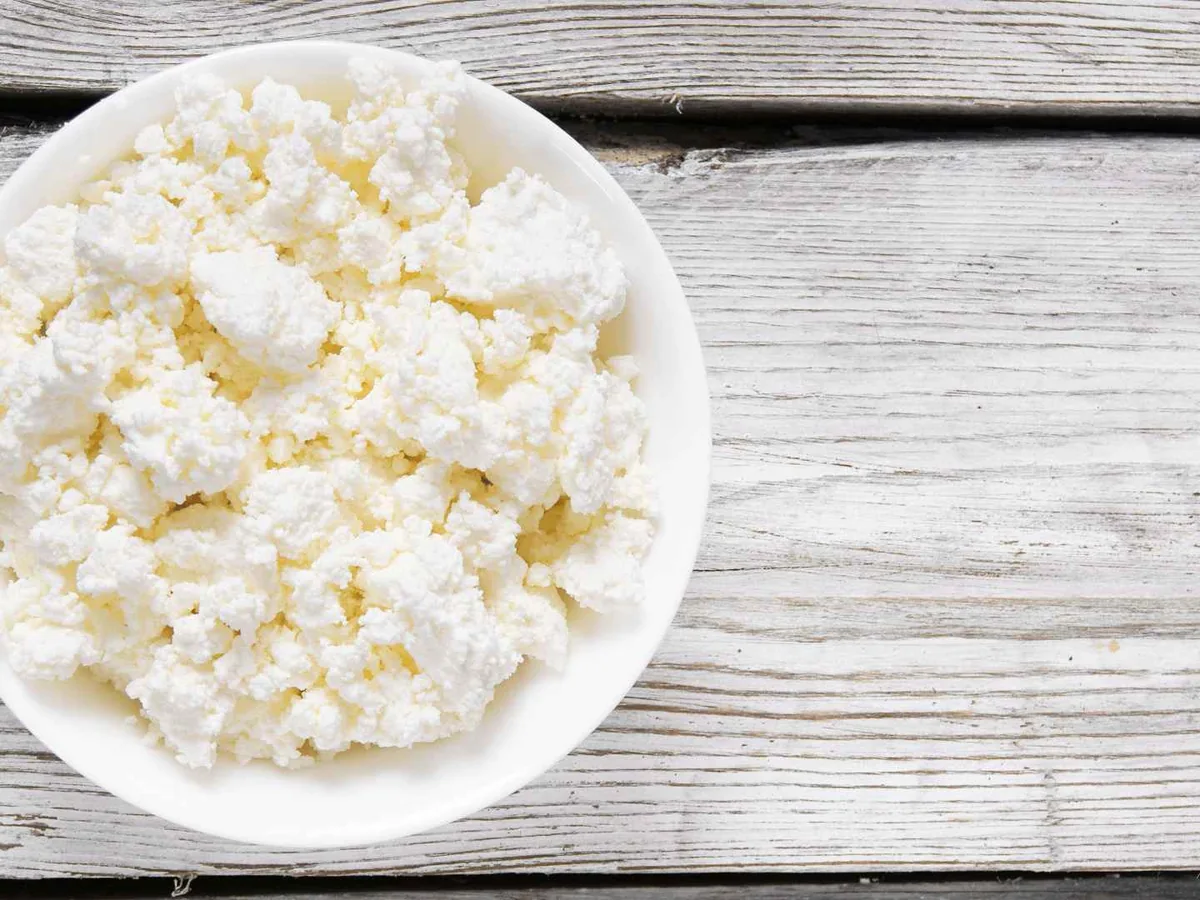
Cottage cheese is made by draining curds while retaining enough moisture to keep them soft, often with a creamy dressing. Brand, curd size, milkfat percentage, sodium level, cultured ingredients, and additions produce more variation than the plain white appearance suggests.
| Label detail | Common choices | Why it matters for a cat |
|---|---|---|
| Curd size | Small curd, large curd, whipped | Large clumps may be gulped and visual portion estimates differ. |
| Milkfat | Nonfat, low-fat, 2%, 4% | Fat changes calories and digestive richness. |
| Sodium | Regular, reduced sodium, no-salt-added | Medical diets may have strict targets, and serving sizes are human. |
| Flavor | Plain, pineapple, chive, pepper, savory blend | Sugar, fruit pieces, Alliums, spice, and sweeteners can appear. |
| Lactose claim | Standard, lactose-free | Removing lactose does not remove fat, salt, calories, or add-ins. |
| Package condition | Sealed, opened, warm, swollen, moldy | Freshness and refrigeration are essential. |
Dairy digestion does not follow one universal cat rule
Many adult cats produce less lactase, the enzyme used to digest lactose, than they did as nursing kittens. A cat may tolerate one dab yet develop gas, a noisy abdomen, loose stool, diarrhea, vomiting, or appetite loss after a larger spoonful.
The ASPCA notes that significant milk and dairy can cause digestive upset in pets with inadequate lactase. Cottage cheese may contain less lactose than milk, but the exact amount and the individual response vary.
Do not diagnose lactose intolerance from one flavored product, because onion, fruit, artificial sweetener, spoilage, or a sudden rich serving may explain the signs. Recurring reactions deserve a veterinary history rather than repeated kitchen testing.
The general cheese guide for cats compares hard, soft, processed, flavored, and moldy varieties. Cottage cheese deserves separate attention because its moisture, curd structure, refrigeration, and serving style are distinctive.
Protein does not make cottage cheese a complete protein source for cats
Cottage cheese contains protein, but listing one macronutrient does not establish a complete feline diet. Cats need animal-derived nutrients in specific amounts and ratios, along with appropriate vitamins, minerals, fatty acids, energy, and water.
The FDA explains the nutritional-adequacy standards behind complete and balanced pet food. A human cottage-cheese label does not claim that the product meets a cat’s life-stage requirements.
It should not replace meat in a homemade recipe, balance an incomplete diet, serve as a kitten weaning food, or function as a meal topper large enough to displace formulated food. A protein number on the tub cannot answer those broader nutrition questions.
If a homemade diet is medically necessary, use a recipe created for the individual cat by a board-certified veterinary nutritionist. Internet substitutions can change calcium, phosphorus, taurine, energy, and micronutrient balance even when every ingredient sounds wholesome.
A cat-sized taste is smaller than a spoonful
For a healthy adult whose veterinarian allows dairy treats, begin with a dab smaller than a pea. Flatten a large curd and serve it from a clean plate so the cat cannot hook half the tub with one determined paw.
Wait to see whether appetite, vomiting, comfort, and stool stay normal before considering the food again. There is no reason to increase the amount simply because the first sample was tolerated.
Cornell’s cat-feeding guidance recommends complete food and only occasional treats. Using part of the daily kibble allowance as a reward is easier to budget and introduces no new dairy variable.
Sodium can matter before a cat looks thirsty
Salt helps flavor cottage cheese, and regular varieties can carry a meaningful amount relative to a cat-sized portion. Compare labels per serving and by weight, because reduced-sodium marketing only means reduced relative to a reference product.
A single tiny taste of ordinary cottage cheese is unlikely to cause salt poisoning in a healthy cat. A large tub raid, brine-like liquid, concentrated salt, restricted water, or neurologic signs requires more urgent advice.
Marked thirst, vomiting, weakness, incoordination, tremors, seizures, or unusual behavior after a salty exposure warrants veterinary care. Provide ordinary access to fresh water but never force water into the mouth.
Cats with heart disease, kidney disease, hypertension, urinary conditions, or prescription sodium limits should not receive cottage cheese without approval. A low-sodium version can still interfere with a carefully controlled therapeutic plan.
Fat percentage changes calories and richness
Four-percent milkfat cottage cheese is richer than nonfat, while low-fat labels do not make the food nutritionally necessary. Compare calories and serving sizes rather than using front-label adjectives as a health verdict.
A large fatty serving may cause nausea, diarrhea, vomiting, or abdominal discomfort, especially in a cat with previous gastrointestinal or pancreatic illness. It is not credible to predict pancreatitis from every lick, but persistent pain and repeated vomiting need veterinary assessment.
Nonfat products may alter texture with additional ingredients, and lactose-free products solve only the lactose question. Every tub still needs review for sodium, flavoring, sweeteners, and portion.
Yogurt presents a related but distinct dairy profile. The cat yogurt guide covers cultures, Greek-style products, fruit, sugar-free formulas, and probiotic marketing.
Curd size and fast eaters
Soft curds are easier to swallow than hard cheese cubes, yet a mound can still be gulped rapidly. Large curd mixed with pills, fruit pieces, or thick topping can form a bigger sticky bite than expected.
Cats with dental pain, neurologic disease, swallowing disorders, flat facial anatomy, or a history of regurgitation need texture choices approved by a clinician. Coughing, repeated swallowing, drooling, regurgitation, or mouth-pawing after a mouthful needs prompt advice.
Breathing trouble, blue-gray gums, collapse, or inability to move air is an emergency. Do not pour water or milk into the mouth to wash a curd down.
Savory cottage cheese can hide Alliums
Chive, onion, garlic-herb, ranch-style, everything-seasoning, and vegetable cottage cheese blends are unsafe choices for cats when Alliums are present. Homemade bowls may also be stirred with soup mix or seasoned salt.
The Merck Veterinary Manual identifies cats as particularly susceptible to onion and garlic toxicosis. Powdered and cooked forms remain important, and red-blood-cell injury may not become obvious for several days.
Possible delayed signs include weakness, pale or yellow gums, rapid breathing, dark urine, appetite loss, and collapse. Call after known Allium exposure instead of waiting for the dairy to cause diarrhea.
Our feline garlic guide helps organize the ingredient, amount, timing, and delayed monitoring. Scraping herbs from the top does not remove powder mixed throughout the curds.
Fruit cups and sweet bowls need a full inventory
Pineapple, peach, berry, jam, honey, granola, chocolate chips, raisins, and artificial sweeteners can accompany cottage cheese. The finished bowl is a mixed recipe whose highest-risk ingredient may not be dairy.
Fruit pits, stems, skewers, and hard granola clusters add physical hazards. A cat who stole from a breakfast bowl may also have reached coffee, medication, vitamin gummies, or a crinkly sweetener packet nearby.
Sugar-free jam or flavored cottage cheese requires exact sweetener identification. Xylitol poisoning is well documented in dogs but not established with the same sensitivity in cats, so use feline-specific veterinary advice and never transplant a canine threshold.
Medication hiding has limits
The soft texture can conceal a tablet, but not every drug can be crushed, split, mixed with dairy, or given with food. Some medicines are bitter enough to create lasting food aversion when hidden in a large bowl.
Ask the prescribing clinic whether a tiny cottage-cheese dab is compatible with the exact medicine and disease. Confirm the complete dose was swallowed, because licking around a tablet is a skill cats practice without formal training.
If dairy causes digestive upset or violates a prescription diet, request another formulation or a demonstrated administration method. Never redose automatically when part of a tablet is missing and the swallowed amount is uncertain.
Refrigeration and spoilage are not optional
Cottage cheese is moist and perishable, so follow package refrigeration and opened-container instructions. Use a clean utensil instead of letting the cat lick from a tub that will return to the human refrigerator.
Discard a container with mold, swelling, a broken seal, strange color, sliminess, an off odor, or an uncertain warm-storage interval. Do not scoop around a questionable patch and donate the remainder to a pet.
The FDA advises keeping refrigerators at or below 40°F and refrigerating perishables promptly. Cold storage slows microbial growth but cannot rescue food already mishandled.
Tub, seal, and foil hazards
Cottage-cheese residue makes the foil seal, plastic rim, lid, and label attractive to a scavenging cat. A torn piece can choke or lodge in the gastrointestinal tract even when the dairy amount was trivial.
Repeated vomiting, appetite loss, abdominal pain, straining, reduced stool, hiding, or marked lethargy after packaging disappears warrants a clinic call. Never pull a strip from the mouth or rectum.
Rinse empty tubs and put them into a closed recycling container. Leaving one in the sink creates an invitation with a lid edge at face level.
When to monitor and when to call
- One tiny plain taste: a healthy symptom-free adult may only need normal meals, water, and observation after label review.
- Call promptly: seek advice for onion or garlic, an unknown flavored product, a large amount, spoiled dairy, sweetener uncertainty, medicine, or missing packaging.
- Watch digestion: note vomiting, stool, appetite, belly comfort, energy, and hydration without adding more dairy as a test.
- Use urgent care: breathing difficulty, facial swelling, collapse, seizures, severe weakness, repeated retching, or intense abdominal pain cannot wait.
- Bring the tub: provide milkfat, sodium, ingredients, serving size, lot code, date, maximum amount, and the cat’s medical history.
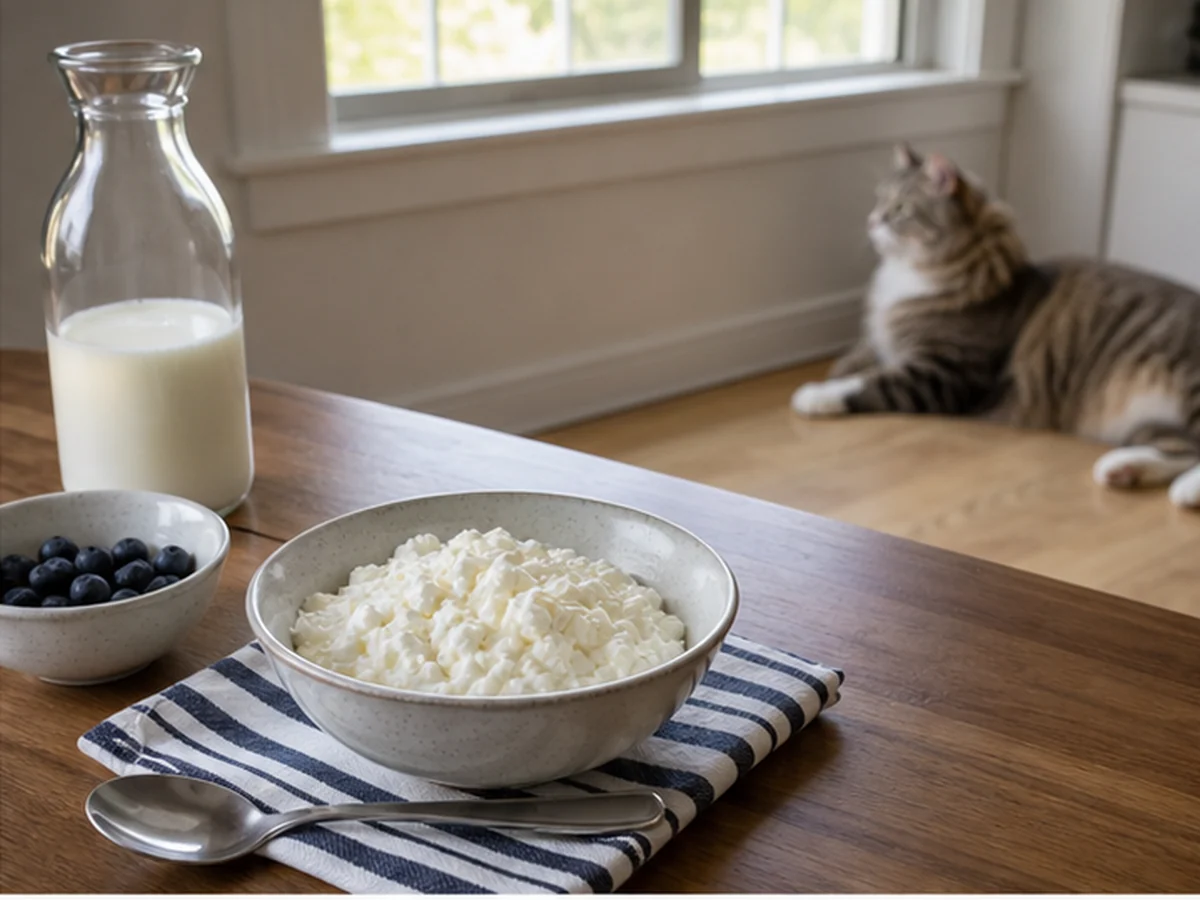
Cats who should skip cottage cheese
Kittens need complete growth nutrition, and an unbalanced dairy snack can crowd their small stomachs. Cats with obesity, dairy-triggered symptoms, chronic digestive disease, previous pancreatitis, or swallowing difficulty have clear reasons to avoid it.
Prescription kidney, heart, urinary, diabetes, hydrolyzed, novel-protein, and calorie-loss diets can all be disrupted by casual extras. Ask the veterinary team rather than trying to select a milkfat percentage that sounds compatible.
If cottage cheese is being considered because a sick cat refuses meals, contact the clinic promptly. Cats that eat too little can develop serious metabolic complications, and escalating human foods can hide the underlying illness while unbalancing intake.
Frequently asked questions
Can cats eat low-fat cottage cheese?
A tiny plain taste may be tolerated, but low-fat cottage cheese can still contain lactose, sodium, calories, and additives. It is not superior to a measured feline treat merely because the milkfat number is smaller.
Can cats eat lactose-free cottage cheese?
Removing lactose may reduce one digestive concern, but sodium, fat, flavoring, curd size, and total calories remain. Check the exact label and ask whether dairy fits the individual cat’s diet.
Is cottage cheese good for a cat with diarrhea?
No blanket recommendation is appropriate because dairy can worsen diarrhea in lactose-sensitive cats. Contact a veterinarian for persistent diarrhea, blood, vomiting, dehydration, pain, lethargy, or a kitten with symptoms.
Can I feed cottage cheese for calcium?
Do not supplement a balanced feline diet with dairy unless a veterinarian identifies a specific need and plan. Excess or poorly balanced minerals can be harmful, especially in kittens and cats with urinary or kidney disease.
Bottom line
Cottage cheese can be a tiny tolerated taste, but it should not be promoted as a protein plan, calcium fix, or clever daily topper. Read fat and sodium alongside lactose, reject savory and spoiled tubs, and let complete cat food do the nutritional heavy lifting.