Can Cats Eat Cooked Shrimp? Shells, Seasoning, Allergy, and Storage
Most healthy adult cats can sample a tiny piece of plain, fully cooked shrimp meat. Peel away the head, shell, legs, and tail, cut the springy meat small, and keep garlic butter, cocktail sauce, breading, skewers, raw juices, spoiled leftovers, and family-sized portions out of reach.
The six-check shrimp test
| Checkpoint | Pass looks like this | Reason to stop |
|---|---|---|
| Cooked | Firm, opaque meat with no translucent center | Raw or undercooked seafood can carry harmful microorganisms. |
| Plain | No salt, butter, oil, garlic, onion, spice, sauce, or marinade | Human flavoring can irritate or introduce toxic ingredients. |
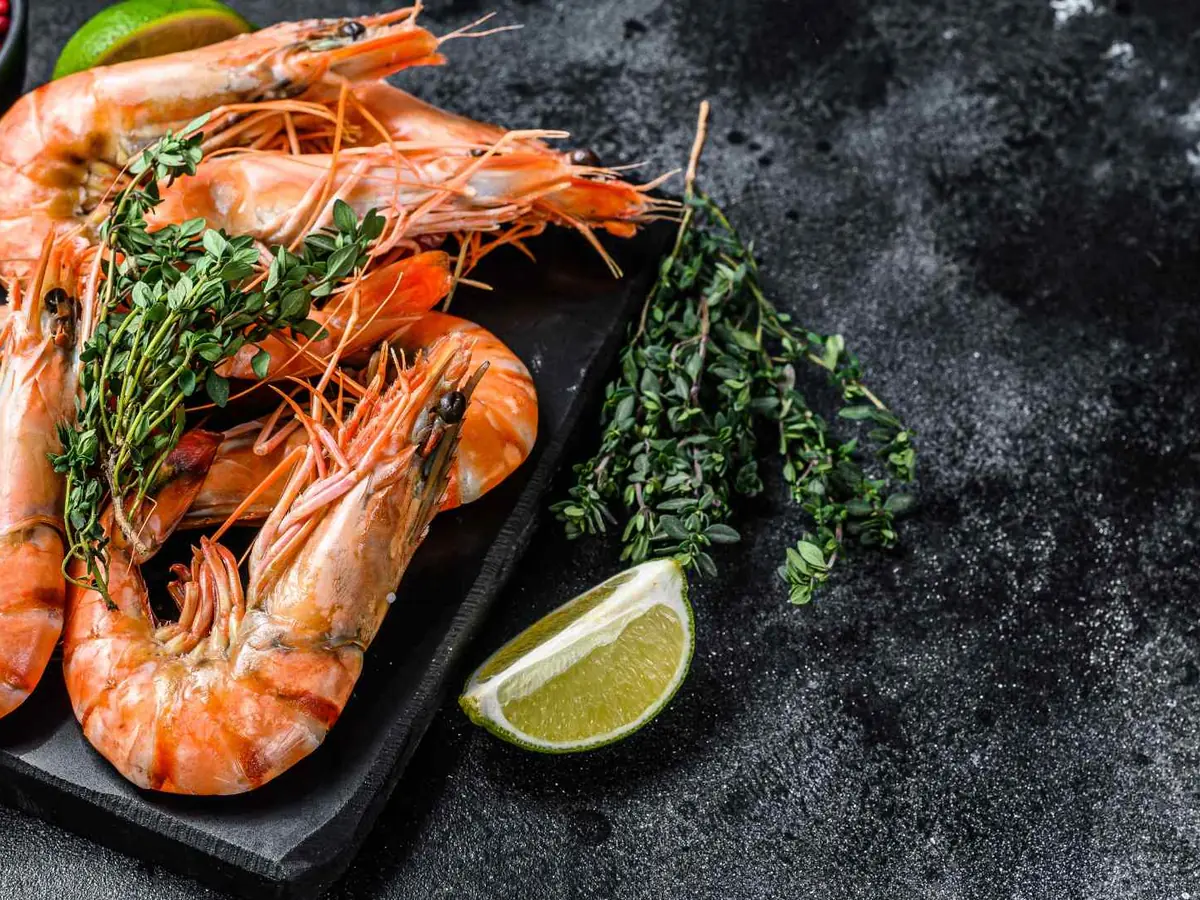
| Peeled | Head, rostrum, shell, legs, vein, and tail fan removed | Rigid fragments can choke, cut tissue, or obstruct. |
| Small | One pea-sized cross-cut piece | A whole curved shrimp is an awkward gulp for a cat. |
| Fresh | Stored cold and served within a safe window | Cooking does not reverse spoilage or poor handling. |
| Cool | Room temperature or gently warm | Hot seafood and sauce can burn the mouth. |
Passing all six checks makes a morsel an occasional option, not a nutritionally complete meal. A cat’s enthusiasm for shellfish is a review of the aroma, not a professional opinion on portion size.
What fully cooked shrimp looks like
The FDA’s seafood guidance says shrimp should become firm, pearly, and opaque when cooked. Gray or translucent flesh needs more cooking before any piece is considered.
Cook a feline piece in plain water or on a clean unseasoned surface. Place it on a fresh plate rather than returning it to the dish that held raw seafood, then cool it completely before cutting.
Color alone can be confusing because shrimp species and pre-cooking treatments vary. Texture, opacity, package directions, adequate heat, and avoidance of cross-contamination belong together.
Pre-cooked frozen shrimp may contain salt, phosphates, glaze, or seasoning, while “ready to cook” shrimp still requires a full heat step. Read the ingredient list and preparation directions even when the bag shows pink shrimp.
Peeling is a safety step, not a table preference
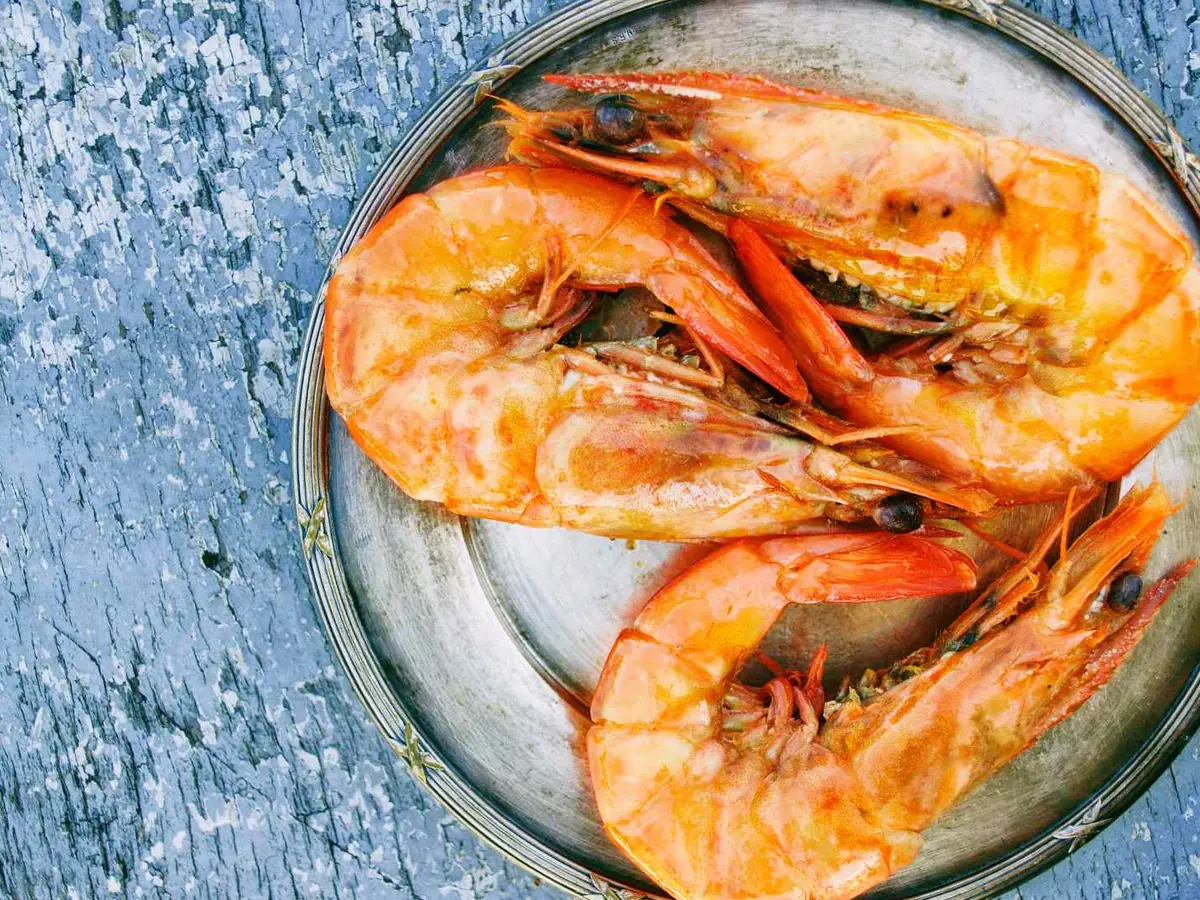
The edible muscle is the only portion worth considering for a cat. The pointed rostrum, head plates, shell segments, legs, and tail can create sharp edges or large rigid pieces that digestive enzymes do not politely dissolve on command.
Run clean fingers around the peeled meat to find translucent shell strips, especially along the underside. Cut across the curve into a compact piece so the shrimp cannot slide lengthwise toward the throat.
Removing the dark intestinal vein improves cleanliness and appearance, although the vein itself is not a feline poison. Deveining does not compensate for undercooking, warm storage, or a remaining tail.
The main cat shrimp guide covers raw, cooked, canned, and flavored products more broadly. This page gives cooked preparation the close inspection it deserves.
When a shell or tail disappears
Search the plate, floor, trash edge, and cat’s hiding route before concluding a tail was swallowed. A missing hard part deserves a prompt veterinary call because size, sharpness, location, and symptoms determine whether imaging or removal is appropriate.
Drooling, gagging, repeated swallowing, regurgitation, vomiting, belly pain, hiding, appetite loss, straining, or reduced stool can accompany injury or obstruction. Airway distress, blue-gray gums, or collapse is an immediate emergency.
Never induce vomiting after a pointed shell or skewer exposure, and do not feed bread, pumpkin, oil, or another meal to push it along. Those tactics cannot make a sharp object safe and may delay useful care.
If a fragment or string protrudes from the mouth or rectum, leave it in place and prevent the cat from chewing it during transport. Pulling can injure tissue when an unseen portion is anchored.
Garlic butter turns a simple protein into a toxin question
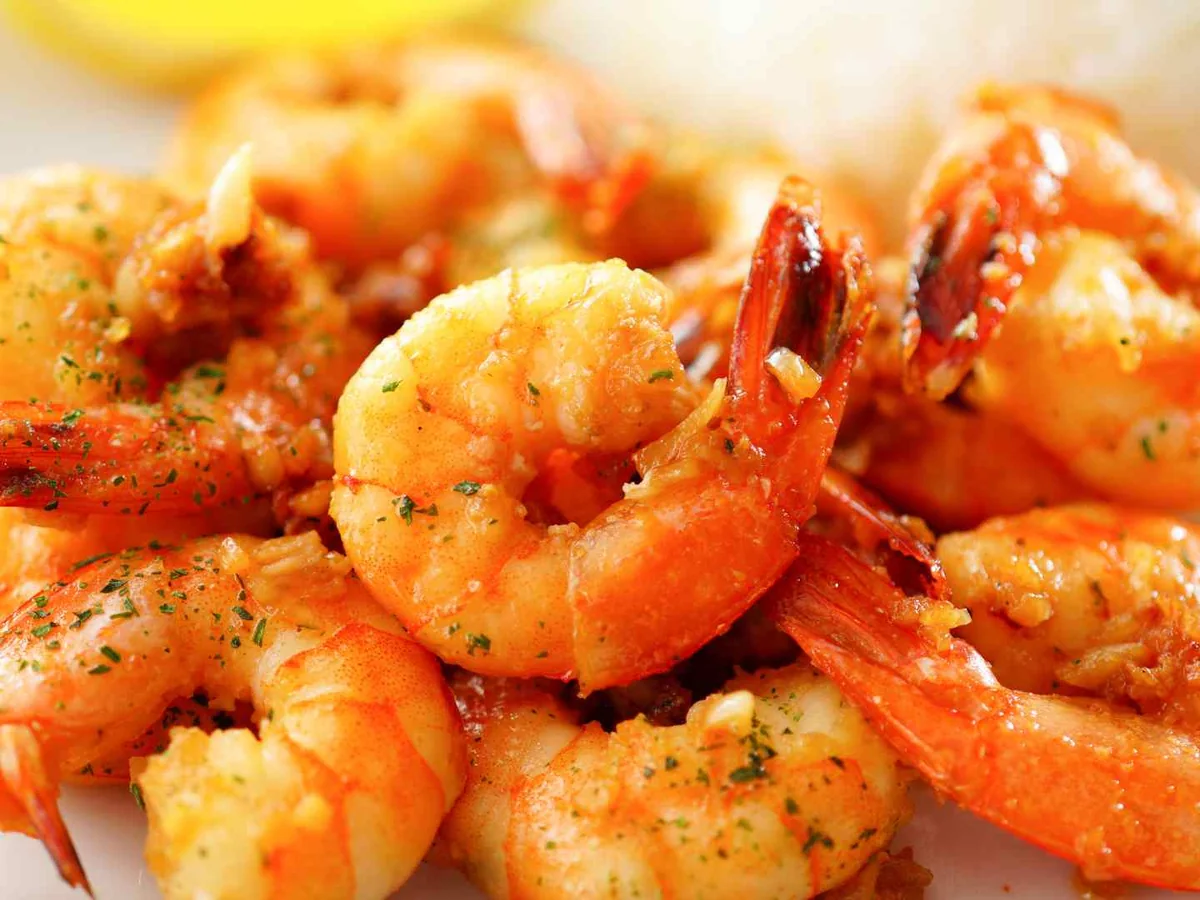
Scampi and grilled shrimp often combine garlic, butter, oil, salt, wine, lemon, and herbs. Cooking garlic does not remove its ability to injure feline red blood cells, and powder in a marinade can be difficult to see.
The Merck Veterinary Manual identifies cats as especially susceptible to Allium toxicosis and notes that cooked forms have caused poisoning. Signs of anemia may be delayed for several days after the platter is gone.
Do not rinse a seasoned shrimp and call it plain, because butter and seasoning lodge in crevices and soak the surface. Set aside an unseasoned piece before the restaurant-style recipe begins.
Our garlic guide for cats explains the delayed weakness, pale gums, rapid breathing, and dark urine that demand attention. A known garlic exposure deserves a call before those signs arrive.
Cocktail sauce, coconut shrimp, and fried crumbs
Cocktail sauce can include horseradish, salt, sugar, tomato concentrate, lemon, onion, or garlic. Hot horseradish may irritate the mouth and stomach, while the sauce cup and foil seal create small-object hazards.
Coconut shrimp adds batter, frying fat, salt, sweet dip, and sometimes a wooden pick. Tempura and popcorn shrimp bring similar richness and a high surface area for seasoning.
A greasy bite may lead to nausea, vomiting, diarrhea, or abdominal discomfort, particularly in a sensitive cat. Avoid the overly certain claim that every fried shrimp causes pancreatitis, but contact a clinic for persistent pain or repeated vomiting.
Butter is only one variable in a restaurant dish. The feline butter guide helps with fat and wrapper questions, while the shrimp recipe still needs its own full inventory.
Skewers, picks, and seafood-boil hardware
Grilled shrimp may arrive on bamboo skewers, metal picks, cocktail swords, rosemary stems, or toothpicks. A missing pointed object can puncture the mouth, esophagus, stomach, or intestine and should never be managed by waiting for it to appear in stool.
Seafood boils also scatter corn-cob pieces, shells, lemon wedges, sausage casing, string, foil, and plastic gloves. Report every accessible object to the clinic instead of letting the word shrimp narrow the case too early.
Bring an identical skewer or photograph with a ruler when possible. Material, length, thickness, broken ends, and missing portion help the veterinary team plan imaging and removal.
Raw contact can survive a cooked serving
Cooked shrimp can be contaminated again by raw hands, cutting boards, tongs, marinade, or a platter that was never washed. Keep raw and ready-to-eat seafood on separate equipment and clean kitchen surfaces promptly.
The CDC advises careful handwashing and separation around raw pet food because raw animal ingredients can spread germs to pets and people. The same hygiene principle applies when a cat walks through shrimp thawing liquid.
If raw seafood was actually eaten, the raw fish guide provides a wider foodborne-pathogen and thiaminase discussion. Raw fish and raw crustaceans are not identical, but neither belongs in an improvised feline tasting menu.
Kittens, seniors, pregnant cats, immunocompromised animals, and households with vulnerable people have less margin for avoidable microbial exposure. A raw taste is a household sanitation issue even when the cat shows no immediate symptoms.
Cold storage has deadlines
Choose refrigerated shrimp that smells mild and fresh rather than sour, rancid, strongly fishy, or ammonia-like. Frozen packages should be intact without obvious signs of thawing and refreezing.
Thaw in the refrigerator, or use a sealed bag under cold water when cooking immediately. Counter thawing gives the outer surface too much warm time while the center remains frozen.
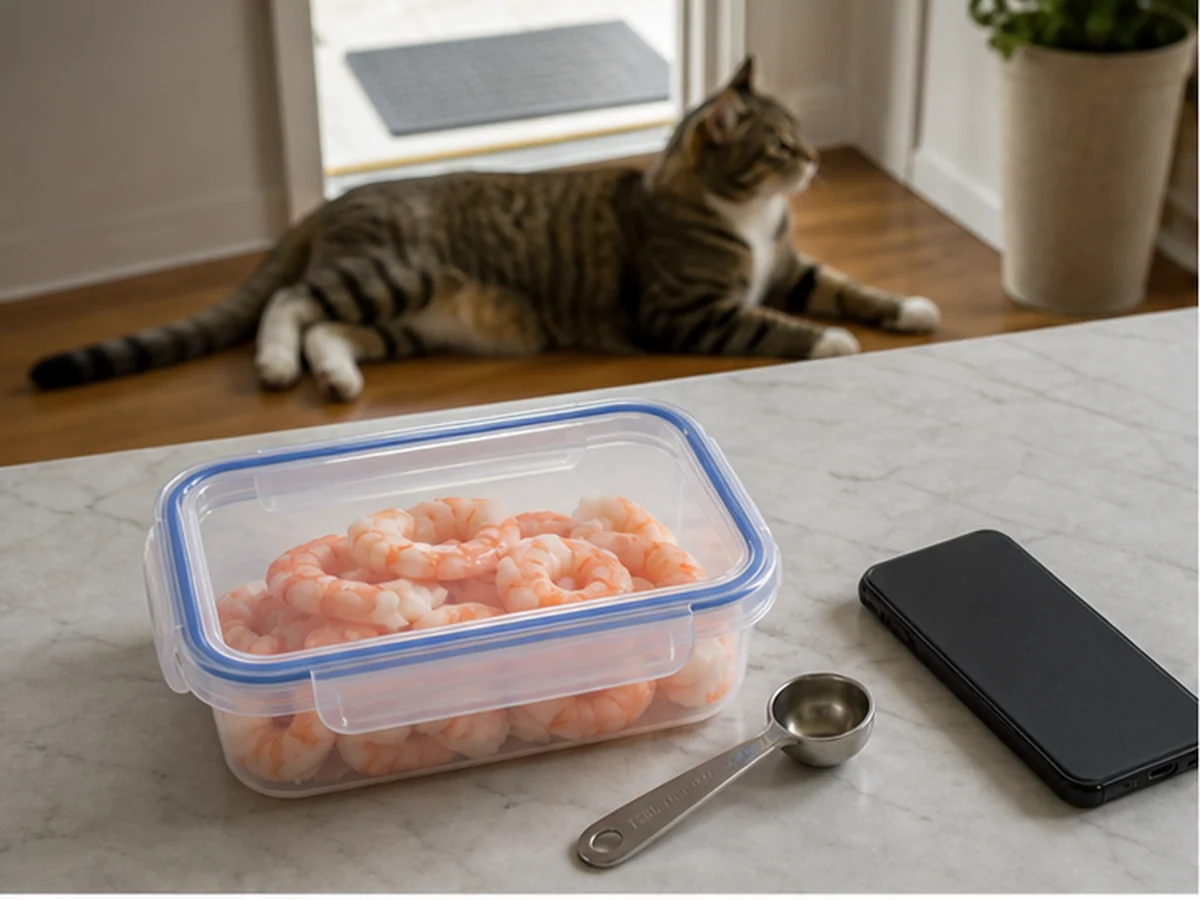
Refrigerate cooked leftovers promptly in a clean covered container. If the time at room temperature is unknown, the container leaked, or the shrimp smells questionable, discard it in a secured bin instead of recruiting the cat as a freshness tester.
Cooking spoiled shrimp again does not guarantee safety because some microbial byproducts may persist and handling contamination can remain. When in doubt, losing the appetizer is cheaper than treating the aftermath.
Shrimp allergy is possible, but not every upset is allergy
A cat can react adversely to a food protein, yet vomiting after buttery garlic shrimp does not diagnose a shellfish allergy. Richness, spice, bacteria, another ingredient, and swallowed shell all deserve consideration.
Stop shrimp after recurring itch, ear inflammation, skin lesions, vomiting, or diarrhea and arrange veterinary evaluation. A controlled elimination diet and challenge, supervised by a clinician, is more informative than repeatedly testing bites at home.
Facial swelling, widespread hives, breathing difficulty, wheezing, collapse, or rapidly worsening signs is an emergency. Do not give a human antihistamine without veterinary dosing and ingredient approval.
Portions for cats are not counted by the shrimp
One medium shrimp can already be a large treat relative to a cat’s daily calorie needs. Start with one pea-sized piece and let the remaining seafood stay on human plates.
Plain shrimp provides protein, but it does not supply every feline nutrient in the correct amount and ratio. The FDA’s complete-and-balanced explanation shows why a single ingredient cannot stand in for formulated cat food.
Cats with kidney disease, heart disease, obesity, previous pancreatitis, food allergy trials, or prescription diets need approval before shellfish treats. Sodium, phosphorus, calories, and an unplanned protein can all matter to a therapeutic plan.
What to do after cooked-shrimp theft
- Reconstruct the plate: note cooking method, sauce, salt, garlic, onion, batter, lemon, spice, and the largest amount missing.
- Count hard objects: find every shell, tail, head, skewer, pick, foil seal, and piece of plastic wrap.
- Check storage: record purchase, thawing method, cook time, refrigeration, and how long the platter sat out.
- Call promptly: seek advice for Alliums, raw or spoiled seafood, missing shell or hardware, a large serving, or a medically fragile cat.
- Go urgently: airway trouble, collapse, facial swelling, repeated retching, severe weakness, or persistent vomiting needs rapid care.
A healthy cat that stole one tiny plain, fully cooked, peeled piece and remains normal may only need observation. Continue the regular diet and water rather than adding dairy, oil, or extra shrimp as a home remedy.
Frequently asked questions
Can cats eat boiled shrimp?
Yes, a tiny piece may be suitable when boiled in plain water, fully opaque, cooled, completely peeled, and finely cut. Boil seasoning, salt, shells, tails, and cocktail sauce must stay out of the feline portion.
Can cats eat frozen cooked shrimp?
Read the package for salt, phosphates, glaze, and seasoning, then thaw safely in the refrigerator. A plain fully cooked piece can be offered after shell removal and portioning, but it remains an occasional extra.
What if my cat swallowed a cooked shrimp tail?
Call with the tail size, time, cat’s weight, and current signs because hard fragments can choke, injure, or obstruct. Do not induce vomiting or feed bulky food to force passage.
Is cooked shrimp good protein for cats?
It contains protein, but a shrimp morsel is not nutritionally complete and does not deserve meal-sized status. Balanced cat food should provide nearly all daily nutrition.
Bottom line
Cooked shrimp can earn a tiny cameo when the meat is plain, opaque, fresh, cool, peeled, and chopped. The moment tails, garlic butter, skewers, raw juices, or questionable storage join the plate, stop treating it as a simple seafood snack and assess the whole scene.