Can Cats Eat Jelly? Fruit Labels, Grape Ingredients, and Sweeteners
Do not make jelly a cat treat. A tiny lick of ordinary non-grape jelly may cause no problem, but the fruit source, real Vitis grape ingredients, concentrated sweeteners, alcohol, mold, sticky texture, glass, lids, foil seals, and the cat’s medical history must be identified before an accident is dismissed.
Start with the jar, not the color
| Front label | Questions behind it | First response |
|---|---|---|
| Grape jelly | Does it contain grape juice or concentrate? | Call for feline-specific advice |
| Strawberry jelly | Sugar, sweetener, mold, package | Remove access and read the panel |
| Mixed fruit | Which fruits and concentrates? | Identify every source |
| Sugar-free | Which sweetener and how much? | Save the exact formula |
| Homemade jar | Recipe, seal, storage, alcohol | Ask the maker and inspect the container |
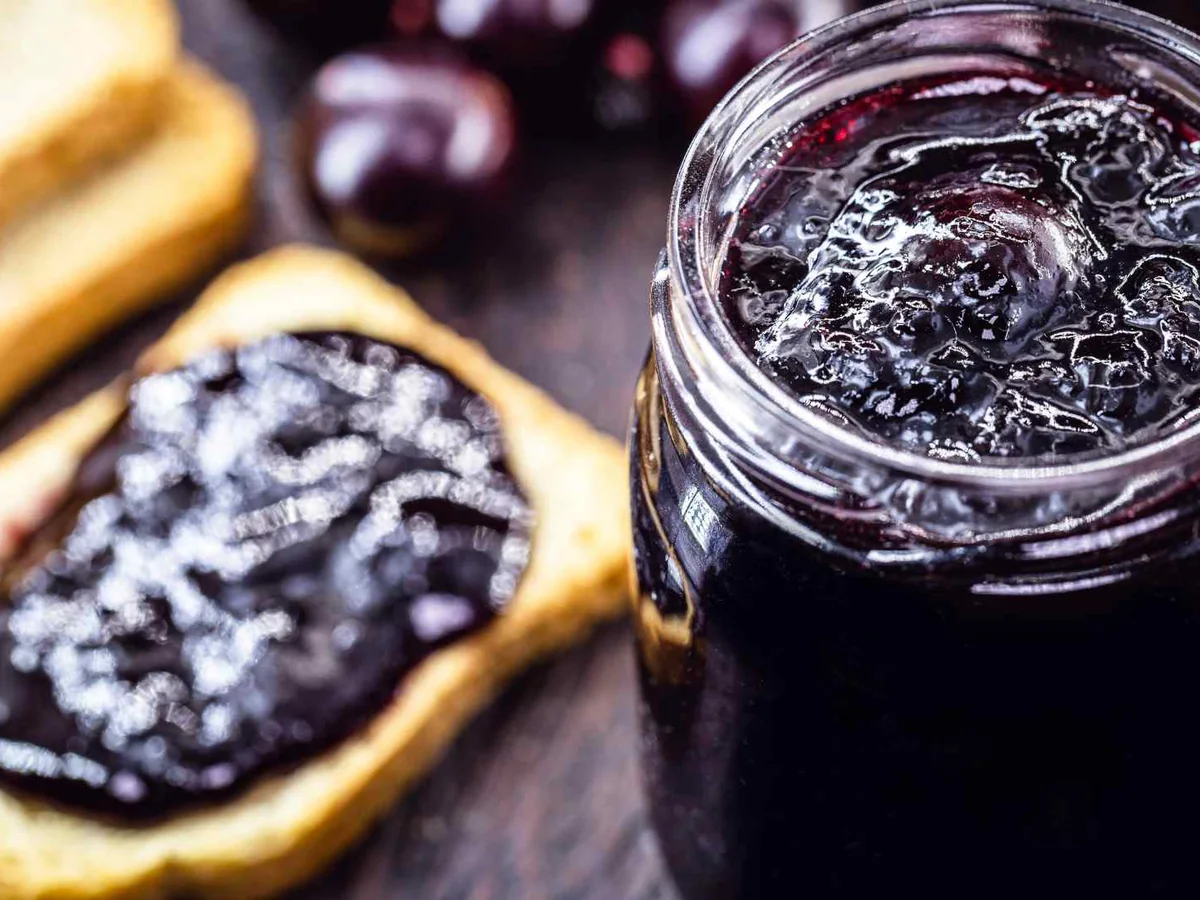
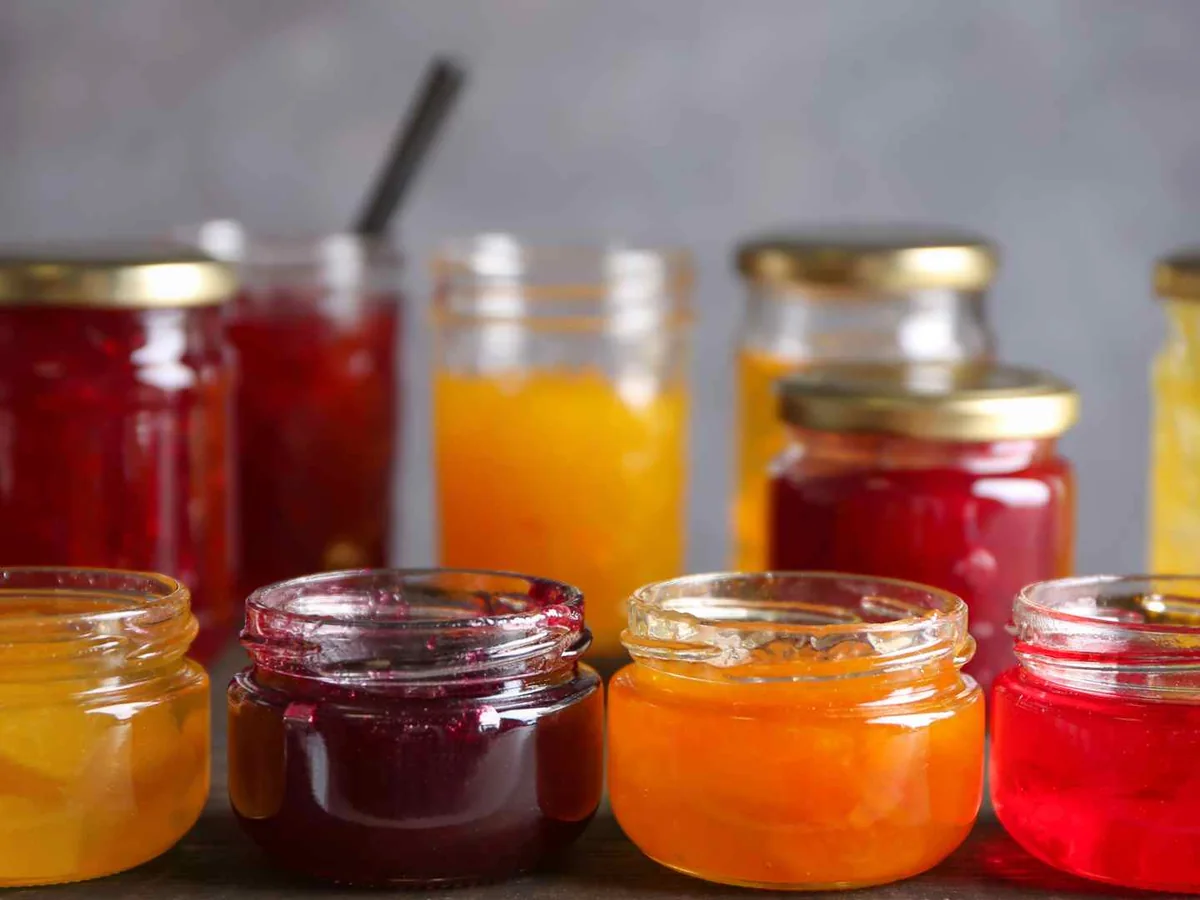
Purple can come from grape, blackberry, blueberry, coloring, or a blend, while red does not guarantee strawberry. Photograph the ingredient list, product name, lot, amount missing, and time before wiping the sticky scene away.
Call promptly for grape-derived jelly, an unknown fruit blend, concentrated sweetener, alcohol, mold, a large amount, symptoms, or missing glass and packaging. Do not induce vomiting or force water into a cat.
Grape jelly requires a feline evidence boundary
Grapes, raisins, and related Vitis products are established causes of acute kidney injury in some dogs, but that evidence does not supply a feline toxic dose. The Merck review states that published cases are in dogs and feline reports are anecdotal.
That uncertainty is not permission to feed grape jelly or ignore an exposure. Contact a veterinarian or poison service with the actual cat and product rather than applying a dog threshold, promising safety, or announcing certain kidney failure.
Real grape ingredients can hide in blends
Look for grape juice, grape juice concentrate, raisin paste, wine, must, currant language, and mixed-fruit concentrate. “Natural flavor” does not reveal proportions, so contact the manufacturer if the clinician needs clarification.
True currants in the genus Ribes differ from Zante currants, which are dried grapes. Common food names are messy enough that the package and botanical source matter more than a shopper’s memory.
Ordinary sugar is a routine-diet problem
Most jelly is rich in added sugar and contributes sticky calories without balanced feline nutrition. One small lick is not automatically a sugar emergency, but repeated tastes can promote weight gain, displace proper food, and complicate diabetes management.
Do not use jelly to entice a cat with poor appetite unless the veterinary team approves the exact product. A few sweet licks can disguise inadequate intake while providing little protein or essential feline nutrition.
Sugar-free demands an exact sweetener name
Products may use xylitol, erythritol, stevia, sucralose, monk fruit, sorbitol, or blends. The severe xylitol hypoglycemia and liver-injury syndrome is established in dogs, while comparable feline sensitivity is not well characterized.
Call with the label rather than borrowing a canine dose or assuming cats are immune. The FDA includes xylitol among potentially dangerous pet exposures, but case management still belongs to a veterinary professional.
Jelly, jam, preserves, and fruit spread differ
Jelly is generally made from strained juice, jam includes crushed fruit, and preserves may hold larger pieces, although products and regional usage vary. Seeds, skins, stems, pits, and whole fruit fragments create texture questions absent from a smooth gel.
Read the formula instead of treating these names as safety categories. The site’s fruit overview helps sort fresh fruit, dried fruit, pits, peel, juice, and prepared products without assigning one rule to every plant.
Sticky texture can interfere with the mouth
Jelly can coat whiskers, paws, teeth, palate, or fur and trigger frantic grooming. A large sticky lump on bread, plastic, or foil is more concerning than a shallow tongue mark on a plate.
Do not pry the mouth open or scrub with scented products. Ask for cleaning advice if the coat is heavily contaminated, and seek care for gagging, repeated swallowing, drooling, mouth pawing, or breathing difficulty.
Toast and sandwiches bring a second ingredient list
Peanut butter and jelly sandwiches add bread, nut spread, sweeteners, salt, chocolate-flavored products, raisins, toothpicks, and plastic bags. Pastries and thumbprint cookies can include butter, raw dough, nuts, powdered sugar, and hot filling.
Review every component and account for wrappers or closures. Our bread guide distinguishes a plain baked crumb from yeast dough, mold, mix-ins, and bags.
Homemade jelly needs recipe and storage details
Home canning can use fruit, sugar, pectin, acid, spices, alcohol, and jar-processing steps that vary by recipe. A failed seal, bulging lid, leakage, gas, mold, or off odor means the product should not be tasted by people or pets.
The National Center for Home Food Preservation provides tested jam and jelly methods. Do not scrape mold from a jar and offer the remainder, and do not ask the cat to test whether a seal was safe.
Wine jelly and spirited preserves add alcohol
Some specialty jellies contain wine, beer, spirits, or liqueur, and the remaining alcohol depends on recipe and processing. “Cooked” is not enough information to guarantee that none remains.
Call for a meaningful alcohol-containing exposure or weakness, wobbliness, vomiting, unusual sleepiness, low body temperature, slow breathing, or collapse. Keep the jar available and do not try to wake the cat with coffee.
Glass, lids, and foil seals change urgency
A fallen jar can create nearly invisible shards coated in sweet food, while metal lids, tamper rings, paper liners, and foil membranes can cut or obstruct. Check paws before allowing the cat to walk away grooming.
Breathing trouble, active bleeding, a swallowed shard, or severe distress is an emergency. Do not induce vomiting after possible glass or metal ingestion, and do not sweep until pets are secured elsewhere.
Moldy jelly is not salvageable
Visible mold can extend beyond the spot that caught your eye, and some molds may produce harmful compounds. Discard the entire product according to food-safety guidance instead of scooping the top and saving the remainder for anyone.
Urgent signs after moldy food include tremors, poor coordination, agitation, repeated vomiting, seizures, or collapse. Photograph the jar and isolate it safely, but do not delay veterinary transport to preserve evidence perfectly.
Prescription diets and medication use
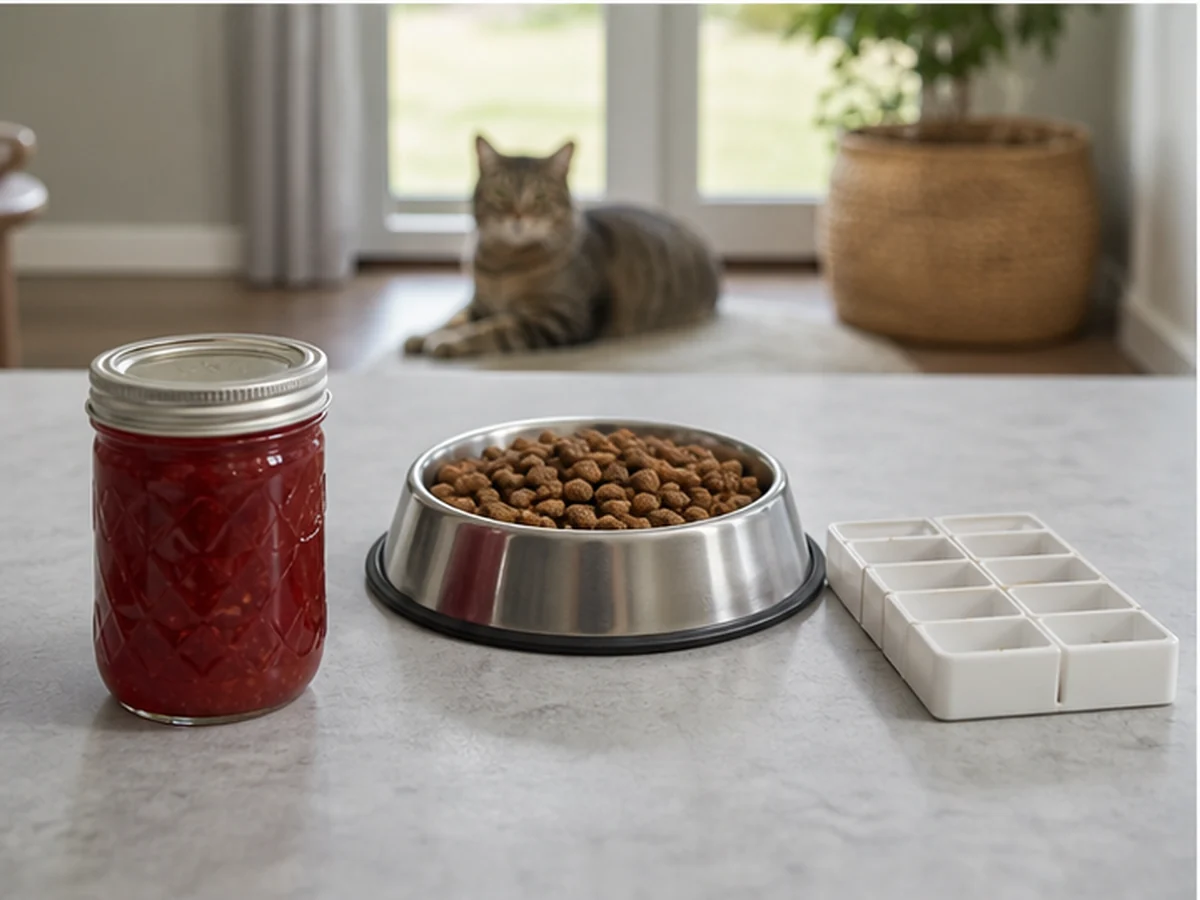
Cats with diabetes, obesity, kidney disease, gastrointestinal illness, food allergy, or calorie-controlled diets should not receive sweet spread. Jelly can also make elimination trials and glucose management harder to interpret.
Do not hide pills in jelly unless the prescribing clinic confirms compatibility, because some medicines should not be crushed or given with certain foods. Veterinary pill treats or a measured portion of approved food are easier to account for.
What to report after a jelly raid
- Exact fruit source and whether true grape, raisin, wine, or mixed concentrate appears.
- Sugar-free status and every named sweetener.
- Homemade recipe, storage history, seal condition, mold, and alcohol.
- Largest possible amount, time, cat weight, conditions, medications, and current signs.
- Missing jar shards, lids, tamper rings, wrappers, bread bags, or utensils.
List each animal separately if several pets shared the spill. A dog’s established grape risk and a cat’s uncertain evidence base require species-specific conversations even when both licked the same plate.
After one tiny verified non-grape, ordinary-sugar lick with no package damage or symptoms, observation may be all that is advised. Monitor normal appetite, vomiting, stool, urination, thirst, energy, and comfort for the period the clinician recommends.
Jelly is not hydration or nutrition
Fruit spread contains water, but its sugar and concentrated ingredients do not make it an oral rehydration product. Force-feeding sticky food to a nauseated cat risks stress and aspiration without correcting the underlying illness.
The FDA explains how complete cat food communicates nutritional adequacy. Keep jelly in the human condiment shelf and let the veterinarian address reduced intake or dehydration.
Restaurant portions and sample cups remove useful context
Diner packets, hotel jars, bakery fillings, takeout ramekins, and unlabeled sample cups may not show fruit species, sweetener, alcohol, or storage instructions. Keep the wrapper and ask the business for its current supplier or ingredient sheet before settling on a generic answer.
A punctured packet also leaves foil and plastic corners coated with food, while a broken single-serve glass jar creates a cutting hazard. Account for every piece and do not let the cat groom jelly from a paw that may contain a shard.
Jelly doughnuts, toaster pastries, and filled candies combine the spread with fried dough, fat, chocolate, sweetener, icing, or hot filling. A fruit name on the menu does not turn the complete dessert into fruit.
For another concentrated sweet spread, the site’s honey guide covers sticky texture, sugar, products, and packaging. Neither condiment earns a nutritional role simply because its source began in nature.
If the cat has diabetes, record the jelly amount and contact the treating team rather than changing insulin independently. Glucose management depends on the actual patient, meal, medication, and readings, not an improvised sugar correction copied from human advice.
Prevent repeat raids by wiping jar threads before storage, closing lids firmly, and keeping open sandwiches inside a cupboard or microwave. A cat can remove a loosely placed lid with efficiency usually reserved for tasks nobody requested.
Sticky questions, clear answers
Can cats eat strawberry jelly?
One tiny lick of ordinary strawberry jelly may cause no sign, but it is sugary and unnecessary. Check sweeteners, mold, alcohol, mixed fruit, and package damage before monitoring.
Is grape jelly proven toxic to cats?
Published grape-toxicosis cases reviewed by Merck are in dogs, with anecdotal feline reports and no established cat dose. Avoid it and call for case-specific advice rather than transferring dog thresholds.
Can jelly help a cat swallow medicine?
Only if the prescribing veterinarian approves the exact product and administration method. Jelly can contain problematic ingredients and does not guarantee the full dose is swallowed.
The jar-lid verdict
Jelly is an unnecessary sticky concentrate whose real answer comes from its fruit, sweetener, recipe, storage, and package. Treat genuine grape content with feline-specific uncertainty, not dog-dose certainty, save every label, call for hazardous ingredients or objects, and keep balanced cat food in charge.