Can Cats Have Lemon Juice? Fresh Juice, Concentrate, Peel Oils, and Cleaners
Do not offer lemon juice to cats. A tiny diluted food splash may cause only drooling or stomach upset, but concentrate, peel oil, essential oil, cleaners, eye exposure, inhalation, sugar-free drinks, and swallowed packaging can be much more concerning.
Identify the lemon exposure by route
Save the lemon, bottle, concentrate tube, cleaner, essential-oil vial, recipe, or restaurant label. Note swallowing, eye splash, skin contact, inhalation, and whether the cat groomed contaminated fur.
Estimate fresh drops, teaspoons, concentrate strength, or product fraction and list sweeteners, alcohol, salt, garlic, herbs, detergents, and other oils. Count caps, foil, glass, and droppers.
Breathing trouble, repeated vomiting, severe drooling, weakness, tremors, collapse, eye pain, or essential-oil exposure needs prompt veterinary help. Do not induce vomiting.
Fresh juice is acidic and irritating
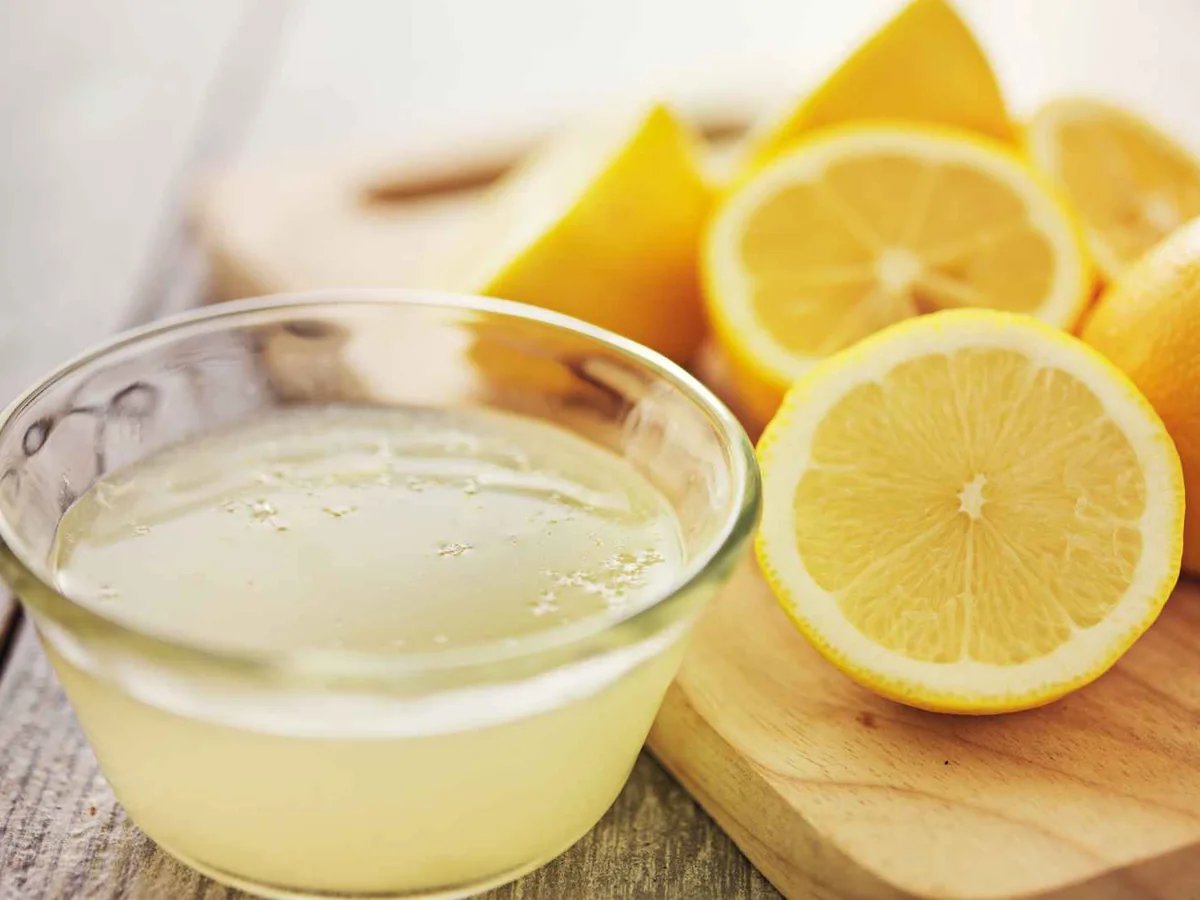
Citric acid and low pH can irritate a cat’s mouth and stomach, producing drooling, lip licking, pawing, vomiting, or diarrhea. A single food droplet is different from drinking concentrate.
Do not offer more juice to test tolerance. Cats have no nutritional need for lemon water or a vitamin C boost.
The cat citrus guide compares flesh, peel, oils, and products without declaring every tiny taste a poisoning.
Juice is not peel oil
Pressed juice contains different concentrations and compounds from cold-pressed peel oil or distilled essential oil. Risk statements for concentrated oil should not be pasted onto one diluted juice droplet.
Conversely, calling fresh juice mildly irritating cannot clear an oil spill. Identify the actual material and route.
ASPCA’s essential-oil guidance advises veterinary consultation after exposure because concentration, route, and animal health matter.
Concentrate changes amount
Frozen concentrate, shelf-stable lemon juice, powdered crystals, and restaurant sour mix may be much stronger or differently formulated than fresh juice. Read dilution directions and ingredients.
A cat licking dry powder can inhale it and then groom residue from paws. Move the cat away without sweeping dust upward.
Persistent coughing, squinting, mouth pain, or repeated vomiting deserves advice. Save the product for concentration calculations.
Eye splashes need gentle restraint
Lemon juice in an eye can cause pain, tearing, redness, squinting, and rubbing. Prevent self-trauma and contact a veterinarian for flushing instructions.
Do not neutralize acid with baking soda, milk, oil, or another chemical. Chemical reactions and rubbing can worsen corneal injury.
If a professional directs rinsing, use the specified fluid and duration while avoiding pressure on the eye. Ongoing pain needs examination.
Juice on fur becomes a grooming exposure
A small food splash on outer fur may be removed with a damp cloth, while concentrate or a mixed cleaner needs product-specific decontamination. Prevent licking until guidance is clear.
Do not use scented shampoo, solvent, essential oil, or adhesive remover. Cats can absorb or swallow whatever is used for cleanup.
Bag contaminated collars or bedding and ventilate safely. Weakness, wobbliness, tremors, or breathing changes is urgent.
Lemon water is not hydration therapy
Adding lemon can discourage drinking, irritate the mouth, and make intake harder to measure. Healthy cats need fresh plain water; dehydrated cats need diagnosis.
Cornell’s feline hydration resource explains that clinical dehydration may require subcutaneous or intravenous fluids. Citrus water cannot substitute.
Sudden thirst, reduced urine, vomiting, diarrhea, dry gums, or lethargy deserves veterinary advice.
Lemonade and sugar-free drinks
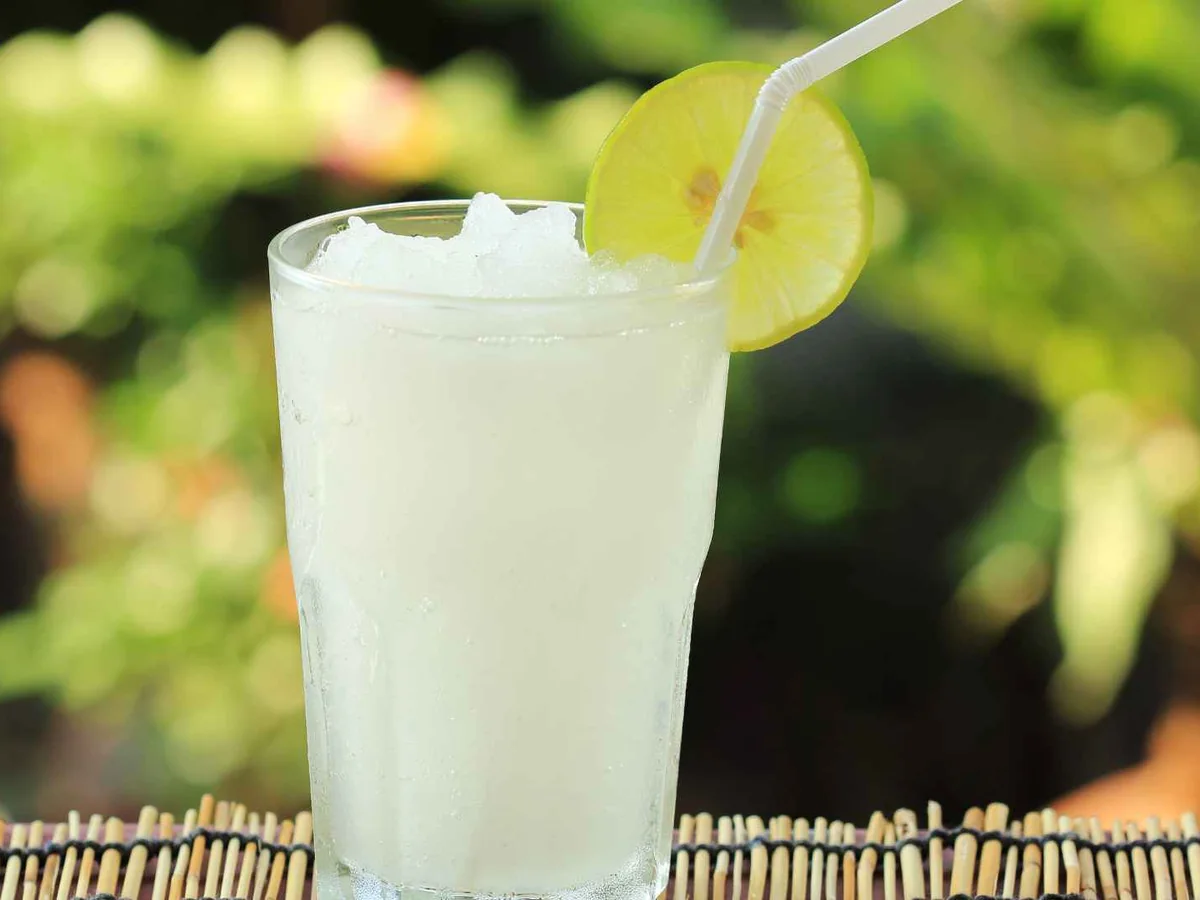
Lemonade adds sugar, syrup, sweeteners, flavoring, ice, straws, and sometimes alcohol. One diluted lick differs from a cup raid.
Xylitol is a severe dog toxin, while comparable feline toxicity has not been demonstrated. FDA says it does not seem as dangerous for cats, not that every feline amount is safe.
Do not transfer canine thresholds. Call with the exact label after an unknown sugar-free drink.
Fish, chicken, and salad marinades
Lemon juice often accompanies garlic, onion, salt, oil, raw fish, poultry, herbs, and skewers. Those companion hazards may outrank the citrus.
The cat garlic guide covers delayed allium injury. Photograph the entire dish and preserve the recipe.
Do not rinse seasoned meat and serve it to the cat. Marinade penetrates crevices and raw handling adds pathogens.
Cleaning products are not food
Lemon-scented cleaners may contain detergents, disinfectants, solvents, quaternary ammonium compounds, fragrance mixtures, or essential oils. Their scent does not prove lemon juice is the active ingredient.
Keep the exact Safety Data Sheet or product label and call after licking, paw exposure, inhalation, or eye contact. Move the cat to fresh air if safe.
Never induce vomiting after cleaner ingestion because caustic or foaming products may injure the esophagus or lungs on return.
Peels, zest, and juicing hardware
Zest contains aromatic peel oils, while rind pieces can be tough and bitter. Juicers also leave seeds, strainers, blades, mesh, and plastic parts coated with scent.
The cat orange-peel guide offers related peel context, but lemon product concentration still needs its own label.
Count hardware after cleanup. A missing blade fragment or hard cap is an urgent foreign-object question.
Baking extract and preserved lemon
Lemon extract can contain concentrated flavor and alcohol, while preserved lemon carries heavy salt and sometimes spices. Neither is assessed like fresh juice.
Weakness, wobbliness, unusual sleepiness, low temperature, slow breathing, or collapse after alcohol exposure is urgent. Major brine ingestion can also cause neurologic signs.
Save recipe measurements and jar labels. Do not wait for the product name to sound toxic enough.
Medical diets and mouth disease
Cats with oral ulcers, dental disease, kidney disease, gastrointestinal illness, or prescription diets should avoid acidic human products. Lemon can make an already painful mouth feel worse.
Do not use juice to dissolve hairballs, treat urinary crystals, repel fleas, or supply vitamins. These claims lack a safe feline dose and can delay care.
A cat refusing food after mouth exposure deserves timely assessment. Appetite loss is medically important in cats.
After one tiny diluted food splash
For a healthy adult with one tiny lick of diluted food-grade juice and no oil, cleaner, sweetener, or risky recipe, continue normal food and water while watching drooling, vomiting, diarrhea, appetite, energy, and comfort.
Call if signs persist, amount increases, or product identity changes. Keep the bottle and note every first-aid step already taken.
Close juice containers and rinse tools before the cat returns. Sour curiosity is still curiosity.
Lemon juice and urinary myths
Acidic taste does not mean lemon safely acidifies a cat’s urine or dissolves urinary crystals. Different crystal types, infection, obstruction, diet, and underlying disease require diagnosis.
A male cat straining, crying, producing little urine, vomiting, or hiding may have a life-threatening urethral blockage. Go for emergency care rather than adding citrus to water.
Prescription urinary diets work through controlled nutrient profiles and clinical evidence. Lemon juice can reduce drinking and disrupt the plan.
Flea and furniture deterrent claims
Lemon sprays are promoted online for fleas or keeping cats off furniture, but homemade concentration is unpredictable and skin, eye, inhalation, and grooming exposure are likely.
Use only veterinarian-recommended flea products labeled specifically for cats and the animal’s age and weight. Dog products and essential-oil mixtures can be dangerous.
For behavior, provide attractive scratching and resting alternatives instead of making the home smell painful. A deterrent should never depend on irritating the cat.
Seeds and whole wedges
Lemon seeds are firm foreign material, while a whole wedge combines peel oil, acidic pulp, membrane, and choking shape. Garnish picks add a sharp-object hazard.
Count wedges and picks after restaurant meals. A missing skewer, cocktail stick, or rigid seed cluster deserves prompt direction.
Do not pull string, peel, or plastic protruding from the mouth or anus. Internal attachment can make pulling dangerous.
Several cats and one spill
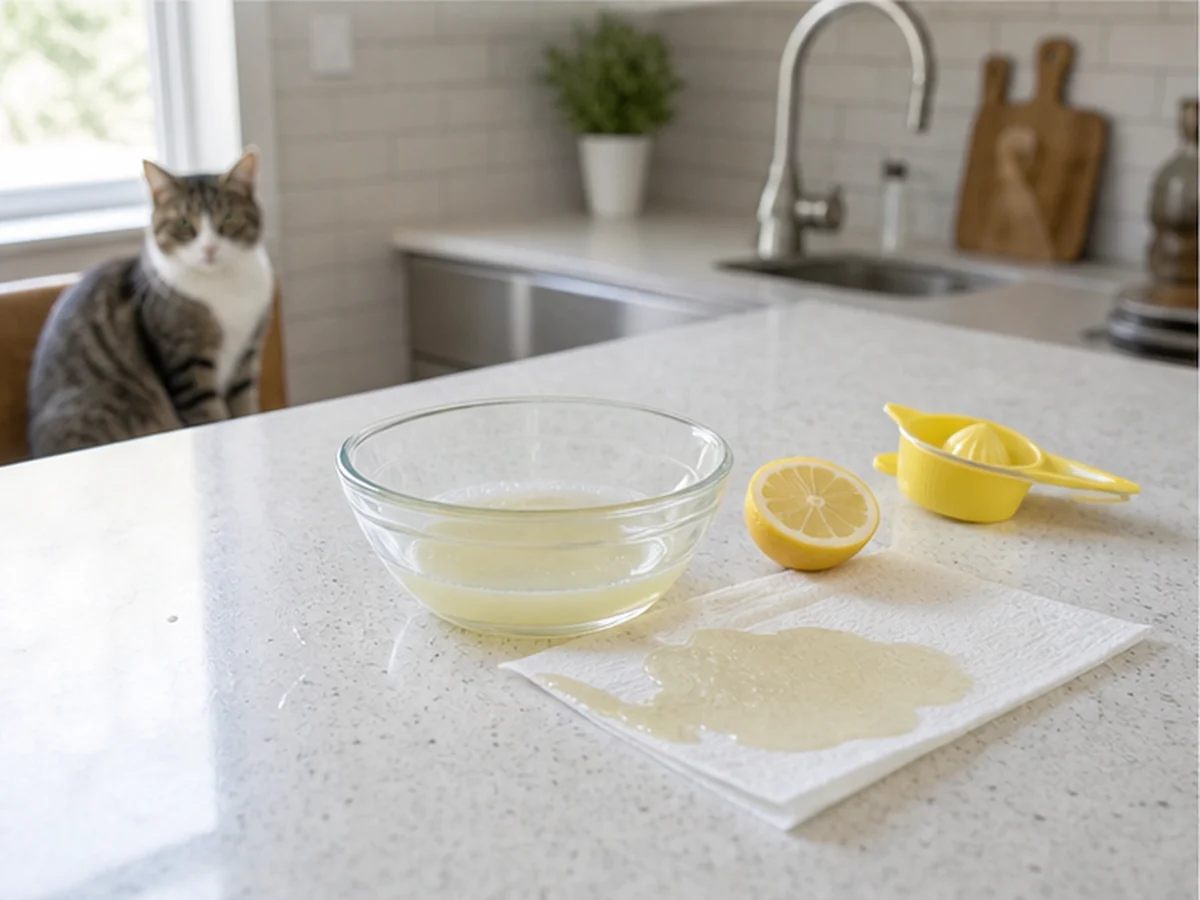
If more than one cat enters a juice spill, separate them and track drooling, vomiting, appetite, breathing, gait, and eye signs individually. The wettest paws may not identify the largest ingestion.
Report each cat’s weight, health conditions, and likely route. Do not divide the missing volume equally without seeing who drank.
Move food and water bowls before cleaning so citrus and detergent do not splash into them. Rinse the floor using a pet-safe method.
Lemon juice can also appear in hair-lightening products, cuticle treatments, cosmetics, and homemade skin mixtures. These may contain peroxide, fragrance, alcohol, or other active ingredients that change first aid.
Save the full cosmetic package and call after licking, eye contact, or a large coat spill. Do not assume a beauty product is food-grade because the label shows fruit.
A lemon slice left in a humidifier, diffuser, or simmer pot can expose a cat through warm aerosol, hot water, peel oils, and appliance hazards. Turn the device off safely, ventilate, and call for coughing or breathing changes.
Keep electrical cords and hot vessels beyond reach. Open-mouth breathing in a cat is an emergency, whatever scent was in the room.
Write down whether first aid changed the cat’s signs, because coughing after forced liquid or worsening pain after an improvised cleaner can alter urgency.
FAQ
Can cats lick fresh lemon juice?
Do not offer it. One tiny diluted lick may cause only irritation, but larger or concentrated exposures deserve veterinary advice.
Is lemon essential oil the same as juice?
No. Peel-derived essential oil is far more concentrated and needs prompt product-specific guidance after contact.
What should I do if lemon juice gets in my cat’s eye?
Prevent rubbing and contact a veterinarian for flushing instructions; do not attempt chemical neutralization.
Can lemon water hydrate a cat?
No. Offer plain fresh water and seek veterinary care when dehydration or abnormal thirst is suspected.
Bottom line
Lemon juice is unnecessary and irritating, while concentrate, peel oil, cleaners, eyes, lungs, sweeteners, marinades, and packaging create distinct risks. Identify the product and exposure route before choosing careful, professional first aid.