Can Cats Eat Brussels Sprouts? Small Bites Without the Dinner Drama
A tiny piece of soft, plain Brussels sprout is generally low risk for a healthy adult cat, but this cruciferous vegetable is fibrous and famous for making digestive systems conversational. Whole sprouts, woody stems, rich roasting fats, garlic, onion, bacon, and sauces create more practical concern than the plain leaf.
The answer depends on the missing piece
If your cat stole one soft shred from an unseasoned cooked sprout, remove the dish and watch normally. Mild gas or a temporary stool change is possible, although many cats will have no reaction at all.
A whole sprout, hard raw half, long stem, skewer, or food wrapper deserves a call because choking and obstruction are size-and-shape problems. Seasoned restaurant sprouts also require a recipe check for onion, garlic, alcohol, excessive salt, and other additions.
Seek urgent care for breathing difficulty, repeated gagging, collapse, persistent vomiting, a swollen or painful abdomen, marked weakness, or inability to swallow. Do not force food, pull visible plant strands, or induce vomiting without veterinary instructions.
Brussels sprouts are compact cabbage buds
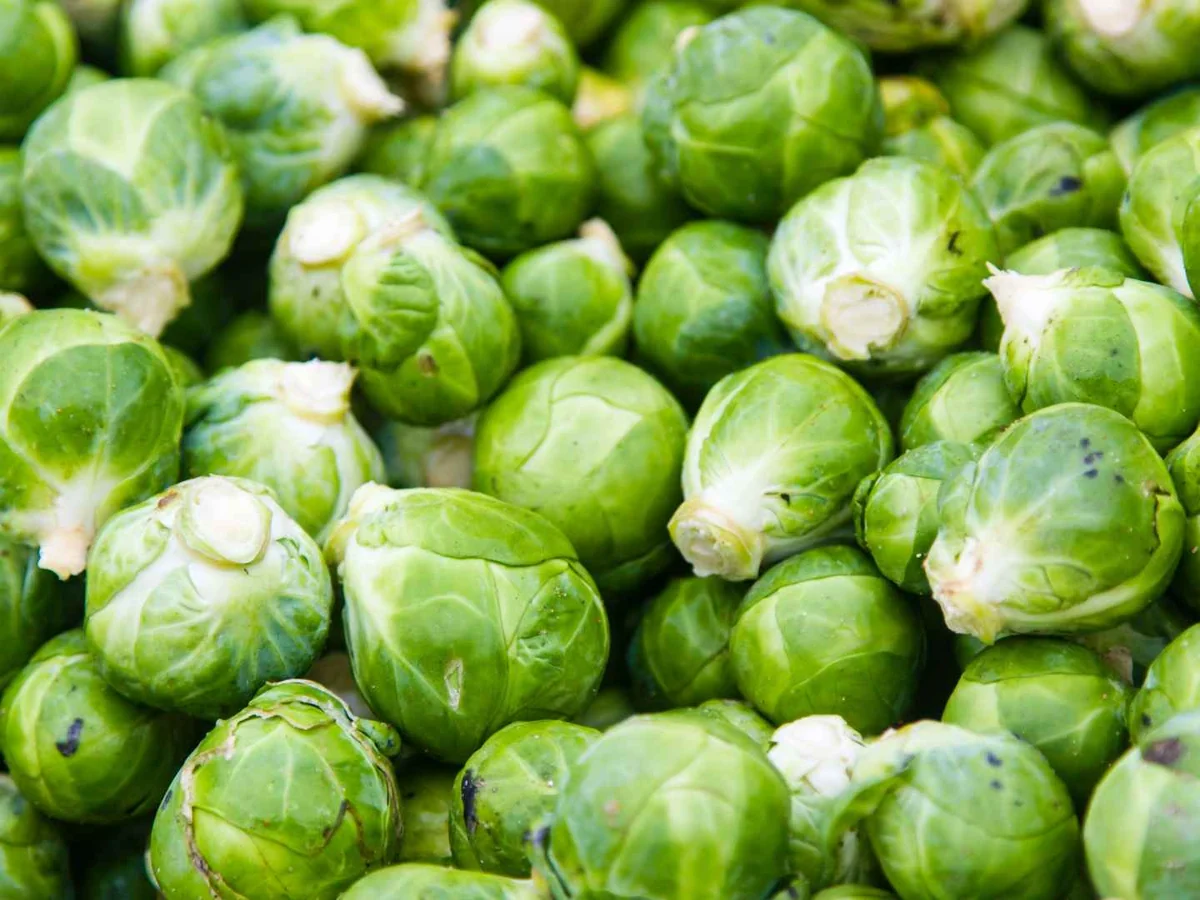
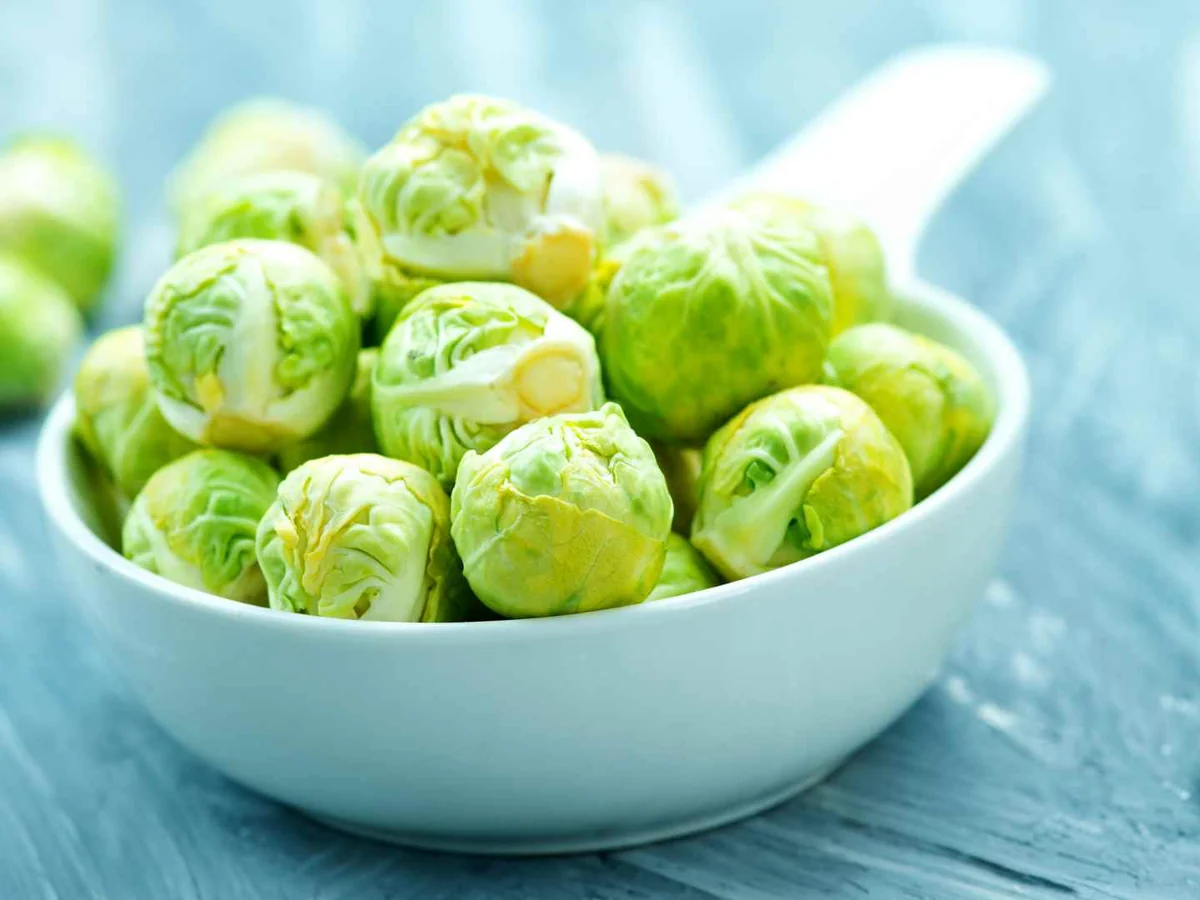
Brussels sprouts grow as small leafy buds on a stalk and belong to the same cultivated species as cabbage, broccoli, kale, and cauliflower. Their close family relationship explains similar flavors and fibers, but it does not justify giving every crucifer the same portion or preparation.
The plain vegetable is not recognized as a common feline poison. Its realistic household drawbacks are an awkward round shape, dense raw texture, fermentable plant material, large portions, and recipes designed for human taste.
Cats do not need Brussels sprouts for vitamin C, antioxidants, or fiber if they are eating an appropriate complete diet. A vegetable may contain useful nutrients while still being an inefficient way to provide them to this species.
Why gas is the predictable complaint
Brussels sprouts contain fiber and carbohydrates that gut microbes can ferment, producing gas. A cat who eats several pieces may develop flatulence, abdominal rumbling, soft stool, or diarrhea, especially if the food is unfamiliar.
Gas alone in a comfortable, eating, playful cat is different from a tense belly, repeated vomiting, hiding, or refusal to eat. Painful distention and ongoing signs need veterinary assessment rather than a joke about the vegetable’s reputation.
Do not offer more fiber as a home antidote to the first serving. Return to the regular diet, maintain water access, and let a veterinarian guide any change for persistent constipation or diarrhea.
Cooked and minced is the least awkward form
Steam or boil a fresh sprout in plain water until tender, remove the firm stem base, and mince one leaf or a crumb of the interior. Cool it completely because dense vegetables can hold surprising heat after the outside feels safe.
Keep a first sample smaller than a pea and offer it separately so you can see whether it was eaten. This is a cautious serving suggestion for a healthy adult, not an evidence-based minimum, maximum, or therapeutic dose.
Rinse fresh sprouts before cutting, using running water rather than soap or detergent. The FDA’s produce-safety guide recommends clean hands and surfaces, discarding rotten areas, and protecting produce from raw meat cross-contamination.
Plain frozen sprouts can be cooked the same way, but frozen-solid pieces should not become chew toys. Canned versions may be very salty or pickled, so read the label and choose fresh or unseasoned frozen food if offering any.
Raw sprouts and whole roasted sprouts
A raw Brussels sprout is dense, round, and difficult for a cat to break into safe mouthfuls. Shredding reduces choking geometry but leaves a tougher, less digestible food than cooking does.
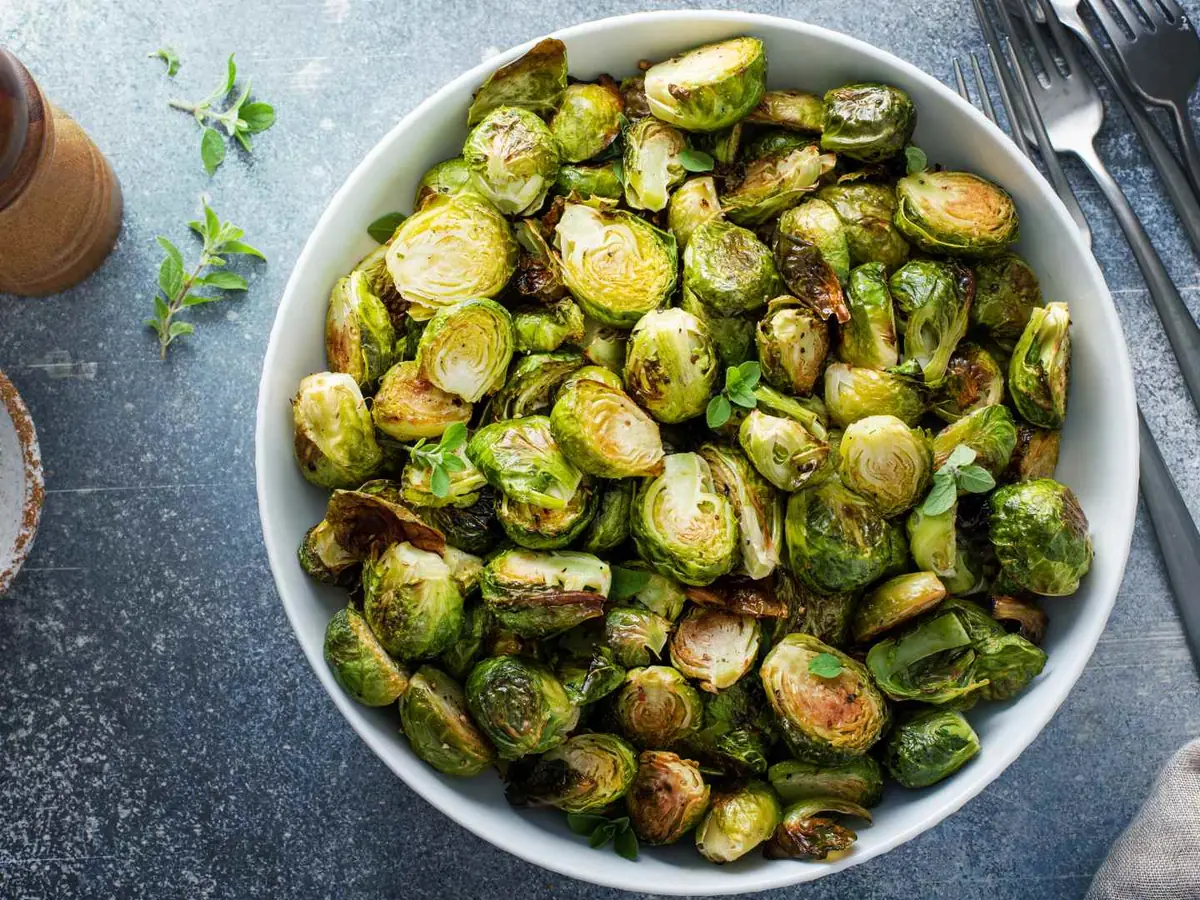
Whole roasted sprouts soften inside while outer leaves may become leathery or crisp, and browned surfaces can conceal hot oil. Quartering is not enough for most cats because even one quarter can still be a substantial lump.
The Merck Veterinary Manual identifies vomiting, appetite loss, lethargy, and abdominal pain among obstruction signs. A swallowed whole sprout followed by those changes warrants prompt examination.
Roasting recipes are where the risk changes
Popular Brussels sprout recipes use garlic, onion, bacon, parmesan, butter, chili, balsamic glaze, maple syrup, or honey. The vegetable’s name cannot clear a dish whose seasoning supplies the meaningful hazard.
Alliums deserve particular attention because cats are susceptible to oxidative red blood cell damage. The ASPCA’s people-food resource notes feline sensitivity and associates alliums with gastrointestinal irritation and anemia.
Contact a veterinarian after more than trivial garlic or onion exposure, including concentrated powders, and do not wait for weakness, pale gums, rapid breathing, or dark urine. Removing visible garlic pieces does not remove dissolved seasoning.
Bacon adds fat and salt, while toothpicks used for appetizers create a penetrating foreign object. If a wooden pick is unaccounted for, call immediately instead of waiting to see whether it appears in the litter box.
Air-fried, glazed, and restaurant versions
Air frying reduces the need for oil only when the cook actually uses less, and seasonings still remain. Crispy leaves can also break into sharp dry flakes that provoke coughing or gagging when a cat grabs them quickly.
Balsamic glaze combines acidity and concentrated sugar, and some restaurant reductions incorporate wine or other flavorings. A single lick is often a monitoring event, but a larger or unknown recipe should be discussed with a clinic.
Cheese sauces and butter can cause rich-food stomach upset without transforming the vegetable into a dairy emergency. The site’s butter guide helps size that part of the exposure.
Do cruciferous vegetables damage a cat’s thyroid?
Cruciferous plants contain compounds sometimes called goitrogens, which leads to broad warnings online. Evidence that an occasional tiny cooked Brussels sprout causes feline thyroid disease is lacking, and a theoretical mechanism should not be advertised as a routine poisoning event.
That uncertainty is another reason not to feed large, repetitive servings or create an unbalanced homemade vegetable-heavy diet. Cats with diagnosed thyroid disease should receive food, supplements, and medication according to their veterinarian’s plan.
Never stop thyroid medication or replace a prescription diet because a website praises or criticizes one vegetable. Clinical management depends on blood testing, examination, and the individual cat’s response.
This is not a weight-loss shortcut
Low calorie does not automatically mean appropriate for feline weight loss. Cats must continue receiving enough essential nutrients while calories are reduced, and bulky human vegetables can displace food without making the overall plan safe.
Cornell’s feline feeding overview emphasizes balanced nutrition and sensible treat limits. Use the measured regular ration or veterinary-approved treats rather than filling the bowl with sprouts.
Weight loss in cats should be gradual and supervised because overly aggressive calorie restriction can be dangerous. A plan that accounts for body condition, muscle, medical history, and actual daily intake beats a vegetable substitution trick.
Comparing nearby vegetables without copying dog advice
The site’s Brussels sprout overview is useful for recognizing stems, cooking forms, and recipe variations. Its canine portions and species claims should be replaced with feline-specific judgment.
Broccoli has florets and thick stems rather than compact buds, so the chopping problem looks different. The broccoli guide can help distinguish those parts, while the cauliflower guide covers another cruciferous texture.
No member of this vegetable family needs to rotate through the cat’s meals for variety. Cats experience useful enrichment through scent, play, hunting-style feeding, and appropriate textures without receiving a miniature human produce schedule.
Cats who should skip the sample
Avoid Brussels sprouts for kittens, cats with dental pain, swallowing problems, previous obstruction, chronic vomiting, inflammatory bowel disease, constipation under treatment, or a therapeutic diet. These cats have less to gain and more potential for dietary confusion.
During an elimination diet, every unapproved ingredient can interfere with interpretation. In a diabetic or overweight cat, even low-calorie extras should be counted and approved within the feeding plan.
If a cat refuses normal food but accepts novelty vegetables, do not mistake selectivity for recovery. Appetite loss in cats deserves timely veterinary attention, particularly when it lasts or accompanies vomiting, lethargy, pain, or weight loss.
A monitoring plan that stays practical
After a minor plain bite, observe normal eating, drinking, movement, litter-box use, and comfort over the following day. One harmless burst of flatulence is less important than a pattern of vomiting, hiding, hunching, or declining food.
For a seasoned dish, save the label or recipe and identify the possible amount. Include the cat’s weight, age, health problems, medications, time of exposure, and whether any stems, skewers, foil, or plastic are missing.
Call sooner for kittens, frail seniors, or cats with significant disease. When breathing, circulation, swallowing, or consciousness changes, go to urgent care while another person contacts the clinic if possible.
FAQ
Can cats eat raw Brussels sprouts?
A tiny shred is unlikely to be toxic, but raw sprouts are tough, dense, and harder to digest. Cook until soft and mince a very small amount if your veterinarian permits a taste.
Will Brussels sprouts make my cat gassy?
They can because their fiber and fermentable carbohydrates may produce gas in the gut. Stop offering them and call if bloating appears painful or comes with vomiting, lethargy, or appetite loss.
Can cats eat Brussels sprouts cooked with bacon?
Do not offer them because bacon brings fat and salt, while recipes may also contain garlic or onion. Check for toothpicks and call about concerning seasoning or symptoms.
How much Brussels sprout can a cat have?
Keep an optional first taste to one or two minced soft pieces smaller than a pea. There is no feline nutritional requirement for a recurring serving.
Bottom line
A speck of plain cooked Brussels sprout is usually low risk, but whole buds, stiff stems, fermentable fiber, and elaborate recipes can make trouble. If the cat wants to join dinner, a measured cat treat is easier on everyone, including the room’s atmosphere.