Can Dogs Eat Smoked Salmon? Salt, Smoke, and Pathogens
Smoked salmon is not a good routine treat for dogs. A tiny piece of fully cooked, boneless, lightly seasoned hot-smoked salmon may be a minor exposure, but cold-smoked fish, heavy brine, raw or undercooked portions, bones, seasonings, spoilage, and packaging can require a very different response.

Hot-smoked and cold-smoked are not interchangeable
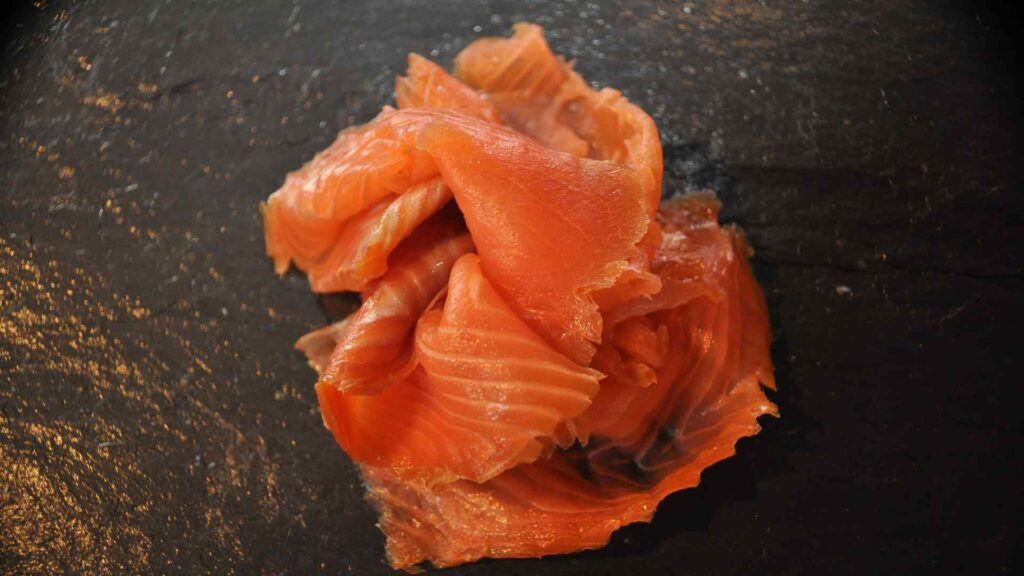
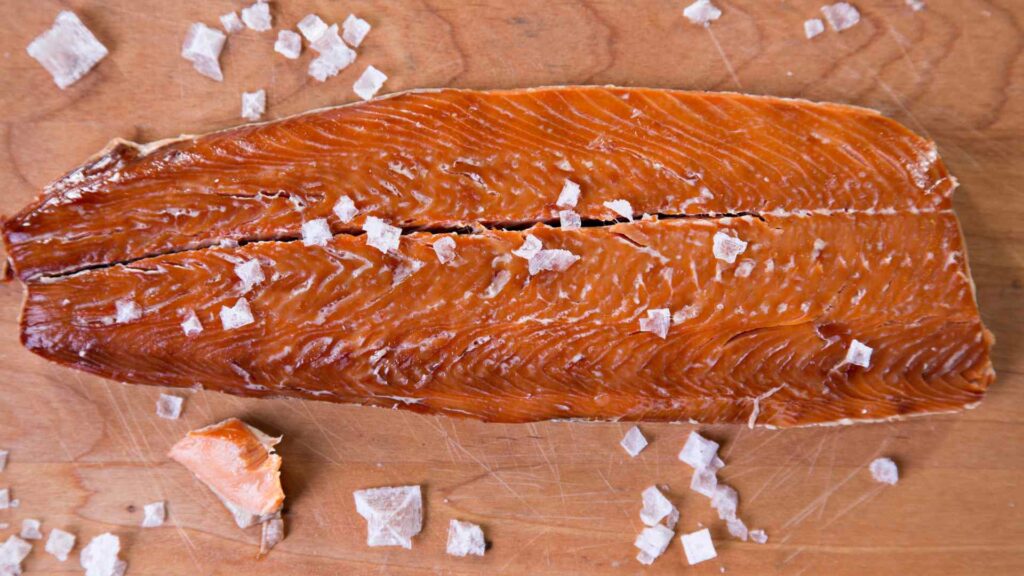
Hot smoking cooks fish with smoke and heat, producing a flaky texture when properly processed. Cold smoking uses much lower temperatures, creating silky products such as some lox and nova-style salmon without the same reliable cooking step.
A package may use the word smoked without making the process obvious. Read whether it says hot-smoked, cold-smoked, nova, lox, gravlax, kippered, shelf-stable, ready-to-eat, or cook before eating.
The CDC’s cold-smoked fish guidance explains that cold smoking does not kill Listeria and refrigeration does not eliminate it. Shelf-stable or subsequently cooked smoked fish creates a different pathogen profile, but neither needs to be fed to a dog.
Save the label, lot code, storage instructions, amount, time, dog’s weight, symptoms, and any package recall information. Processing words and temperature history matter more than the salmon color.
Salt and brine are the everyday concern
Salting and brining help flavor and preserve smoked fish, so sodium can be high even when the piece looks small. Lox and cured products may be saltier than a plain cooked fillet.
One thin stolen ribbon is not equivalent to a dog emptying a package or drinking leftover brine. Small dogs and dogs with kidney, heart, blood-pressure, or sodium-restricted conditions deserve extra caution.
The Merck Veterinary Manual’s salt toxicosis review lists vomiting, weakness, diarrhea, tremors, and seizures as possible signs after excessive salt exposure in dogs. Salt poisoning is dose and hydration dependent, not an inevitable result of one crumb.
Leave normal fresh water available to an alert dog that can swallow, but do not force large amounts. Veterinary correction of serious sodium imbalance must be controlled because overly rapid changes can injure the brain.
Raw fish and salmon poisoning disease
Cold-smoked, cured, or home-smoked salmon may remain raw or undercooked and can carry pathogens or parasites. Freezing, curing, and smoking details vary, so the product’s processing cannot be guessed from appearance.
Salmon poisoning disease is a specific infection in dogs that eat raw or undercooked fish carrying an infected fluke. The Merck veterinary review says its United States distribution is limited to coastal areas of the Pacific Northwest.
The geographic and parasite context matters, so do not claim all salmon everywhere contains a universal poison. In the relevant region, report raw or undercooked salmonid exposure promptly, including wild-caught origin and where the fish came from.
Possible salmon poisoning disease signs include fever, vomiting, diarrhea, weakness, weight loss, and enlarged lymph nodes, often beginning days after ingestion. A dog can look normal immediately after the meal and still need advice based on the source.
Bones can hide in thin slices
Commercially deboned does not mean every pin bone is impossible. Thin sharp bones can lodge in the mouth, throat, esophagus, stomach, or intestine and may be difficult to see against pink fish.
Do not feed smoked salmon skin as a chewy strip because it can be fatty, salty, tough, and seasoned. Our salmon skin guide covers the distinction between a tiny fully cooked plain skin piece and smoked, salted, raw, or bony skin.
Gagging, repeated swallowing, pawing at the mouth, drooling, coughing, neck stretching, or breathing difficulty requires urgent assessment. Do not push fingers blindly into the throat or feed bread to force a bone down.
Later repeated vomiting, abdominal pain, appetite loss, lethargy, straining, or blood can signal injury or obstruction. Never pull string, skin, or material protruding from the mouth or rectum.
Seasonings and serving styles
Smoked salmon commonly appears with cream cheese, capers, onion, chives, garlic, lemon, dill, pepper, butter, bagels, and sauces. Onion-family ingredients can damage canine red blood cells, while rich dairy and fat can trigger stomach upset or pancreatitis in susceptible dogs.
Our cream cheese guide covers flavored spreads and lactose, while the green onion guide explains delayed Allium risk. Inventory the complete canapé or sandwich.
Honey, maple, teriyaki, or barbecue glazes add sugar and may contain garlic, onion, alcohol, chile, or unusual sweeteners. Check the full label rather than assuming a sweet glaze is only sugar.
Do not rinse heavily smoked or brined fish and call it plain. Sodium, smoke, curing, fat, and processing remain part of the product even after surface liquid is removed.
Spoilage and storage
Refrigerated smoked fish is perishable and should follow its package temperature, opening, and use-by instructions. Vacuum packaging does not make a refrigerated product shelf-stable unless the label says so.
Discard fish with a broken seal, bloated package, slime, sour or ammonia-like odor, unexpected discoloration, mold, or an uncertain warm-storage history. Do not offer questionable fish to a dog to avoid food waste.
Dogs can become ill from contaminated food and may spread organisms in the household environment. Wash hands and clean surfaces, especially around young children, pregnant people, older adults, and immunocompromised family members.
Packaging may be the urgent problem
Vacuum film, backing boards, absorbent pads, metal clips, labels, toothpicks, and desiccant or oxygen-absorber packets can disappear with the fish. Greasy flexible film may be swallowed in a folded mass.
The FDA’s dangerous-items guide notes that food packaging and foreign objects can choke or obstruct. Report every missing piece and do not induce vomiting unless a veterinarian directs it.
Repeated vomiting, drooling, appetite loss, abdominal pain, lethargy, straining, or reduced stool after a package raid needs veterinary care. A dog may have mild salt thirst first and obstruction signs later.
What to do after an exposure
- Remove the fish, brine, plate, trash, and packaging, then save the label, lot code, and remaining product.
- Record hot- or cold-smoked status, wild or farmed origin, amount, timing, dog’s weight, symptoms, and storage history.
- Check for bones, skin, onion, garlic, chives, cream cheese, sauces, alcohol, salt, sweeteners, toothpicks, and missing film or pads.
- Call for raw or undercooked Pacific salmon exposure, a large salty portion, symptoms, dangerous add-ins, spoiled fish, or swallowed packaging.
- Seek emergency care for breathing trouble, collapse, seizures, severe weakness, repeated vomiting, marked pain, or inability to keep water down.
Do not induce vomiting or give hydrogen peroxide, salt, oil, bread, milk, or human medicine without veterinary direction. Bones, film, neurologic signs, and aspiration risk can make home emesis unsafe.
No omega-3 shortcut
Smoked salmon should not be used to treat arthritis, skin disease, heart disease, inflammation, or coat quality. Veterinary fish-oil products have specified fatty-acid amounts and quality controls without the same brine, bones, smoke, and seasoning.
Ask a veterinarian whether any omega-3 supplement fits the dog’s diagnosis, diet, medications, and calorie needs. Extra fat can cause gastrointestinal signs and may be inappropriate with pancreatitis or certain therapeutic diets.
For plain fish preparation, our fish guide focuses on fully cooked, boneless, unseasoned portions and species-specific considerations. Smoked salmon is not the simplest route.
Home smoking does not remove the checklist
A backyard smoker gives the cook control over ingredients, but safety depends on fish source, thawing, brining, time, temperature, equipment sanitation, storage, and the process used. Visible smoke and a firm surface do not prove the center reached a safe cooking temperature.
Keep the smoker recipe, fish source, catch location, temperature record, and storage timeline if a dog steals the batch. Home-caught Pacific salmon or trout deserves specific geographic and raw-fish history, while an unknown cold-smoking process deserves pathogen caution.
Do not share trimmed scraps, bloodline pieces, skin, bones, heads, or raw test bites during preparation. Secure outdoor smokers and cooling racks because the aroma can draw dogs from farther away than an ordinary dinner.
Dogs and households needing extra caution
Puppies, frail seniors, pregnant dogs, and dogs with immune compromise, kidney disease, heart disease, pancreatitis history, swallowing trouble, or therapeutic diets should not receive smoked salmon casually. Their risk may come from pathogens, sodium, fat, texture, or diet disruption rather than one universal toxin.
A person in the home who is pregnant, older, very young, or immunocompromised also raises the importance of cold-smoked-fish hygiene. Clean bowls, floors, counters, and hands after a raid, and tell the veterinarian if the dog develops diarrhea in a medically vulnerable household.
Do not give leftover antibiotics or antidiarrheal medicine after a suspected foodborne exposure. Testing and treatment depend on the dog’s signs, hydration, health, and the organism involved.
Frequently asked questions
Is hot-smoked salmon safe for dogs?
A tiny fully cooked boneless unseasoned piece is less concerning than cold-smoked or raw fish, but commercial hot-smoked products may still be salty, fatty, glazed, or bony.
Can dogs eat lox?
Skip it. Lox is cured and often very salty, and some products are cold-smoked rather than cooked.
My dog ate one thin slice. What now?
Check the exact label, bones, toppings, amount, storage, and source. A healthy comfortable dog may need monitoring, but call for raw or undercooked Pacific fish, high-risk illness, symptoms, or uncertainty.
The bottom line
Smoked salmon is a complicated treat with little practical upside. Hot versus cold processing, sodium, pathogens, regional salmon poisoning disease, bones, add-ins, spoilage, and packaging matter more than omega-3 marketing.
Use a fully cooked plain deboned fish only if a veterinarian approves it, and keep smoked products secured. Accurate labels and prompt triage beat guessing from texture or smoke aroma.