Crunchy Peanut Butter for Dogs: Labels, Portions, and Risks
Most dogs can have a tiny amount of crunchy peanut butter only when the label is xylitol-free, but smooth is usually easier to manage. Peanut pieces can be awkward for small or fast-eating dogs, and peanut butter is calorie-dense, fatty, sometimes salty, and unsuitable for some medical diets.
Check the label every single time
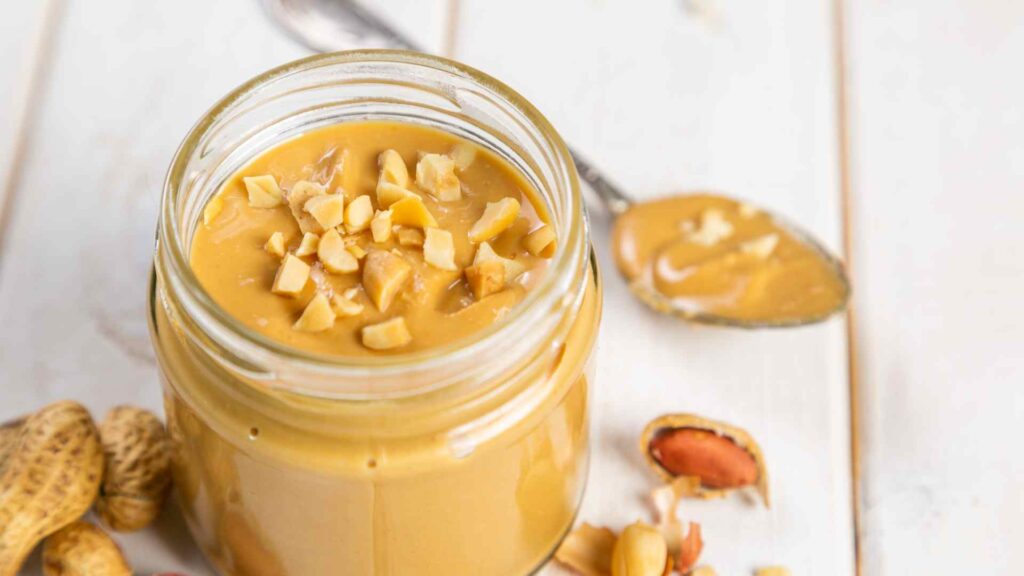
Before a dog gets any peanut butter, look for xylitol, birch sugar, wood sugar, or birch bark extract. Formulas change, specialty products differ, and a jar that was safe last month does not guarantee a different flavor or replacement brand is safe today.
The FDA warns that xylitol can cause rapid, profound hypoglycemia in dogs and may cause liver injury. If any xylitol name appears or the sweetener is unknown, call an emergency veterinarian immediately.
Peanuts are not generally toxic to dogs
Plain peanuts and xylitol-free peanut butter are not classified like grapes, chocolate, or macadamia nuts. The useful concerns are recipe, portion, texture, individual tolerance, and the dog’s health rather than a blanket peanut-poisoning claim.
A small lick from a spoon is not the same exposure as an emptied jar. Keep the container so a veterinarian can evaluate the actual ingredients and serving information.
Why crunchy texture matters
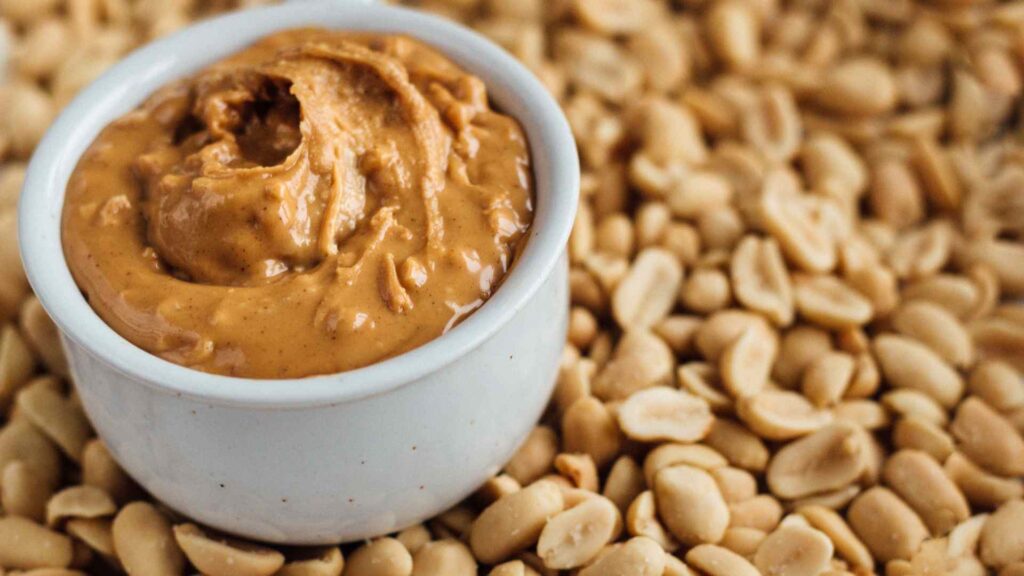
Crunchy peanut butter contains fragments that may be hard for a tiny dog, puppy, senior, or dog with dental disease to chew. Thick paste can also stick to the roof of the mouth and trigger frantic licking or gulping.
Use a very thin smear on a flat lick mat or plate rather than a dense spoonful, and supervise. Do not pack a large glob into a narrow toy where the dog can bite off rubber or struggle to reach the food.
Coughing, gagging, pawing at the mouth, blue or gray gums, collapse, or breathing difficulty is an emergency. Do not blindly push fingers into the mouth of a conscious, panicked dog.
Fat and calories add up quickly
Peanut butter concentrates substantial fat and calories into one spoonful. It can consume a small dog’s treat budget quickly and may cause vomiting or diarrhea after a raid.
The UC Davis veterinary nutrition service recommends keeping treats and extras at no more than 10 percent of daily calories. Measure peanut butter rather than estimating from a rounded spoon or toy cavity.
Pancreatitis deserves caution
A fatty-food theft can be especially concerning in a dog with prior pancreatitis, high blood triglycerides, obesity, or a veterinary low-fat diet. The Merck Veterinary Manual identifies large amounts of table scraps or inappropriate food as a common suspected pancreatitis risk factor.
Warning signs include appetite loss, repeated vomiting, weakness, abdominal pain, dehydration, and diarrhea. These signs require veterinary assessment rather than a home diagnosis based only on the empty jar.
Sodium and sweeteners
Some crunchy peanut butters add salt, sugar, molasses, honey, palm oil, or other ingredients. A tiny conventional amount is usually not salt poisoning, but a large raid matters more for dogs with heart, kidney, or sodium-sensitive conditions.
“Natural” does not guarantee unsalted, low-calorie, or xylitol-free. “No added sugar” also does not identify every sweetener, so the ingredient list remains the deciding document.
Our salt guide explains why a lick and a concentrated salty exposure require different responses. Do not force water or try to correct sodium at home after a concerning theft.
Allergy and intolerance
Dogs can develop adverse reactions to food ingredients, including peanuts, but peanut allergy should not be diagnosed from one itch or soft stool. Facial swelling, widespread hives, breathing difficulty, weakness, or collapse after eating requires emergency care.
Recurring itching, ear disease, vomiting, or diarrhea needs a veterinary workup. Switching among flavored nut butters can complicate an elimination trial and obscure the trigger.
Medication use: useful but not automatic
A tiny xylitol-free smear can help some dogs swallow medication, but ask whether the drug may be crushed, chewed, or given with food. Some tablets must remain intact, some require an empty stomach, and some should not be hidden in a calorie-dense food.
Use the smallest amount that reliably conceals the medicine, verify the dog swallowed it, and keep medicated food away from other pets and children. A shared lick mat can produce a missed dose for one dog and an accidental dose for another.
Our peanut butter guide covers the broader smooth-versus-crunchy and ingredient questions. The xylitol label check applies to both textures every time.
Mixed products can hide bigger risks
Chocolate-peanut spreads, cookie butter blends, trail mixes, protein bars, cannabis edibles, and dessert fillings are not ordinary peanut butter. Chocolate, caffeine, raisins, macadamia nuts, alcohol, cannabis, or xylitol may determine the emergency.
The ASPCA food-hazard guide summarizes several of those co-toxins. Report the entire product and amount rather than asking only whether peanuts are safe.
For chocolate combinations, use our chocolate guide to collect the cocoa type and amount while contacting the clinic. Dark chocolate and cocoa powder can be much more concentrated than milk chocolate.
Jars, lids, foil, and packets
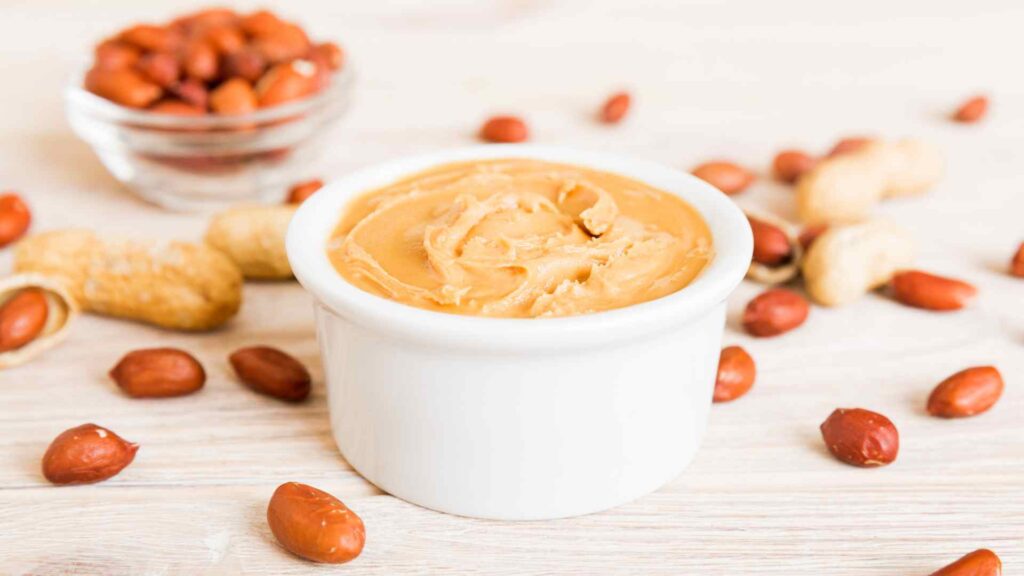
A dog can cut the mouth on a broken jar, swallow a plastic lid or foil seal, or become stuck with the muzzle inside a container. Plastic jars and pouches can also be chewed into obstructive pieces.
Secure the package and check every component, including freshness seals and oxygen absorbers. Repeated vomiting, a painful belly, inability to keep water down, straining, or marked lethargy after packaging ingestion warrants urgent care.
Mold and rancidity
Peanut products can become rancid, and damaged storage can allow mold growth. Do not give stale, oddly scented, wet, or visibly moldy peanut butter to a dog, and secure contaminated food in the trash.
Tremors, weakness, repeated vomiting, fever, poor coordination, or seizures after eating moldy food needs immediate veterinary attention. Save the product and lot information if it can be done safely.
How to offer it more safely
- Read the complete label for xylitol, birch sugar, wood sugar, and birch bark extract every time.
- Choose a simple product with no chocolate, raisins, macadamias, caffeine, cannabis, or mystery sweetener.
- Prefer smooth peanut butter for tiny dogs or dogs that gulp, unless a veterinarian has another reason.
- Measure a very thin smear, supervise, and count it within the total treat budget.
- Use only a small medication-hiding amount after confirming the drug may be given with food.
- Close the jar and store it with lids, seals, and pouches out of reach.
If the jar was raided
Remove access, save the container, estimate the amount and time, and record the dog’s weight, medical history, medications, and symptoms. Check whether a lid, seal, spoon, pouch, or part of the container is missing.
Call immediately for xylitol or an unknown sweetener, dangerous mixed ingredients, a large amount, significant symptoms, or swallowed packaging. Do not induce vomiting or give salt, mustard, oil, milk, or charcoal without veterinary direction.
Dogs who should avoid it
Dogs with pancreatitis, obesity, high triglycerides, diabetes, kidney or heart disease, food allergy, swallowing problems, or a therapeutic diet need individual approval. Puppies and toy dogs have little calorie room for a dense spread.
Dogs on elimination trials should not receive peanut butter unless it is an approved component. Flavor coatings on tablets and supplements can count as diet exposures too.
Frequently asked questions
Is crunchy peanut butter toxic to dogs?
Peanuts are not generally toxic to dogs, but xylitol can be life-threatening and the crunchy texture adds chewing concerns. Fat, calories, sodium, portion, and health history still matter.
How much can I use for a pill?
Use the smallest measured smear that covers the medication after confirming it may be given with food. There is no universal spoonful because calorie needs, diets, and drug instructions vary.
Is natural crunchy peanut butter safer?
Not automatically. Natural products may still contain salt, sweeteners, added oil, or xylitol, and separated oil can make portions messier.
What if my dog ate the whole jar?
Call a veterinarian with the label, jar size, amount remaining, dog’s weight, medical history, and packaging status. Xylitol, fat load, vomiting risk, and foreign material all need case-specific triage.
Oil separation does not change the xylitol rule
Natural peanut butter may separate into a dense layer and surface oil, so stir it thoroughly before measuring. A spoonful taken mostly from the oil layer can be even messier and harder to portion, while the ingredient list remains the only dependable sweetener check.
Refrigerated natural peanut butter may become very firm and form a sticky lump. Let a measured smear soften enough to spread thinly, but never leave the jar where a dog can reach it.
Lick mats and toys need supervision
Spread peanut butter across a broad, shallow surface so the dog can lick rather than swallow a plug. Inspect rubber and silicone before and after use because a cracked mat, missing flap, or chewed toy creates a foreign-body problem.
Wash food toys promptly because oily residue can become rancid and trap crumbs. If several dogs live together, separate them during high-value food activities to reduce guarding and accidental medication sharing.
A small lick versus repeated daily use
An occasional measured smear can fit within some healthy dogs’ calorie budgets, but daily spoonfuls accumulate quickly. Repeated use may also hide appetite changes that would otherwise alert you to illness.
If peanut butter is needed every day for medication or handling, ask the veterinary team to include it in the diet calculation. They may suggest a lower-calorie pill option or a different reward that suits pancreatitis, weight, allergy, or sodium restrictions.
Bottom line
A tiny measured amount of simple xylitol-free crunchy peanut butter may fit some healthy dogs, but repeat the label check every time. Smooth texture is often easier, and large amounts, pancreatitis risk, co-toxins, symptoms, or missing packaging deserve prompt veterinary help.