Can Dogs Have Olive Oil? Benefits, Risks, and Better Questions
Plain olive oil is not toxic to dogs, but most dogs do not need it added to their food. It is concentrated fat and calories, so a lick is usually less concerning than a daily drizzle, a large spill, or any amount given to a dog with pancreatitis or a prescribed low-fat diet.
The honest answer about the trendy drizzle
Olive oil has an excellent reputation in human cooking, but health claims do not transfer automatically from people to dogs. A canine diet must be evaluated as a whole, including the oil already present in complete and balanced food.
- A tiny accidental lick: often causes no problem in a healthy dog.
- A deliberate daily supplement: unnecessary unless a veterinarian or veterinary nutritionist has a specific reason and portion.
- A large amount: can cause vomiting, diarrhea, abdominal discomfort, and a major calorie load.
- High-risk dogs: those with pancreatitis, hyperlipidemia, obesity, sensitive digestion, or a therapeutic low-fat diet.
Does a dog benefit from olive oil?
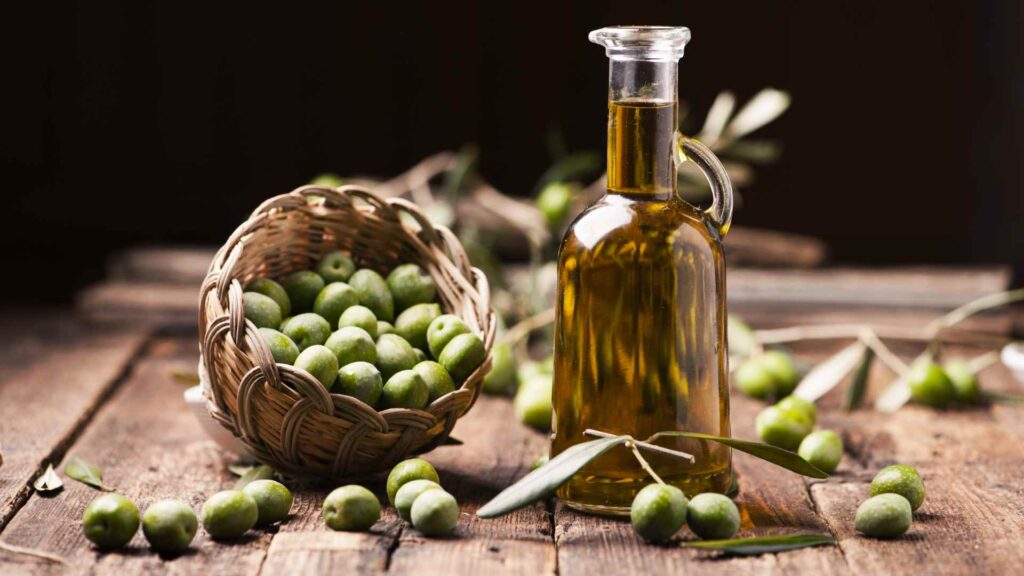
Olive oil is rich in monounsaturated fat and contains minor compounds that attract research interest, but the practical question is whether adding it improves a particular dog’s already balanced diet. For most healthy pets, a benefit has not been established that outweighs careless extra calories.
Dogs do require dietary fat and essential fatty acids, yet a properly formulated food should already supply them in suitable amounts and proportions. The Merck Veterinary Manual’s canine nutrition review notes that essential-fatty-acid deficiency is extremely rare in dogs eating a properly preserved complete and balanced diet.
Olive oil is also not interchangeable with fish oil, because their fatty-acid profiles differ. When a veterinarian recommends EPA and DHA for a defined medical purpose, swapping in olive oil does not provide the same compounds.
If you are comparing dietary fish sources, our guides to salmon and fish for dogs cover preparation and species-specific cautions. Supplements require their own product-quality and dosing discussion.
Claims worth taking with a pinch of skepticism
“It fixes dry skin and makes the coat shine”
Skin and coat problems can reflect parasites, allergies, infection, endocrine disease, nutritional imbalance, grooming products, or environmental factors. Pouring oil on the food may add calories while the actual cause keeps working.
Veterinarians sometimes use specific fatty-acid products for selected skin diseases, but formulation and dose matter. The Merck Veterinary Manual’s dermatology guidance discusses essential fatty acids, not a universal olive-oil cure.
“It lubricates constipation”
Olive oil is not a dependable laxative for dogs and can create diarrhea or complicate pancreatitis risk. Constipation may involve dehydration, pain, medications, pelvic disease, obstruction, or neurologic problems that need diagnosis.
“It reduces arthritis pain”
There is not enough canine clinical evidence to use kitchen olive oil as arthritis treatment. Weight management, veterinary pain control, suitable exercise, rehabilitation, and evidence-based supplements deserve a coordinated plan.
“Healthy fat helps dogs lose weight”
Olive oil is energy-dense, so adding it without removing calories elsewhere works against weight loss. The label “healthy fat” describes composition, not a calorie loophole.
Why pancreatitis changes the answer
Pancreatitis is inflammation of the pancreas and can range from mild illness to a life-threatening condition. Signs may include vomiting, reduced appetite, weakness, dehydration, diarrhea, abdominal discomfort, or the “prayer position” with the front end down and rear raised.
Dietary fat does not explain every case, but fat restriction is central to management for many affected dogs. VCA’s veterinary nutrition guidance for pancreatic disease explains why therapeutic low-fat diets are commonly used and why all treats and people foods must be included in the assessment.
Do not add olive oil to the bowl of a dog with active or previous pancreatitis unless the treating veterinarian explicitly includes it. “Only a spoonful” can represent a meaningful fat and calorie addition, especially for a small dog.
How much olive oil can a dog have?
There is no reason to publish a one-size-fits-all teaspoon chart for an optional oil. The appropriate amount depends on the goal, food’s existing fat content, total calories, body condition, gastrointestinal tolerance, diseases, medications, and other supplements.
If a veterinarian approves olive oil as an occasional food ingredient, measure it rather than free-pouring and reduce calories elsewhere. A few drops may be enough to carry flavor, while a glossy bowl can hide a surprisingly large serving.
The World Small Animal Veterinary Association advises keeping treats below 10 percent of daily calories. Added oils count toward that allowance even though they do not look like a biscuit.
Extra virgin, light, infused, and cooking oil
Extra virgin olive oil: Less refined does not mean calorie-free or medically necessary. It remains concentrated dietary fat.
“Light” olive oil: The word usually refers to flavor or processing, not a meaningful reduction in calories. Read the label rather than treating “light” as permission to pour more.
Garlic- or onion-infused oil: Avoid it, because the ingredient and manufacturing process may leave Allium compounds or pieces in the product. Dogs do not need a taste test to settle an uncertain label.
Chili oil and seasoned marinades: These can irritate the mouth and gastrointestinal tract and may contain garlic, onion, salt, or other additions. Plainness is the only version worth considering.
Used frying oil: This may contain degraded fat, salt, batter, onion, garlic, and food particles. Secure it as kitchen waste rather than letting a dog clean the pan.
For a separate high-fat pantry product, our coconut guide explains why “natural” does not remove portion and digestive concerns. Oils are ingredients, not wellness personalities.
Do not use olive oil as a topical home remedy
Coating itchy skin can trap debris, encourage licking, worsen greasy dermatitis, or delay treatment for infection, parasites, allergy, or a wound. A dog who licks the application also receives an unmeasured oral dose.
Do not pour olive oil into a dog’s ear to soften wax or treat an infection without veterinary instructions. A painful ear may have a ruptured eardrum, foreign material, mites, yeast, bacteria, or inflammatory disease, and adding oil makes examination and cleaning more complicated.
Olive oil is not a safe default for the eyes, nose, paws, burns, hot spots, or swallowed objects either. Call the clinic and describe the actual problem instead of using the kitchen bottle as a general-purpose medical device.
Dogs who should not get an experimental drizzle
Dogs with pancreatitis or hyperlipidemia: Added oil can conflict directly with fat restriction. Use only the foods and supplements approved by the treating team.
Dogs with obesity: Liquid calories are easy to underestimate because they add no visible volume to the bowl. Measure every topper and include it in the weight-loss calculation.
Dogs with chronic vomiting, diarrhea, or inflammatory digestive disease: A sudden fat increase can worsen signs and obscure the cause. Do not use oil as a digestive trial.
Puppies: Growth diets require careful nutrient-to-calorie balance, and added oil can dilute that balance. Olive oil does not provide a proven brain-development shortcut.
Dogs on elimination or prescription diets: Every unplanned ingredient can interfere with a diagnostic or therapeutic plan. Ask before adding even a product with one ingredient.
Dogs taking medication: Oil may change palatability and meal consumption, which can matter when drugs must be given with food or on a schedule. Tell the veterinarian about all supplements and toppers.
What to do if your dog drinks olive oil
A healthy dog who licks a few drops and remains normal may only need observation. Remove access, offer fresh water, and watch for vomiting, diarrhea, appetite loss, lethargy, or abdominal discomfort.
Call your veterinarian after a large or unknown amount, especially for a small dog or one with pancreatitis, diabetes, obesity, hyperlipidemia, or chronic gastrointestinal disease. Bring the bottle or ingredient list if the oil was infused or seasoned.
Seek urgent care for repeated vomiting, a painful or swollen abdomen, collapse, profound weakness, trouble breathing, or inability to keep water down. Do not induce vomiting unless a veterinary professional specifically instructs you.
Olive oil questions that deserve straight answers
Can dogs have olive oil every day?
Most dogs have no demonstrated need for a daily kitchen-oil supplement. Daily use should have a defined veterinary goal, a measured portion, and an adjustment to the complete diet.
Can olive oil help a dog poop?
It may cause loose stool, which is not the same as safely treating constipation. Straining, pain, vomiting, reduced appetite, or failure to pass stool needs veterinary advice.
Is olive oil better than fish oil?
They provide different fatty acids and are not drop-in substitutes. Choose a product only for a defined nutritional or medical purpose with guidance on dose, quality, and interactions.
Can olive oil improve appetite?
It may make food smell different, but a dog who suddenly refuses meals could be nauseated, painful, or ill. Masking the change with a high-fat topper can delay diagnosis.
The measured conclusion
Olive oil is generally non-toxic, yet that is a low bar for a daily supplement. Most dogs are better served by a balanced diet without an automatic drizzle, while dogs with pancreatitis, obesity, or therapeutic diets need an especially firm pause before the cap comes off.