Can Dogs Have Vanilla? Extract, Bean, Baking, and Fragrance Risks
Vanilla is not one single dog-safety question because fully baked cake, alcohol-based extract, sweetened paste, and spilled fragrance oil create different exposures. Plain vanilla bean is not a useful treat, and bottles, sugar-free products, and concentrated scents deserve caution.

Start with the exact product
Find the container and read every ingredient before deciding what “vanilla” means. Note the product name, alcohol percentage, sweeteners, amount missing, time, dog’s weight, medical conditions, and current behavior.
A tiny lick from a measuring spoon is usually less concerning than chewing open a bottle, but size and concentration matter. Call a veterinarian or animal poison service when the amount is uncertain, a bottle was breached, or symptoms appear.
- Vanilla bean and ground bean powder
- Alcohol-based vanilla extract
- Alcohol-free flavoring
- Vanilla paste or syrup
- Baked foods and dairy desserts
- Essential oil, fragrance oil, perfume, or candle liquid
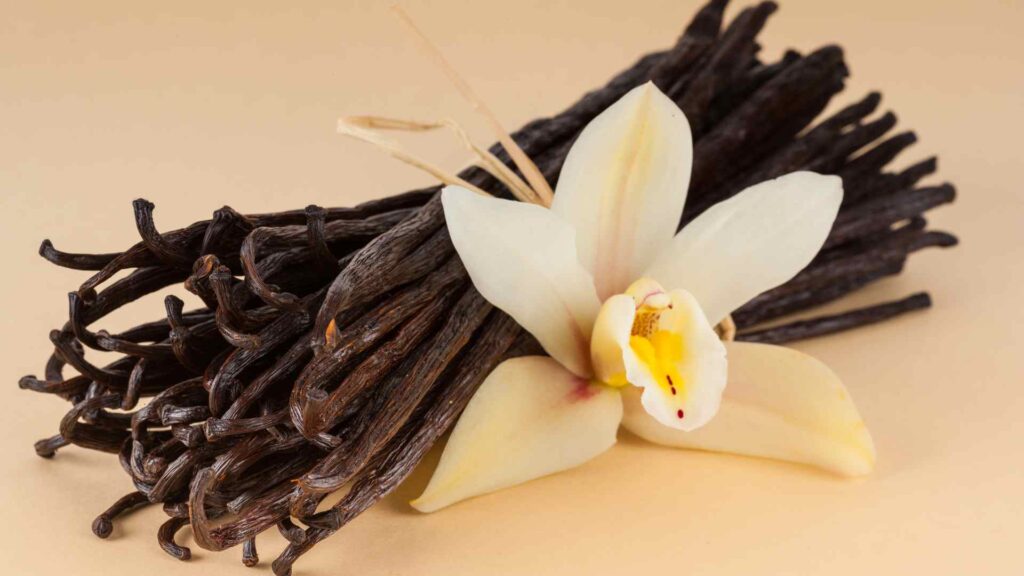
Vanilla bean and powder
A culinary vanilla bean is a fibrous spice ingredient, not a canine nutritional need. A tiny scraped speck in finished food is unlikely to be the main hazard, while swallowing a pod can cause stomach upset or act like foreign plant material.
Pure ground vanilla bean powder may contain only bean, but commercial “vanilla powder” can include sugar, maltodextrin, milk ingredients, or sweeteners. The front label is not enough, so check the ingredient panel each time.
Do not use vanilla to calm anxiety, improve digestion, or persuade a chronically reluctant dog to eat. Those claims lack a reliable canine dose, and appetite or behavior changes deserve the right diagnosis.
Extract is mostly an alcohol question
Standard vanilla extract commonly uses ethanol to pull flavor from beans. The Merck Veterinary Manual explains that alcohols are rapidly absorbed and can cause vomiting, wobbliness, disorientation, lethargy, low body temperature, tremors, breathing depression, coma, or seizures.
One drop baked into an entire recipe is not equivalent to drinking extract from the bottle. Baking changes the exposure, while a bottle raid delivers a concentrated liquid and may add glass, plastic, a cap, or label material.
Call promptly after more than a trivial taste, any uncertain bottle exposure, or any signs of intoxication. Puppies, toy breeds, dogs with liver disease, and dogs already taking sedating medication warrant especially cautious case-specific advice.
Do not induce vomiting or give coffee, cold baths, food, or exercise to “sober up” a dog. Keep the dog warm and safe from stairs while following veterinary instructions.
Alcohol-free flavoring and vanilla paste
Alcohol-free does not automatically mean dog-safe. Flavorings may use glycerin or propylene glycol and can contain sugar, color, preservatives, or other extracts, so the whole label still decides the question.
Vanilla paste is often sweetened and concentrated, while vanilla syrup may be almost entirely sugar and water with flavoring. Neither belongs in a dog’s routine treat budget.
Sugar-free syrups and baking products require an immediate xylitol check. The FDA warns that xylitol can rapidly cause dangerous hypoglycemia in dogs and may also injure the liver.
If xylitol, birch sugar, or wood sugar appears on the label and the dog may have eaten it, call a veterinarian, emergency clinic, or animal poison service immediately. Do not wait for weakness, wobbliness, collapse, or seizures.
Baked vanilla foods are ingredient puzzles
Vanilla cake, cookies, muffins, frosting, pudding, custard, and ice cream add sugar, fat, dairy, and sometimes raw dough. Chocolate, raisins, macadamia nuts, coffee, alcohol, and xylitol can turn a dessert raid into a toxicology emergency.
Our chocolate guide explains why cocoa type and amount matter, while our milk guide covers lactose-related stomach upset. “Vanilla flavored” does not erase either ingredient.
A small crumb of ordinary fully baked vanilla cake in a healthy dog is usually a calorie and stomach concern rather than vanilla poisoning. Save the recipe or wrapper because frosting and fillings may change that assessment.
Raw batter and dough deserve separate caution for eggs, expanding yeast dough, alcohol production, and concentrated ingredients. Our bread guide explains why raw yeast dough is not merely uncooked bread.
Vanilla ice cream can add dairy, sugar, fat, and sweeteners, and it may be a poor choice for pancreatitis or diabetes. A dog does not need a scoop to enjoy a celebration.
Fragrance products are not food
Vanilla perfume oil, candle fragrance, reed-diffuser liquid, room spray, wax melts, and cosmetic products are not culinary vanilla. They may contain concentrated fragrance chemicals, alcohols, essential oils, solvents, or other ingredients unsafe to swallow or leave on skin.
After a spill, move the dog away, prevent licking, ventilate if fumes irritate breathing, and save the label. Call for product-specific skin, eye, inhalation, or ingestion instructions rather than scrubbing with another chemical.
Do not apply vanilla oil to fur, collars, bedding, or skin for calming or flea control. “Natural fragrance” is not a veterinary safety standard, and inhaling a pleasant smell does not prove dermal or oral safety.
Drooling, vomiting, coughing, eye pain, skin irritation, wobbliness, tremors, breathing trouble, collapse, or seizures needs prompt care. Eye exposure and concentrated oil ingestion should be treated seriously even before every sign develops.
How much plain vanilla can a dog have?
There is no reason to create a vanilla serving chart. Dogs do not need the bean, powder, extract, paste, or syrup, and the safe response depends more on the formulation than on a supposed teaspoon allowance.
The WSAVA treat guide recommends keeping all extras below 10 percent of daily calories. That ceiling applies to completed dog-safe treats, not to alcohol-based extract or xylitol products.
If a dog-formulated treat uses vanilla flavor, follow the package and count its calories. A complete commercial diet should provide the nutrition, while flavor stays optional.
What to do after an accidental exposure
Secure the product and account for the cap, dropper, glass, plastic, wrapper, and any other ingredients. Photograph the label if carrying the bottle is unsafe.
A veterinarian may recommend home monitoring after a confirmed tiny lick of a low-risk product. Larger or unknown extract exposures, xylitol, fragrance products, broken containers, or symptoms require immediate professional advice.
Do not give hydrogen peroxide, charcoal, milk, oil, salt, or human medicine without direction. Alcohol absorbs quickly, and improvised treatment can worsen aspiration, low body temperature, or blood-sugar problems.
Go to emergency care for severe weakness, inability to stand, repeated vomiting, tremors, breathing trouble, collapse, or seizures. Keep the dog from falling while arranging transport.
Vanilla questions, answered plainly
Can dogs eat vanilla cake?
A tiny crumb of ordinary fully baked cake may cause no more than stomach upset, but recipes vary. Check for xylitol, chocolate, raisins, macadamias, alcohol, and missing packaging.
Can dogs have vanilla yogurt?
It usually adds sugar and dairy, and sugar-free versions require a xylitol check. Plain dog food is a better routine medication vehicle unless the veterinarian suggests otherwise.
Is vanilla extract safe once baked?
A trace distributed through a fully baked recipe is different from drinking extract, but the finished food may still contain unsuitable ingredients. Evaluate the whole recipe and portion.
Does vanilla calm dogs?
Do not rely on vanilla scent, flavor, or oil as anxiety treatment. A veterinarian or qualified behavior professional can address fear with evidence-based environmental, training, and medication options.
The bottom line
Treat vanilla as a product-label question, not a single ingredient verdict. A tiny baked trace is low concern, while extract bottles, xylitol-sweetened products, raw batter, and fragrance liquids need different triage, and no vanilla form should be used as calming or digestive medicine.
Storage and kitchen prevention
Keep extract and paste bottles in a closed cabinet rather than beside the mixing bowl where a counter-surfer can reach them. Return the cap immediately, wipe spills, and place alcohol-soaked towels into a closed bin before the dog enters the room.
Measure vanilla away from the edge of the counter and never leave a filled teaspoon resting over an open bowl. A bottle is far more concentrated than the flavor dispersed through a finished batch, so simple spill prevention meaningfully changes the risk.
When children help bake, explain that vanilla extract is not a dog treat and supervise dropped batter. Keep sugar substitutes in clearly labeled containers so xylitol is never mistaken for ordinary sugar during a recipe or exposure call.
Store fragrance oils separately from cooking ingredients and keep them in their original containers. Similar amber bottles can create dangerous confusion if a nonfood product reaches the pantry or a culinary extract lands among diffuser supplies.
Dispose of cracked bottles, droppers, foil seals, and caps where dogs cannot scavenge them. Even when the missing liquid amount is small, swallowed glass or packaging creates a separate injury or obstruction concern.
At gatherings, ask guests not to share vanilla desserts until ingredients are confirmed. A plain-looking cookie can contain sugar-free sweetener, raisins, chocolate chips, coffee, alcohol, or macadamias that deserve more urgent attention than vanilla flavor.
For medication, do not assume vanilla pudding or yogurt is an appropriate hiding place. Ask whether the drug can be given with food, kept whole, or mixed, then use the smallest veterinarian-approved vehicle rather than creating a daily sweet habit.