Can Dogs Drink Protein Shakes? Powders, Sweeteners, Chocolate, and Dairy
Protein shakes are not designed for dogs, and I would not pour one into a dog bowl as a supplement. If your dog stole a shake, the real question is what went into it, because a plain whey-and-water sip is very different from a chocolate coffee shake sweetened with xylitol.
Rebuild the recipe before you judge the risk
- Save the shaker bottle, powder tub, cafe receipt, or recipe.
- Count the scoops and estimate how much liquid was missing.
- Check for xylitol, chocolate, cocoa, coffee, caffeine, raisins, grapes, macadamias, and alcohol.
- Identify the liquid base, including milk, plant milk, water, juice, or yogurt.
- List add-ins such as nut butter, supplements, fruit, syrups, and sweeteners.
- Call promptly if a toxic ingredient, concentrated supplement, or large unknown amount is involved.
A half-empty shaker is not a complete dose estimate unless you know how much was in it before the dog arrived. I would use the largest realistic amount missing and let the veterinary professional work down from there.

A plain whey shake is usually a stomach question, not a toxin question
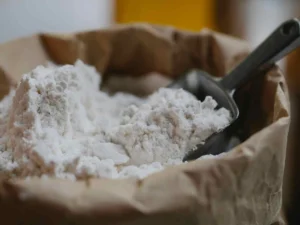
If the shake contains only water and a plain protein powder without dangerous additives, a small accidental amount may cause no problem or mild digestive upset. Whey and other dairy-based proteins can bother dogs that do not tolerate lactose or milk ingredients well.
Larger servings can add substantial calories and protein in a small volume. Dogs with kidney disease, liver disease, pancreatitis, food allergies, or prescribed diets deserve a lower threshold for veterinary advice even when the formula looks boring.
The word “protein” can make the drink sound useful for an athletic dog, but most dogs eating a complete and balanced diet do not need a human shake after a walk. Their recovery plan is usually water, rest, and their normal food, which is less exciting but considerably easier on the ingredient list.
Xylitol is the fastest way a shake becomes urgent
Some sugar-free powders, syrups, nut butters, and drink mixes contain xylitol. Dogs can develop dangerous hypoglycemia after xylitol ingestion, and larger exposures can also be associated with serious liver injury.
If xylitol appears in any component, call immediately even if your dog still looks normal. Our xylitol guide explains why early assessment matters more than waiting for symptoms.
Chocolate shakes can contain concentrated cocoa
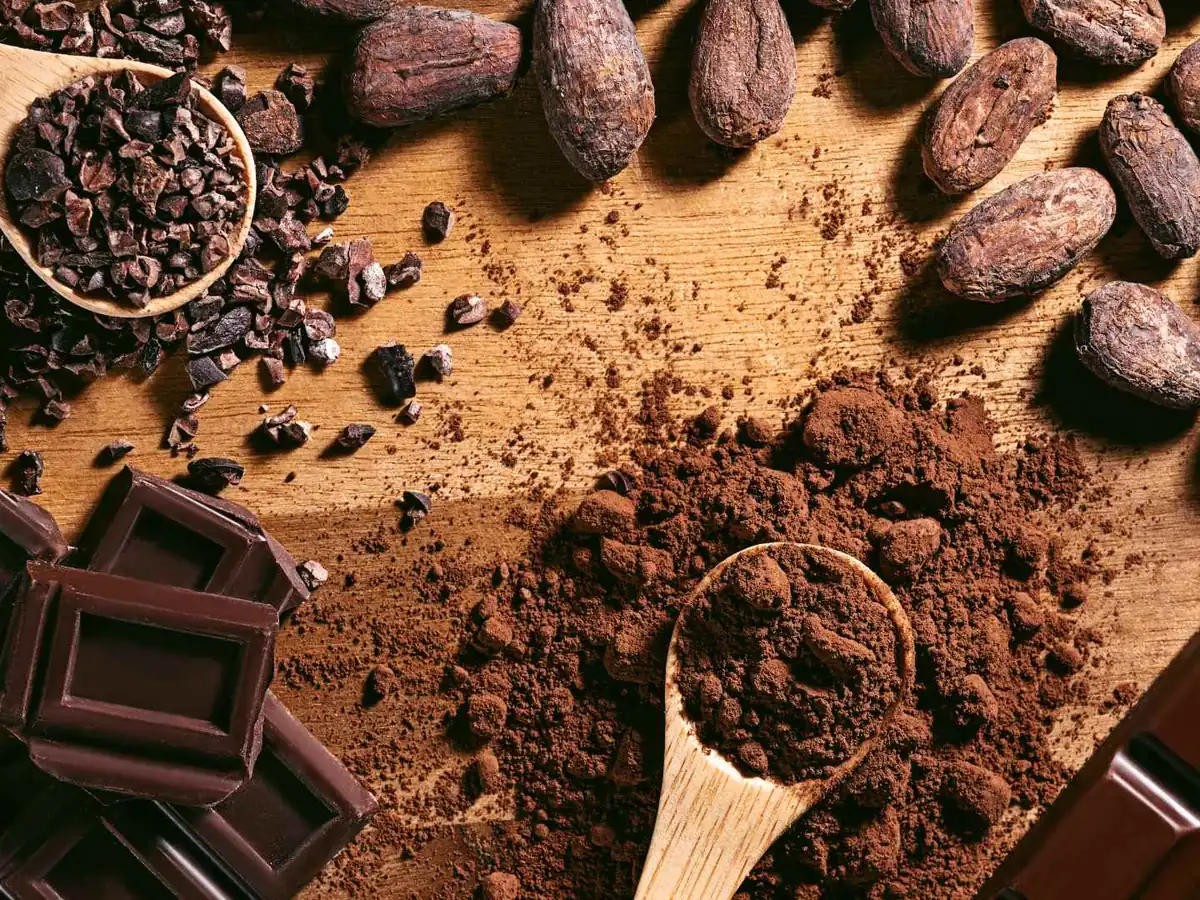
Chocolate protein powder, cocoa powder, cacao, dark-chocolate syrup, and chocolate chips contribute methylxanthines. Cocoa powder can be much more concentrated than milk chocolate, so a dry scoop of chocolate powder can matter more than the brown color of the finished drink suggests.
Possible signs include vomiting, diarrhea, restlessness, excessive thirst or urination, rapid heart rate, abnormal heart rhythm, tremors, overheating, seizures, and collapse. Use our chocolate guide for the chocolate-specific details while you contact a professional.
Coffee protein shakes add a stimulant problem
Cold brew, espresso, coffee concentrate, matcha, guarana, and added caffeine can turn a protein drink into a stimulant exposure. Concentrated caffeine can affect the heart and nervous system, especially when the serving was designed for an adult person and the dog is small.
Report the caffeine milligrams when the label provides them and count espresso shots if the drink came from a cafe. Our coffee guide covers grounds, concentrates, supplements, and other caffeine forms.
Milk and yogurt can create a very messy afternoon
Milk, yogurt, ice cream, and cream can cause gas, vomiting, or diarrhea in dogs that do not tolerate lactose well. High-fat dairy can also be a concern for dogs prone to pancreatitis.
Dairy does not dilute or neutralize xylitol, chocolate, or caffeine. A latte-style shake can still contain the full stimulant or toxin dose even if most of the cup is milk.
Plant milk does not make the whole recipe pet-safe
Unsweetened oat, almond, soy, or coconut drinks may be low risk in small amounts, but flavored versions can contain sweeteners, chocolate, gums, or other additives. Coconut-based products can also add a substantial fat load.
Do not stop at the liquid base. The powder, syrups, boosters, and toppings usually decide whether the exposure is routine stomach upset or something more urgent.
Peanut butter is safe only after the label check
Many shakes use peanut butter or another nut butter for texture and calories. Ordinary peanut butter without xylitol can be a reasonable dog treat in small amounts, but xylitol-containing spreads are an emergency and very fatty servings can upset the stomach.
Macadamia butter or mixed-nut blends deserve separate attention because macadamia nuts can cause toxicosis in dogs. If the blender recipe came from memory, reconstruct every spoonful before you decide the nut portion was harmless.
Fruit add-ins are mostly ordinary until grapes or raisins appear
Banana, blueberries, strawberries, mango, and many other common fruits may be safe in modest dog-sized portions, though sugar and fiber can cause digestive upset when a large blenderful is stolen. Grapes and raisins are the major exception because they can cause acute kidney injury in dogs.
If a shake contains grapes, raisins, grape concentrate, or an unclear dried-fruit blend, call promptly. Do not wait for vomiting or changes in urination before asking for guidance.
Greens and powders can hide concentrated extras
Greens powders, electrolyte packets, vitamin blends, adaptogens, mushrooms, herbal extracts, and workout boosters are not one ingredient. Some are low risk in ordinary amounts, while others can contain concentrated vitamins, minerals, caffeine, or pharmacologically active compounds.
Photograph the full supplement facts panel and report how many scoops were used. “A little greens powder” is not enough information when the formula has twenty ingredients and a serving was created for a 180-pound person.
Very cold shakes can still create a choking or container problem
Ice cubes, frozen fruit chunks, plastic blender caps, shaker balls, and torn lids can become choking or foreign-body hazards. Tell the veterinarian if anything besides liquid is missing.
Repeated retching, persistent vomiting, abdominal pain, bloating, refusal to eat, or inability to keep water down after a swallowed object deserves veterinary evaluation. The protein drink may be long gone while the plastic part is still causing trouble.
Do not induce vomiting until the complete recipe is assessed
Whether vomiting is appropriate depends on ingredients, timing, dog size, symptoms, and any swallowed objects. A weak, trembling, sedated, coughing, or poorly coordinated dog can aspirate, so home emesis is not an automatic first step.
Do not use salt, mustard, oil, fingers, or another improvised method. If a veterinarian recommends hydrogen peroxide for this specific dog and exposure, follow the exact instructions they give.
The easiest fix is a boring one: put the shaker away
Rinse or refrigerate unfinished shakes instead of leaving them on a desk, gym-room floor, nightstand, or car console. Store powders, supplement tubs, and nut butters in closed cabinets rather than beside the blender.
Dogs are excellent at noticing routines, including the one where a protein shake appears after every workout. I would rather change the storage habit than spend the next six months trying to convince a Labrador that shaker bottles are private property.
Frequently asked questions
My dog took one sip of a protein shake. Is that dangerous?
A small sip of a plain shake may be low risk, but check every ingredient before deciding. Xylitol, chocolate, caffeine, grapes, raisins, macadamias, alcohol, or concentrated supplements can change the answer.
Can dogs drink whey protein shakes?
Whey itself is not generally a dog toxin, but human shakes are unnecessary for most dogs and can contain dairy, sweeteners, chocolate, caffeine, and supplements. Routine use should be discussed with a veterinarian rather than improvised.
What if the shake was only banana and peanut butter?
Confirm the peanut butter is xylitol-free and consider the amount, fat, and calories. A small amount may be low risk for many healthy dogs, while a large rich serving can cause gastrointestinal upset or trigger problems in dogs prone to pancreatitis.
Should I give water to dilute the shake?
Do not force water as an antidote. Let a normal dog drink normally unless a veterinary professional gives different instructions, and do not delay a call when a toxic ingredient is involved.
Bottom line
Protein shakes are human supplements, not dog drinks. Reconstruct the recipe, check first for xylitol, chocolate, caffeine, grapes, raisins, macadamias, concentrated supplements, and swallowed shaker parts, then get professional advice when the formula or amount raises concern.