Can Dogs Eat Brownies? Chocolate, Xylitol, Raisins, Nuts, and Batter
Brownies are not safe dog treats, and some recipes can cause a true poisoning emergency. If your dog stole brownies, I would find the recipe or package before doing anything else because “one brownie” tells me almost nothing about cocoa, chocolate, xylitol, raisins, or nuts.
Reconstruct the pan like a mildly annoyed detective
- Count how many brownies were in the pan and how many remain.
- Find the recipe, bakery label, box mix, or ingredient panel.
- Identify cocoa powder, baking chocolate, dark chocolate, chips, or frosting.
- Check for xylitol, raisins, currants, macadamias, coffee, alcohol, and cannabis.
- Note whether the dog ate raw batter, parchment, foil, plastic, or part of the pan liner.
- Write down your dog’s weight, the time, and any symptoms, then call when a concerning ingredient or dose is possible.
Homemade brownies can vary from barely chocolate to aggressively fudgy, and bakery squares can be enormous. Use the largest realistic portion missing rather than the serving size printed for humans.

The chocolate dose matters more than the word brownie
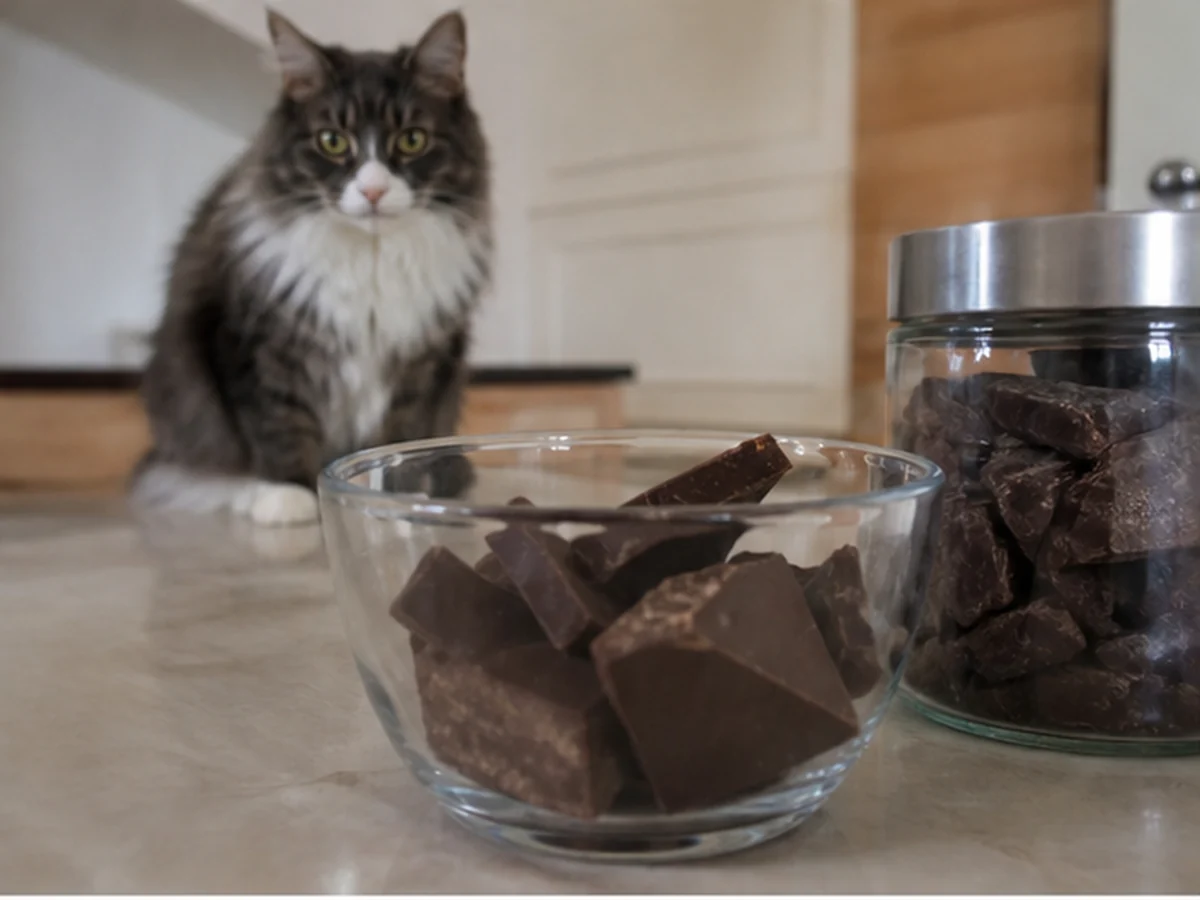
Chocolate contains the methylxanthines theobromine and caffeine, which can stimulate a dog’s heart, nervous system, muscles, and urine production. Cocoa powder and unsweetened baking chocolate are far more concentrated than milk chocolate, so recipe details matter enormously.
A cakey brownie made with a modest amount of cocoa is not equivalent to a dense recipe made with cocoa plus melted dark chocolate plus chips. Our chocolate guide covers the importance of form and dose.
Possible signs include vomiting, diarrhea, restlessness, thirst, increased urination, rapid or irregular heart rate, panting, tremors, overheating, seizures, and collapse. Do not wait for the dramatic signs if you already know a meaningful amount of concentrated chocolate was eaten.
Cocoa-heavy brownies can be more concerning than candy
Cocoa powder looks like a small ingredient compared with a whole pan, but it can contribute a concentrated methylxanthine dose. Dark cocoa, natural cocoa, Dutch-process cocoa, and cacao products should all be reported rather than dismissed as baking flavor.
If you know how many tablespoons or ounces of cocoa went into the recipe and how much of the batch disappeared, share those numbers. If not, photograph the recipe and let the veterinary team make the estimate.
Chocolate chips and frosting can quietly double the problem
Brownies can contain semisweet chips, dark chocolate chunks, ganache, fudge icing, or chocolate candies in addition to the base cocoa. Those additions increase the total chocolate dose and can make visual estimates unreliable.
Scraped-off frosting does not mean the brownie is chocolate-free, and a missing corner may contain more chips than another corner. Give the recipe and total amount eaten rather than trying to calculate which square got the generous handful.

Sugar-free brownies require an immediate xylitol check
Some low-carb, keto, or sugar-free recipes use xylitol. Dogs can develop profound hypoglycemia after xylitol ingestion, and larger exposures can be associated with serious liver injury.
If xylitol is present, call immediately even if the chocolate amount seems small. Our xylitol guide covers why the exact sweetener and dose matter so much.
Raisins and currants turn dessert into a kidney-risk exposure
Some brownies, especially holiday or trail-mix styles, contain raisins or currants. Grapes and dried grape products can cause acute kidney injury in dogs, and susceptibility is unpredictable.
Do not assume the dark chewy pieces were cranberries unless the recipe says so. If raisins or grape-derived currants are possible, call promptly rather than waiting for vomiting or changes in urination.
Macadamia brownies create another dog-specific toxin question
Macadamia nuts can cause weakness, vomiting, tremors, depression, and increased body temperature in dogs. Chocolate macadamia brownies therefore combine two separate hazards in the same square.
Walnuts, pecans, almonds, peanuts, and other nuts are not interchangeable with macadamias, but they still add fat, possible mold exposure, and choking or gastrointestinal concerns. Identify the actual nut instead of reporting “nuts.”
Raw brownie batter adds food-safety concerns
Raw batter may contain uncooked flour and raw eggs, both of which can carry pathogens. Chocolate, xylitol, and other recipe hazards remain the higher priority when present, but food-safety risk still belongs in the history.
Unlike yeast bread dough, ordinary brownie batter does not expand from active yeast and produce ethanol in the same way. Do not lump all raw doughs and batters into one emergency category, but do report the exact recipe.
Cannabis brownies need complete honesty
THC-containing brownies can cause marked sleepiness, wobbliness, altered heart rate, urinary dribbling, temperature changes, agitation, tremors, and other neurologic effects in dogs. Chocolate may add a simultaneous stimulant exposure.
Tell the veterinary team exactly what the brownie contained and the estimated THC amount if known. The dog gets better care from an accurate history than from a mysterious “special brownie” story that makes everyone play twenty questions.
Butter, oil, and sugar can still cause trouble after the toxins are cleared
Brownies are usually high in fat and sugar, and a large binge can cause vomiting, diarrhea, abdominal discomfort, or pancreatitis in susceptible dogs. This is especially relevant for dogs with previous pancreatitis or prescribed low-fat diets.
Do not let a negative chocolate calculation convince you that an entire pan is nutritionally harmless. “Not poisoned by theobromine” and “feels fantastic after twelve brownies” are two very different outcomes.
Foil, parchment, and plastic can become foreign bodies
Dogs often swallow whatever is attached to the dessert, including foil, parchment, cupcake liners, plastic wrap, and paper plates. Large pieces or multiple layers can create choking or obstruction risk.
Persistent vomiting, retching, abdominal pain, refusal to eat, lethargy, or inability to keep water down after swallowed packaging deserves veterinary evaluation. Mention the missing liner during the first call rather than waiting to see whether it reappears.
Do not make a symptomatic dog vomit at home
A veterinarian may consider controlled vomiting after some recent chocolate exposures, but the decision depends on timing, symptoms, dog health, and swallowed objects. Tremors, seizures, marked weakness, poor coordination, or breathing problems increase aspiration risk.
Do not use salt, mustard, oil, or fingers. If a veterinarian directs hydrogen peroxide for an appropriate dog, follow the exact case-specific instructions rather than an online generic dose.
My brownie rule is simple: the pan cools where the dog cannot reach
Cooling racks, low tables, stovetops, and counters beside chairs can all become access points. Put brownies behind a closed door or inside an appliance that is turned off and cool enough for storage.
I am especially suspicious of the “they have never counter-surfed before” defense. Every accomplished counter-surfer has a first successful mission, and brownies are a pretty convincing reason to start a career.
Frequently asked questions
My dog ate one brownie. Is that an emergency?
It depends on the recipe, brownie size, chocolate type, other ingredients, and your dog’s weight. A small low-cocoa brownie is very different from a dense dark-chocolate brownie containing cocoa powder, chips, and xylitol.
Are blondies safer than brownies?
A true blondie may contain little or no cocoa, but chocolate chips, macadamias, raisins, xylitol, or other ingredients can still create risk. Check the recipe rather than relying on color.
What if my dog ate only a brownie crumb?
A tiny crumb is unlikely to deliver a dangerous chocolate dose to most dogs, but confirm that xylitol or another concentrated toxin was not involved. Monitor for stomach upset if the exposure was truly trivial.
Can milk help after a dog eats brownies?
No. Milk does not neutralize chocolate, xylitol, raisins, THC, or other hazards and may add gastrointestinal upset.
Bottom line
Brownie risk is a recipe question, not a square-count question. Identify the chocolate form, check for xylitol, raisins, macadamias, caffeine, THC, raw batter, and swallowed packaging, then call promptly when a meaningful toxin exposure is possible.