Can Dogs Eat Chocolate Chip Cookies? Chocolate, Dough, and Sweeteners
Chocolate chip cookies are not a good dog treat, and some versions can be dangerous. If your dog stole one, I would check the recipe or package before deciding whether to panic, because the chocolate type, cookie size, sweetener, mix-ins, and number eaten matter much more than the word “cookie.”
Start with the cookie math, then check the ingredients
- Count how many cookies were available and how many remain.
- Find the recipe, bakery label, box, or package.
- Identify the chocolate type: milk, semisweet, dark, chunks, chips, or cocoa.
- Check for xylitol, raisins, currants, macadamias, coffee, or other unusual add-ins.
- Note whether raw cookie dough, parchment, foil, or plastic was swallowed too.
- Write down your dog’s weight, the time, and any symptoms.
I would use the largest realistic number eaten rather than the number I wish the dog had eaten. A missing half-dozen bakery cookies should not become “maybe two” simply because the kitchen investigation has poor witnesses.
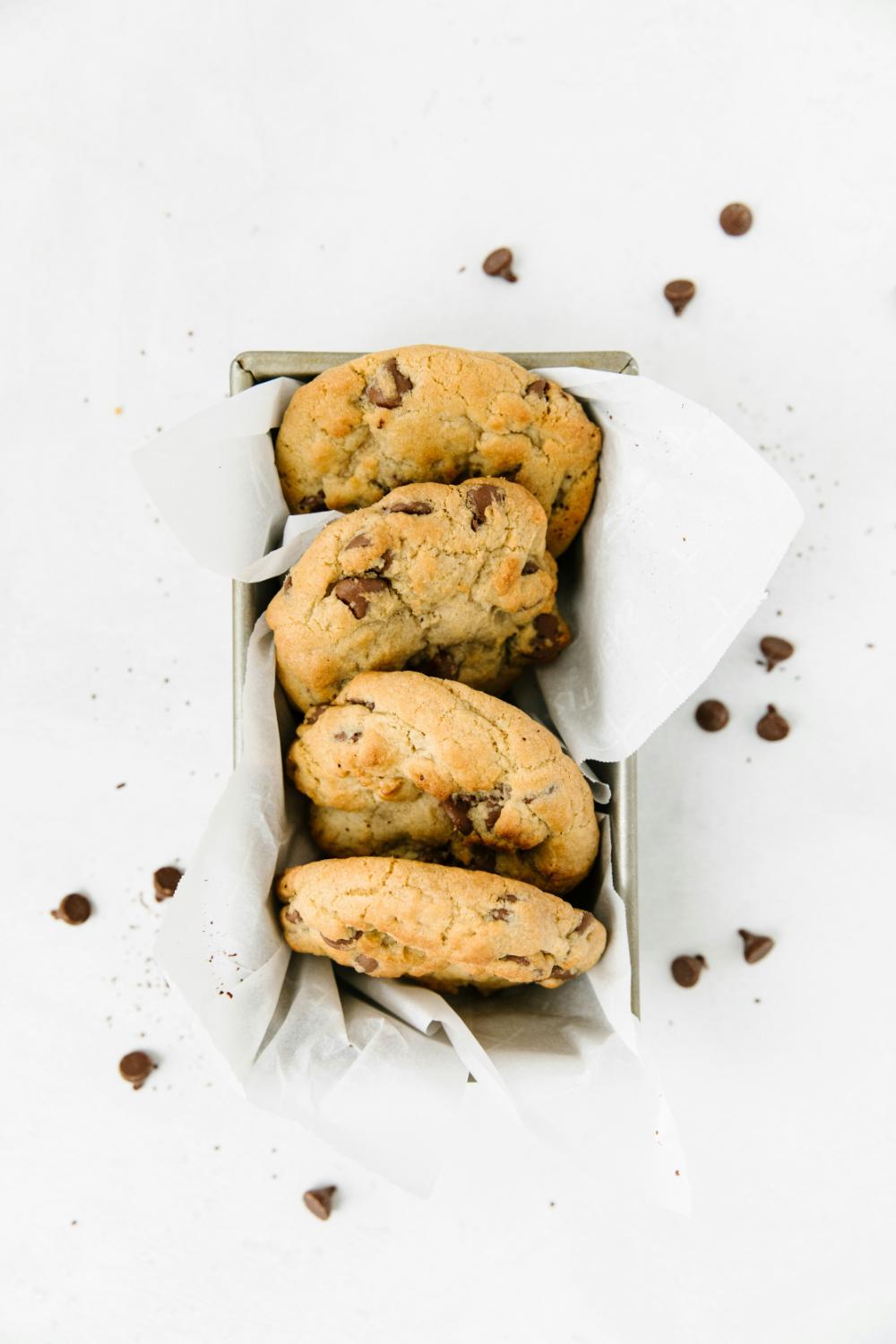
Chocolate chips are the first real risk question
Chocolate contains the methylxanthines theobromine and caffeine, which dogs metabolize more slowly than people. At high enough doses, these compounds can affect the heart, nervous system, muscles, body temperature, and urine production.
The amount of chocolate in one ordinary cookie is often much smaller than the amount in a candy bar, but cookie recipes vary wildly. A small store-bought cookie with a few milk-chocolate chips is not equivalent to an oversized bakery cookie packed with dark chocolate chunks.
Our dog chocolate guide explains why the chocolate type and dog’s weight matter. If several cookies disappeared or the recipe used dark or semisweet chocolate heavily, call rather than relying on a one-cookie rule.
Dark and semisweet chips deserve more attention than white chips
Dark and semisweet chocolate generally contain more methylxanthines than milk chocolate, while white chocolate contains very little theobromine. That does not make white-chocolate cookies healthy for dogs, but it changes which problem is most urgent.
With white chocolate, fat, sugar, wrappers, and other ingredients are usually more important than classic chocolate poisoning. With dark chocolate, the methylxanthine dose can become the lead concern surprisingly quickly in a small dog.

Sugar-free cookies need an immediate xylitol check
Some low-carb, keto, and sugar-free cookie recipes use xylitol. In dogs, xylitol can trigger a rapid insulin release that causes dangerous low blood sugar, and larger exposures can also be associated with serious liver injury.
If xylitol is listed, call immediately even if your dog still looks normal. Our xylitol emergency guide covers why early assessment matters.
Other sugar alcohols are not interchangeable with xylitol. Sorbitol, maltitol, and erythritol can cause gastrointestinal upset in larger amounts, but they do not have the same well-established canine xylitol toxicosis.
Raisins can hide in “everything” cookies
Oatmeal chocolate-chip cookies, trail cookies, breakfast cookies, and kitchen-sink cookies may contain raisins or currants. Grapes and dried grape products can cause acute kidney injury in dogs, and susceptibility is unpredictable.
If a dark chewy piece might be a raisin, use the recipe rather than guessing by sight. Our raisin guide explains why even an apparently normal dog deserves prompt assessment after a meaningful exposure.
Macadamia nuts create another dog-specific problem
Macadamia nuts can cause weakness, especially in the hind legs, vomiting, tremors, depression, and increased body temperature in dogs. A white-chocolate macadamia cookie can therefore be concerning even though white chocolate itself contains little theobromine.
Walnuts, pecans, almonds, peanuts, and cashews are different ingredients, though they can still add fat, salt, choking risk, or mold concerns. Tell the veterinary team which nut was actually present instead of reporting only “nut cookie.”
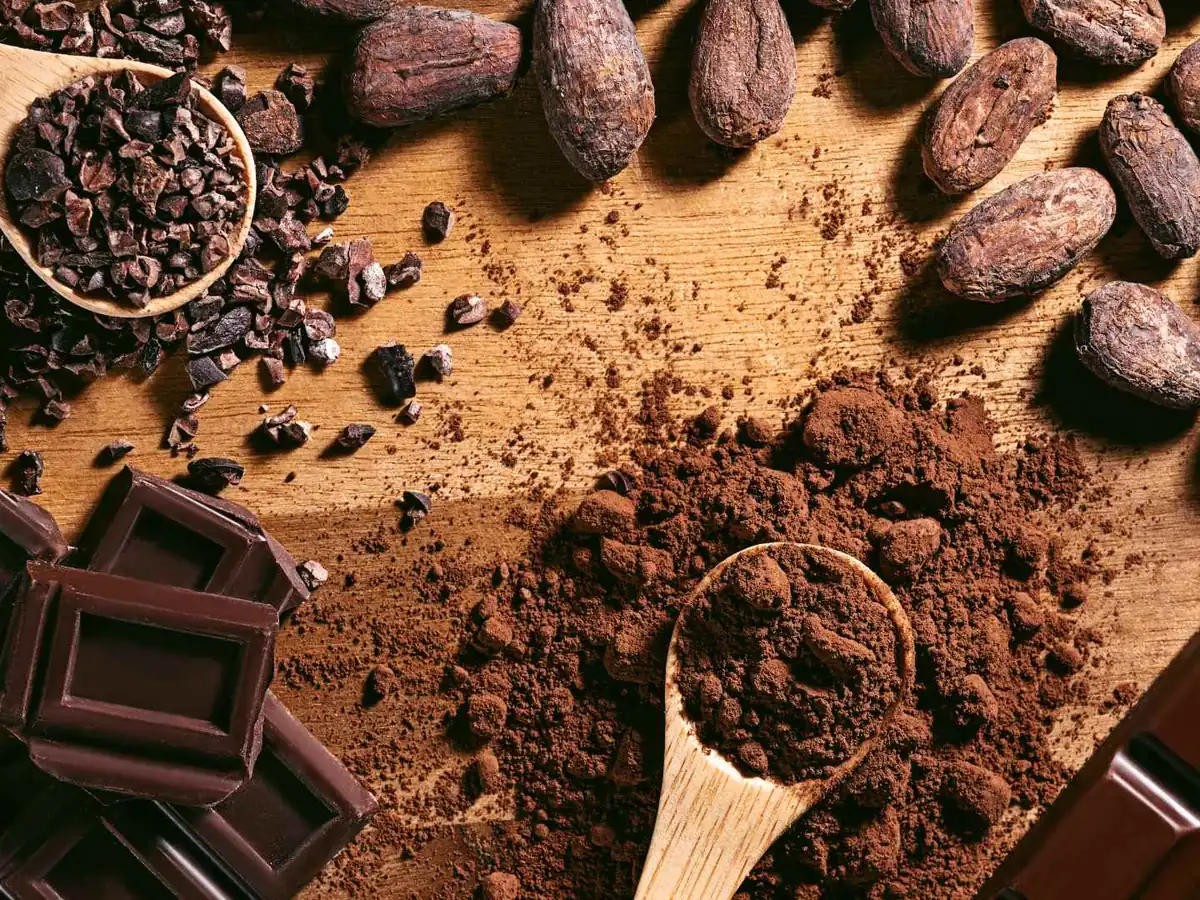
Raw cookie dough is not the same as a baked cookie
Raw cookie dough may contain uncooked flour and raw eggs, which can carry foodborne pathogens. If the dough contains chocolate, xylitol, raisins, or macadamias, those ingredients may still be the more urgent toxicology concern.
Ordinary cookie dough usually relies on baking soda or baking powder rather than active yeast, so it does not create the same expanding-dough and ethanol emergency as raw yeast bread dough. Still, a large lump of rich raw dough can cause stomach upset and may be difficult for a small dog to handle.
Cookie dough ice cream adds more moving parts
Cookie dough ice cream can combine chocolate pieces, raw-style dough, high fat, dairy, sweeteners, and sometimes xylitol or coffee flavoring. The frozen dessert does not dilute away the chocolate or sweetener that went into it.
Dogs that do not tolerate lactose may develop gas, diarrhea, or vomiting after dairy. A large amount of rich ice cream can also be a pancreatitis concern for susceptible dogs.
Cannabis cookies require an honest ingredient list
THC-containing cookies can cause marked sleepiness, wobbliness, altered heart rate, urinary dribbling, temperature changes, agitation, tremors, and other neurologic effects in dogs. Chocolate can add a simultaneous methylxanthine exposure.
Tell the veterinary team exactly what the edible contained and the estimated THC amount if known. Accurate information improves care, and nobody at the emergency hospital needs a creative backstory about why the cookie was “medicinal.”
Butter and sugar can make a large cookie binge miserable
Even a recipe without a classic toxin can contain substantial butter, oil, sugar, and nut butter. A dog that eats a large batch may develop vomiting, diarrhea, abdominal discomfort, or pancreatitis, especially if the dog has a history of pancreatitis or needs a low-fat diet.
A calorie-dense bakery cookie can also represent a meaningful portion of a small dog’s daily energy intake. That is not the emergency question today, but it is one reason cookies should remain human food rather than a regular treat.
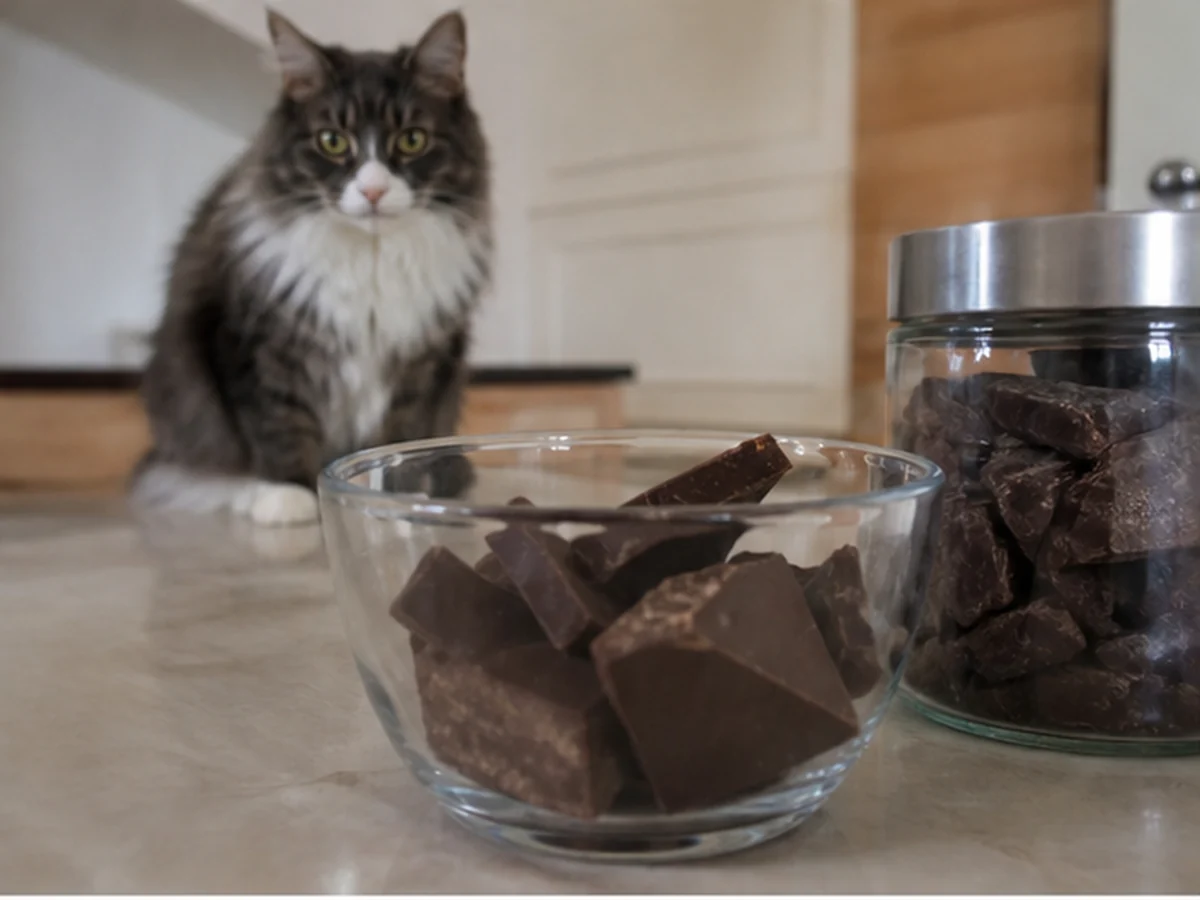
Wrappers and parchment can outlast the cookie
Dogs often swallow the paper, foil, plastic, parchment, or bakery bag along with the food. One small paper liner may pass uneventfully, but multiple wrappers or large pieces can create choking or gastrointestinal obstruction risk.
Repeated vomiting, retching, abdominal pain, refusal to eat, lethargy, bloating, or inability to keep water down after swallowed packaging deserves veterinary evaluation. Mention the missing wrapper during the first call instead of treating it as a separate mystery tomorrow.
Do not induce vomiting until the whole exposure is assessed
A veterinarian may recommend controlled vomiting after some recent chocolate or toxin exposures, but it is not appropriate for every dog. Tremors, seizures, weakness, poor coordination, breathing problems, swallowed objects, and certain medical conditions can change that decision.
Do not use salt, mustard, oil, or fingers. If a veterinary professional directs hydrogen peroxide for an appropriate dog, follow the exact case-specific instructions.
The easiest prevention move is boring but effective
Cool cookies behind a closed door or in a turned-off appliance that is safe for storage rather than on a counter beside a chair. Keep cookie dough, chocolate chips, xylitol, and baking ingredients in closed cabinets during prep.
I am not willing to bet a pan of warm cookies on a dog’s previous record of good behavior. Chocolate chips have launched many otherwise respectable animals into a brief career in counter crime.
Frequently asked questions
My dog ate one chocolate chip cookie. Should I call?
Check the cookie size, chocolate type, recipe, dog weight, and other ingredients. A small cookie with a few milk-chocolate chips may be low risk for a large dog, while a huge dark-chocolate cookie can be much more concerning.
Are chocolate chip cookies more dangerous than chocolate bars?
Usually a cookie contains less chocolate per ounce than a solid chocolate bar, but recipes vary. Concentrated cocoa, dark chunks, xylitol, raisins, or macadamias can change the comparison.
What if my dog ate the cookie but left the chocolate chips?
If you are certain very little chocolate was swallowed and no other toxic ingredient was present, the main issue may be stomach upset from fat and sugar. When the amount is uncertain, use the recipe and call rather than assuming the dog performed selective surgery.
Can I give my dog a chocolate-free cookie?
A tiny piece of a plain cookie without xylitol, raisins, macadamias, or other toxic ingredients may be low risk, but it is still calorie-dense human food. A normal dog treat is easier to portion and comes with fewer ingredient surprises.
Bottom line
Chocolate chip cookie risk depends on the recipe, not the name. Count the cookies, identify the chocolate, check for xylitol, raisins, macadamias, raw dough, THC, and swallowed packaging, then call promptly when a meaningful toxin exposure is possible.