Can Dogs Drink Hot Chocolate? Cocoa Powder, Milk, Marshmallows, and Mixes
Hot chocolate is not a dog-safe drink because it can contain meaningful amounts of cocoa or chocolate. If your dog reached a mug, I would save the mix packet or recipe and estimate how much was missing before deciding whether this was one lick of foam or a concentrated chocolate exposure.
Rebuild the mug before you estimate the risk
- Identify the hot-chocolate mix, cocoa powder, chocolate bar, or syrup used.
- Estimate the largest amount of the finished drink your dog swallowed.
- Note how much cocoa or chocolate went into the full mug or pot.
- Check for xylitol, coffee, espresso, alcohol, marshmallows, or other add-ins.
- Record your dog’s weight and the time of exposure.
- Call promptly if the cocoa dose is meaningful, the formula is unknown, or symptoms appear.
A nearly empty mug does not tell you the dose unless you know whether the drink started half full or overflowing. I would use the largest plausible amount and let the veterinary team narrow it down from there.

Cocoa powder is the ingredient that matters most
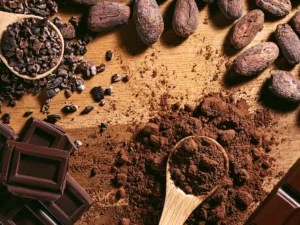
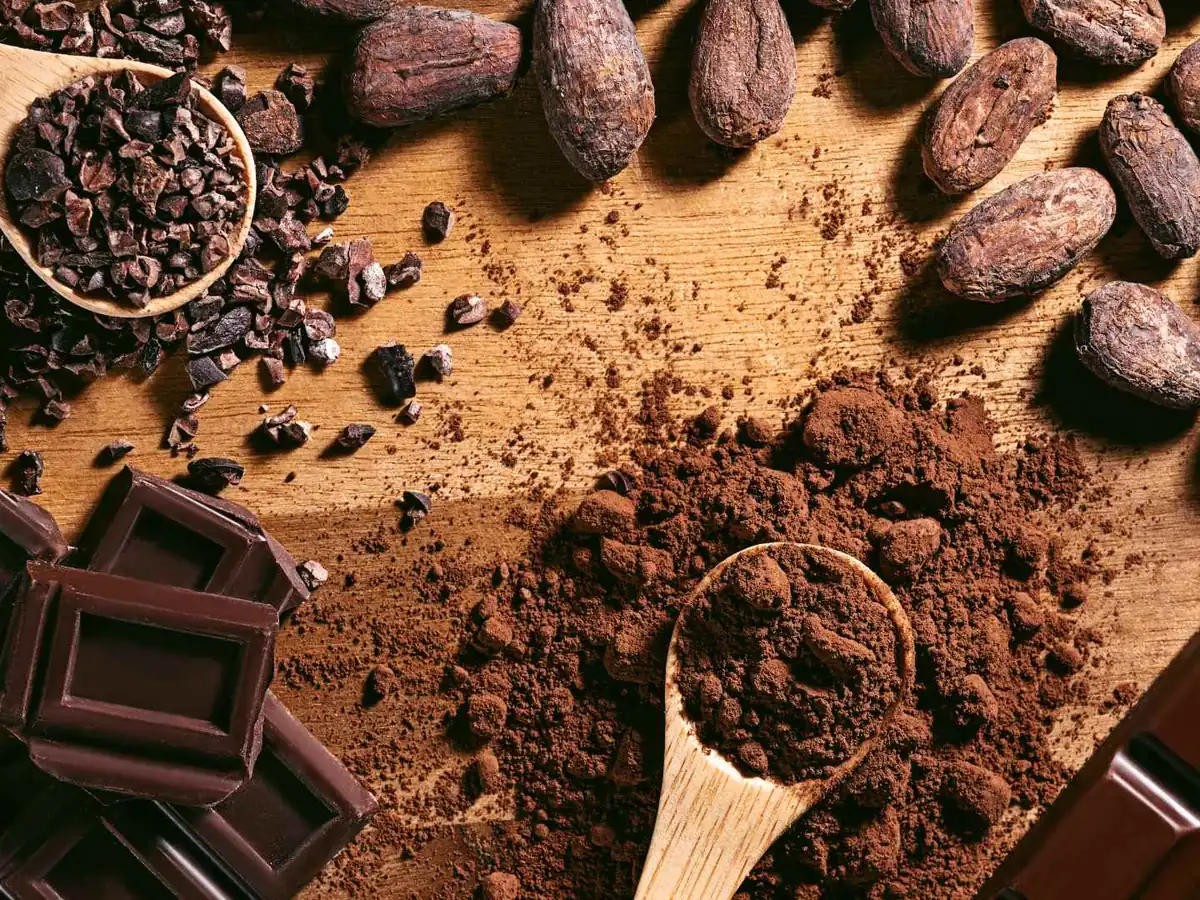
Cocoa powder contains the methylxanthines theobromine and caffeine, which can affect a dog’s heart, nervous system, muscles, temperature, and urine production. Straight baking cocoa is far more concentrated than milk chocolate, so homemade hot cocoa made with generous spoonfuls can be more concerning than a pale instant drink.
If you used measured tablespoons of cocoa, report that amount along with the proportion of the drink the dog consumed. Our cocoa powder guide explains why straight baking cocoa deserves careful dose assessment.
Natural cocoa, Dutch-process cocoa, black cocoa, and cacao powder should all be identified by the exact package. Processing changes flavor and chemistry, but none should be dismissed simply because the recipe calls one “less acidic.”
Melted chocolate makes the product harder to judge by color
Some hot chocolate is made by melting a dark or semisweet bar directly into milk. That recipe can deliver much more chocolate per mug than a lightly flavored instant mix, and the finished drink may look deceptively similar.
Save the chocolate wrapper and note the cocoa percentage and ounces used in the pot. Our dark chocolate guide explains why a 70-percent bar should not be calculated like milk chocolate.
Instant cocoa mixes vary more than people expect
Instant mixes often contain sugar, cocoa, milk powder, thickeners, salt, and flavoring. The cocoa proportion may be much lower than in a homemade recipe, but packet size and servings still matter.
Some mixes are dark-chocolate, mocha, extra-cocoa, or café-style products with more cocoa or added coffee. Report the exact flavor instead of assuming every packet from the same brand has the same formula.
Sugar-free hot chocolate requires a xylitol check
Many sugar-free cocoa mixes use sweeteners other than xylitol, but a label check is still mandatory after a dog exposure. Xylitol can cause dangerous hypoglycemia in dogs and, at larger doses, can be associated with severe liver injury.
If xylitol appears in the ingredients, call immediately and mention both the xylitol and cocoa exposure. Our xylitol emergency guide covers the early low-blood-sugar concerns.
Mocha hot chocolate can stack caffeine sources
Mocha recipes may add coffee, espresso, instant coffee, or coffee concentrate on top of the caffeine already present in cocoa. That can make the stimulant dose meaningfully higher than a plain hot chocolate.
Report espresso shots or caffeine milligrams when known. Our coffee guide explains why concentrated coffee products can become serious exposures for dogs.

Milk is usually a stomach issue, not an antidote
Many dogs do not digest lactose particularly well, so a large amount of milk can cause gas, diarrhea, vomiting, or abdominal discomfort. Whole milk, cream, or half-and-half also adds fat that can be a problem for dogs prone to pancreatitis.
Milk does not neutralize theobromine or caffeine. A mug that is mostly milk still contains whatever cocoa or chocolate was stirred into it.
Plant milk does not automatically make the drink safer
Oat, almond, soy, and coconut beverages can be used as hot-chocolate bases. Small amounts of many plain versions may be low risk, but flavored products can add sweeteners, chocolate, gums, or more sugar, and coconut products can add substantial fat.
Always read both labels when the drink combines a plant milk and a cocoa mix. The ingredient that creates the emergency may be in either container.
Plain marshmallows are usually not the main danger
Ordinary marshmallows are mostly sugar and gelatin and are not a useful dog treat, but a small plain marshmallow is usually less concerning than the cocoa beneath it. Sugar-free marshmallows are different because they may contain alternative sweeteners that require a label check.
Large marshmallows can also be sticky choking hazards, especially for small dogs that swallow them whole. Our marshmallow guide covers the sweetener and texture issues separately.
Peppermint sticks and candy toppings can add surprises
Peppermint candy, crushed cookies, chocolate chips, caramel, whipped cream, and syrups are common hot-chocolate toppings. Most toppings simply add sugar and fat, but sugar-free candies can contain xylitol and chocolate toppings add more methylxanthines.
Do not stop the ingredient inventory at the liquid. A loaded holiday mug can have enough extras to deserve its own grocery receipt.
Alcoholic hot chocolate creates a second emergency category
Holiday hot chocolate may contain rum, bourbon, whiskey, peppermint schnapps, Irish cream, or another alcoholic addition. Ethanol can cause vomiting, disorientation, poor coordination, low body temperature, low blood sugar, breathing depression, collapse, and other serious signs.
Report the alcohol type and amount along with the cocoa. Do not assume a splash is irrelevant when a tiny dog drank most of the mug.
Temperature can cause an injury separate from the ingredients
A dog that drinks very hot liquid can burn the lips, tongue, mouth, or esophagus. Drooling, pawing at the mouth, reluctance to eat or drink, obvious oral redness, or persistent pain after a hot-liquid exposure deserves veterinary evaluation.
Do not apply ice directly to oral tissue or force cold water into a distressed dog. Move the hot drink away and call for guidance if a burn is possible.
Do not automatically make the dog vomit
Whether vomiting is appropriate depends on the amount of chocolate, timing, symptoms, dog health, and other ingredients. A weak, trembling, seizing, poorly coordinated, or breathing-impaired dog can aspirate.
Do not use salt, mustard, oil, or fingers. If a veterinary professional recommends hydrogen peroxide for an appropriate dog, follow the exact instructions given for that case.
My practical prevention rule is to move the mug
Coffee tables, low end tables, couch arms, and nightstands are basically dog-level beverage stations. Put hot chocolate on a high stable surface and clear unfinished mugs before leaving the room.
I also keep the packet or cocoa container until the mug is gone. It is much easier to answer “what was in it?” when the ingredient list has not already taken a ceremonial trip to the trash.
Frequently asked questions
My dog licked hot chocolate. Is that dangerous?
A tiny lick of a weak milk-based drink may be low risk for many dogs, but identify the exact cocoa product and sweeteners first. A concentrated homemade drink or very small dog deserves more caution.
Is hot cocoa less dangerous than a chocolate bar?
It depends on the recipe. A weak instant drink may contain relatively little cocoa per ounce, while homemade hot chocolate made with several tablespoons of cocoa or a melted dark bar can be quite concentrated.
Can dogs have whipped cream from hot chocolate?
A tiny amount of plain whipped cream may be low risk for many healthy dogs, but dairy and fat can cause stomach upset. Sugar-free whipped toppings require a sweetener check, and the cocoa residue underneath still matters.
Should I give water after hot chocolate?
Let a normal dog drink water normally, but do not force fluids as an antidote. Water does not remove the methylxanthines already swallowed.
Bottom line
Hot chocolate risk depends on the cocoa recipe, amount swallowed, dog size, and every add-in in the mug. Save the mix or recipe, check for xylitol, coffee, alcohol, rich dairy, and choking hazards, and call promptly when the cocoa dose is meaningful or uncertain.