Can Dogs Eat Gravy? Onion, Garlic, Fat, Salt, and Drippings
I would not pour ordinary human gravy over a dog’s food unless I had checked every ingredient first. A small lick of plain low-salt gravy may be low risk, but onion, garlic, fatty drippings, butter, salty broth, dairy, and specialty sweeteners can turn “just gravy” into a much messier question.
Gravy is a recipe, not one ingredient
- Pan gravy: often high in fat and salt from meat drippings.
- Turkey or chicken gravy: may contain onion, garlic, broth, butter, and skin drippings.
- Beef gravy: can contain onion, garlic, concentrated stock, fat, and Worcestershire-style seasoning.
- Packet or jar gravy: usually needs a careful sodium and allium check.
- Country or cream gravy: adds dairy and often sausage fat.
- Dog-specific gravy toppers: can be appropriate when formulated for dogs and fed as directed.
If your dog stole gravy, save the packet, jar, recipe, or restaurant ingredient information and estimate the amount. “A bowl of gravy” tells me less than “about half a cup of turkey gravy made from drippings, broth, onion powder, and butter.”
Onion and garlic are the ingredients I check first
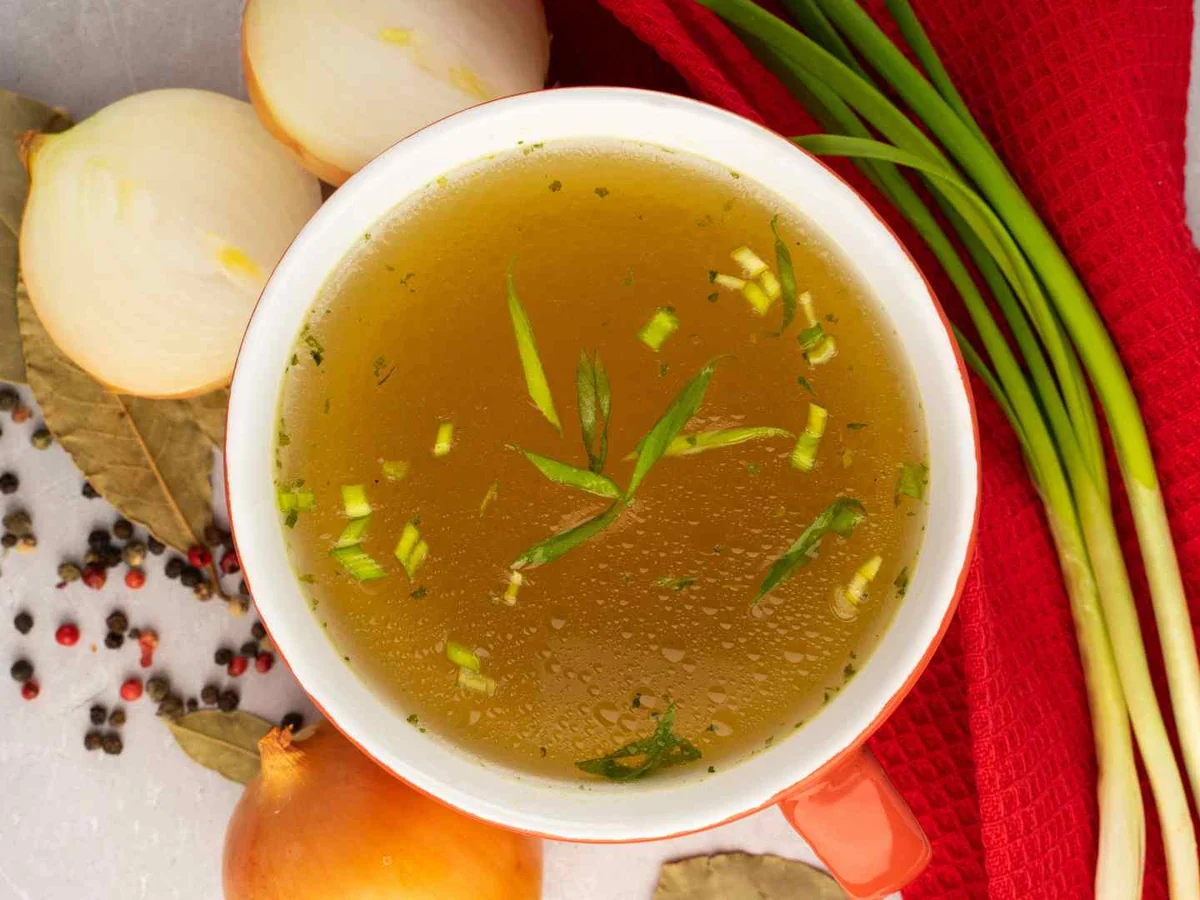
Onion, garlic, chives, leeks, and related alliums can damage red blood cells in dogs after a sufficient dose. Powdered forms are concentrated, and onion powder or garlic powder can appear in gravy even when no visible vegetable pieces are present.
A tiny taste of lightly seasoned gravy is not equivalent to a small dog eating a large bowl of gravy made with several tablespoons of onion or a heavy dose of powder. The exact recipe and amount matter.
Allium-related anemia can be delayed. Weakness, unusual tiredness, pale gums, rapid breathing, increased heart rate, reduced appetite, dark or reddish urine, or collapse deserves prompt veterinary care after a meaningful exposure.
Pan drippings can make gravy extremely fatty
Traditional pan gravy often starts with rendered fat and browned meat juices, then adds flour, butter, broth, or cream. That can create a very rich sauce even before anyone adds sausage, cream, or more butter.
A large fatty serving can cause vomiting, diarrhea, abdominal pain, and in susceptible dogs may contribute to pancreatitis. Dogs with previous pancreatitis or prescribed low-fat diets deserve a much lower threshold for concern.
Repeated vomiting, refusing food, marked lethargy, abdominal pain, diarrhea, dehydration, or a hunched uncomfortable posture after a rich-food binge deserves veterinary evaluation.
Salt is usually a quantity and medical-history problem
Gravy can be very high in sodium because it combines salted meat drippings, broth, bouillon, seasoning packets, and table salt. One lick is unlikely to cause salt poisoning in most healthy dogs, but a small dog drinking a bowl of concentrated gravy is a different exposure.
Dogs with heart disease, kidney disease, high blood pressure, fluid-retention problems, or a veterinary sodium restriction deserve extra caution. Repeated salty toppers can work directly against a therapeutic diet even when each serving looks small.
Severe salt excess can cause vomiting, marked thirst, weakness, neurologic abnormalities, tremors, or seizures. Do not deliberately withhold water after a salty-food binge unless a veterinarian specifically tells you to.
Bouillon and stock concentrates deserve a label check
Gravy made from bouillon cubes, paste, powder, or concentrated stock can be especially salty and may contain onion or garlic. Reduced-sodium labels can still represent more sodium than I would want to pour freely over a dog’s dinner.
If I want a dog-safe broth-style topper, I would choose a product specifically made without onion or garlic and use a small amount. Our chicken broth guide and beef broth guide cover the same label issues in liquid form.
Turkey gravy can carry everything from the roasting pan
Holiday turkey gravy may include skin drippings, butter, broth, pan juices, onion, garlic, stuffing crumbs, herbs, wine, and browned bits from the roasting pan. The dog is not receiving “turkey flavor”; the dog is receiving a concentrated version of the entire dinner.
If the turkey was cooked with onions or garlic in the pan or cavity, some of those flavors may end up in the gravy. Save the recipe after a large exposure instead of trying to remember which aromatics were added six hours earlier.
Country gravy adds sausage fat and dairy
White or country gravy is commonly made with sausage drippings, flour, milk, salt, pepper, and sometimes garlic or onion seasoning. It can therefore be rich in fat and sodium while also containing dairy that some dogs do not tolerate well.
Dogs that are lactose-sensitive may develop gas, diarrhea, vomiting, or abdominal discomfort after a large amount of milk-based gravy. Sausage adds more fat, salt, and often spice.
A spoonful is not the same thing as a bowlful, but I would not make biscuits-and-gravy cleanup part of a dog’s job description.
Mushroom gravy depends on the mushroom and the rest of the recipe
Common edible grocery-store mushrooms are not generally major dog toxins when plainly cooked, but mushroom gravy often includes butter, cream, onion, garlic, salt, and wine. Wild mushroom exposure is a completely different situation and can be dangerous.
If wild or unidentified mushrooms were used, call promptly with photos or samples when safe to obtain. Do not assume a sauce makes an unknown mushroom easier to identify after ingestion.
Wine and alcohol can remain in some gravies
Some gravies and pan sauces use wine, sherry, brandy, beer, or other alcohol. Cooking reduces alcohol content depending on method and duration, but it does not guarantee that every trace is gone.
A tiny taste of thoroughly cooked sauce is different from a small dog drinking a pan sauce with a recent splash of alcohol. Report the recipe when the amount is meaningful or the cooking time was short.
Sugar-free gravy is unusual, but still check specialty products
Most traditional gravy is savory and does not use xylitol, but specialty keto sauces, glazes, or packaged products can contain alternative sweeteners. If xylitol appears in any gravy or sauce, call immediately because dogs can develop dangerous hypoglycemia and possible liver injury.
I would not expect xylitol in ordinary turkey gravy, but I also would not ignore an ingredient label simply because a product sounds savory. Labels occasionally enjoy surprises.
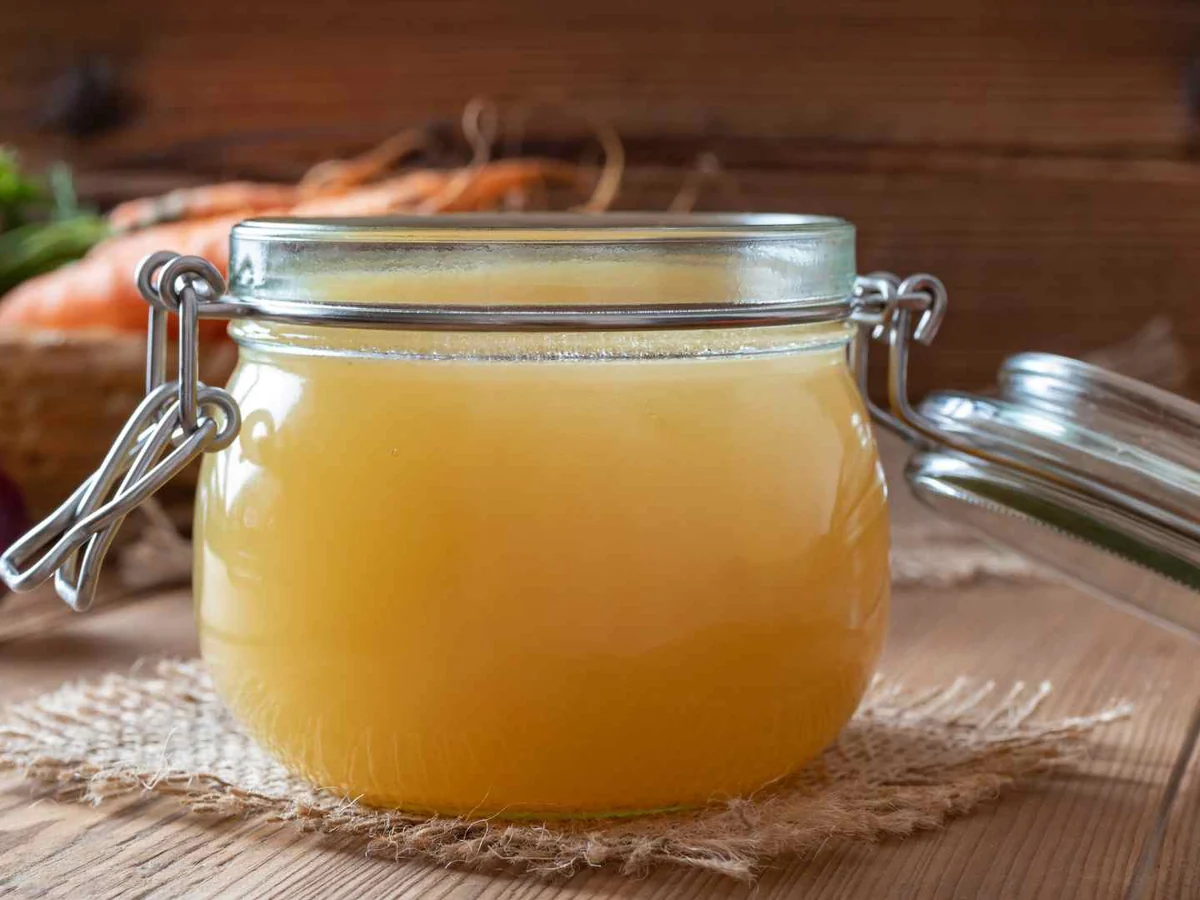
Flour and cornstarch are usually not the interesting ingredients
Cooked flour and cornstarch are common thickeners and are not usually the primary safety concern in a finished gravy. They can add calories and carbohydrates, but onion, garlic, sodium, fat, dairy, and other seasonings matter far more.
Raw flour should not be intentionally fed because uncooked flour can carry pathogens. In normal cooked gravy, the thickener has generally been heated thoroughly.
A dog-safe gravy can be much simpler
If I want to moisten a dog’s food, I would use a small amount of plain dog-safe broth with no onion or garlic, warm water, or a veterinary-approved topper. That delivers smell and moisture without importing a holiday pan’s worth of butter and salt.
For a homemade meat topper, a little plain cooked meat blended with water can be easier to control than traditional gravy. Keep extras within the dog’s overall calorie plan rather than turning every meal into Thanksgiving.
What to do after a small accidental lick
If a healthy dog gets one small lick of ordinary gravy and the recipe contains no meaningful onion, garlic, xylitol, alcohol, or unusual ingredient, I would generally monitor for stomach upset and put the rest away. I would not induce vomiting for a trivial exposure.
Call sooner if a small dog drank a large amount, the gravy contains substantial onion or garlic, the dog has pancreatitis or sodium-sensitive disease, or repeated vomiting, abdominal pain, weakness, pale gums, tremors, or other concerning signs develop.
Frequently asked questions
Can dogs have turkey gravy?
I would avoid ordinary turkey gravy unless you know it is low in fat and sodium and contains no onion or garlic. Plain boneless turkey meat is a much simpler sharing option.
Can dogs eat brown gravy from a packet?
Check the ingredient and sodium labels first. Packets commonly contain substantial salt and may include onion or garlic powder, so they are usually not a good routine dog-food topper.
Can dogs eat gravy and mashed potatoes?
Plain cooked potato can be low risk in a small amount, but butter, cream, salt, onion, garlic, and gravy can make the combined dish rich and unsuitable. Check the complete recipe rather than evaluating the potato alone.
Can I make gravy specifically for my dog?
Yes, but keep it simple and dog-appropriate: no onion, garlic, excess salt, rich drippings, or unsafe sweeteners. A small amount of plain dog-safe broth thickened lightly or blended with plain meat is easier to control.
Bottom line
Human gravy is usually too salty and fatty to make a good routine dog topper, and onion or garlic can create a more serious problem after a meaningful dose. Check the recipe, consider the amount and the dog’s medical history, and use a simpler dog-safe topper when you want to add moisture or flavor.