Dog Ate a Ham Bone? Cooked Bone, Fat, Salt, and Obstruction Risks
If your dog ate a cooked ham bone, call your veterinarian for case-specific advice and do not make the dog vomit unless a veterinary professional specifically tells you to. Ham bones can fracture, lodge, obstruct, or injure tissue, and the fatty salty meat attached to them creates a second set of problems.
Start by figuring out exactly what disappeared
- Identify the bone: whole ham bone, shank bone, spiral-ham bone, small fragment, or leftover joint piece.
- Confirm whether it was cooked, smoked, cured, glazed, or raw.
- Estimate how much bone and meat are missing.
- Record your dog’s current weight and the time of ingestion.
- Check for foil, netting, skewers, plastic, absorbent pads, or other packaging.
- Save the ham label or recipe so you can report sodium, glaze, onion, garlic, and sweeteners.
I would rather give a veterinarian an ugly worst-case estimate than a comforting guess. “Most of a 9-inch cooked ham bone plus the fatty end” is far more useful than “he ate some ham.”
Cooked ham bones can become brittle and sharp
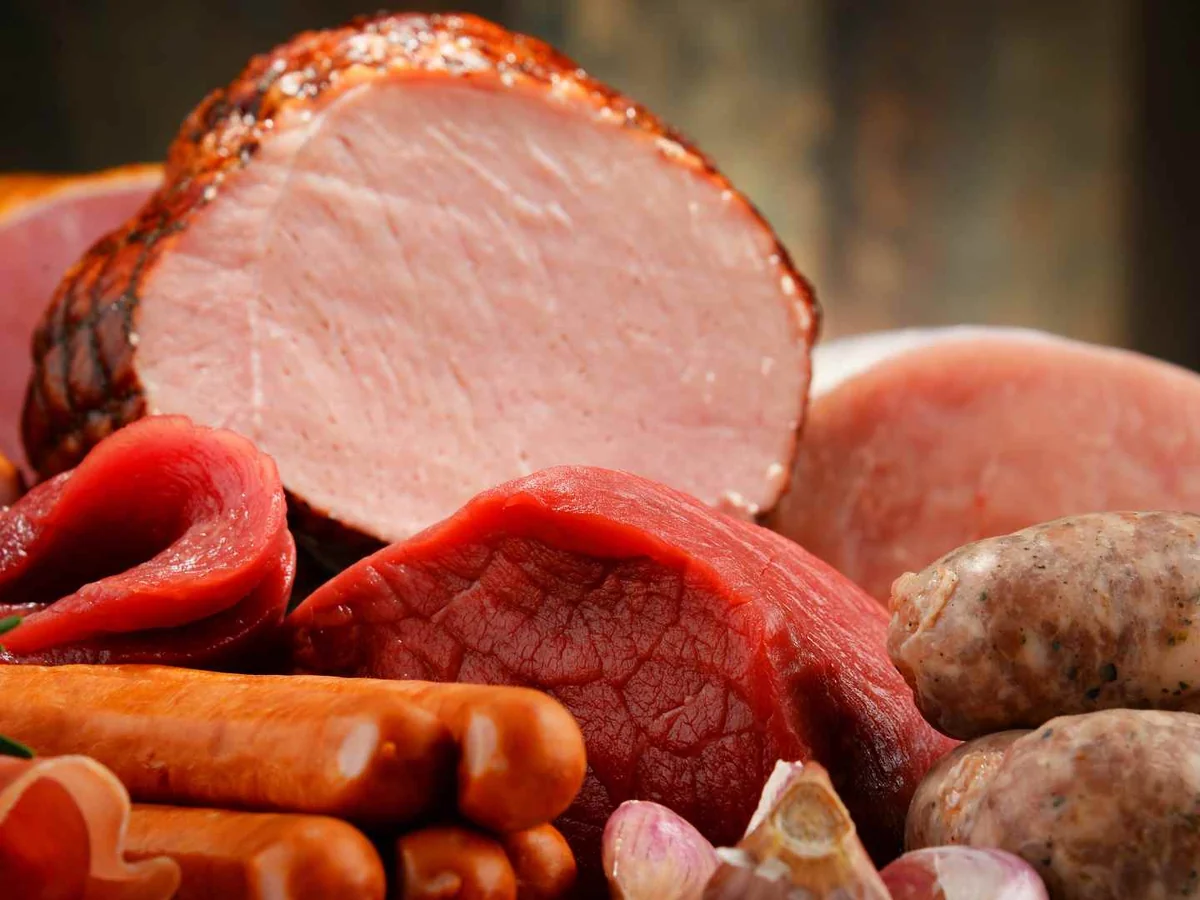
Cooking changes the structure of bone and can make pieces more likely to crack into irregular or pointed fragments. Those fragments can injure the mouth, become stuck in the throat or esophagus, scrape the stomach or intestines, or create a gastrointestinal obstruction.
Not every swallowed ham bone causes a serious complication, and some pieces do pass. The problem is that there is no reliable way to look at your dog afterward and know where every fragment is or how it will travel.
Dog size changes the mechanical risk. A bone chunk that seems modest next to a holiday ham can be a very large foreign body inside a 12-pound dog.
Choking is the first emergency to rule out
Frantic gagging, pawing at the mouth, repeated attempts to swallow, excessive drooling, blue or pale gums, collapse, or an inability to move air can indicate choking. That requires emergency veterinary care immediately.
If a loose object is clearly visible at the very front of the mouth and can be removed safely, that is different from reaching blindly into the throat. A painful frightened dog can bite, and pushing a bone deeper can make the problem worse.
A bone stuck in the esophagus may look different
Esophageal foreign bodies can cause drooling, gagging, neck stretching, repeated swallowing, regurgitation, refusing food or water, and obvious discomfort. A partially obstructed dog may still be able to breathe normally, which can make the situation look less urgent than it is.
Do not feed bread, rice, pumpkin, or another bulky food to push a suspected stuck bone downward unless the veterinary team specifically recommends feeding. An esophageal bone may need imaging or endoscopic removal instead.
Problems can appear after the bone reaches the stomach
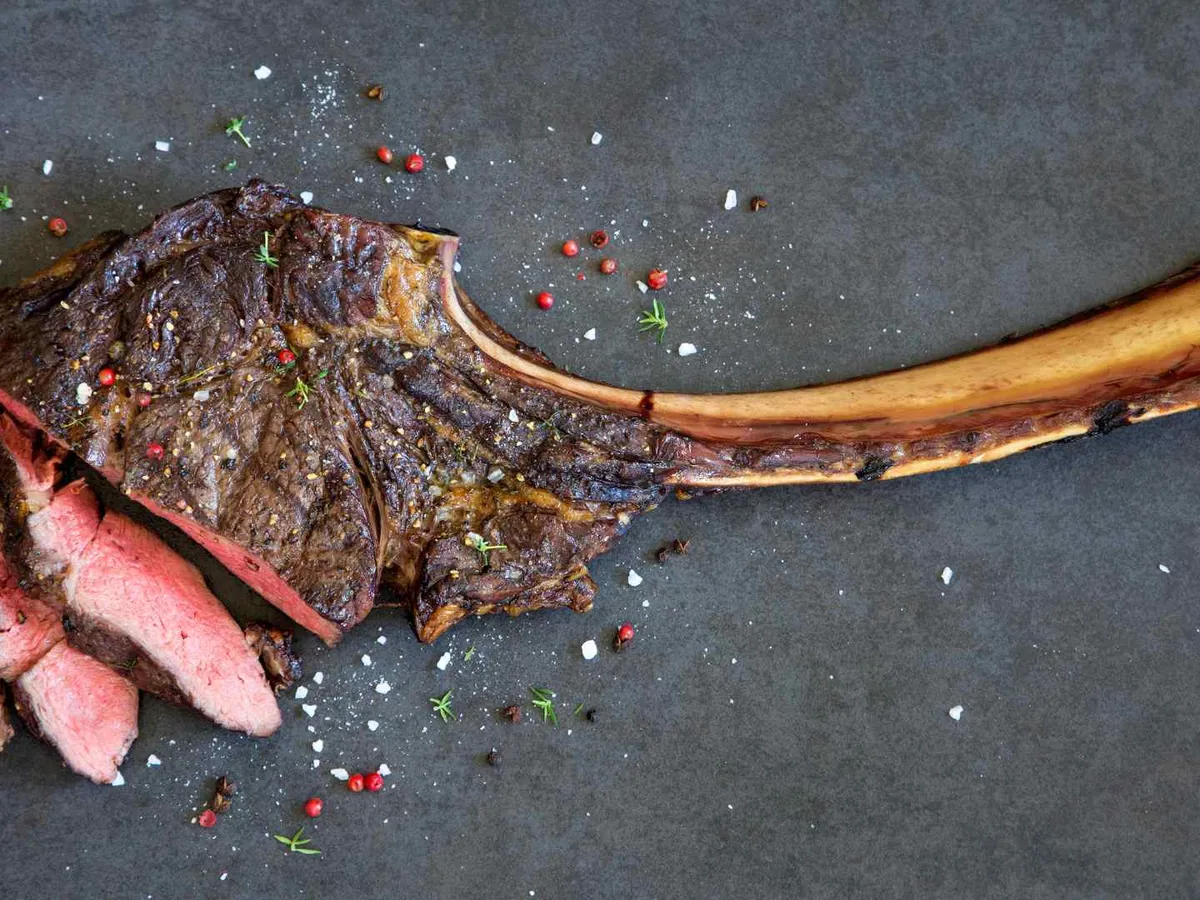
A dog can look completely normal after swallowing a bone and develop complications later. Repeated vomiting, abdominal pain, bloating, refusing food, marked lethargy, straining, black stool, bloody stool, or inability to keep water down deserves veterinary evaluation.
Large fragments can lodge in the stomach or intestines, while sharp pieces can injure tissue. Dense bone material can also contribute to constipation and painful defecation even when there is no complete obstruction.
Do not induce vomiting after a cooked-bone exposure
I would not give hydrogen peroxide, salt, mustard, oil, or another home emetic after a cooked ham-bone ingestion unless a veterinarian specifically directs it. Bringing a sharp fragment back through the esophagus can create additional injury and vomiting can also cause aspiration.
Home first aid should not be a reflex. The safest plan depends on bone size, dog size, symptoms, timing, and whether other material was swallowed.
Bread is not a guaranteed protective cushion
Owners are often told to feed bread or bulky food after a dog swallows a bone. There is no universal evidence-based rule that bread can reliably wrap around a sharp fragment and prevent injury.
Feeding can also complicate sedation, imaging, or endoscopy if a procedure becomes necessary. Follow the case-specific feeding instructions from the veterinary team instead of improvising a loaf-of-bread treatment.
Ham fat creates a separate pancreatitis concern
Holiday ham can carry a thick fat layer, and dogs often swallow that rich meat along with the bone. A large fatty-food binge can cause vomiting, diarrhea, abdominal pain, poor appetite, and in susceptible dogs may contribute to pancreatitis.
Dogs with previous pancreatitis, high blood fats, chronic gastrointestinal disease, or a prescribed low-fat diet deserve a lower threshold for veterinary advice. The bone may be the dramatic part of the story, but the fat can still be the part that makes the next day miserable.
Ham can also deliver a large sodium load
Ham is usually cured or brined and can contain far more sodium than plain cooked pork. One small bite is unlikely to cause salt poisoning in most healthy dogs, but a small dog eating a large amount of heavily cured ham can receive a substantial sodium dose.
Dogs with heart disease, kidney disease, high blood pressure, fluid-retention problems, or veterinary sodium restrictions deserve additional caution. Do not deliberately withhold water after a salty-food exposure unless the veterinary team specifically instructs you to do so.
Glaze can add sugar, alliums, alcohol, or xylitol
Ham glazes vary wildly and may contain brown sugar, honey, maple syrup, mustard, pineapple, cloves, bourbon, onion, garlic, or sugar-free sweeteners. A dog that strips glaze from a bone may therefore have a mixed exposure rather than a simple bone problem.
If xylitol appears anywhere in the glaze, call immediately because dogs can develop dangerous hypoglycemia and possible liver injury. If alcohol was used in an uncooked finishing glaze, report the type and amount as well.
Netting, foil, skewers, and packaging belong in the inventory
Holiday ham may come with plastic netting, foil, bone guards, skewers, absorbent pads, labels, or roasting-bag material. Dogs can swallow those items along with meat scraps.
String-like netting is especially important because linear foreign bodies can bunch the intestines and cause serious injury. Do not pull visible string from the mouth or rectum if it appears stuck.
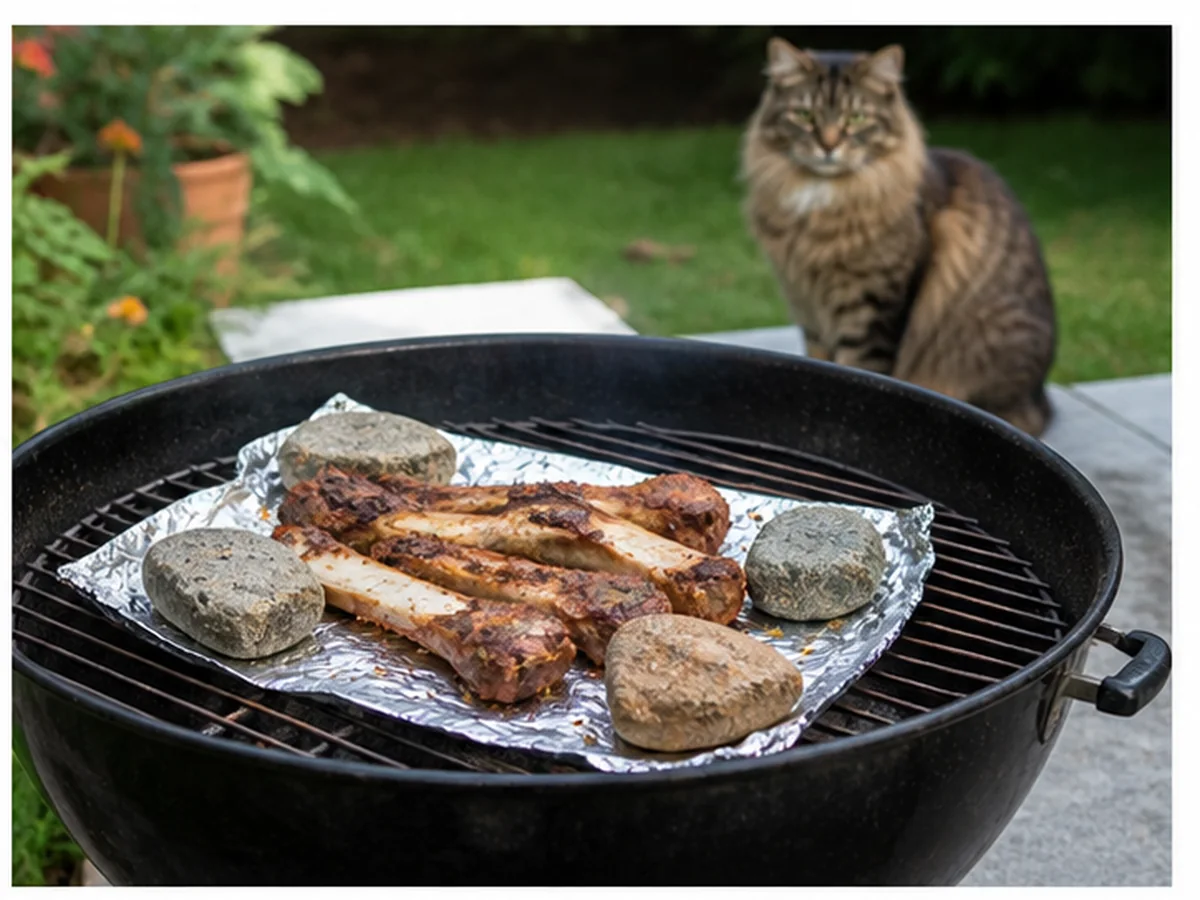
What I would do while waiting for veterinary instructions
Keep the dog calm, block access to more leftovers, and save a matching bone or photo if one is available. Have the dog’s weight, timing, bone description, symptoms, and recipe ready when you call.
Do not force food or water into a dog that is gagging, regurgitating, repeatedly vomiting, painful, or having trouble swallowing. If the dog is comfortable and the veterinarian recommends normal feeding or monitoring, follow that plan rather than adding extra home remedies.
The safest prevention fix is boring but effective
Put the ham bone directly into a lidded trash can or sealed container as soon as carving is finished. Do not leave it in a roasting pan, on a low counter, beside the sink, or in a trash bag waiting to go outside.
I trust a locked trash lid much more than a dog who has spent three hours smelling holiday ham. The bone has had an unfair marketing advantage since breakfast.
Frequently asked questions
My dog ate a ham bone and seems fine. Should I still call?
Yes, especially if the bone was cooked, large, sharp, or swallowed in pieces. Normal behavior immediately afterward does not rule out a later obstruction or gastrointestinal injury.
Can I give bread after my dog eats a ham bone?
Only if your veterinarian specifically recommends feeding for this exposure. Bread does not reliably neutralize sharp bone fragments and may be inappropriate if a bone is lodged.
Can dogs eat raw ham bones?
Raw bones are not risk-free because they can choke, break teeth, obstruct the gastrointestinal tract, and carry foodborne pathogens. Cured raw pork can also create additional food-safety concerns.
How long should I monitor my dog?
Follow the monitoring period your veterinarian recommends for the specific bone and dog. Problems can develop after a delay, so a few symptom-free hours are not always enough to close the case.
Bottom line
A cooked ham bone can create choking, esophageal, dental, gastrointestinal, and obstruction risks, while attached fat, salt, glaze, and packaging add separate concerns. Call for case-specific advice, skip improvised vomiting or bread remedies, and seek urgent care for breathing trouble, repeated gagging, vomiting, abdominal pain, bleeding, collapse, or marked lethargy.