Can Cats Eat Trout? Cooked, Raw, Smoked, Bones, and Portions
Cats can eat plain fully cooked boneless trout in small amounts. I would treat it as an occasional topper, not a substitute for complete cat food, and I would skip raw trout, smoked trout, fried trout, or a fillet dripping in garlic butter.
The quick trout verdict for cats
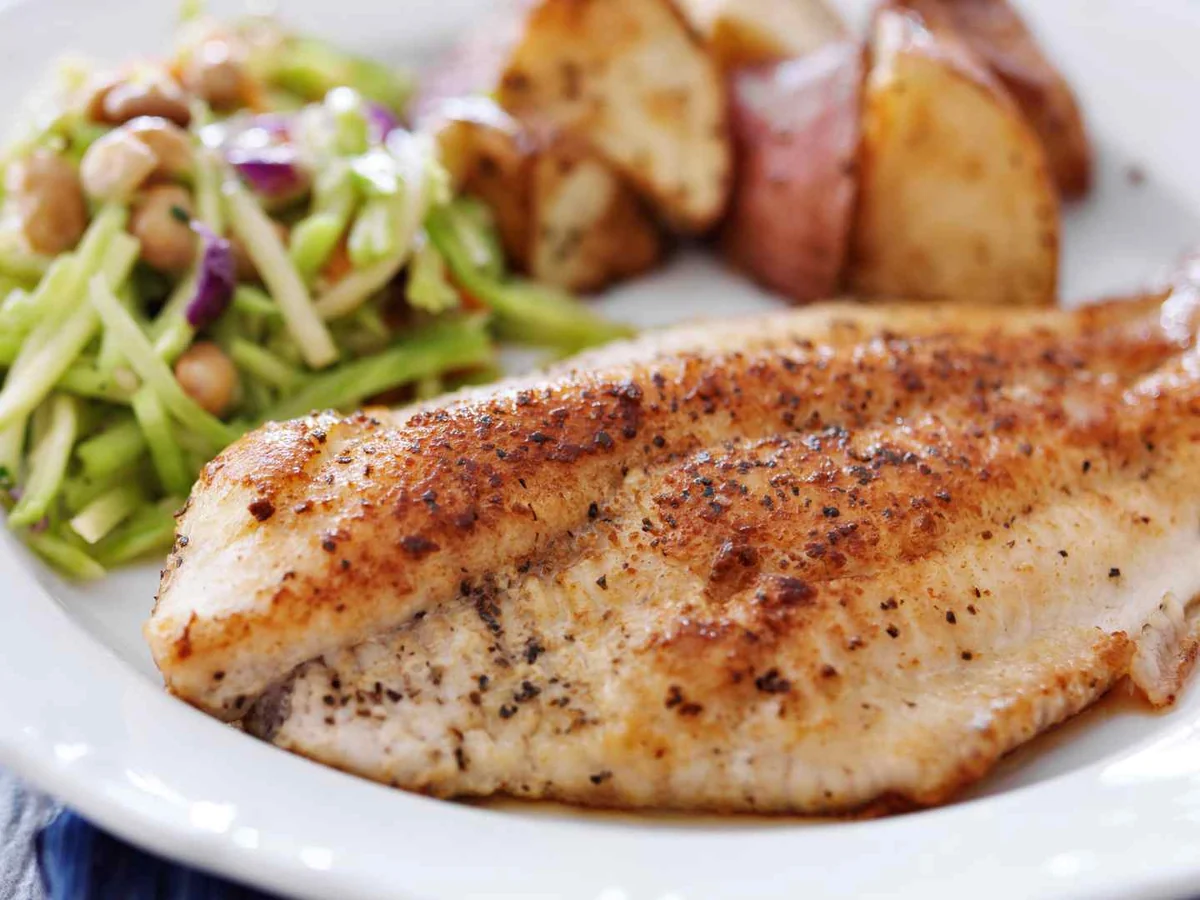
Plain fully cooked boneless trout can be an occasional treat for many healthy cats. Trout provides animal protein, omega-3 fatty acids, vitamin B12, selenium, phosphorus, and other nutrients.
I cook trout thoroughly, remove visible bones, skip seasoning, let it cool, and offer a few small flakes. Complete cat food should remain the nutritional foundation.
The safest version is plain cooked fish. Raw trout, smoked trout, fried trout, garlic-butter trout, and restaurant dishes all need separate risk checks.
Plain cooked trout is the easy answer
Trout can add fish flavor and useful omega-3 fats without requiring a large portion. One or two tiny flakes can be enough for many cats.
Cats are small enough that a human fish portion can become an extra meal quickly. I keep the serving tiny and count it as a treat or topper.
If a cat is on a prescription kidney, heart, gastrointestinal, allergy, urinary, or weight-management diet, I would check before adding trout regularly.
Bones are the part I check twice
Trout can contain fine pin bones and small rib bones that are easy to miss. They can lodge in the mouth or throat, cause choking, scratch the esophagus, or injure the gastrointestinal tract.
I flake the fish apart and run my fingers through the serving before it reaches the cat. Gagging, drooling, repeated swallowing, regurgitation, pawing at the mouth, vomiting, or breathing difficulty after eating fish deserves prompt veterinary attention.
Do not force bread or another food down to push a suspected bone through. A lodged sharp bone needs case-specific veterinary advice.
Raw trout adds avoidable food-safety risk
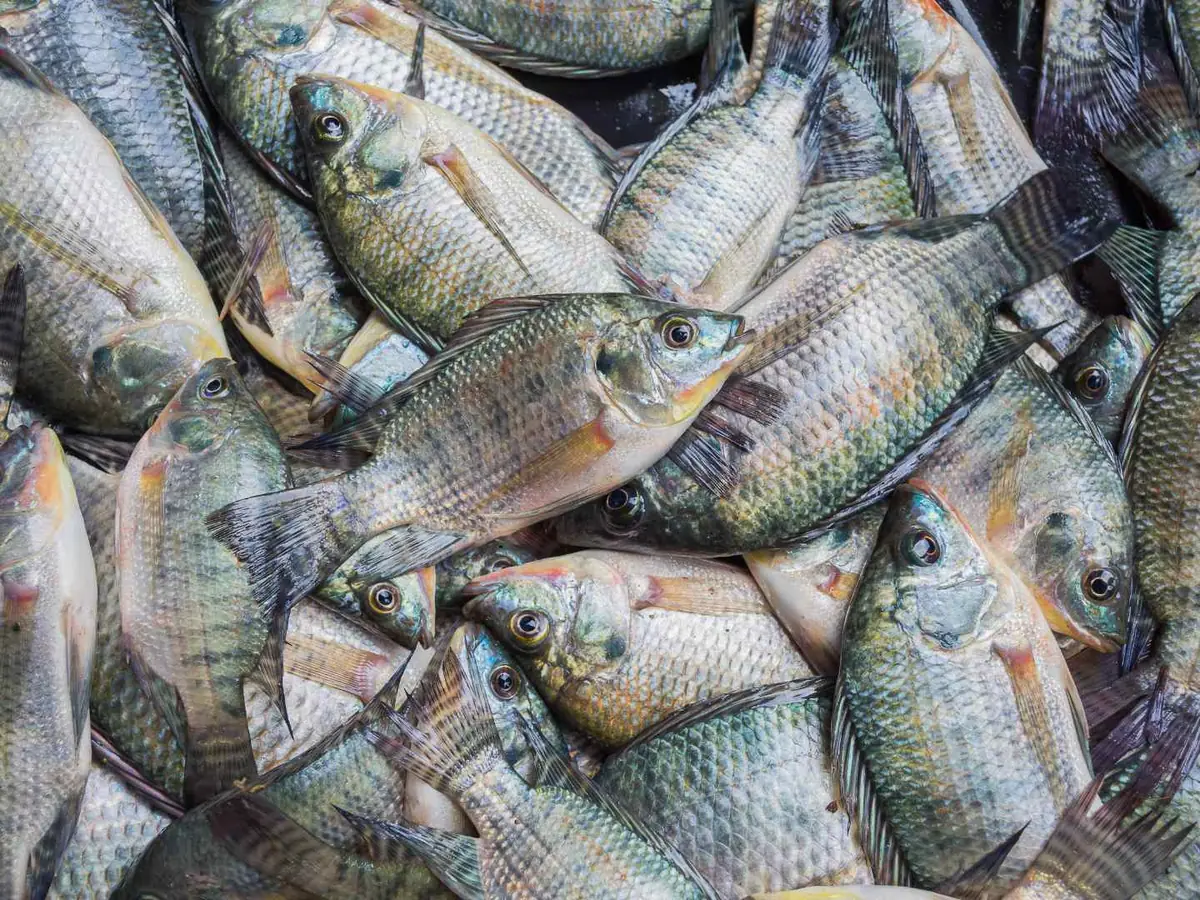
Raw fish can carry bacteria and parasites and can contaminate bowls, counters, hands, utensils, and floors. Cooking is a straightforward risk-reduction step and does not remove the part the cat cares about, which is the fish itself.
A tiny accidental raw bite does not guarantee illness, but repeated vomiting, bloody diarrhea, fever, marked lethargy, dehydration, or abdominal pain deserves veterinary attention.
Kittens, seniors, pregnant cats, immunocompromised cats, and medically fragile cats deserve extra caution around raw fish.
Freezing does not make raw trout sterile
Freezing can be useful for storage and may reduce some parasite risks, but it should not be treated as a universal kill step for every pathogen.
I would still cook trout before intentional feeding rather than assume a freezer solved the food-safety question.
Freeze-dried raw trout still counts as raw
Freeze-drying and dehydration remove moisture but should not automatically be treated as equivalent to cooking. If a product is marketed as raw, pathogen control is still a relevant question.
I would read the label rather than assume dry texture means fully cooked fish.
Smoked trout is far saltier than fresh fish
Smoked trout may be cured with salt, sugar, spices, garlic, or onion. A tiny accidental taste is unlikely to cause a crisis in most healthy cats, but it is not something I would use as a regular treat.
Cats with kidney disease, heart disease, high blood pressure, or prescribed sodium restrictions deserve extra caution. Plain fresh trout is much easier to control.
I also check whether smoked fish contains visible bones. Curing does not remove the mechanical risk from a hard fragment.
Garlic and onion can turn a fish dish into a different problem
Trout is often served with garlic butter, onion seasoning, pesto, pan sauce, or creamy dill sauce. Cats are especially sensitive to alliums, and enough onion or garlic can damage red blood cells.
A trace of seasoning on one tiny flake is different from eating a heavily seasoned portion, but I would save the recipe after a meaningful exposure.
Weakness, pale gums, rapid breathing, increased heart rate, reduced appetite, dark or reddish urine, or collapse after a meaningful allium exposure deserves veterinary attention.
Fried trout is mostly a fat problem
Breading, frying oil, salt, and sauces turn a lean fish into a much richer food. A tiny bite of inner fish may be low risk, but fried coatings can cause vomiting or diarrhea and are not useful cat food.
Cats with pancreatitis, gastrointestinal disease, obesity, or weight-management needs deserve extra caution. If I want to share fish, I set aside a plain piece before the human recipe starts.
Trout skin can be shared only when simple
A tiny piece of plain fully cooked trout skin may be low risk, but it can be richer than the flesh and may hold scales, bones, oil, or seasoning.
I prefer plain flesh because it is easier to portion and inspect. Smoked, fried, or heavily seasoned skin stays on the human plate.
Canned trout needs a label check
Canned trout may be packed in water, oil, brine, or seasoned sauce. A simple low-sodium water-packed product is much easier to use than salty or oil-heavy versions.
Drain the liquid, inspect for bones, and check flavored products for onion or garlic. “In water” does not automatically mean low sodium.
Omega-3 benefits do not mean unlimited trout
Trout contains useful omega-3 fatty acids, but the cat may already receive fish oil or a complete food formulated with appropriate fatty acids.
If omega-3 supplementation is being used therapeutically, dose matters. I would not substitute random amounts of fish for a veterinary supplement plan.
Fish should stay an extra, not become the whole diet
Cats need taurine, essential fatty acids, vitamins, minerals, and amino acids in precise amounts. Complete cat food is formulated around those needs, while plain trout is not.
If trout is a regular component of a homemade diet, the recipe should be properly formulated. Obligate carnivore does not mean one favorite meat can cover every nutrient indefinitely.
Kittens can have only a few plain flakes
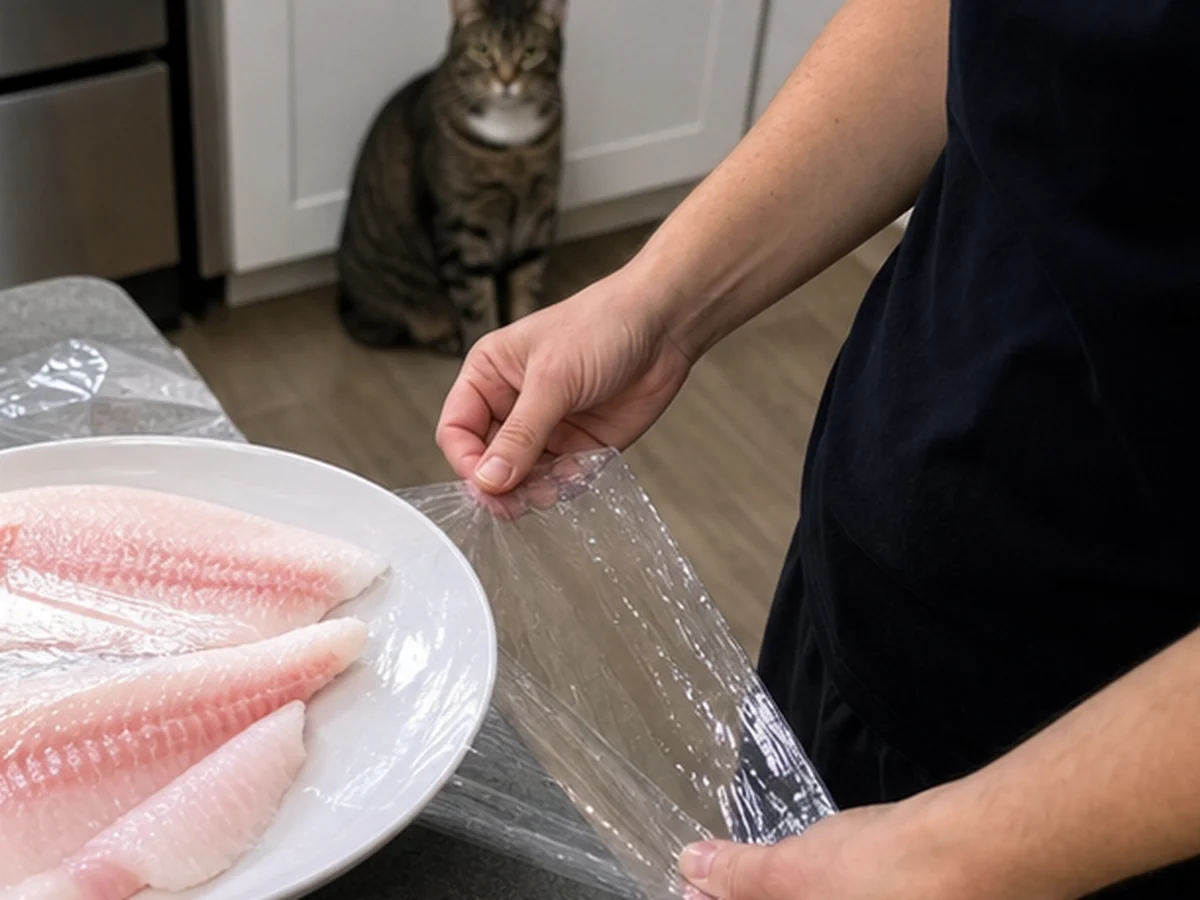
Kittens need complete growth food with carefully balanced protein, taurine, calcium, phosphorus, vitamins, and minerals. A few flakes of plain cooked boneless trout can fit as an occasional treat but should not displace kitten food.
I would avoid raw, smoked, fried, and heavily seasoned fish during growth.
What to do if your cat ate trout
- Identify whether the trout was cooked, raw, smoked, fried, canned, or heavily seasoned.
- Estimate the amount and time.
- Save the package or recipe if available.
- Check carefully for fish bones.
- Check sauces and seasoning for garlic, onion, salt, oil, and other ingredients.
- Call promptly for a lodged-bone concern, significant raw-fish illness, or serious symptoms.
How I would serve trout on purpose
I would cook trout thoroughly, remove visible bones, serve the flesh plain, and keep the portion tiny. I would skip raw, smoked, fried, and heavily sauced versions.
If the cat already receives a fish-based therapeutic diet or fish-oil supplement, I would not assume extra trout is automatically useful.
Frequently asked questions
Can kittens eat trout?
A few flakes of plain cooked boneless trout can fit as an occasional treat, but they should not displace complete kitten food during growth.
Can cats eat smoked trout?
I would avoid routine sharing because smoked trout is often salty and seasoned. A tiny accidental bite may be low risk for many healthy cats.
Can cats eat trout skin?
A small piece of plain fully cooked skin may be okay, but remove scales and bones and avoid heavily seasoned, smoked, or oily skin.
My cat ate a trout bone. What should I do?
Call your veterinarian if a sharp bone was swallowed or if gagging, drooling, repeated swallowing, regurgitation, vomiting, or breathing trouble develops. Do not force food or induce vomiting at home.
Bottom line
Plain fully cooked boneless trout can be an occasional cat treat. I would avoid raw, smoked, fried, or heavily seasoned versions, inspect carefully for bones, keep portions tiny, and keep fish as a small extra rather than a complete diet.