Can Cats Have Beef Broth? Labels, Sodium, Bones, and Claims
Cats may have a little plain beef broth made without onion, garlic, heavy salt, bones, or rich drippings, but most broth in human kitchens fails that description. Read the exact label or recipe before offering any, and never use broth as a cure for dehydration, kidney disease, or appetite loss.
“Beef broth” is a name, not an ingredient list
A carton, bouillon cube, restaurant soup, roast-pan liquid, homemade stock, and pet-food topper can all be called beef broth. They may differ wildly in onion, garlic, salt, fat, bones, sweeteners, yeast extracts, flavorings, and intended serving size.
Turn the package around or find the recipe before deciding whether your cat can have it. If the exposure already happened, save the container and write down the maximum missing amount and time.
Sort the bowl into the right lane
| Broth or event | What matters most | Practical response |
|---|---|---|
| One lick of plain, unsalted, strained broth | Minor stomach upset is possible | Remove it and observe |
| Human carton, can, cube, or powder | Onion, garlic, sodium, and concentrated serving directions | Read every ingredient before judging |
| Roasting juice or pan drippings | Fat, salt, seasoning, hot temperature | Do not offer; call if a large amount vanished |
| Homemade stock with bones | Bone fragments plus recipe ingredients | Keep all bones away and inspect the liquid |
| Broth used to tempt a sick cat | Underlying illness and delayed nutrition | Contact the treating veterinarian |
The allium check comes before the sodium debate
Onion and garlic are routine flavor foundations in human stocks, soups, bouillon, and restaurant broth. They may appear as powder, juice, extract, seasoning, natural flavor components, visible pieces, or part of a proprietary blend.
Cats are particularly susceptible to oxidative red-blood-cell damage from alliums. The peer-reviewed Merck Veterinary Manual allium review confirms that raw, cooked, dehydrated, and granulated forms can cause toxicosis, with clinical illness sometimes delayed for days.
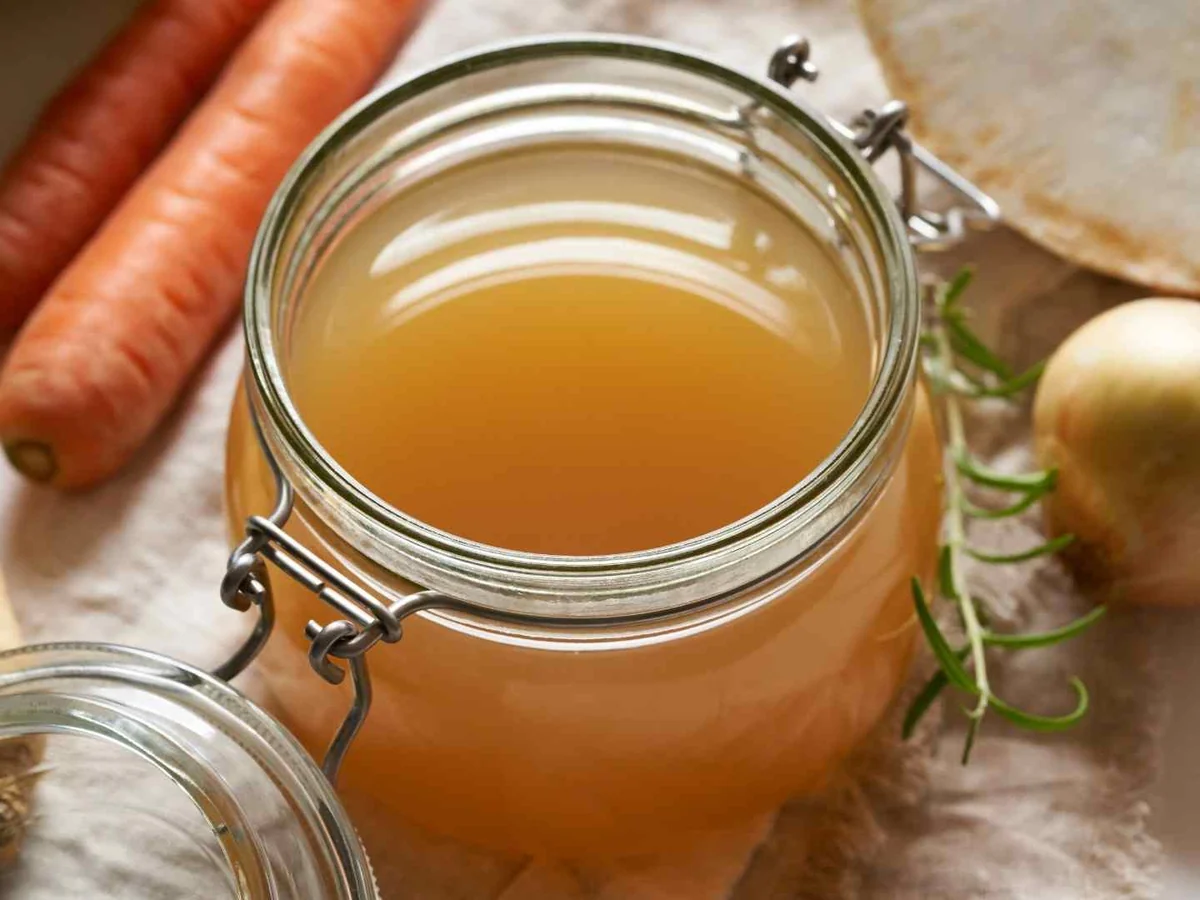
No visible onion does not mean no onion exposure
Powder dissolves, strained solids leave soluble compounds behind, and long cooking does not make onion or garlic safe for cats. A clear golden liquid can still carry an allium exposure even when the pot contains no recognizable vegetable pieces.
If a cat drank broth containing onion, garlic, leek, chive, shallot, or an uncertain seasoning blend, call a veterinarian or animal poison service promptly. Do not wait for weakness or pale gums, because useful early decisions may occur before delayed anemia becomes visible.
Sodium is about concentration, amount, water, and the cat
Many broths are designed to season a human-size pot, and cubes or pastes are especially concentrated before dilution. A lick of ordinary prepared broth is not the same event as eating a bouillon cube or drinking concentrated stock base.
Salt toxicosis occurs when animals take in excessive salt, particularly when water is limited, as the Merck Veterinary Manual salt overview explains. There is no responsible way to infer an individual cat’s risk without the product concentration, amount, body size, water access, symptoms, and medical history.
“Low sodium” is not the same as formulated for a cat
A reduced-sodium human broth is lower than its reference product, but that marketing phrase does not promise an appropriate feline serving. It may still contain onion, garlic, potassium salts, flavor concentrates, or enough sodium to matter in a carefully prescribed diet.
Compare milligrams per serving, serving size, and whether the product is concentrated, then ask the veterinarian managing any heart, kidney, liver, urinary, or blood-pressure condition. “Unsalted” also answers only the added-salt question, not the allium or recipe questions.
Bone broth still begins with bones
Cooked bones can splinter, lodge in the mouth or esophagus, obstruct the digestive tract, or injure tissue. Never hand the spent beef bones to a cat, and do not assume hours of simmering made every fragment soft or invisible.
Strain homemade stock through a fine filter and inspect the work area for shards, string, foil, and butcher netting. Our raw-fish guide discusses why small bones deserve attention even when the food around them looks appealing.
Pan drippings are not plain broth
Roast juice may contain rendered fat, browned seasoning, salt, onion, garlic, wine, gravy mix, or concentrated meat juices. The glossy layer that smells irresistible to a cat is often precisely the part that makes the liquid rich and difficult to quantify.
One lick does not guarantee pancreatitis, but a saucerful can cause digestive upset and add a substantial fat load. Call for repeated vomiting, reduced appetite, lethargy, discomfort, or an unknown large exposure rather than diagnosing or dismissing the signs at home.
Bouillon is the concentrated end of the shelf
Cubes, powders, gels, and pastes are meant to be diluted and may be intensely salty and strongly seasoned. A cat who chewed the package has encountered both concentrate and wrapper, sometimes including foil.
Call promptly with the brand, flavor, amount missing, dilution status, and cat’s weight. Do not offer extra salt-free broth to “balance” the concentrate, and do not force water into a struggling animal.
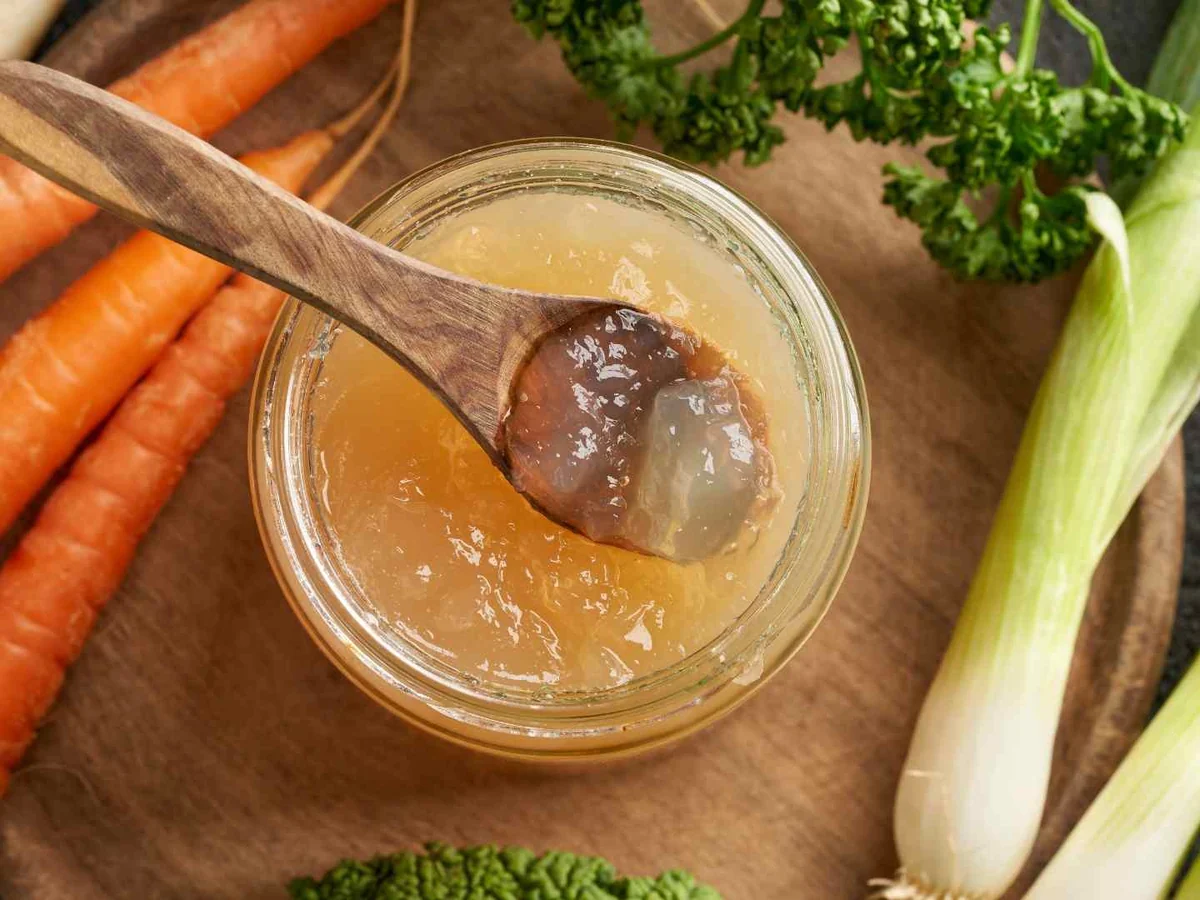
Restaurant soup requires a kitchen answer
French onion soup is obvious, but pho broth, ramen broth, consommé, gravy, stew liquid, and au jus may also contain alliums and considerable salt. Garnishes, noodles, meat marinades, and sauces can add further ingredients after the stock leaves the pot.
Ask the restaurant for an allergen or ingredient statement if available, while recognizing that a complete proprietary recipe may not be disclosed. When the formula remains unknown and the amount was meaningful, let a veterinarian triage the uncertainty.
How to make a deliberately plain homemade liquid
If a veterinarian approves broth as an occasional topper, simmer plain unseasoned beef muscle in water without onion, garlic, leek, chive, salt, bouillon, wine, or bones. Cool it, remove the meat, skim excess fat, and strain the liquid carefully.
That simple liquid is still supplemental, not a complete meal and not a sterile medicine. Refrigerate it promptly in a clean container, freeze small portions if needed, and discard anything with an off odor, slime, mold, or uncertain storage history.
Even homemade broth can go wrong
A family member may add a “tiny” onion, a seasoning sachet, or salted meat without telling the person feeding the cat. Label the cat portion before the human pot is seasoned, and store it where nobody can confuse the containers.
Do not leave warm broth at room temperature for hours or repeatedly cool and reheat the same batch. Food-safety problems are not cancelled because the recipe began with two simple ingredients.
Pet-labeled broth deserves a label read too
A broth sold for cats or dogs may be a topper, treat, complementary feed, or complete food, and those terms have different nutritional implications. Confirm the intended species, feeding directions, calories, storage instructions, and nutritional adequacy statement.
The FDA’s animal-food labeling page explains ingredient-list requirements and why claims to cure, treat, prevent, or mitigate disease enter drug territory. A pretty pouch and the word “wellness” do not replace evidence.
Broth does not cure dehydration
A cat who is clinically dehydrated may need examination, laboratory work, and fluids delivered in a specific way. Broth cannot correct every electrolyte disturbance, ongoing fluid loss, kidney problem, or inability to keep liquid down.
Sticky gums, weakness, repeated vomiting or diarrhea, collapse, or markedly reduced urination deserves veterinary attention. Adding a tasty liquid can increase voluntary intake in some situations, but that is not proof the underlying problem has resolved.
Kidney disease makes improvisation less appropriate
Cats with kidney disease may have individualized targets for phosphorus, sodium, protein, calories, and moisture. A meat broth can alter several of those variables without showing enough information on a human nutrition label.
Use only products or recipes approved by the veterinarian managing that cat’s laboratory results and medications. “Hydrating” on the front of a package is not a renal prescription and should not be used to rescue a cat who is declining.
Broth can tempt appetite without treating appetite loss
A teaspoon of approved aromatic liquid may make normal food more interesting, but cats who refuse meals can become seriously ill. Cornell’s feeding guidance recommends veterinary examination for a cat who is not eating and losing weight.
Do not let broth become the only calories consumed while you wait several days for appetite to return. A clinician may need to manage nausea, pain, dental disease, obstruction, infection, organ disease, or another cause.
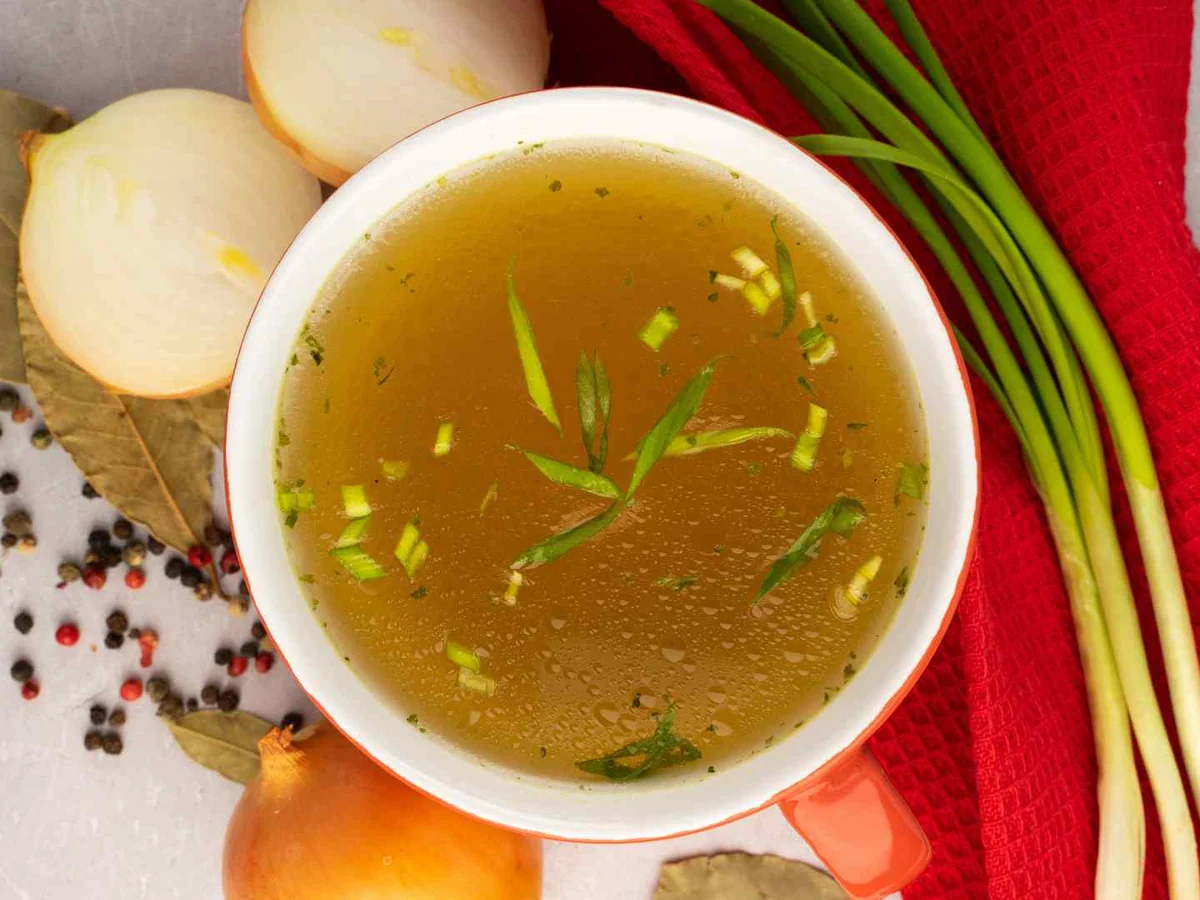
It is not a complete homemade cat diet
Broth contains water and flavor but cannot be assumed to provide adequate taurine, amino acids, fatty acids, vitamins, minerals, or calories. Even broth with meat bits does not become complete merely because beef is an animal protein.
The FDA’s explanation of complete and balanced pet food is the standard to consult for a main diet. Homemade feeding requires a recipe formulated for the individual cat by a qualified veterinary nutrition professional.
How much plain broth is reasonable?
For a healthy adult with no restricted diet, begin with a teaspoon of approved, cool, plain broth mixed into regular food rather than offering a full saucer. If the cat develops vomiting, loose stool, gas, itching, or appetite change, stop and ask the veterinarian.
This is a conservative serving suggestion, not a universal medical dose. Size, calories, health, medication, and the broth’s composition can all justify a different answer or no broth at all.
Temperature and bowls deserve attention
Cool broth before it reaches a cat because surface temperature can be misleading after microwaving. Stir it and test the center, then use a stable clean dish rather than a hot pan or chipped mug.
Discard disposable lids, pull tabs, foil seals, strings, and absorbent packaging immediately. A cat attracted by beef aroma may chew the container long after the liquid is gone.
A note about salt comparisons
Our salami guide helps explain why cured food can deliver sodium and seasonings together, while the pickle guide separates a food from its brine. Those comparisons are useful habits, not permission to calculate one product from another.
Beef broth’s liquid appearance can make a concentrated formula look gentle. Always return to the actual milligrams, serving size, dilution instructions, and amount the cat reached.
What to do after an accidental drink
- Remove the broth, concentrate, bones, and packaging.
- Photograph the full ingredient and nutrition panels.
- Determine whether the product was diluted as directed.
- Estimate the maximum amount consumed and note the time.
- Call promptly for alliums, concentrate, bones, a large amount, illness, or uncertainty.
Do not induce vomiting at home with salt or hydrogen peroxide. Leave ordinary water available unless a veterinarian says otherwise, but never force liquid into a cat who is weak, coughing, vomiting, or resisting.
Delayed allium signs and urgent salt signs
Allium-related red-cell injury may show later as weakness, pale or yellow gums, rapid breathing, fast heart rate, dark urine, collapse, or appetite loss. A cat acting normal immediately after onion broth has not completed the medically relevant observation period.
After a highly salty or concentrated exposure, vomiting, diarrhea, profound thirst, weakness, incoordination, tremors, seizures, or altered behavior requires urgent care. Treatment must correct sodium carefully, so this is not a do-it-yourself rehydration problem.
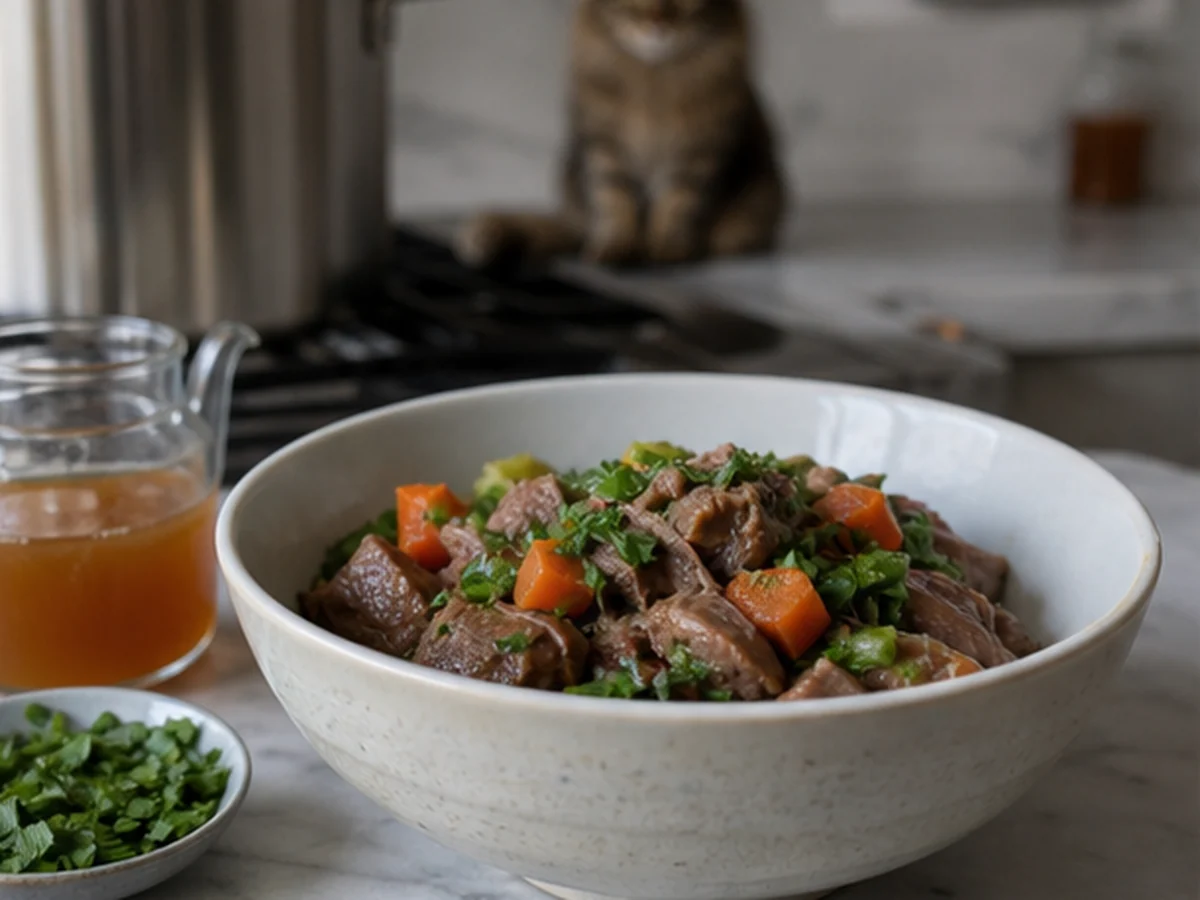
Better bowl upgrades than mystery stock
Try warm water mixed into the cat’s usual wet food, a veterinarian-approved feline topper, or a spoonful of the cat’s normal canned food thinned to a gravy. These options keep ingredients and calories easier to track.
If sharing protein is the goal, the live boiled-egg article shows how preparation and portion change a simple food. An approved regular cat treat is still the least complicated way to make dinner feel social.
Frequently asked questions
Can cats drink store-bought beef broth?
Most human broths should not be offered until every ingredient and the sodium content have been checked, because onion and garlic are common. A product labeled for cats with clear feeding directions is easier to evaluate, but it may still be a supplemental topper.
Can cats have low-sodium beef broth?
“Low sodium” does not address alliums, concentration, other mineral salts, or a cat’s medical diet. Ask the veterinarian if the cat has kidney, heart, liver, urinary, or blood-pressure concerns.
Can beef broth hydrate a sick cat?
It may encourage some cats to take in liquid, but it cannot diagnose or reliably correct clinical dehydration. A sick cat who is weak, vomiting, not urinating normally, or refusing food needs veterinary assessment.
Is beef bone broth better than regular broth?
Not automatically, because both products vary in alliums, sodium, fat, calories, and nutritional completeness. Bone broth also requires meticulous separation of all bones and fragments, and wellness claims still need evidence.
Can kittens have beef broth?
Kittens should get almost all nutrition from a complete growth diet, leaving little room for incomplete liquids. Use broth only if the kitten’s veterinarian recommends a specific product or recipe for a defined reason.
The last ladle
Plain, cool, strained beef-and-water broth can be an occasional teaspoon-size topper for some healthy cats, but human broth commonly contains onion, garlic, salt, rich fat, or hidden concentration. Keep bones and packaging away, treat disease claims skeptically, and involve a veterinarian when ingredients, amount, health history, or symptoms create uncertainty.