Can Cats Eat Mussels? Cooked Meat, Raw Shellfish, Shells, and Sauces
Cats can eat a small amount of plain fully cooked mussel meat, but I would skip raw mussels and never offer the shell. The meat can be fine. The garlic butter, wine sauce, salt, and sharp shell are the parts I would keep away from the cat.
The quick mussel verdict for cats
Plain fully cooked mussel meat can be an occasional treat for many healthy cats. Mussels provide animal protein, omega-3 fatty acids, vitamin B12, manganese, selenium, iron, and other nutrients.
I cook mussels thoroughly, remove every shell, skip seasoning, let the meat cool, and offer a tiny bite. Complete cat food should remain the nutritional foundation.
The safest version is plain cooked meat only. Garlic-butter mussels, wine-steamed mussels, fried mussels, chowder, creamy pasta, and restaurant appetizers all need separate ingredient checks.
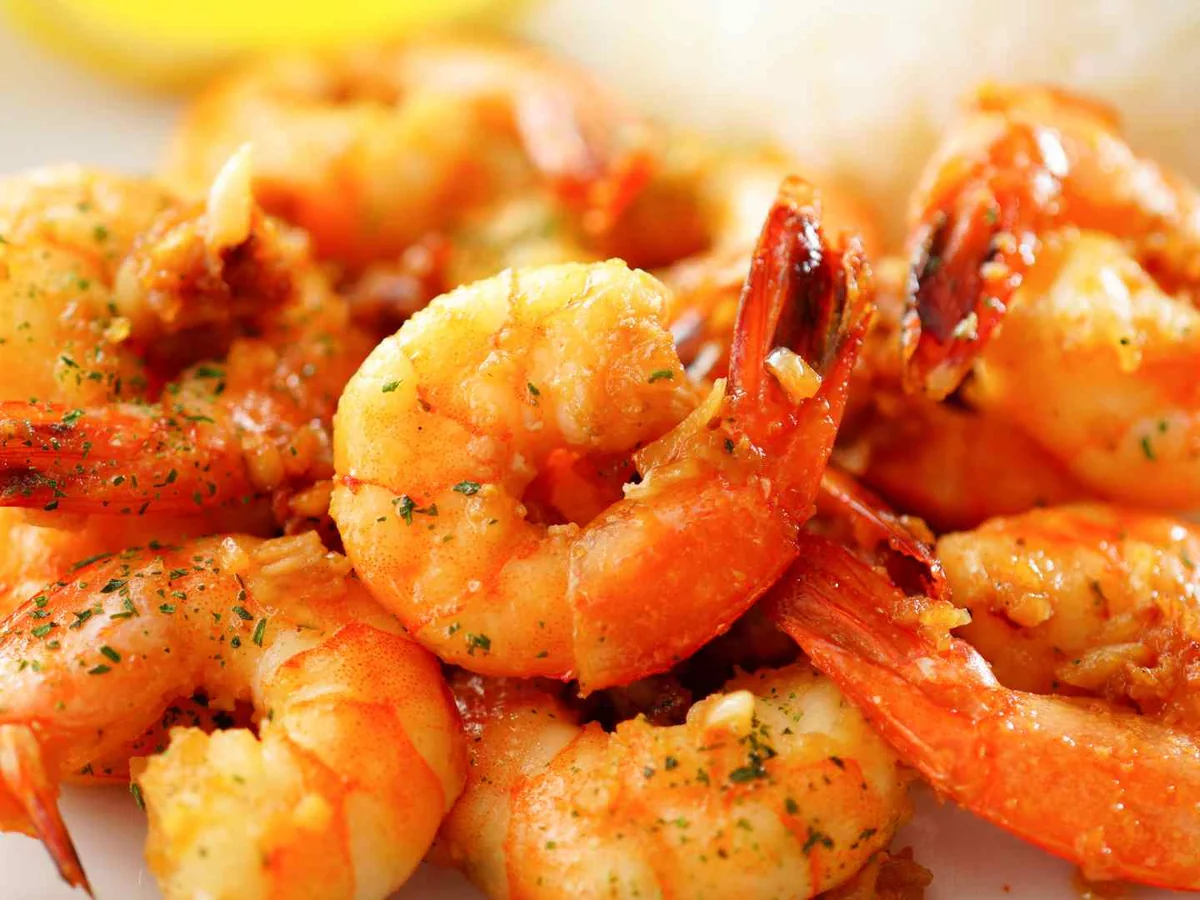
Plain cooked mussels can work as a tiny topper
Mussel meat is relatively lean compared with butter-heavy or fried preparations. One or two tiny pieces can add variety without turning the treat into a second meal.
Cats are small enough that a human appetizer portion is enormous by feline standards. I would keep the serving tiny and count it as an extra.
If a cat is on a prescription kidney, heart, gastrointestinal, allergy, urinary, or weight-management diet, I would check before adding shellfish regularly.
Raw mussels add food-safety risk
Raw shellfish can carry harmful bacteria, parasites, and other pathogens. Cooking thoroughly reduces risk for the cat and for people handling the food.
A tiny accidental raw bite does not guarantee illness, but repeated vomiting, severe diarrhea, bloody stool, fever, marked lethargy, dehydration, or abdominal pain deserves veterinary attention.
Kittens, seniors, pregnant cats, immunocompromised cats, and medically fragile cats deserve extra caution around raw shellfish.
Freezing does not make raw mussels sterile
Plain frozen mussel meat can be convenient, but I still cook it according to package directions and check for added salt, sauces, garlic, onion, or seasoning. Freezing does not make raw seafood sterile.
I would not feed frozen raw mussels simply because they came from a freezer. Cooking remains the straightforward risk-reduction step.
Mussel shells can cut, choke, and injure
Mussel shells can break into sharp pieces that cut the mouth, damage teeth, lodge in the throat, injure the esophagus, or damage the gastrointestinal tract.
If shell fragments were swallowed, call your veterinarian for case-specific advice. I would not induce vomiting at home because sharp shell can cause additional injury.
Gagging, drooling, repeated swallowing, regurgitation, vomiting, abdominal pain, bloody or black stool, refusal to eat, or breathing trouble deserves prompt evaluation.
Garlic and shallots are the bigger recipe concern
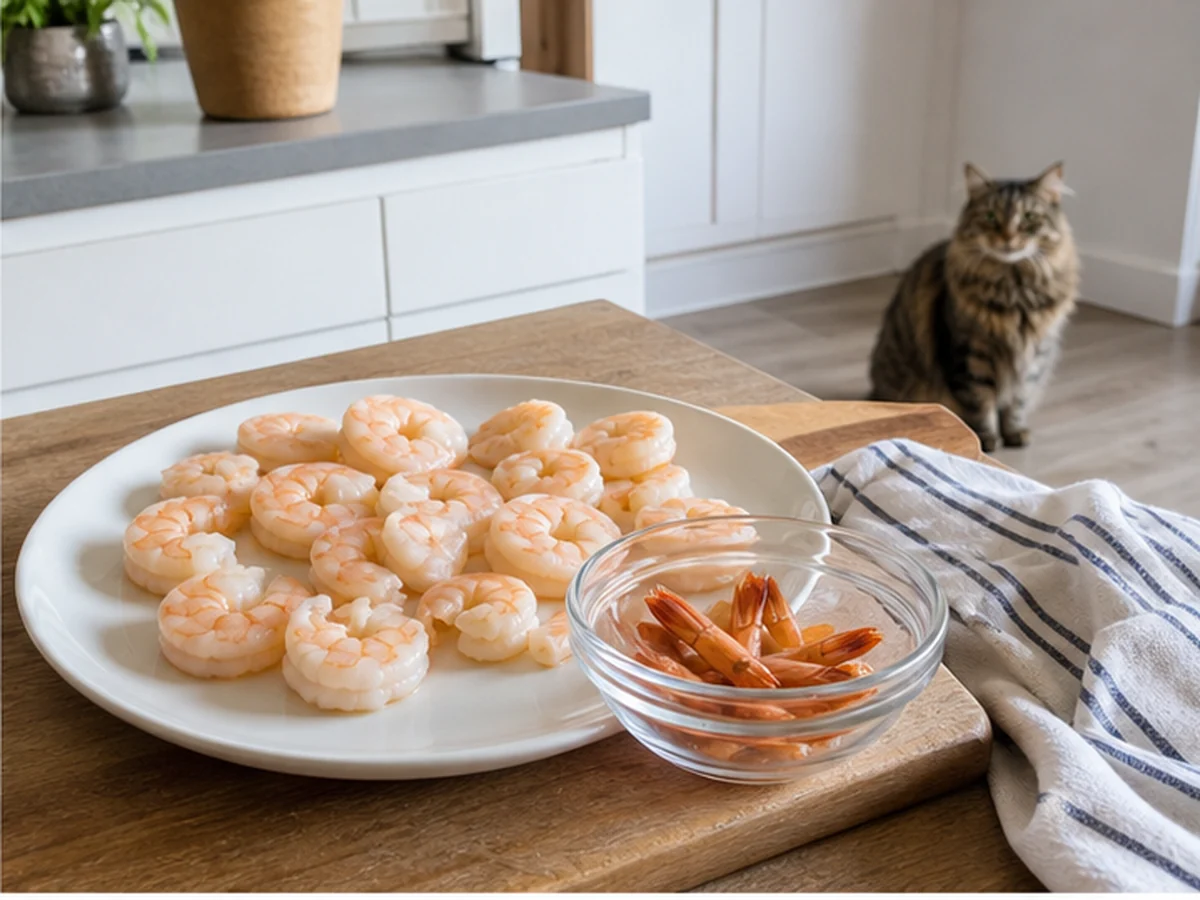
Mussels are often steamed with garlic, shallots, butter, herbs, and wine. Cats are particularly sensitive to alliums, and enough garlic, onion, or shallot can damage red blood cells.
A tiny lick is not the same as drinking the pan sauce, but after a meaningful exposure I would save the recipe and estimate the sauce amount.
Weakness, pale gums, rapid breathing, increased heart rate, reduced appetite, dark or reddish urine, or collapse after a meaningful allium exposure deserves veterinary attention.
Wine sauce gives me another reason to keep the broth human-only
Cooking can reduce alcohol depending on time and method, but it does not guarantee every trace disappears. Cats do not benefit from wine sauce, and there is no reason to add it to an otherwise simple seafood treat.
If a cat drinks a meaningful amount of recently prepared alcohol-containing sauce, call for advice. Poor coordination, unusual sleepiness, vomiting, low body temperature, weakness, or collapse deserves urgent care.
Fried mussels are richer than a cat needs
Frying adds oil, breading, salt, and seasoning. A tiny bite of inner meat may be low risk for many healthy cats, but the fried coating can cause vomiting or diarrhea and is unnecessary.
Cats with pancreatitis, obesity, or gastrointestinal disease deserve extra caution. Plain cooked mussel meat is the simpler option.
Creamy mussel dishes add dairy and fat
Mussel chowder, creamy pasta, bisque, and baked mussel dishes can contain cream, butter, cheese, bacon, garlic, onion, flour, and substantial salt.
Many adult cats digest lactose poorly, and rich dairy can add gas, vomiting, or diarrhea alongside the more important allium concerns.
Smoked and marinated mussels can be too salty
Smoked, pickled, or marinated mussels may contain substantial sodium, oil, garlic, onion, vinegar, spices, or preservatives. I would not use them as routine cat treats.
Cats with kidney disease, heart disease, high blood pressure, or sodium restrictions have even less room for salty shellfish products.
Green-lipped mussels are a separate supplement question
Green-lipped mussel appears in some feline foods and supplements. Those products may be standardized, dried, powdered, or combined with other active ingredients.
I would not substitute a heavily seasoned human mussel dish for a pet supplement or assume more mussel means more benefit. Dose and formulation matter.
If a cat already takes medication or a therapeutic supplement, ask before adding another product routinely.
Shellfish allergy or protein sensitivity is possible
Cats can react adversely to many proteins, including shellfish, although most first small exposures are more likely to cause gastrointestinal upset than a dramatic allergy.
Facial swelling, repeated vomiting, collapse, or breathing difficulty after mussels deserves urgent veterinary care.
Mussels should stay a tiny extra
Complete cat food provides taurine, essential fatty acids, vitamins, minerals, and amino acids in carefully balanced amounts. Mussels can add variety but do not replace that foundation.
One or two tiny pieces are plenty. A cat does not need a bowl of shellfish to feel included.
What to do if your cat ate mussels
- Identify whether the mussels were plain, raw, fried, smoked, marinated, or served in sauce.
- Estimate the amount and time.
- Count missing shell fragments.
- Save the recipe, package, or restaurant ingredient information.
- Check for garlic, onion, high salt, heavy fat, alcohol, and raw shellfish exposure.
- Call promptly after shell ingestion, significant symptoms, a large raw exposure, or a meaningful allium exposure.
How I would serve mussels on purpose
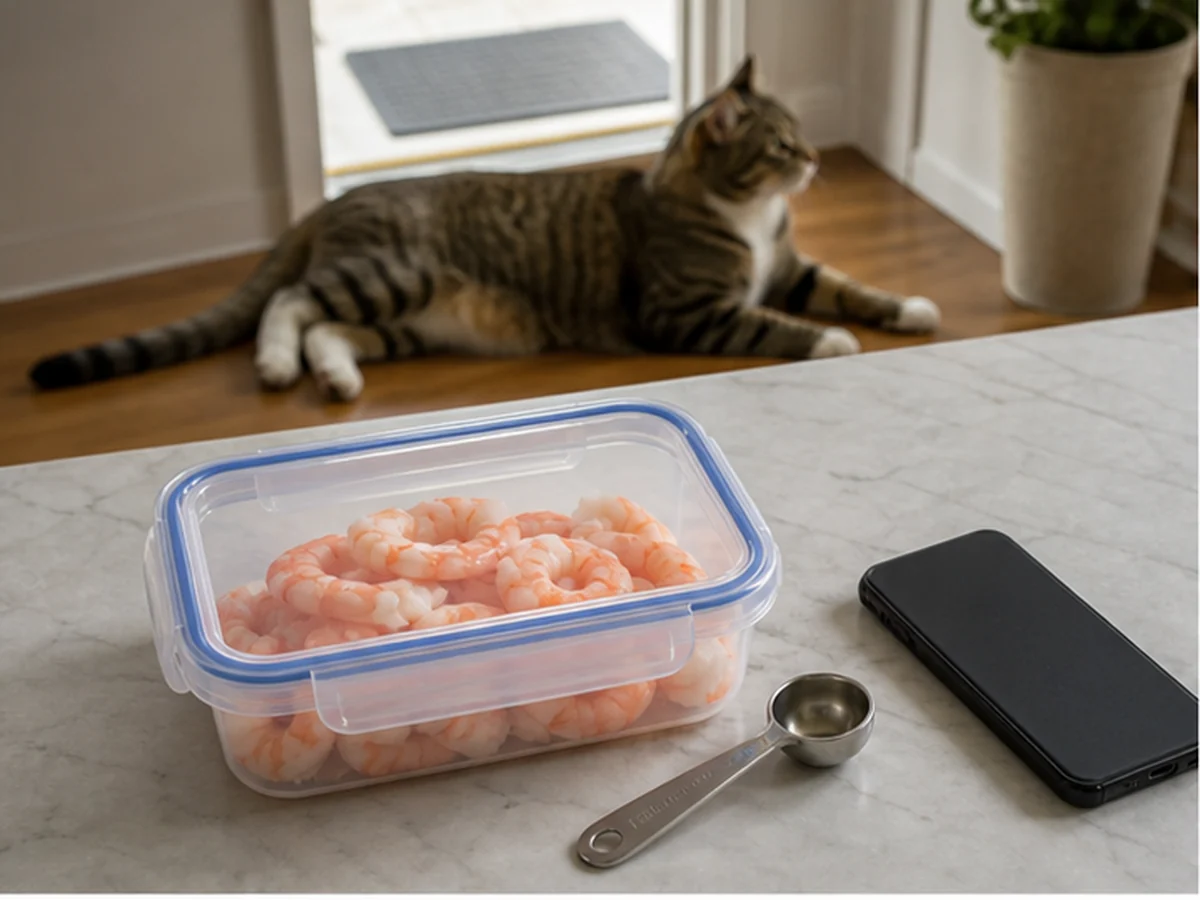
I would use plain fully cooked mussel meat, remove every shell, cut large pieces smaller, and skip butter, salt, garlic, onion, wine, sauce, and breading.
I would not use garlic-butter mussels, chowder, fried mussels, smoked mussels, or wine-steamed restaurant mussels as cat treats.
Frequently asked questions
Can cats eat raw mussels?
I would avoid them because raw shellfish can carry harmful pathogens. Cooking thoroughly is safer.
Can cats eat mussel shells?
No. Shells can cut the mouth, damage teeth, cause choking, or injure the gastrointestinal tract.
Can cats eat green-lipped mussels?
Plain cooked meat can be an occasional treat, and green-lipped mussel appears in some feline products, but supplement dose and formulation matter.
Can kittens eat mussels?
A tiny piece of plain cooked mussel meat can fit as an occasional treat, but it should not displace complete kitten food during growth.
Bottom line
Plain fully cooked mussel meat can be an occasional cat treat. I would skip raw mussels, remove every shell, avoid garlic-butter, wine, fried, creamy, smoked, and salty preparations, and keep the serving tiny.