Can Cats Eat Turkey Bacon? Sodium, Fat, Seasonings, Raw Handling, and Packages
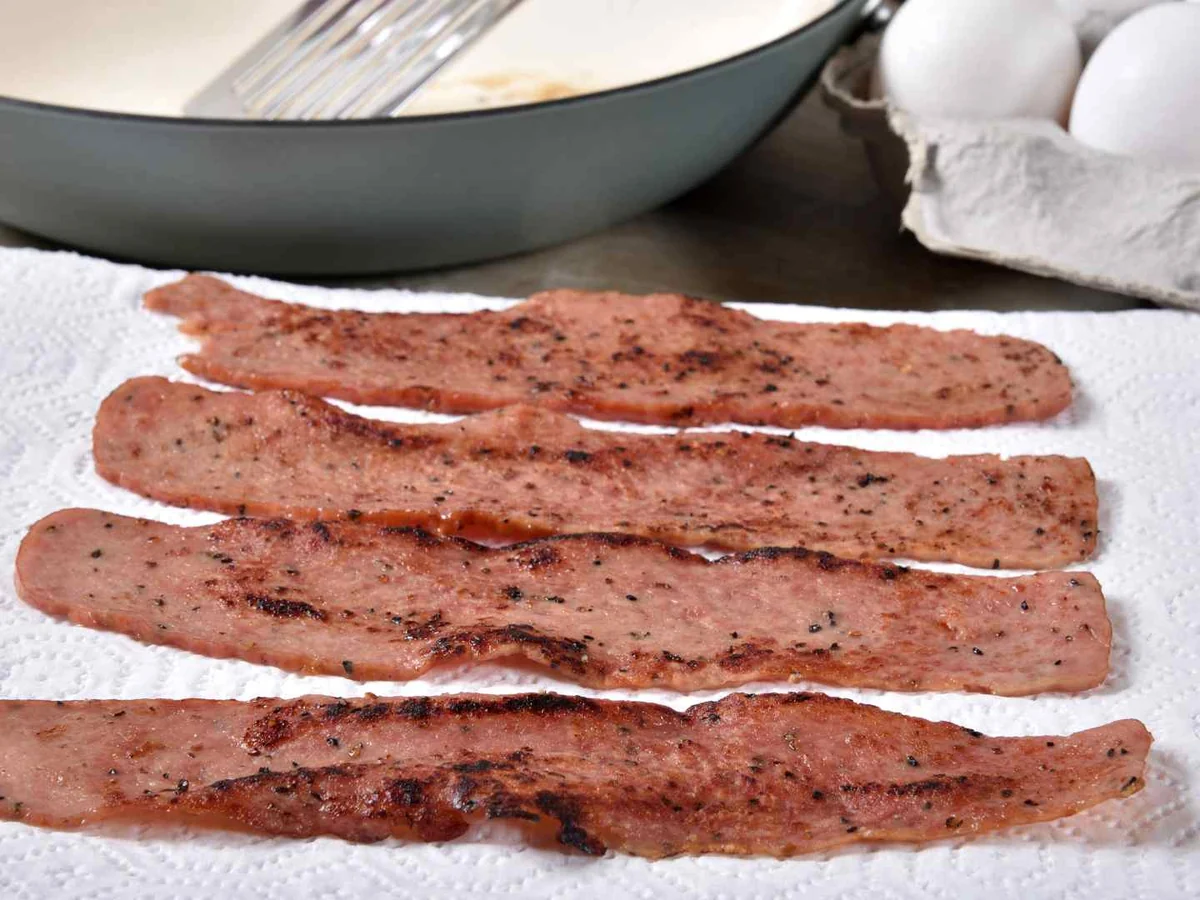
Turkey bacon is not a good cat treat. A tiny fully cooked plain crumb may cause no obvious problem in a healthy adult, but sodium, fat, seasoning, raw-poultry handling, undercooking, grease, whole strips, spoiled leftovers, and packaging make regular sharing a poor bargain.
Start with the package and pan
Save the brand, variety, lot, ingredient panel, Nutrition Facts, and cooking directions. Estimate strips or fractions and determine raw, partly cooked, fully cooked, microwaved, fried, or pulled from the trash.
Check garlic, onion, smoke flavor, sugar, chile, maple glaze, preservatives, cooking oil, and companion foods. Count absorbent pads, film, clips, parchment, and toothpicks.
Call promptly for a large amount, raw product followed by illness, alliums, repeated vomiting, weakness, pale gums, dark urine, tremors, seizures, choking, or missing packaging. Do not induce vomiting.
Turkey bacon is not plain turkey
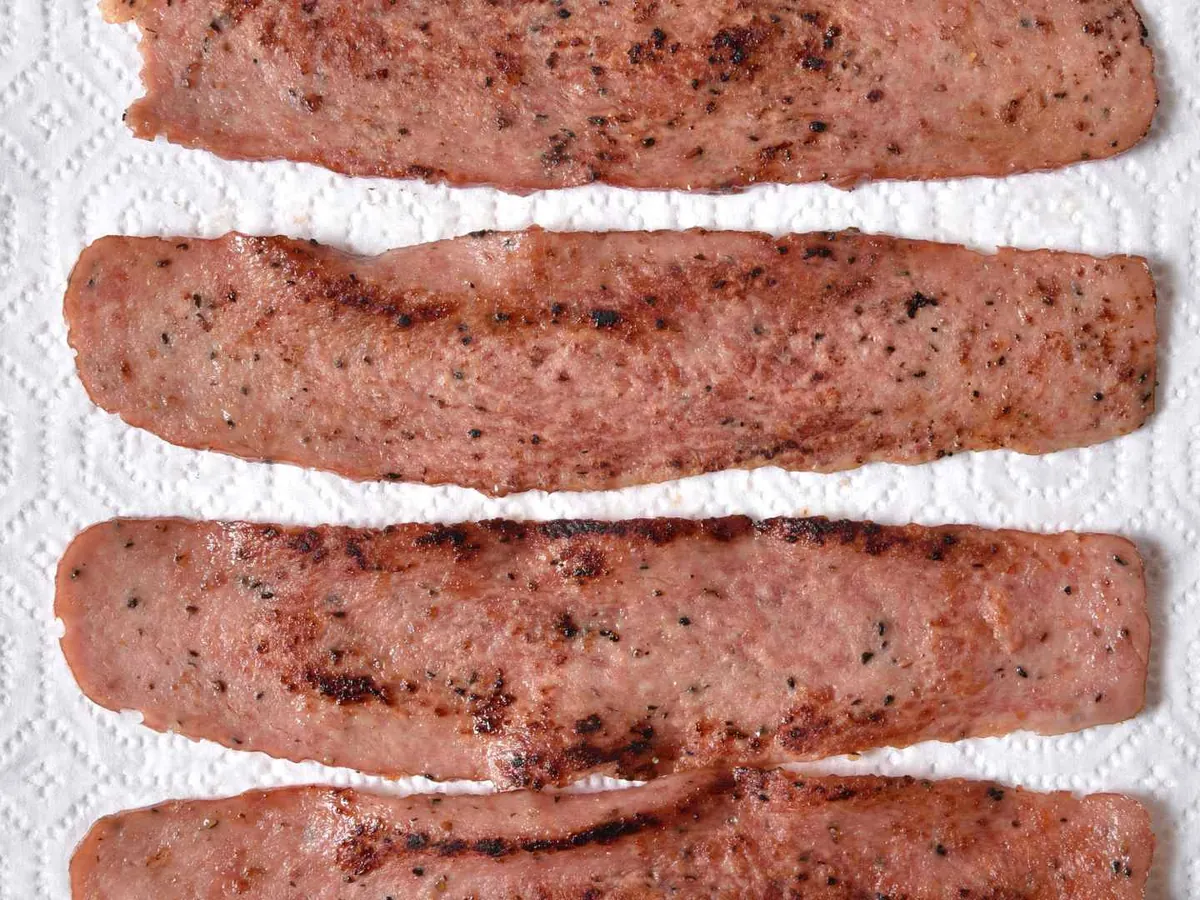
Manufacturers grind or form turkey with salt and other ingredients to imitate bacon’s savory profile. That processing separates it from a small piece of plain cooked turkey meat.
The cat turkey guide covers plain meat, skin, bones, seasonings, and holiday dishes. Turkey in the product name does not make bacon balanced feline food.
A complete cat diet already supplies appropriate protein and nutrients. Processed strips mainly add sodium, fat, and calories.
Sodium is easy to underestimate
Read sodium per labeled serving, then calculate the missing fraction. Brands marketed as uncured, natural, lean, or lower sodium still require their own current panel.
The FDA Nutrition Facts guide explains serving size and sodium. Human daily values do not establish a cat portion.
One crumb rarely resembles salt intoxication, while a major raid can cause marked thirst, vomiting, weakness, disorientation, tremors, seizures, or collapse.
Fat varies by recipe and cooking
Turkey bacon may contain less fat than some pork bacon, but lower is not the same as low or cat-appropriate. Pan oil, butter, cheese, and breakfast drippings add more.
A large rich theft can cause vomiting, diarrhea, pain, or appetite loss. Do not diagnose pancreatitis from one bite, but seek care for persistent signs.
Cats with obesity, diabetes, gastrointestinal disease, or prior pancreatic disease have no reason to receive bacon scraps.
Garlic, onion, and flavor systems
Some products contain garlic, onion, spice blends, or smoke seasonings, and homemade turkey bacon may use allium powders. Cats are unusually susceptible to allium-related red blood cell injury.
The cat garlic guide explains delayed signs and powdered forms. Call with the ingredient and quantity rather than waiting.
Pale gums, rapid breathing, weakness, dark urine, or collapse can appear after the breakfast dishes are gone. Follow recommended monitoring.
Raw and partly cooked strips
Raw turkey products can carry Salmonella, Campylobacter, and other pathogens. Partly cooked or ready-to-cook bacon should not be judged by its smoked appearance.
The CDC poultry safety guidance emphasizes separation, cooking, and cleanup. Cats can contaminate household surfaces after grabbing raw meat.
Wash hands and food-contact surfaces, remove contaminated bowls, and call for vomiting, diarrhea, feverish behavior, lethargy, or appetite loss.
Current raw-poultry concerns for cats
Cats can become severely ill with H5N1, and raw poultry-based pet products have been linked to cases. That does not mean every raw turkey-bacon strip carries virus, but avoidance is the practical choice.
The CDC bird-flu guidance for pets advises against raw pet food and lists respiratory, eye, appetite, and neurologic signs. Call the clinic before arrival after suspicious raw exposure and illness.
Preserve product and lot information and isolate a sick cat from other pets as directed. Do not feed raw or freeze-dried raw substitutes.
Whole strips can choke
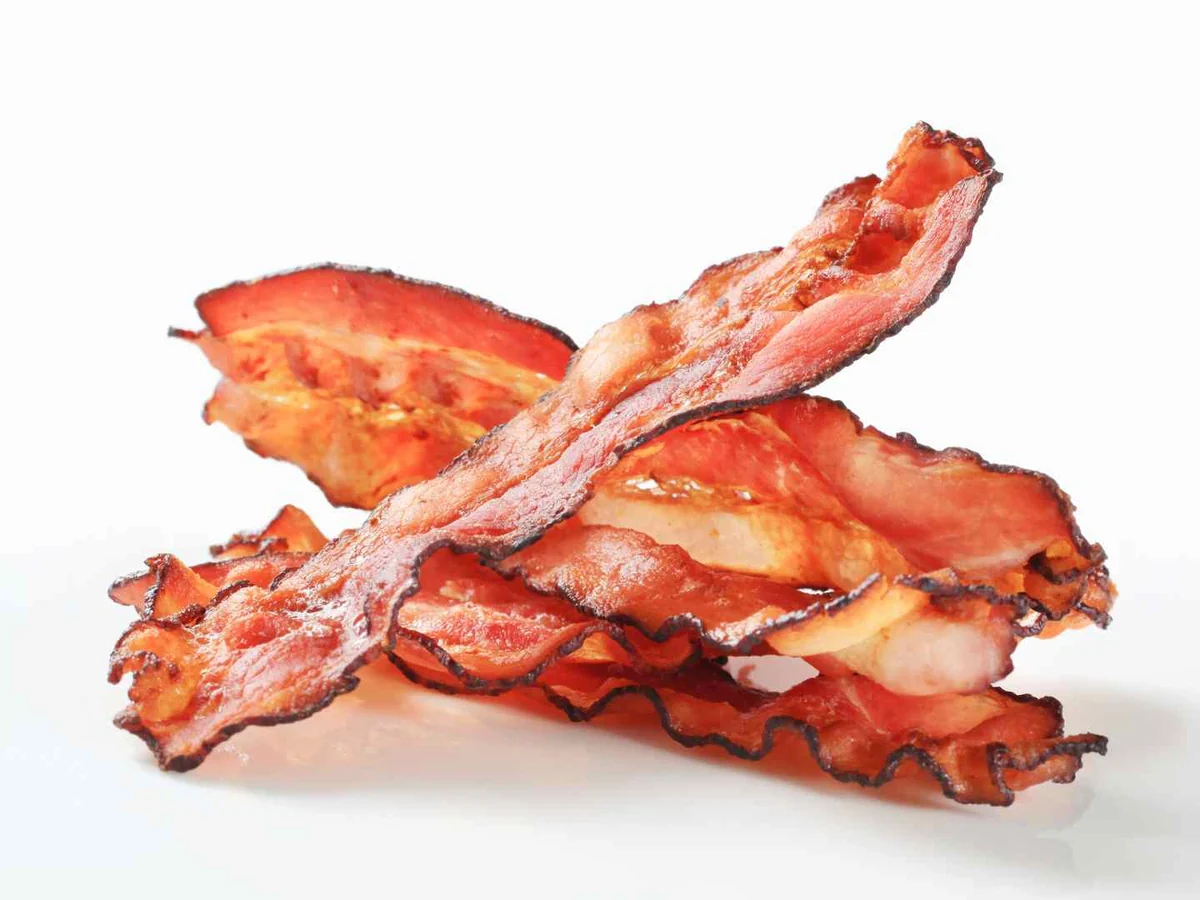
A flexible strip can fold into a thick wad and be gulped with little chewing. Crisp strips can fracture into hard pointed pieces.
Coughing, gagging, pawing, repeated swallowing, blue gums, panic, or collapse requires emergency care. Never force liquid toward the mouth during choking because it may enter the airway and waste critical time.
Cutting bacon smaller would reduce one shape issue but still creates an unnecessary salty snack. Choose measured cat treats instead.
Microwave trays and paper towels
Microwave bacon may come with absorbent liners, crisping sleeves, plastic film, and hot grease. Paper towel soaked in meat fat can be swallowed from the trash.
Count every package part and call if film, pad, or crisping material is missing. Do not pull material protruding from the mouth or anus.
Steam and grease can burn paws and lips. Cool the cooking area before letting the cat return.
Breakfast companions
Eggs, cheese, toast, hash browns, ketchup, avocado, onion, and hot sauce often share the plate. Pills may also be sitting beside breakfast.
Photograph the complete plate and inventory medication. The cat egg guide helps with one companion, but the whole meal sets urgency.
Scraping grease from a strip cannot remove salt and seasoning incorporated during manufacture. Do not serve the cleaned piece.
Sandwiches, wraps, and burgers
Turkey-bacon clubs and wraps add deli meat, cheese, mayonnaise, onion, garlic, bread, toothpicks, and foil. Burger toppings may include sugar-free sauces or spicy condiments.
The cat tortilla guide covers wraps and raw dough. Report a sandwich raid as a mixed exposure.
A missing toothpick or skewer needs urgent direction, even when the cat appears comfortable. Do not induce vomiting around sharp objects.
Uncured does not mean unpreserved
Uncured labeling can refer to the source of nitrite rather than the absence of curing compounds. Celery powder and cultured ingredients may still participate in curing.
Avoid alarmist claims that one bite causes cancer or immediate nitrate poisoning. Sodium, fat, alliums, portion, and physical hazards are more actionable.
Use the exact label and product lot. Marketing terms cannot replace ingredient review.
Spoilage and refrigeration
Follow package refrigeration directions before and after opening. Cooked strips left warm, slimy texture, mold, rancid odor, or a damaged seal are reasons for secure disposal.
Reheating does not eliminate every bacterial toxin. Grease also attracts cats to trash containing foil, bones, coffee grounds, and cleaners.
Repeated vomiting, bloody diarrhea, feverish behavior, or marked lethargy after spoiled food deserves veterinary care. Keep human household risk in mind.
Prescription diets and daily handouts
Kidney, cardiac, urinary, diabetes, allergy, and weight diets rely on consistency. A small salty strip repeated each morning can become a meaningful dietary addition.
Do not use turkey bacon to hide medicine unless the prescriber approves it. The cat may eat meat around a tablet or the drug may require other timing.
Appetite loss is a medical sign, not an invitation to cycle through processed meats. Contact the treating team.
Monitoring a truly tiny cooked crumb
For a healthy adult that ate one small fully cooked piece verified free of alliums, continue regular food and water while watching thirst, vomiting, diarrhea, appetite, energy, and comfort. Keep the package.
Call if signs develop, the portion was larger, raw product was involved, or packaging is missing. Kittens and cats with chronic disease deserve quicker advice.
Store strips immediately and put greasy towels into a closed bin. Cats do not need bacon, though they may present an extremely confident counterargument.
Maple, peppered, and spicy products
Maple flavor can add sugar or syrup, while peppered and spicy bacon may contain chile, garlic, onion, or concentrated seasoning. Product names do not reveal amounts.
Capsaicin-rich coatings can irritate the mouth, eyes, and gastrointestinal tract. Persistent drooling, coughing, squinting, vomiting, or diarrhea deserves advice.
Save the package rather than washing a strip and offering it again. Salt and flavor remain inside the formed meat.
Grease in drains, pans, and trash
Rendered grease may pool in pans, foil, drain strainers, and discarded containers. A cat can ingest more fat by licking cookware than by stealing one crisp crumb.
Let grease cool in a secure place, transfer it to a closed disposable container, and wash the pan before the cat returns. Never pour hot fat where paws can reach it.
Grease-coated string, paper towel, or foil adds obstruction and laceration risk. Inventory cleanup waste after a raid.
Food handling when several pets are present
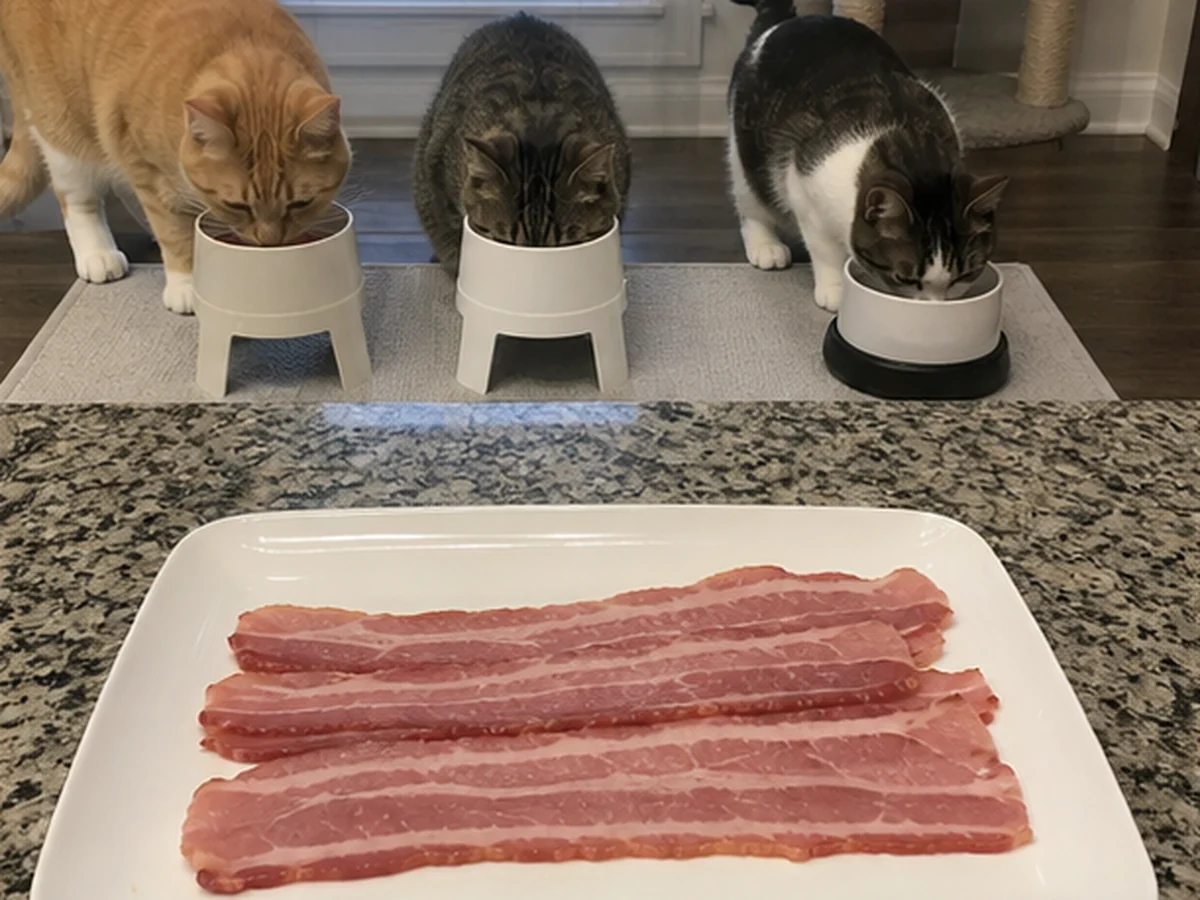
If more than one animal reached the plate, separate them calmly and observe each appetite, stool, vomiting, gait, and behavior. The boldest cat is not necessarily the one that ate most.
Report each animal’s weight and medical history along with the total missing amount. Do not divide the exposure equally unless you actually witnessed it.
Wash shared bowls if raw meat or grease entered them, then provide fresh normal food and water according to veterinary advice.
Turkey-bacon crumbles sold for salads or toppings may be pre-seasoned, shelf-stable, and easy to spill in quantity. Compare their sodium and ingredients with refrigerated strips instead of treating every bacon bit alike.
Resealable pouches and shaker lids retain grease odor and can be chewed after the crumbs are gone. Count caps, seals, and freshness packets.
FAQ
Can cats eat fully cooked turkey bacon?
A tiny plain crumb may be low risk for a healthy adult, but turkey bacon is salty, fatty, processed, and unsuitable as a routine treat.
Is turkey bacon safer than pork bacon?
Not meaningfully enough to recommend it. Recipes vary, and both are processed meats with sodium, fat, seasoning, and portion concerns.
What if my cat ate raw turkey bacon?
Save the package, clean contaminated surfaces, and call for a large exposure or any digestive, respiratory, eye, or neurologic signs.
Does uncured turkey bacon have no nitrites?
Not necessarily. It may use cultured celery or other sources, so read the actual label and focus on the complete product.
Bottom line
Turkey bacon is processed meat, not a lean loophole. One tiny cooked crumb may pass quietly, but sodium, fat, alliums, raw-poultry pathogens, H5N1 context, whole strips, grease, spoilage, and packaging make sharing a bad habit.