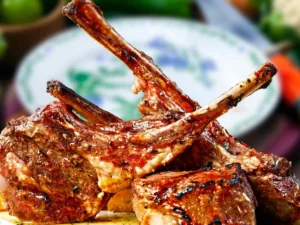
Can Dogs Eat Venison? Cooked Deer Meat, Raw Game, Bones, and Jerky
Dogs can eat plain fully cooked boneless venison in small portions. I like lean cooked deer meat much more than raw game, smoked jerky, fatty scraps, or a bone from hunting camp that has already survived several questionable decisions.
The quick venison verdict for dogs
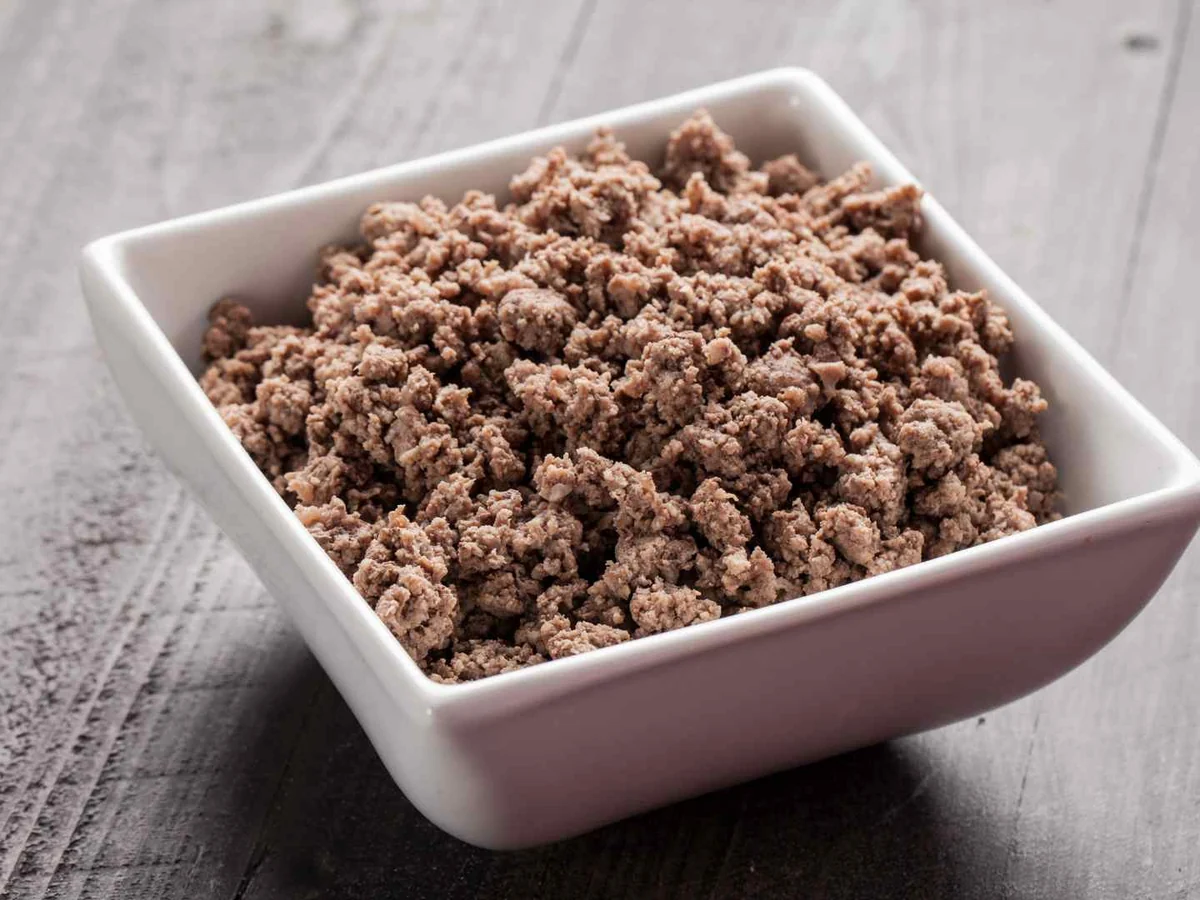
Plain fully cooked boneless venison can be an occasional treat for many healthy dogs. It provides high-quality protein plus iron, zinc, B vitamins, selenium, and other nutrients.
I cook venison thoroughly, remove bones and visible excess fat, skip seasoning, let it cool, and offer a dog-sized bite. If venison is going to be a major diet ingredient rather than a treat, the complete recipe needs proper formulation.
Venison also appears in complete commercial foods and limited-ingredient diets. A balanced venison dog food is nutritionally very different from a bowl of plain deer meat.
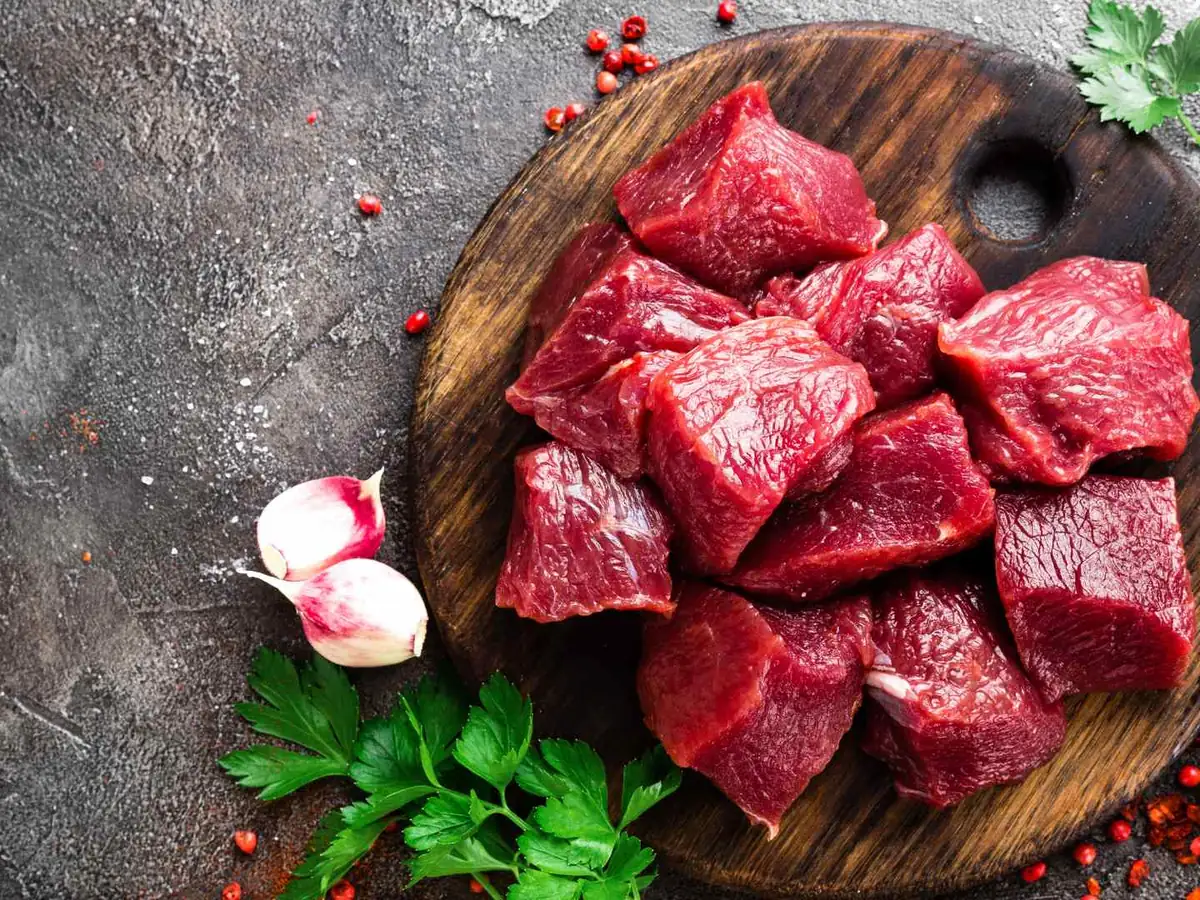
Plain cooked venison is the easiest version to share
Venison is often fairly lean, which can make it appealing for dogs that do well with lower-fat meats. Lean does not mean unlimited, however.
A few bite-size pieces are enough for an occasional treat. Large portions can displace complete food and add more protein and calories than the diet plan intended.
If the dog is on a prescription diet for kidney, liver, gastrointestinal, allergy, or weight issues, I would check before adding venison regularly.
Raw wild game comes with more uncertainty
Raw venison can carry bacteria and parasites, and wild game may have additional exposure risks depending on where and how the animal was harvested, dressed, stored, and transported.
Cooking thoroughly is the simplest risk-reduction step. I would not feed meat contaminated with gut contents, visibly diseased tissue, or questionable spoilage.
Repeated vomiting, bloody diarrhea, fever, severe lethargy, dehydration, or neurologic signs after raw game exposure deserves veterinary attention.
Wild carcasses are a different exposure from packaged venison
A dog that scavenges a deer carcass may swallow bones, hide, hair, intestinal contents, spoiled meat, bullets or fragments, and high-risk tissues along with muscle meat.
That is not equivalent to a small serving of cooked venison from a controlled kitchen. If a dog raids a wild carcass, tell the veterinary team exactly what was eaten and where the animal came from.
Chronic wasting disease deserves practical caution
Chronic wasting disease affects deer and related cervids in many regions. There is no established natural CWD disease in dogs, but I would still follow wildlife-agency guidance rather than treat known-positive or untested high-risk tissues as pet food.
Where testing is recommended or available, use tested game and follow local rules about carcass movement and disposal. I would avoid feeding tissues from known-positive animals.
I would also avoid high-risk nervous-system tissues such as brain and spinal-cord material from harvested cervids. Hunting leftovers do not become automatically appropriate because they are natural.
Lead fragments can be another hunting concern
Wild game harvested with lead ammunition can contain small metal fragments around the wound channel. I would trim damaged tissue generously and follow local hunting and food-safety guidance.
A dog should not receive tissue containing visible bullet fragments or heavily damaged wound-channel meat. If metal ingestion is suspected, call for veterinary advice.
Cooked venison bones can cause mechanical injuries
Cooked bones can become brittle and fracture into sharp pieces. Deer bones can also be extremely hard and may break teeth, cause choking, lodge in the esophagus, or obstruct the gastrointestinal tract.
If a bone or sharp fragment was swallowed, call your veterinarian for case-specific advice. Do not induce vomiting unless specifically directed.
Gagging, drooling, repeated swallowing, vomiting, abdominal pain, blood in stool, black stool, or breathing trouble deserves prompt evaluation.
Very hard raw deer bones can fracture teeth
Raw does not mean mechanically safe. Dense weight-bearing deer bones can be hard enough to crack premolars or molars in powerful chewers.
Dental fractures can expose the pulp and cause pain or infection. I would not use very hard deer bones as routine chew toys.
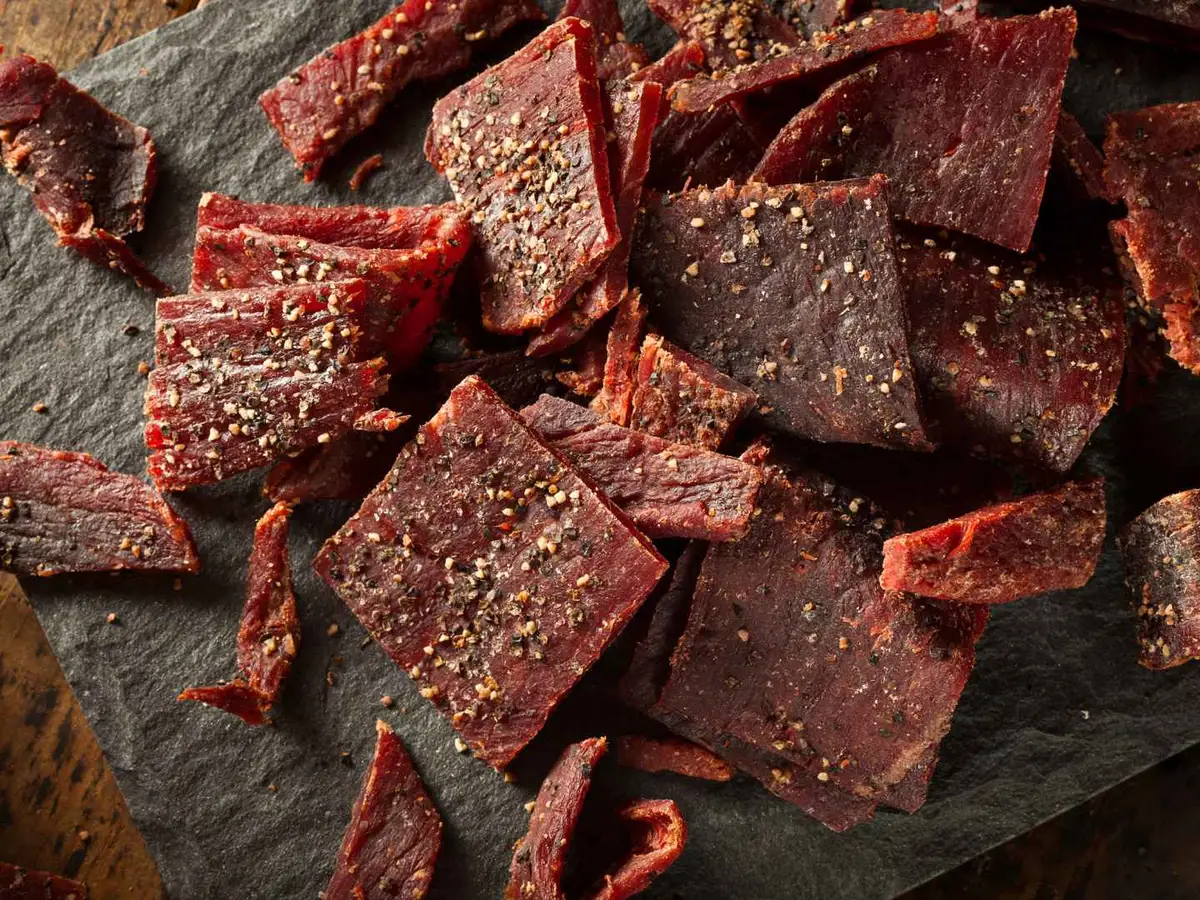
Venison jerky is not the same as venison meat
Human jerky can be high in sodium and may contain garlic, onion, pepper, smoke flavor, sugar, curing salts, or other seasoning. A tiny piece may be low risk for many healthy dogs, but I would not use human venison jerky routinely.
Dog-specific single-ingredient venison treats are easier to portion when the ingredient list is simple. Even then, treats should stay a small part of total calories.
Freeze-dried raw venison still counts as raw
Freeze-drying and dehydration remove moisture but should not automatically be treated as equivalent to cooking. If a product is marketed as raw, I would still consider pathogen control a question unless the manufacturer describes an effective kill step.
I would read the label rather than assume dry texture means the meat was cooked. This matters especially for households with young children, older adults, pregnant people, or immunocompromised family members.
Seasoning can add garlic, onion, salt, and butter
Venison steaks and roasts are often cooked with garlic, onion, butter, wine, gravy, herbs, or salty marinades. Onion and garlic can damage red blood cells in dogs after a sufficient dose.
I set aside the dog’s portion before seasoning. Plain cooked meat is easier to share than a finished hunting-camp skillet with six mystery ingredients.
Venison sausage can be much fattier and saltier
Venison sausage often contains added pork fat, salt, garlic, onion, pepper, smoke flavor, and curing ingredients. That makes it nutritionally and medically different from plain lean venison.
Dogs with pancreatitis, heart disease, kidney disease, obesity, or sodium restrictions have even less room for processed venison products.
Keep the portion modest
Venison can be lean, but extras still add calories. Treats and toppers should generally remain a small share of daily calories unless your veterinarian gives a different plan.
If venison is being fed every day as part of a homemade diet, use a properly balanced recipe rather than meat alone. Lean protein is not the same thing as complete nutrition.
Venison can be useful in elimination diets
Venison is sometimes used as a novel protein in veterinary elimination diets for suspected food allergy. In that context, diet purity matters more than variety.
Random treats, flavored medications, table scraps, and chews can undermine the trial. Follow the prescribed food list closely.
A novel protein is not automatically hypoallergenic forever. Individual dogs can react to many proteins depending on exposure history.
Puppies can have venison only as a small extra
Puppies need complete growth food with carefully balanced energy, calcium, phosphorus, protein, vitamins, and minerals. Plain venison should not replace that diet.
A tiny cooked boneless piece can be an occasional treat for a healthy puppy, but homemade venison-heavy diets are inappropriate without proper formulation during growth.
What to do if your dog ate raw venison
- Remove the remaining raw meat or carcass.
- Estimate the amount eaten and the time.
- Identify whether the meat was packaged venison or wild game.
- Note bones, gut contents, spoiled tissue, high-risk organs, or ammunition fragments.
- Clean contaminated bowls and surfaces.
- Call if the dog develops significant gastrointestinal, neurologic, or systemic illness.
What to do if your dog swallowed a deer bone
Estimate the bone size, whether it was cooked or raw, and how many pieces were swallowed. Call for case-specific advice, especially after sharp cooked fragments or large hard bones.
Do not automatically induce vomiting or force bread. Follow the veterinary team’s instructions based on the actual foreign-body risk.
How I would serve venison on purpose
I would use plain fully cooked boneless meat, trim visible excess fat, cut it into small pieces, and skip salt, garlic, onion, butter, gravy, and marinade.
If venison is being used therapeutically as a novel protein, I would follow the veterinarian’s diet plan instead of adding unrelated table foods.
Frequently asked questions
Can dogs eat deer meat?
Yes, plain fully cooked boneless venison can be an occasional treat for many dogs. Avoid heavy seasoning and questionable wild-game tissue.
Can dogs eat raw venison?
I would choose cooked venison because raw wild game can carry bacteria and parasites and creates cross-contamination risk.
Can dogs eat venison jerky?
Dog-specific plain jerky can be an occasional treat, but human jerky is often too salty and may contain garlic or onion.
Can dogs eat deer bones?
I would avoid cooked deer bones and be cautious with very hard raw bones because of dental fractures, choking, and obstruction risks.
Bottom line
Plain fully cooked boneless venison can be an occasional dog treat. I would skip raw game, avoid cooked and very hard bones, keep human jerky and heavy seasoning away, follow local CWD testing guidance, and use a balanced formulation if venison becomes a regular diet ingredient.