Can Cats Eat Kidney Beans? Cooking, Lectins, Cans, and Chili
A healthy adult cat may tolerate one soft, plain, fully cooked kidney bean mashed into a tiny taste, but cats do not need beans. Raw, soaked, sprouted, slow-cooked-at-low-heat, or undercooked beans can retain phytohaemagglutinin, while canned brine, chili seasonings, salt, meat fat, hot sauce, and packaging add separate risks.
Identify the bean’s cooking history first
| Bean form | Main issue | Response |
|---|---|---|
| Dry raw bean | Lectin and hard-object concern | Do not feed |
| Soaked but uncooked | Still raw and unsafe | Remove and call if eaten |
| Slow cooker only | May not reach a reliable boil | Do not assume detoxification |
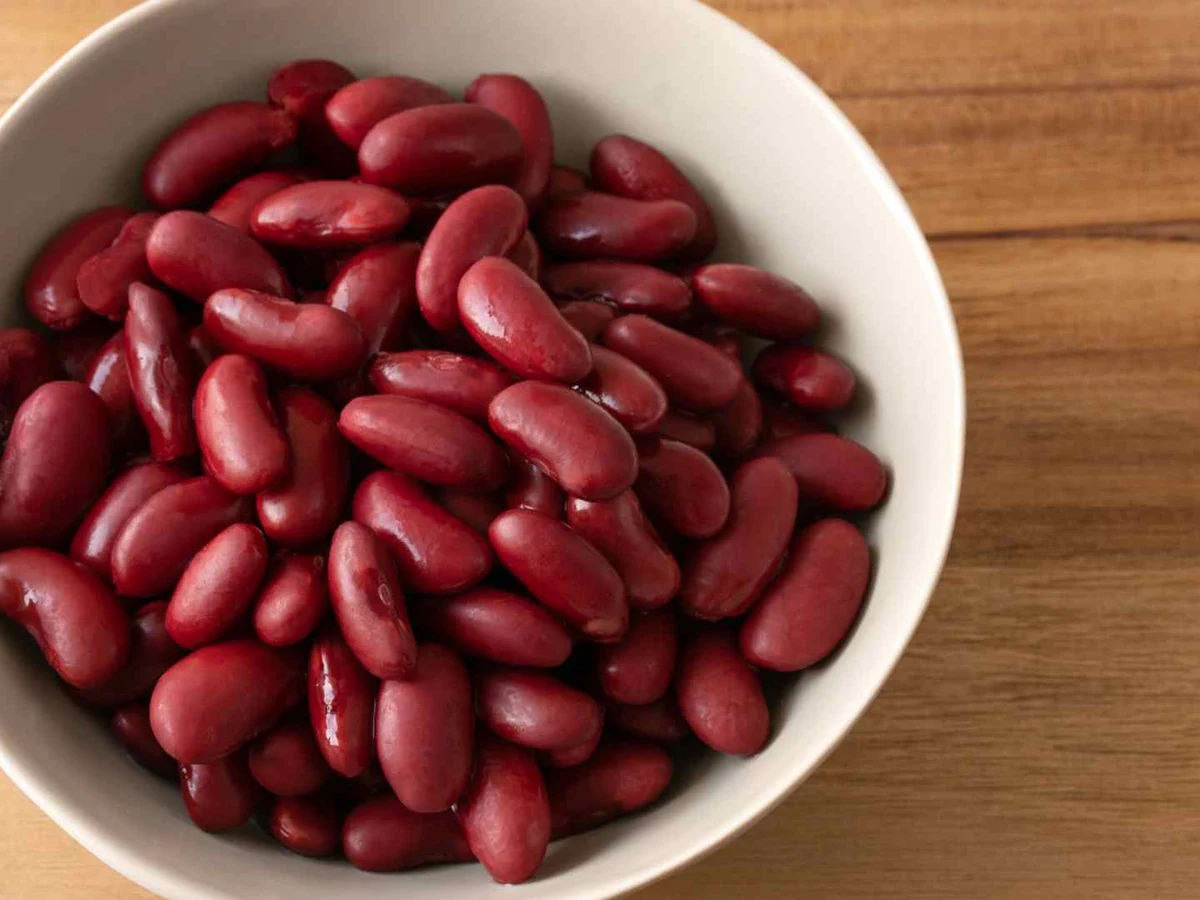
| Boiled until fully tender | Lower lectin, but optional starch | At most one mashed plain bean |
| Canned bean | Cooked, but brine and additives | Read label, rinse, portion tiny |
| Chili or salad | Alliums, salt, fat, spices | Assess full recipe |
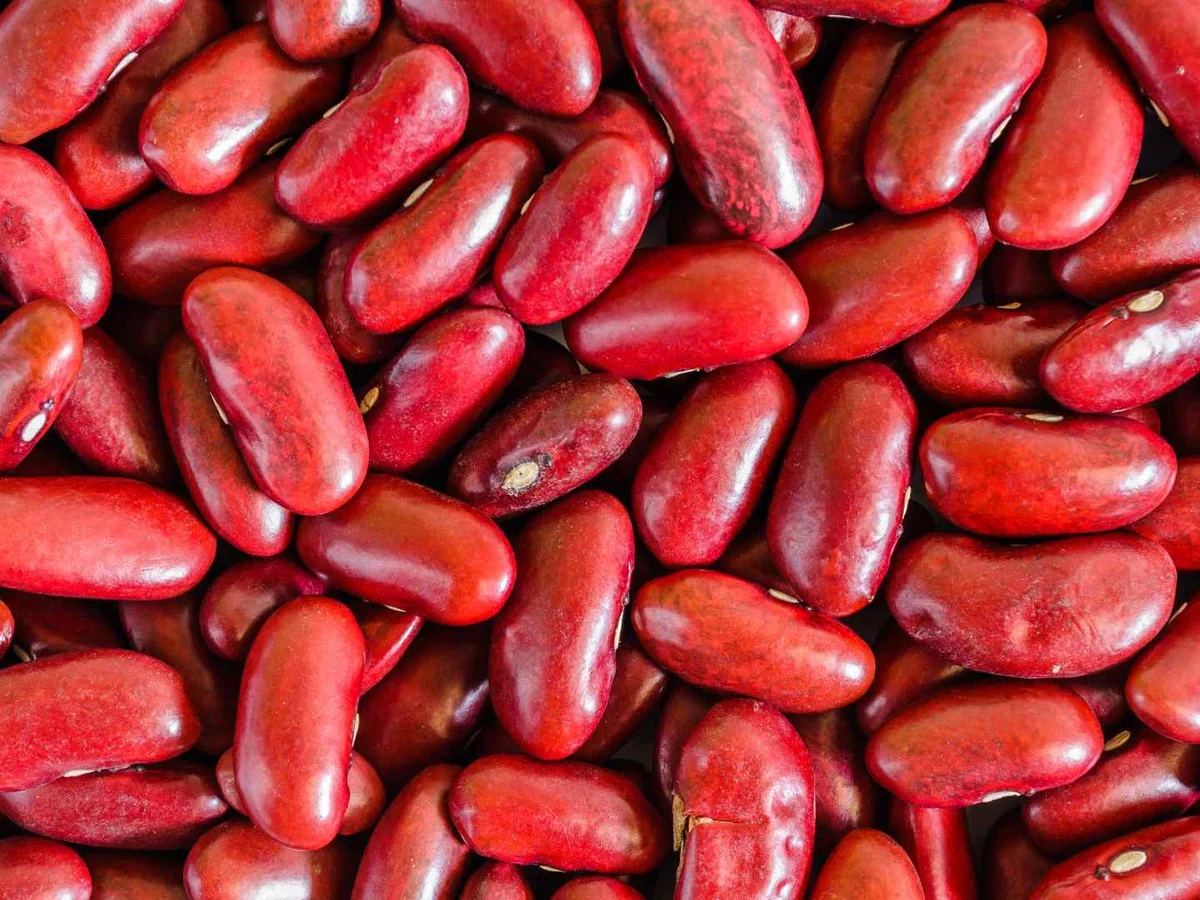
Red kidney beans contain more phytohaemagglutinin than many common beans, so preparation is not a decorative detail. Save the bag, recipe, appliance setting, soaking and boiling history, can, and quantity.
Call for raw or undercooked ingestion, repeated vomiting or diarrhea, marked weakness, severe abdominal pain, dehydration, or an unknown amount. Do not induce vomiting or try to finish cooking beans already swallowed.
Phytohaemagglutinin is the raw-bean issue
PHA is a lectin found in raw or inadequately cooked beans. The FDA states that raw or undercooked beans can contain high PHA levels, while canned and properly cooked kidney beans have low levels.
FDA guidance describes human foodborne illness rather than a feline dose study, so do not invent an exact toxic bean count for cats. The practical conclusion is straightforward: raw and undercooked kidney beans stay out of the cat bowl.
Soaking alone does not make beans safe
Soaking hydrates dry beans and can shorten cooking, but it is not the heat step needed to reduce lectin adequately. Discard soak water, rinse, and follow a validated boiling method for human food.
A plump soaked bean may look cooked while remaining firm and biologically raw. Keep soaking bowls covered and inaccessible, including the water, broken bean pieces, and plastic wrap.
Low-temperature slow cooking can fail
A slow cooker may spend too long below the vigorous boiling conditions needed for raw kidney beans, and some low settings may not reach a reliable temperature. Do not put dry or merely soaked kidney beans directly into a low cooker and assume time alone solves PHA.
Use canned beans or properly preboil dry kidney beans according to authoritative directions before a slow-cooked human recipe. For a cat exposure, report the precise preparation instead of saying only that the beans were warm.
The optional serving is one soft mashed bean
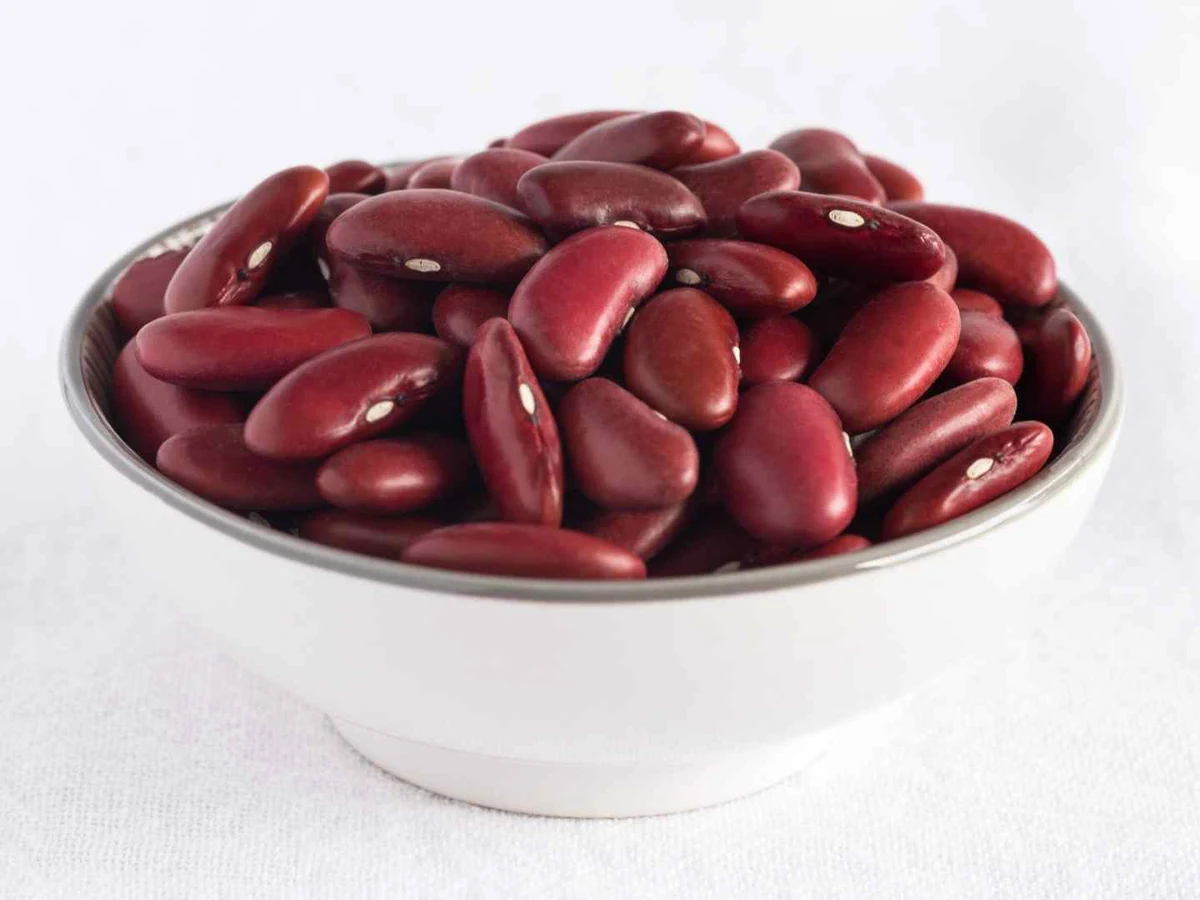
A fully cooked plain kidney bean should crush effortlessly between fingers. Mash no more than one into a paste, cool it, and offer it only if the veterinarian has not restricted dietary extras.
Whole beans can be gulped, while skins and fiber may trigger gas, vomiting, or loose stool. A cat that tolerates one bean still gains no reason to receive a scoop.
Cats need complete food, not plant-protein math
Kidney beans contain plant protein, starch, fiber, and micronutrients, but they cannot replace the animal-source nutrient pattern required by cats. Ingredient protein grams do not demonstrate adequacy or digestibility of a homemade feline diet.
The FDA adequacy statement resource separates complete staples from treats. Do not build a cat diet from beans and meat without professional formulation.
Canned beans are cooked but not automatically plain
Cans may contain water and beans only, or add salt, calcium chloride, sugar, spices, onion, garlic, preservatives, or sauce. “Seasoned” and “chili beans” are distinct finished products, not shortcuts to rinsed plain beans.
Choose a no-salt-added can for human use if a tiny feline taste has been approved, rinse the bean, mash it, and discard the can lid safely. Rinsing reduces surface brine but does not remove ingredients absorbed throughout.
Chili makes the bean almost irrelevant
Chili can include onion, garlic, chiles, cumin, salt, tomatoes, ground meat, sausage, cheese, sour cream, alcohol, cocoa, or seasoning packets. Hot capsaicin may cause oral and digestive irritation, while Alliums can damage feline red cells.
Save the recipe and call for onion or garlic exposure rather than waiting for delayed anemia. Our tomato article separates ripe fruit from plant parts, and the onion guide covers the urgent seasoning concern.
Bean salad is another recipe, not a side dish
Three-bean salad, cowboy caviar, and marinated beans can include onion, garlic, vinegar, sugar, oil, corn, peppers, herbs, and salty cheese. Cocktail picks, skewers, glass bowls, and elastic lids may accompany them.
A clean properly cooked bean set aside before dressing differs from a spoonful of salad. Identify each ingredient and missing object rather than rinsing a stolen seasoned bean after the fact.
Refried beans are rarely only mashed beans
Restaurant and canned refried beans may contain lard, oil, salt, onion, garlic, chile, cheese, or meat broth. Their smooth texture lets a cat lap a larger portion quickly.
Fat-free does not mean Allium-free or low sodium. Request the current ingredient information, and do not rely on the visible absence of diced onion.
Sprouts and bean flour are separate forms
Kidney-bean sprouts remain raw and can carry microbial and lectin concerns, while bean flour concentrates dry material into fine particles. Neither should be sprinkled onto cat food or used in raw homemade treats.
A flour spill can irritate eyes and airways or coat paws for grooming. Move the cat to clean air and seek urgent help for open-mouth breathing, persistent cough, wheeze, blue-gray gums, or collapse.
Cans and dry bags create physical hazards
Opened can rims and detached lids can slice paws or mouths, while pull tabs, plastic liners, measuring cups, bags, and clips can be swallowed. Dry beans on the floor also roll under appliances where cats retrieve them later.
Secure the cat before cleanup, use a magnet or careful inspection for metal if a lid broke, and call for a swallowed object. Do not induce vomiting after sharp material.
Gas and fiber are not medical treatments
Beans can ferment in the gut and cause gas or stool changes, particularly when the portion is unfamiliar. That does not make them a reliable constipation remedy or an appropriate fiber supplement.
The site’s black-bean guide covers a related legume with the same need for complete cooking and tiny portions. A veterinarian should choose fiber by diagnosis, not pantry color.
Medical diets remove the tiny-taste argument
Cats with diabetes, kidney disease, urinary disease, inflammatory bowel disease, obesity, pancreatitis, or food-allergy trials may need controlled carbohydrate, phosphorus, minerals, fat, calories, or ingredients. Beans can conflict even when cooked correctly.
Use the prescribed ration for treats and ask before hiding pills in bean paste. Medication compatibility and dose delivery matter more than whether the bean can hold its shape.
Store dry, cooked, and canned beans correctly
Keep dry beans in a labeled rigid container, refrigerate opened canned beans promptly, and chill cooked beans in shallow covered containers. Preserve lot codes in case a recall or product complaint occurs.
Discard swollen or leaking cans and cooked beans that are slimy, sour, moldy, or left warm too long. Never taste a suspicious product to decide whether the cat needs concern.
After the bean pot tips
- Separate dry raw, soaked, undercooked, properly boiled, canned, refried, chili, and salad forms.
- Save the package, soak and cooking method, appliance setting, recipe, can, amount, and time.
- Check for Alliums, chiles, fat, salt, mold, can metal, tabs, bags, and utensils.
- Call for raw or undercooked beans, symptoms, hazardous additions, a large amount, or foreign material.
- Do not induce vomiting or force food and water.
After one mashed, plain, fully cooked bean, monitor appetite, vomiting, stool, abdominal comfort, and activity. Stop beans if any digestive change develops.
Cook beans for people according to validated food-safety guidance, then close them away. The cat does not need to participate in quality assurance.
Different bean species and varieties do not carry identical lectin concentrations, so a cooking rule for lentils or black beans should not be pasted onto red kidney beans. Identify the bean from its labeled package before choosing the preparation method.
Food-safety instructions are not optional folklore
The FDA’s Bad Bug Book includes phytohaemagglutinin as a natural foodborne hazard. Use authoritative cooking guidance and the package directions rather than a social post promising that a brief soak, low simmer, or taste test is enough.
Cooking recommendations are designed for preparing food safely for people, not for establishing a feline serving dose. Cats remain unnecessary participants even after the bean reaches proper tenderness.
- Label containers with bean type because red kidney beans should not be confused with similarly colored canned products.
- Keep timers and cooking notes when a household uses more than one appliance or transfers beans between pots.
- Discard cooking batches if the method cannot be reconstructed after an accidental cat exposure.
- Never taste an undercooked bean to decide whether the animal needs veterinary advice.
Food poisoning signs can overlap with obstruction, pancreatitis, infection, or another illness. Repeated vomiting, profuse diarrhea, pain, dehydration, weakness, or refusal to eat deserves examination rather than automatic attribution to lectin.
If other people ate the same undercooked batch and became ill, tell both the veterinary and human medical professionals. Shared-source information can clarify the event while each patient still receives species-appropriate care.
Cats who raid dry beans repeatedly may be attracted to their rolling movement rather than food value. Store them behind a closed door and offer appropriate rolling toys that cannot be swallowed instead of leaving pantry marbles within paw range.
Bean questions after the pot cools
Can cats eat canned kidney beans?
One rinsed, mashed, no-salt-added bean may be tolerated by a healthy adult, but check every ingredient and do not make it routine.
Can cats eat raw kidney beans?
No. Raw and undercooked kidney beans can retain high phytohaemagglutinin levels, and no feline safe count should be invented.
Can kidney beans replace meat in cat food?
No. Cats require a complete feline nutrient profile, and kidney beans alone cannot provide it.
The kidney-bean verdict
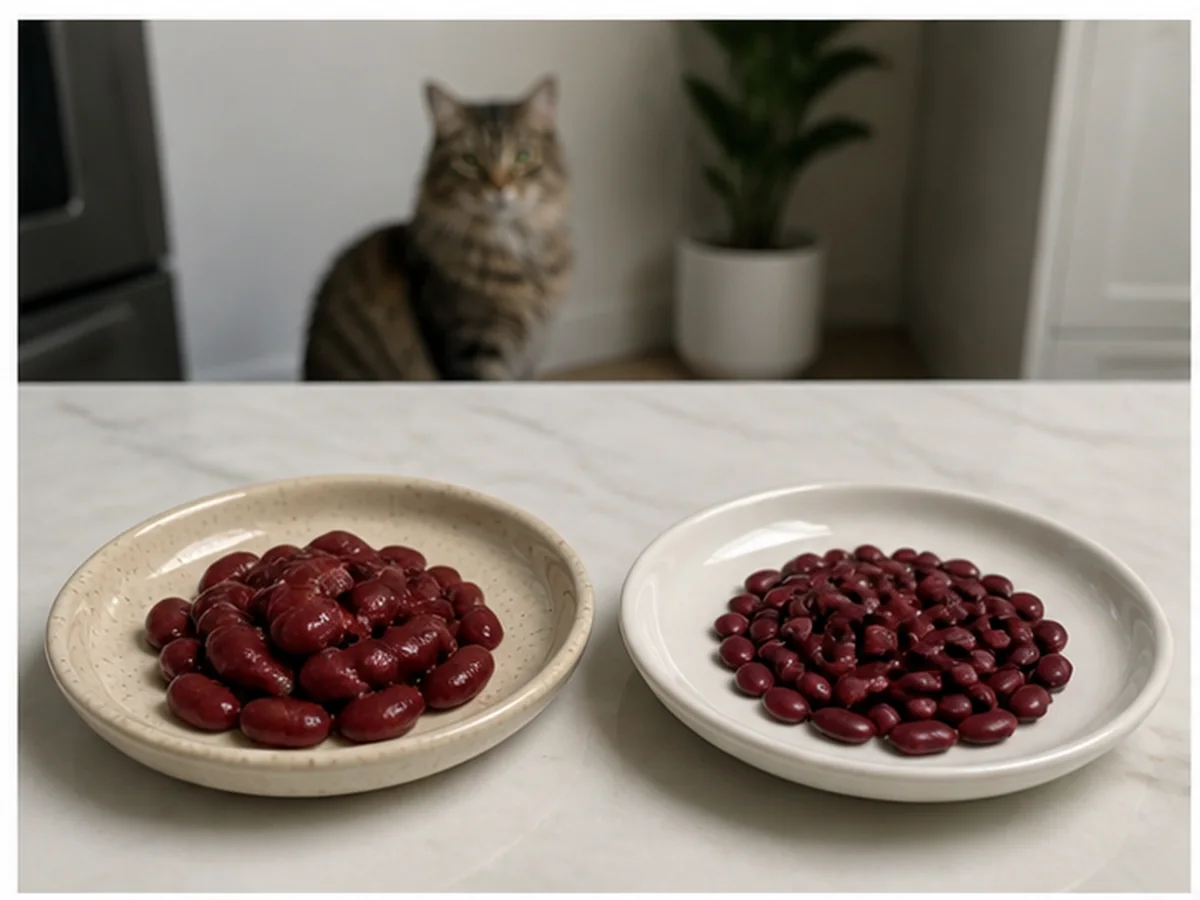
Kidney beans belong in the fully cooked category before portion is even discussed. Keep raw, soaked, low-temperature, sprouted, and flour forms away, treat canned brine and chili as whole-product questions, mash any approved plain taste, and let complete cat food provide the nutrition.