Can Dogs Eat Chicken Skin? Fat, Seasoning, Bones, and Pancreatitis Risk
I would not use chicken skin as a regular dog treat because it is much fattier than the meat underneath. One tiny plain piece may cause no problem in a healthy dog, but a plateful of seasoned skin can turn into vomiting, diarrhea, abdominal pain, or pancreatitis surprisingly fast.
The amount and preparation matter more than the word skin
- One tiny piece of plain cooked skin: often low risk for a healthy dog.
- A large pile of roasted or fried skin: much more concerning because of fat.
- Rotisserie skin: can add substantial sodium, garlic, onion, spice blends, and drippings.
- Skin still attached to cooked bones: adds choking, splinter, and obstruction risk.
- Raw skin: adds foodborne pathogen and handling concerns.
- A dog with previous pancreatitis: deserves a much stricter threshold for rich food.
If your dog stole skin, estimate how much by ounces or by fraction of the bird and save any seasoning label. I would rather tell the veterinarian “the skin from two thighs and a breast” than “a little chicken,” because those descriptions can imply very different fat loads.
Chicken skin is dramatically fattier than plain breast meat
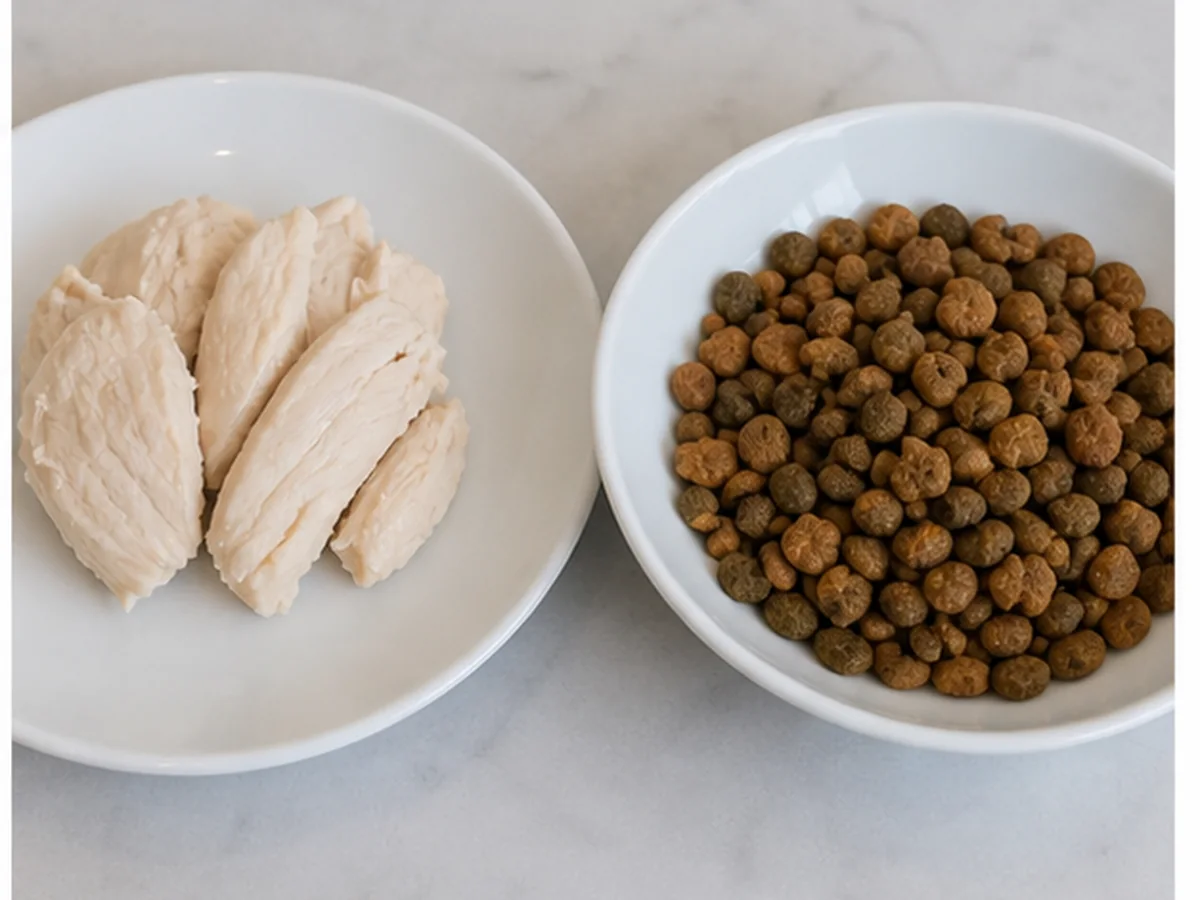
The skin is where much of a chicken’s fat sits, and cooking can make it even richer when butter, oil, or rendered drippings coat the surface. That does not make one square inch toxic, but it makes skin a poor choice when the goal is a lean, predictable dog treat.
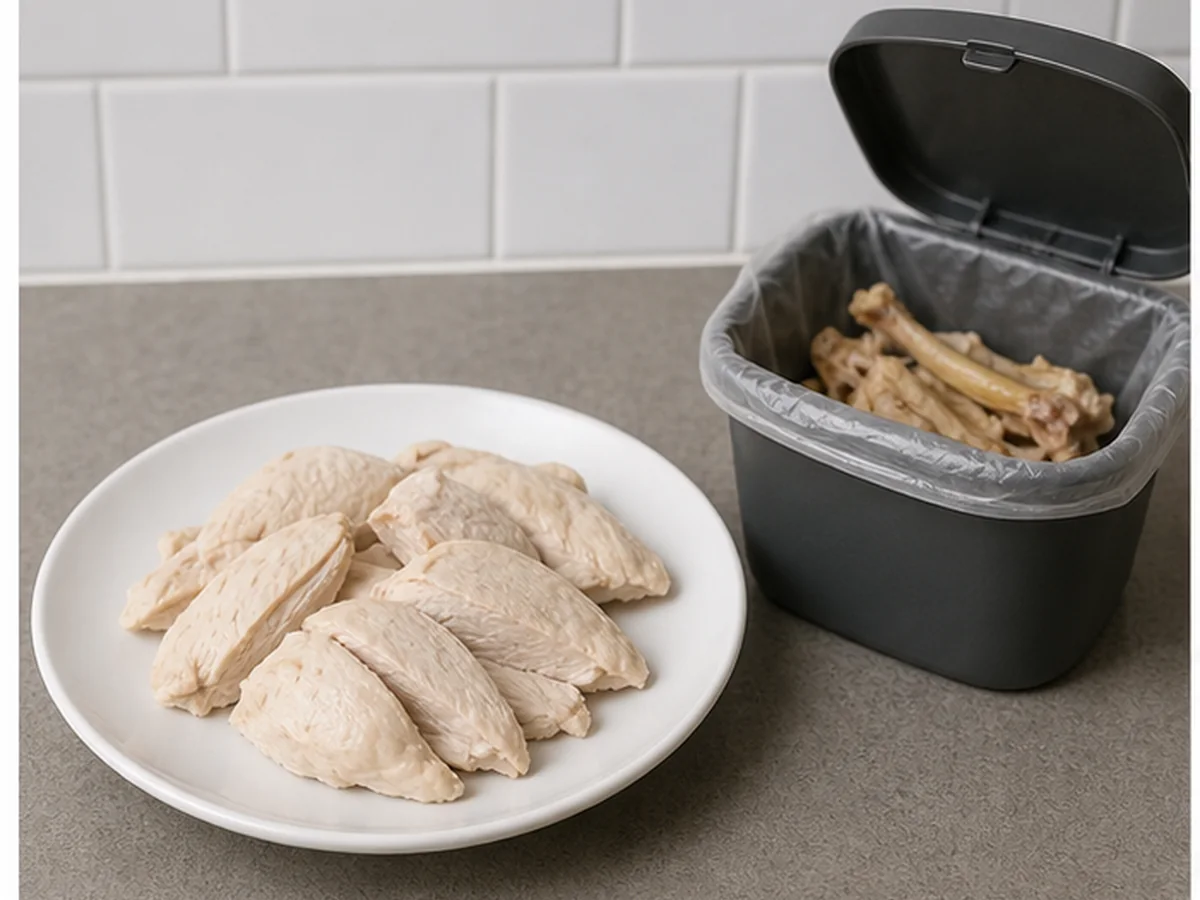
If I want to share chicken, I would choose plain fully cooked boneless meat with the visible skin removed. That gives the dog the protein without turning the treat into a tiny sheet of poultry bacon.
Dark meat and skin together are generally richer than skinless breast meat. Portion control matters even more for small dogs because a few human-sized scraps can represent a meaningful share of the dog’s daily calories.
Pancreatitis is the reason I care about a large skin binge
Pancreatitis is inflammation of the pancreas and can range from painful gastrointestinal illness to severe systemic disease. High-fat meals are commonly avoided in dogs with a history of pancreatitis, and rich table scraps are a familiar trigger in susceptible dogs.
Possible signs include repeated vomiting, refusing food, abdominal pain, diarrhea, marked lethargy, dehydration, weakness, or a hunched or “prayer” posture that suggests abdominal discomfort. Those signs after a fatty-food raid deserve veterinary evaluation.
Not every dog who eats chicken skin develops pancreatitis, and I would not tell someone that one tiny scrap guarantees a crisis. The sensible distinction is between an accidental nibble in a healthy dog and a genuinely fatty binge in a dog whose pancreas already has a criminal record.
Rotisserie skin adds seasoning to the fat problem
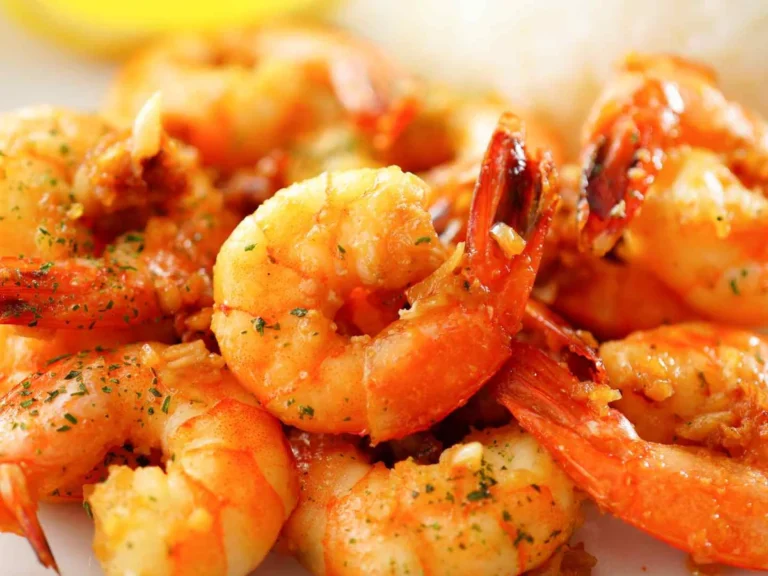
Rotisserie chicken skin can be brined, salted, rubbed with spice blends, brushed with oil, and coated in concentrated drippings. Garlic powder and onion powder are common enough that I would check the ingredient label after a large theft.
Onion, garlic, chives, leeks, and related alliums can damage red blood cells in dogs at sufficient doses. Powdered alliums are concentrated, and delayed anemia can develop after the dog has already stopped looking like the world’s most successful dinner thief.
A trace of seasoning on one small piece is not equivalent to eating the heavily seasoned skin from an entire bird. Still, save the label when a large amount disappears so the risk can be assessed from the actual recipe.
Garlic and onion signs can be delayed
After a meaningful allium exposure, signs can include gastrointestinal upset first and anemia-related weakness later. Pale gums, rapid breathing, an increased heart rate, unusual tiredness, reduced appetite, dark or reddish urine, weakness, or collapse deserve prompt veterinary care.
Do not wait for pale gums before calling after a known substantial onion or garlic exposure. Early advice is more useful than trying to prove at home that the seasoning dose was large enough to matter.
Salt matters most when quantity or medical history raises the stakes
Dogs need sodium in a complete diet, so a salty taste is not automatically salt poisoning. A large amount of heavily seasoned skin can still deliver far more sodium than intended, especially to a small dog.
Dogs with heart disease, kidney disease, high blood pressure, fluid-retention problems, or prescribed sodium restrictions deserve additional caution. Repeated salty table scraps can undermine a carefully controlled medical diet even when each individual scrap looks harmless.
Severe salt excess can cause vomiting, marked thirst, weakness, neurologic changes, tremors, or seizures. Keep normal access to fresh water unless a veterinarian specifically tells you otherwise.
Fried chicken skin is richer and usually saltier
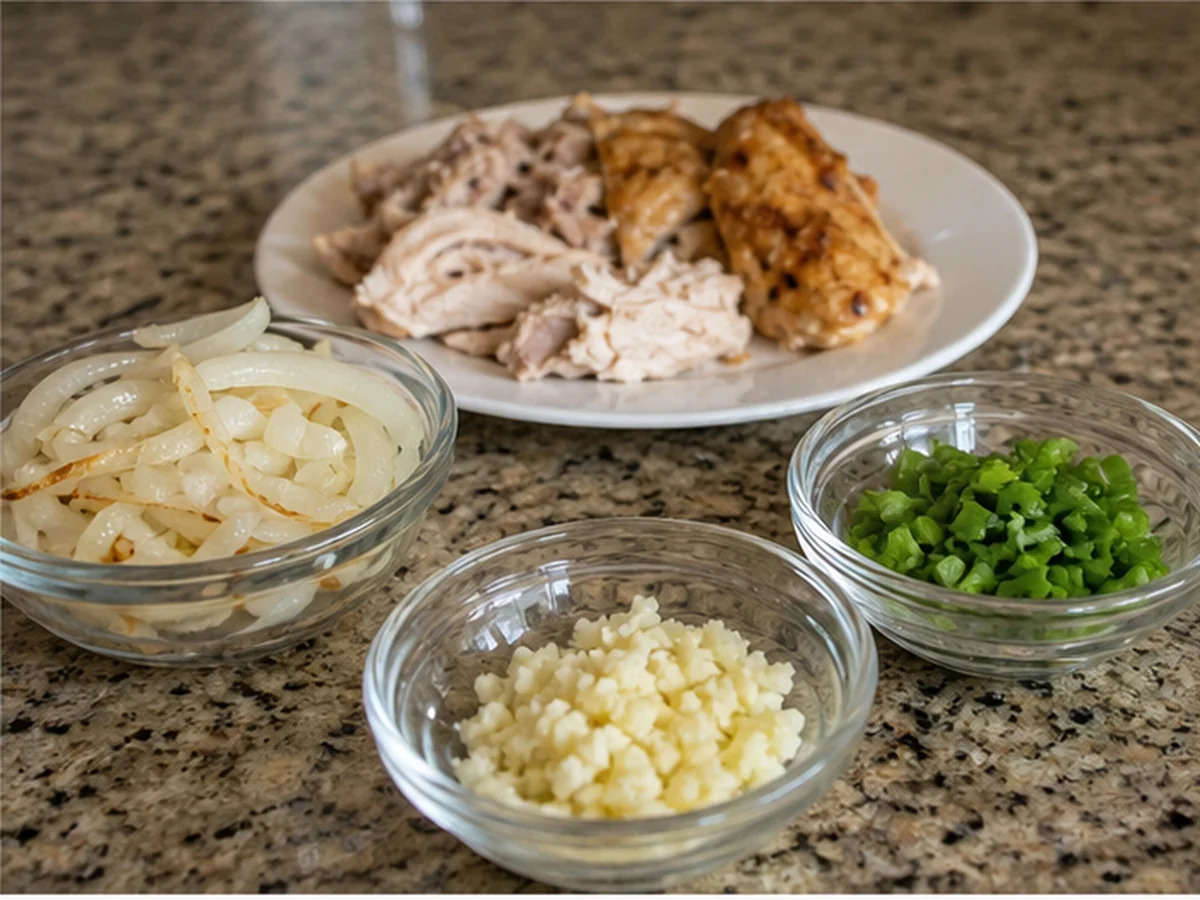
Fried skin adds absorbed cooking oil, breading, salt, and seasonings to an already fatty food. A tiny crumb may be low risk, but several pieces can produce a substantial fat load and more gastrointestinal upset than plain cooked skin.
Breading may contain garlic powder, onion powder, pepper, paprika, cayenne, or other seasonings. Hot spices are more likely to irritate the gastrointestinal tract than create classic systemic poisoning, but garlic and onion deserve a dose assessment after a large exposure.
Chicken wings and fried pieces also come with cooked bones. If bones disappeared with the skin, the bone exposure immediately becomes part of the triage plan.
Skin attached to cooked bones changes the advice
Cooked poultry bones can become brittle and fragment into sharp pieces. They can lodge in the mouth or esophagus, cause choking, injure the stomach or intestines, or create an obstruction.
Call after a meaningful cooked-bone ingestion, especially when several bones are missing or the dog is small. Repeated gagging, trouble swallowing, drooling, vomiting, abdominal pain, blood in vomit or stool, refusal to eat, straining, marked lethargy, or breathing distress deserves urgent evaluation.
Do not induce vomiting after a cooked-bone exposure unless a veterinarian specifically directs it. Bringing sharp fragments back through the esophagus can create additional injury.
Raw chicken skin adds pathogen concerns
Raw poultry can carry harmful bacteria and other pathogens, and contamination matters for both the dog and people handling the food, bowl, floor, feces, or saliva afterward. I would not intentionally feed raw chicken skin as a casual treat.
A small accidental raw bite does not guarantee illness, but repeated vomiting, bloody diarrhea, fever, marked lethargy, weakness, dehydration, or severe abdominal symptoms deserve veterinary attention. Puppies, seniors, pregnant dogs, and immunocompromised animals deserve a lower threshold for advice.
Wash hands and clean contaminated surfaces after a raw-poultry incident. Do not let the dog lick faces or share food-prep surfaces while you are cleaning up, because food safety does not end at the dog bowl.
Barbecue sauce and glaze can add more ingredients than the skin itself
Barbecue chicken skin may carry onion, garlic, salt, sugar, chile, mustard, smoke flavor, or sugar-free sweeteners. The sauce can therefore add allium exposure, gastrointestinal irritation, or a xylitol concern if a specialty sugar-free product is used.
Check the sauce label after a large theft and report every meaningful ingredient. I would not assume “barbecue” is one recipe any more than I would assume every dog has the same tolerance for a greasy meal.
What to do after a small accidental piece
If a healthy dog steals one tiny piece of plain cooked chicken skin with no bone or dangerous seasoning, I would generally put the rest away and monitor for vomiting, diarrhea, reduced appetite, or abdominal discomfort. I would not induce vomiting or create a special home treatment for a trivial exposure.
Call sooner if the dog is very small, has pancreatitis history, ate a large amount, swallowed bones or packaging, or the skin was heavily seasoned with onion or garlic. The same food deserves a different response when the dog or dose changes.
What I would feed instead
If the goal is simply to share chicken, use a small piece of plain fully cooked boneless skinless meat. Breast meat is easy to portion, and you can see exactly what the dog is receiving without mentally subtracting grease, seasoning, and crispy skin.
Keep all treats together under roughly 10 percent of daily calories unless your veterinarian gives another plan. A dog can enjoy chicken without needing the part that leaves the paper towel translucent.
Frequently asked questions
Can dogs eat one piece of chicken skin?
One tiny piece of plain cooked skin may be low risk for many healthy dogs, though mild stomach upset is possible. Avoid making it a routine treat because skin is fatty.
Is chicken skin toxic to dogs?
Plain chicken skin is not a classic toxin, but its high fat content can cause gastrointestinal upset and can be problematic for dogs prone to pancreatitis. Seasonings, sauces, bones, and raw-poultry pathogens add separate risks.
Can dogs eat rotisserie chicken skin?
I would avoid it because rotisserie skin is fatty, salty, and often seasoned with garlic or onion. Plain interior boneless meat with the skin removed is a better intentional choice.
My dog ate fried chicken skin. What should I watch for?
Watch for repeated vomiting, diarrhea, abdominal pain, poor appetite, lethargy, or signs related to swallowed bones. Check the seasoning for onion and garlic and call if a large amount was eaten or your dog has pancreatitis history.
Bottom line
Chicken skin is not inherently poisonous, but it is too fatty to make a good routine dog treat and becomes more concerning when it is fried, heavily seasoned, attached to cooked bones, or eaten in a large amount. Plain boneless skinless chicken is the much easier way to share.