Thanksgiving Foods Dogs Can and Can’t Eat: A Complete Table Guide
Thanksgiving is easy to make dog-safe if the dog’s plate stays boring. I separate a little plain boneless turkey before the seasoning starts, then keep bones, skin, stuffing, gravy, chocolate, raisins, xylitol, and rich leftovers out of reach.
My Thanksgiving dog-food rule
The safest foods are usually the ingredients before they become recipes. Plain turkey meat, a little plain pumpkin, green beans, carrots, or sweet potato can be reasonable, while the finished casseroles and desserts are much harder to assess.
I would rather give a dog three plain bites than recreate a tiny human Thanksgiving plate. The dog is not grading presentation, and this is one holiday where boring food is a feature.
Thanksgiving food safety at a glance
| Food | Dog verdict | Main issue |
|---|---|---|
| Plain boneless turkey | Small amount okay | Portion and seasoning |
| Turkey skin | Best avoided | Fat, salt, seasoning |
| Cooked turkey bones | Avoid | Choking, splinters, obstruction |
| Stuffing | Usually avoid | Onion, garlic, sausage, raisins |
| Gravy | Usually avoid | Alliums, fat, sodium |
| Plain pumpkin | Small amount okay | Fiber and calories |
| Pumpkin pie | Avoid as a treat | Sugar, fat, spices |
| Plain sweet potato | Small amount okay | Portion |
| Sweet potato casserole | Avoid | Butter, sugar, marshmallows, nuts |
| Cranberry sauce | Check recipe | Sugar, raisins, xylitol |
| Chocolate dessert | Avoid | Methylxanthines |
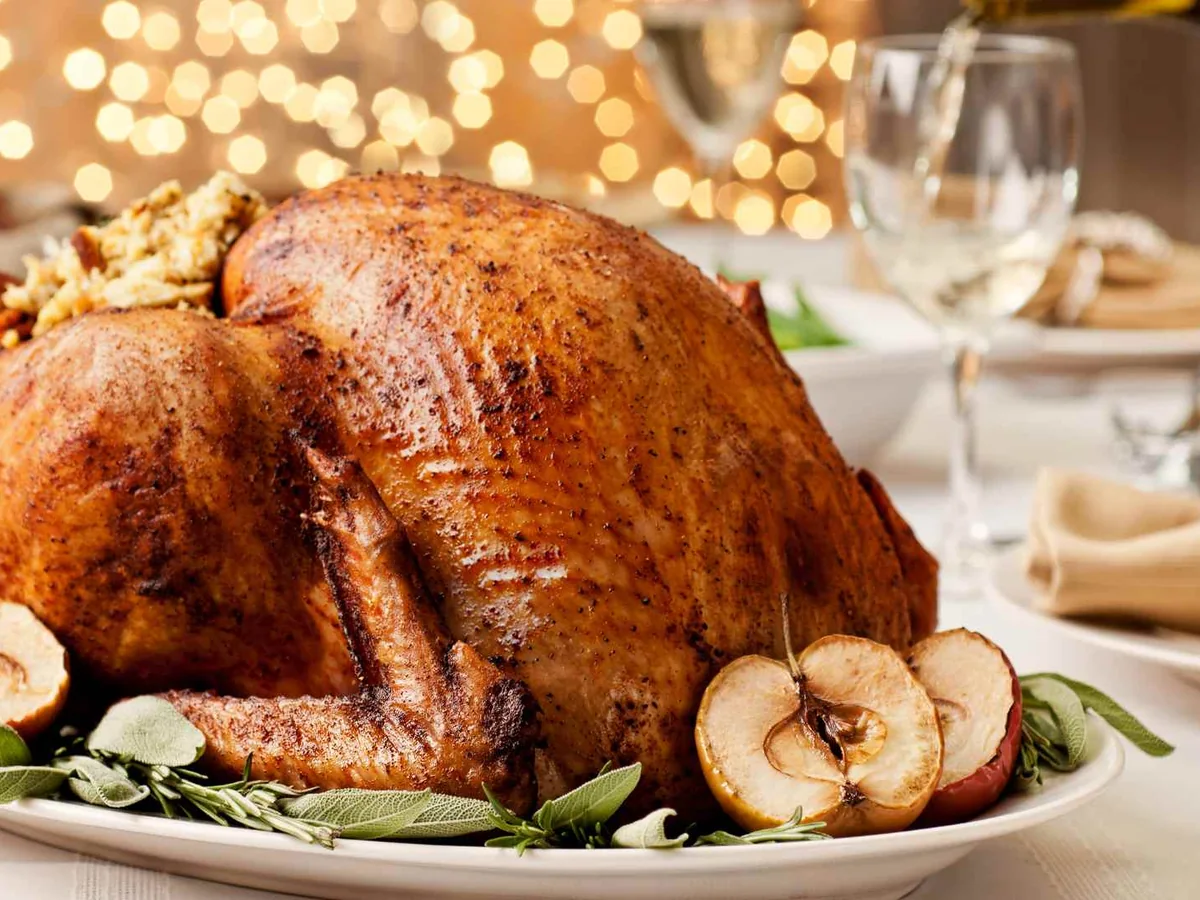
Plain turkey meat is the easiest Thanksgiving share
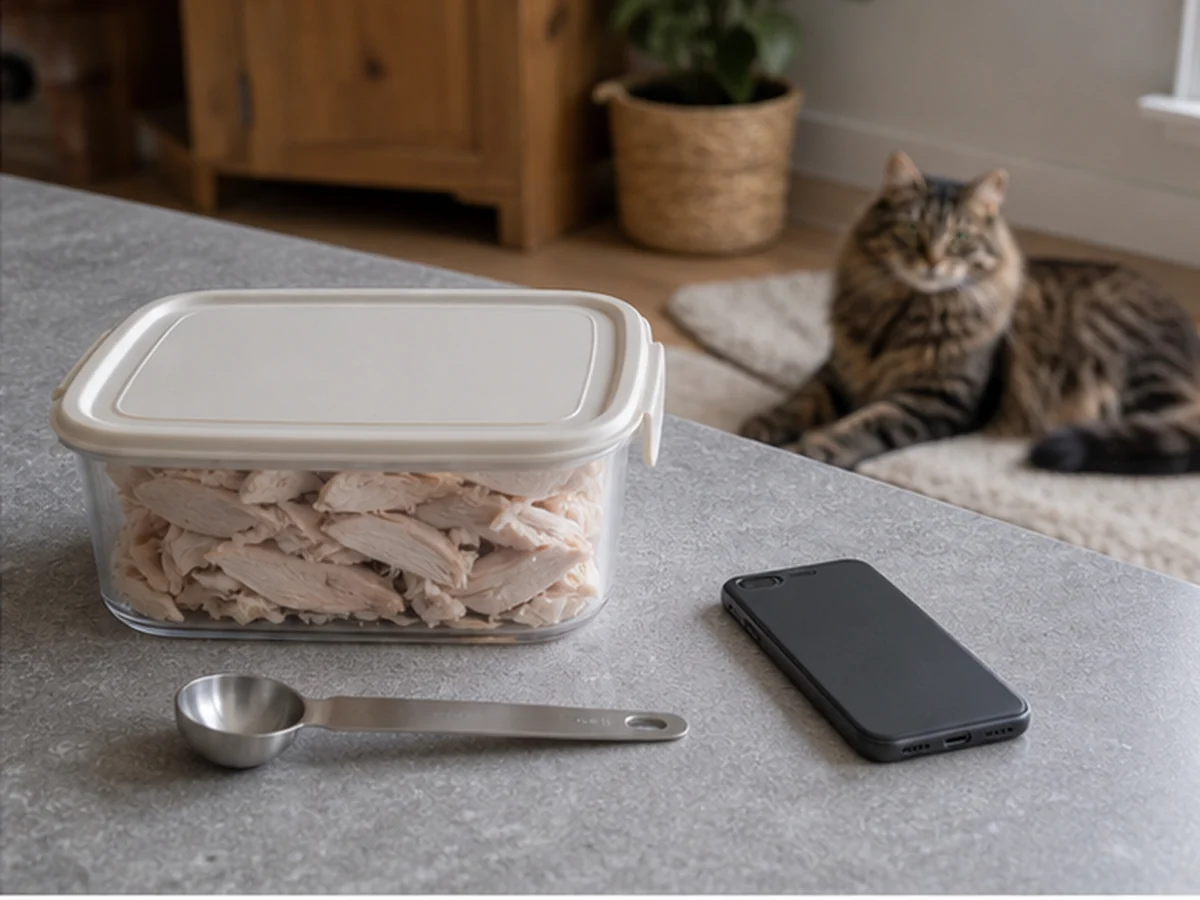
Fully cooked boneless turkey meat can be an occasional treat for many healthy dogs. I choose interior meat, remove the skin and every bone, and avoid heavily seasoned outer surfaces.
White breast meat is generally leaner than dark meat and skin, which makes it easier to fit around a normal diet. A few small pieces are enough to let the dog participate without creating a second meal.
If the turkey was brined, injected, smoked, or heavily rubbed, even the meat may contain more sodium than plain home-cooked turkey. Dogs with heart disease, kidney disease, high blood pressure, or sodium restrictions deserve extra caution.
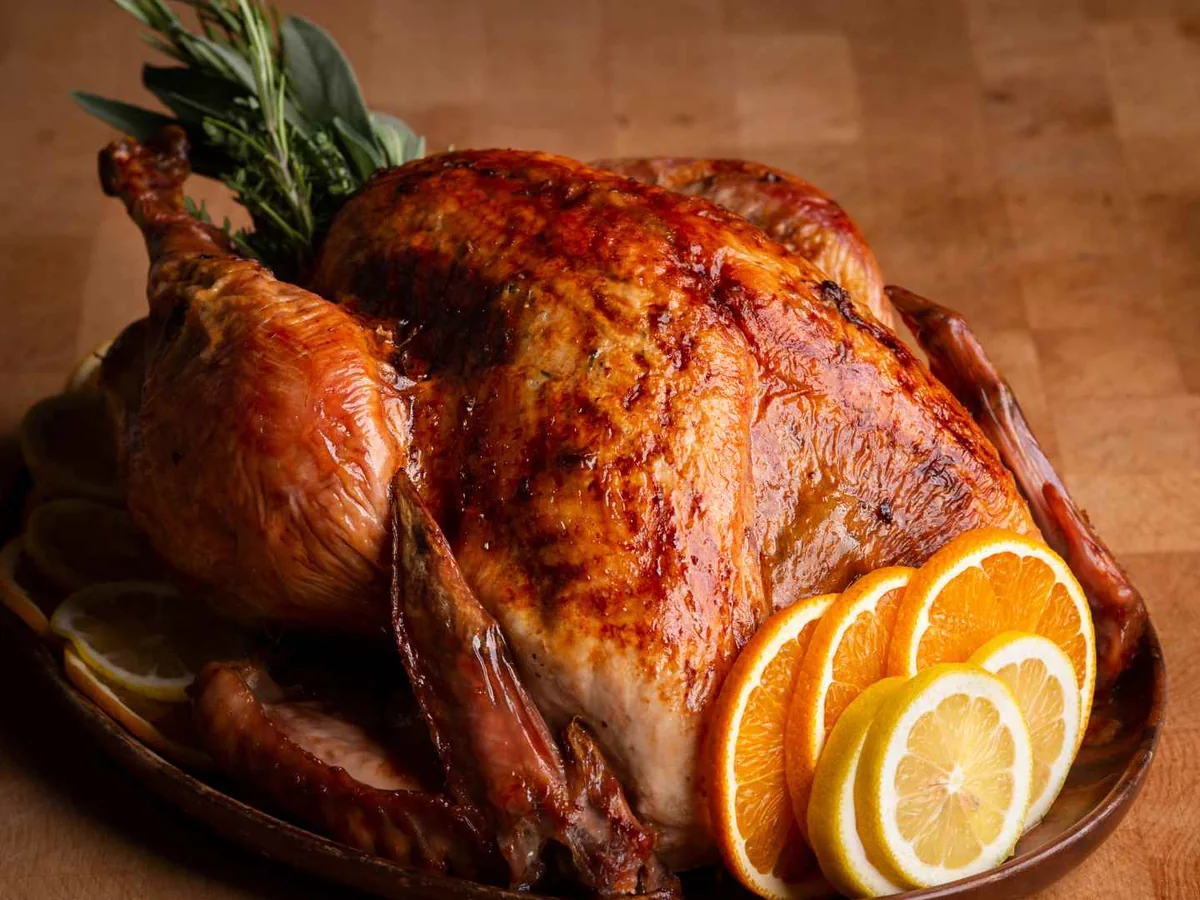
Turkey skin is the part I leave on the human plate
Turkey skin is fatty and often coated in butter, oil, salt, garlic, onion, and concentrated pan drippings. A tiny piece may cause nothing more than mild stomach upset, but a large binge can trigger vomiting, diarrhea, abdominal pain, or pancreatitis in susceptible dogs.
Dogs with a previous pancreatitis episode should not be the holiday cleanup crew. Plain skinless meat gives the dog the turkey experience without the part most likely to make the next day memorable.
Cooked turkey bones deserve prompt veterinary advice
Cooked poultry bones can become brittle and fracture into sharp pieces. They can choke, lodge in the esophagus, injure the stomach or intestines, or create a gastrointestinal obstruction.
If your dog ate cooked turkey bones, call with the number and type of bones, the dog’s weight, the time, and any symptoms. I would not induce vomiting unless the veterinary team specifically directs it because sharp fragments can cause more injury coming back up.
Gagging, repeated swallowing, drooling, vomiting, abdominal pain, blood in vomit or stool, breathing difficulty, marked lethargy, or refusal to eat deserves urgent evaluation. A normal dog immediately after the theft has not proved the bones will pass safely.
Stuffing is one of the least dog-friendly side dishes
Stuffing commonly contains onion, garlic, shallots, butter, sausage, bacon, salty broth, raisins, currants, nuts, and herbs. The bread is usually the least interesting part of the risk calculation.
Onion and garlic can damage canine red blood cells, while raisins and dried grape currants can cause acute kidney injury. Sausage, butter, and drippings add a large fat load that can cause gastrointestinal upset or pancreatitis.
If a dog steals stuffing, save the recipe and look specifically for dried grapes and alliums. I would not wait for symptoms after a known raisin exposure because early treatment can matter.
Gravy is usually too salty, fatty, and allium-heavy
Turkey gravy may combine pan drippings, butter, broth, flour, salt, onion, garlic, and browned bits from the roasting pan. A small lick may only cause stomach upset, but a bowlful can deliver substantial fat and sodium.
Broth and bouillon can contain onion or garlic powder even when no pieces are visible. Save the package if the gravy came from a mix.
Dogs with pancreatitis, kidney disease, heart disease, or sodium restrictions deserve especially strict limits. Plain turkey meat is a much easier holiday treat than meat floating in gravy.
Mashed potatoes are only safe when they are actually plain
Fully cooked plain potato can be low risk in a small amount. Thanksgiving mashed potatoes usually contain butter, milk, cream, cheese, garlic, onion, salt, or gravy, which makes the human version much less appropriate.
Rich dairy and butter can cause gastrointestinal upset and may contribute to pancreatitis in susceptible dogs. Garlic and onion create a separate red-blood-cell toxicity concern.
If you want the dog to have potato, set aside a plain spoonful before the masher gets ambitious. That is much easier than reverse-engineering the casserole dish afterward.
Sweet potatoes can be fine before they become casserole
Plain cooked sweet potato can be an occasional treat in a small portion. Sweet potato casserole may add butter, brown sugar, maple syrup, marshmallows, pecans, cinnamon, and other ingredients.
Most of those ingredients are more about calories and gastrointestinal upset than classic poisoning, but sugar-free marshmallows or toppings need a xylitol check. Nut-heavy, buttery casserole can also be very rich.
Green beans are easy until casserole happens
Plain cooked green beans can be a low-calorie dog treat. Green bean casserole adds cream soup, fried onions, butter, salt, and sometimes garlic or onion powder.
The fried onion topping is an allium exposure, not just a crunchy garnish. I would give the dog plain green beans and leave the casserole for people.
Cranberry sauce requires a recipe check
Plain cranberries are not a classic dog toxin, while cranberry sauce is concentrated in sugar. Homemade relishes may also include raisins, Zante currants, alcohol, nuts, citrus peel, or sugar-free sweeteners.
Raisins and dried grape currants deserve prompt veterinary advice, while xylitol requires immediate attention. A tiny lick of ordinary canned sauce is a very different exposure from a sugar-free raisin relish.
Dinner rolls are usually low drama unless the dough is raw
A small piece of fully baked plain bread may be low risk for many dogs, but butter, garlic, raisins, cheese, and other additions change the answer. Raw yeast dough is a completely different emergency.
Unbaked yeast dough can expand in the warm stomach and produce ethanol as it ferments. Abdominal distension, retching, weakness, poor coordination, unusual sleepiness, or collapse after raw dough deserves urgent care.
Pumpkin pie is not the same thing as plain pumpkin
Plain pumpkin puree can be used in small amounts for some dogs. Pumpkin pie adds sugar, dairy, eggs, crust, fat, and spices, which makes it a calorie-dense dessert rather than a gastrointestinal supplement.
The nutmeg amount in a normal slice is usually not the biggest problem, while an entire container of concentrated nutmeg is a different exposure. The practical reason to avoid pumpkin pie is the rich recipe and portion, not a need to panic over one crumb.
Pecan pie is mostly fat, sugar, and recipe details
Pecan pie is dense in sugar, butter, syrup, nuts, and crust. A large serving can cause gastrointestinal upset and may contribute to pancreatitis in susceptible dogs.
Moldy nuts are a separate concern because some molds can produce tremorgenic toxins. Chocolate pecan pie adds methylxanthines, while bourbon pecan pie can add alcohol.
Chocolate desserts deserve their own dose calculation
Brownies, chocolate pie, cookies, cake, fudge, hot cocoa, and candy can contain theobromine and caffeine. Cocoa powder, baking chocolate, and dark chocolate are much more concentrated than milk chocolate.
Save the package, estimate the ounces eaten, record the dog’s weight, and call after a meaningful exposure. Do not wait for vomiting, restlessness, rapid heart rate, tremors, or seizures when the dose could be significant.
Sugar-free desserts require a xylitol check
Xylitol can appear in sugar-free baked goods, frosting, candy, gum, mints, peanut butter, and specialty desserts. In dogs it can cause rapid hypoglycemia and, after larger exposures, serious liver injury.
If xylitol appears on the label, call immediately. I would not wait for weakness, wobbliness, tremors, seizures, or collapse before seeking advice.
Alcoholic drinks and boozy desserts stay completely away
Wine, beer, cocktails, bourbon sauce, rum desserts, and alcohol-soaked cakes can expose dogs to ethanol. Signs can include vomiting, poor coordination, weakness, low body temperature, low blood sugar, breathing depression, or collapse.
A small dog does not need much alcohol for the dose to matter. Save the drink or recipe and report the concentration and amount if a meaningful exposure occurs.
The trash can is one of the biggest Thanksgiving hazards
Holiday trash can contain cooked bones, greasy paper towels, foil, plastic wrap, roasting twine, corn cobs, coffee grounds, chocolate wrappers, spoiled leftovers, and food packaging. A trash raid is almost never a one-food exposure.
Use a lidded trash can the dog cannot open and move the turkey carcass out of reach as soon as carving is done. A tied trash bag sitting by the back door is not secure storage to a dog that has been smelling turkey all day.
What to do after a Thanksgiving food raid
Save packages and recipes, estimate the maximum amount missing, and identify bones, raisins, currants, chocolate, xylitol, onion, garlic, alcohol, coffee, corn cobs, skewers, and packaging. Record the dog’s weight, timing, and symptoms.
Call promptly for dried grapes, xylitol, concentrated chocolate, alcohol, cooked bones, corn cobs, sharp objects, or a large unknown exposure. Repeated vomiting, breathing trouble, tremors, seizures, severe abdominal pain, collapse, or marked weakness deserves urgent care.
How I build a simple dog-safe Thanksgiving plate
I use a few small pieces of plain boneless skinless turkey and, if the dog tolerates them, a spoonful of plain pumpkin, plain sweet potato, carrots, or green beans. Everything stays unseasoned and the total portion remains treat-sized.
That plate will not impress a food stylist, but the dog will consider it excellent. More importantly, I know exactly what was eaten without conducting a post-dinner forensic reconstruction.
Frequently asked questions
Can dogs eat Thanksgiving turkey?
Yes, small amounts of plain fully cooked boneless turkey can be an occasional treat. Remove skin, bones, garlic, onion, gravy, and rich drippings.
Can dogs eat stuffing?
I would usually avoid it because stuffing commonly contains alliums, sausage, butter, salty broth, raisins, or currants. Plain bread is not the ingredient that drives the concern.
Can dogs eat mashed potatoes and gravy?
Plain cooked potato can be low risk in a small amount, but mashed potatoes and gravy often contain butter, dairy, garlic, onion, salt, and fat. I would give plain potato instead.
Can dogs eat cranberry sauce?
A tiny amount of ordinary sauce may only be a sugar issue, but check for raisins, dried grape currants, xylitol, alcohol, and mixed fruit before sharing.
What Thanksgiving foods are emergencies for dogs?
Xylitol, raisins and dried grape currants, significant chocolate exposures, alcohol, cooked bones, corn cobs, sharp skewers, and large allium exposures deserve prompt professional advice.
Bottom line
Thanksgiving can be dog-friendly without sharing the entire meal. Give small portions of plain boneless turkey and simple vegetables if your dog tolerates them, then keep skin, cooked bones, stuffing, gravy, alliums, raisins, xylitol, chocolate, alcohol, rich desserts, and holiday trash securely out of reach.