Can Cats Have Salt and Pepper? Sodium, Brine, Dough, and Spice Risks
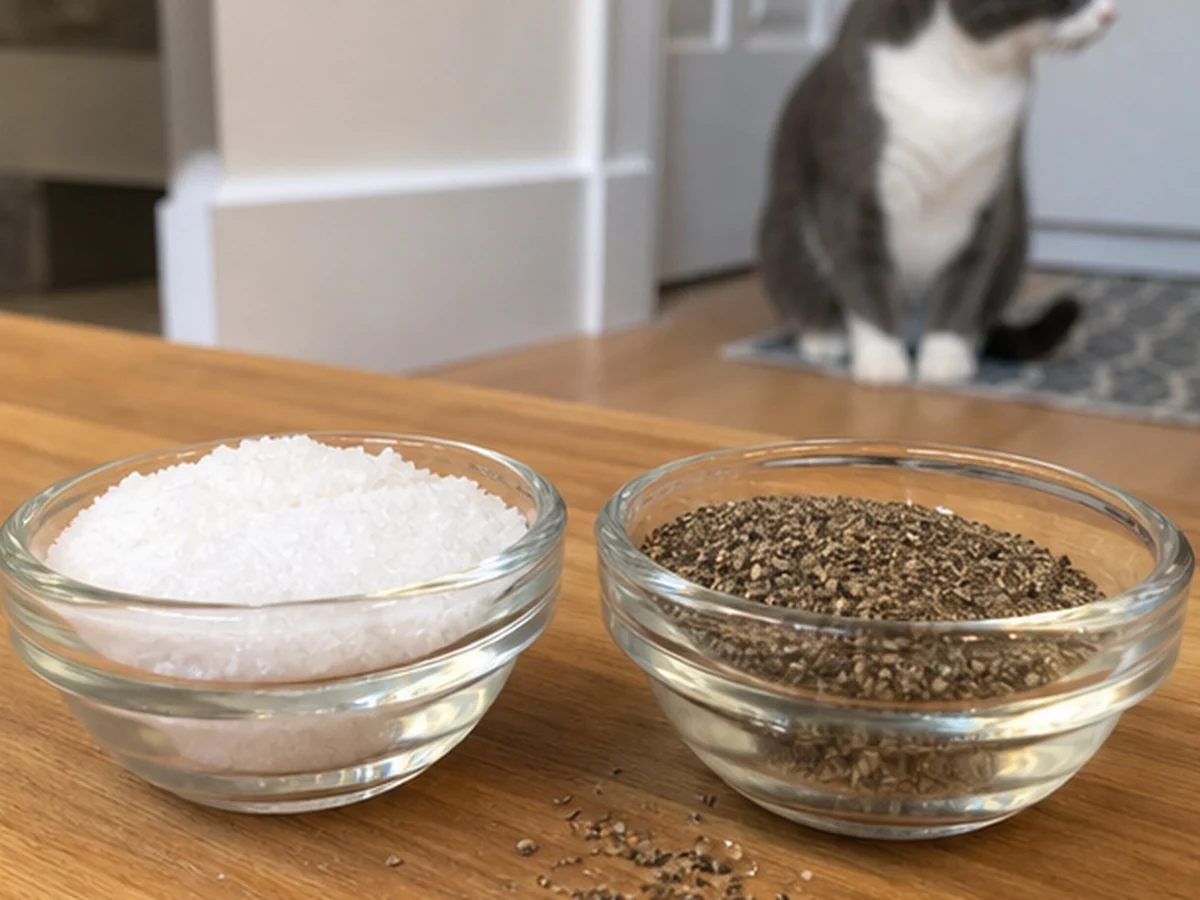
Cats need dietary sodium in a complete food, but they should not be given extra salt, and culinary pepper offers no benefit. A seasoning speck differs from salt dough, brine, seawater, ice melt, pepper dust, hot pepper, or a garlic-onion blend, so identify both substances separately.
Salt and pepper share a shaker set, not a toxicology profile
Salt is usually sodium chloride and can disrupt water and electrolyte balance in acute excess, especially when water is restricted. Black pepper is a pungent spice whose dust and particles can irritate eyes, nose, mouth, lungs, and stomach.
| Exposure | Primary concern |
| One seasoned crumb | Full recipe, minor irritation, sodium context |
| Salt pile or salt dough | Acute sodium excess, foreign material |
| Brine or seawater | Large liquid sodium exposure |
| Ground black pepper cloud | Eyes, airway, coat, grooming |
| Chile or cayenne | Capsaicin irritation, not black pepper |
| Seasoning blend | Garlic, onion, salt, other spices, packet |
Normal sodium belongs inside a formulated diet
Sodium supports fluid balance, nerves, and muscles, so the goal is not a sodium-free cat. Complete foods include it at levels intended for the species, life stage, and full formula.
FDA’s complete-and-balanced explanation shows why an isolated ingredient should not be judged outside the finished diet. Do not remove prescribed food because its label lists a sodium-containing ingredient.
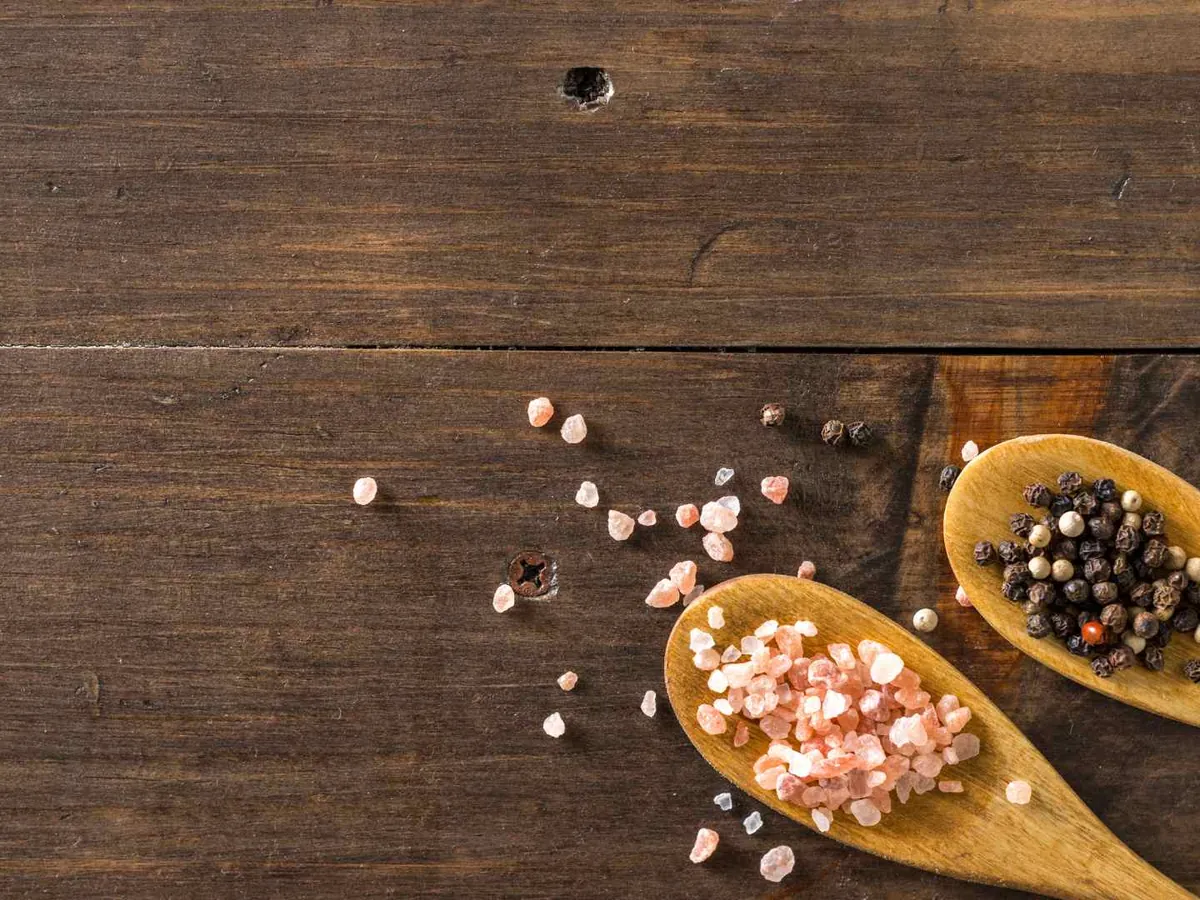
A salt speck and acute salt excess need proportion
One crumb from mildly seasoned food is unlikely to create salt poisoning in a healthy cat with water access, though the recipe may contain other concerns. A missing salt shaker, dough ornament, brine jar, or bowl of saline deserves a different response.
Estimate the maximum amount from container weight, spill size, recipe, and other animals present. Do not taste an unknown substance or assume the smallest pet took the smallest share.
Salt toxicosis involves the brain and water balance
Merck’s salt toxicosis review explains that excessive sodium chloride, particularly with limited water, can cause depression, weakness, poor coordination, tremors, gastrointestinal signs, and seizures.
Treatment must restore water and electrolytes carefully because rapid changes can worsen neurologic injury. That is why force-feeding large amounts of water or inventing an electrolyte recipe at home is unsafe.
Do not use salt to make a cat vomit
Salt has historically been misused as an emetic and can itself cause dangerous poisoning. Peroxide, mustard, fingers, and other household vomiting methods are also inappropriate for cats.
Call a veterinarian or animal poison service after a concerning ingestion and follow case-specific directions. The professional may weigh timing, substance, amount, aspiration risk, and current signs before choosing treatment.
Salt dough can contain an enormous load
Homemade ornaments, paw-print crafts, and play dough combine salt with flour and water, then add paint, glue, glitter, ribbon, wire, hooks, or varnish. A decorative bite is not ordinary bread dough.
Save the recipe and craft labels, count missing pieces, and call immediately after credible ingestion. Vomiting, diarrhea, marked thirst, weakness, wobbliness, tremors, seizures, or unusual behavior is urgent.
Brine is easy to drink quickly
Pickle liquid, olive brine, feta brine, canned-meat juice, sauerkraut liquid, and meat-curing solutions can deliver sodium in a form a cat laps rapidly. They may also contain garlic, onion, vinegar, spices, preservatives, or alcohol.
The pickle guide helps identify one common brine, but every jar needs its own label. A drained food can still retain salty liquid and seasoning.
Seawater and aquarium salt are not hydration
Beach water, saltwater pools, marine aquariums, and homemade salt mixes can expose a thirsty or playful cat to concentrated sodium plus microbes, algae, cleaners, fish medications, or other chemicals. Prevent drinking and preserve water-treatment labels.
Rinse external salt from paws with appropriate fresh water when safe, prevent grooming, and call about ingestion or signs. Do not encourage more seawater because the cat seems thirsty afterward.
Ice melt may not be plain sodium chloride
Deicing products can contain sodium, calcium, magnesium, potassium salts, urea, glycols, dyes, grit, or anti-caking ingredients. The front phrase pet friendly does not replace the product name and safety data.
Remove contaminated footwear, wipe or rinse paws as professionally directed, and prevent licking. The FDA pet-hazard list includes salt and stresses that toxicity depends on the animal, amount, and circumstances.
Human low-sodium labels are not feline prescriptions
FDA explains that sodium can hide in packaged foods and that serving size matters when reading Nutrition Facts. Human Daily Values cannot be converted into a cat allowance.
Cats with kidney, heart, urinary, blood-pressure, or sodium-managed conditions should receive treats approved for their actual diet. Low sodium, reduced sodium, sea salt, pink salt, and mineral salt are not automatic permissions.
Black pepper begins as a plant spice
Black, white, green, and red peppercorns can come from Piper nigrum at different ripeness or processing stages, while pink peppercorn may come from another plant. Pepper identity should not be guessed from a grinder blend.
FDA maintains a specific laboratory method for peppercorn spices, reflecting that whole spices can vary and carry defects or contamination. This human food-control context does not create a cat serving.
Pepper dust is an airway and eye irritant
A dropped grinder refill or spice jar can launch fine particles into the face and coat. Sneezing, squinting, coughing, drooling, or frantic grooming may follow even when little was swallowed.
Move the cat to clean air without sweeping powder upward, prevent grooming, and call for flushing or bathing instructions. Open-mouth breathing, persistent wheezing, blue-gray gums, collapse, or severe eye pain is urgent.
Whole peppercorns are hard little objects
A whole peppercorn can be batted, swallowed, or inhaled and may be an awkward choking item for a kitten or cat with swallowing disease. Grinder components, caps, and glass can disappear during the same spill.
Call for gagging, repeated swallowing, mouth pawing, coughing, vomiting, or a missing grinder part. Do not push fingers blindly into the throat.
Black pepper is not cayenne
Cayenne, chile powder, red pepper flakes, and hot sauce derive pungency largely from capsaicinoids, while black pepper’s pungency involves piperine. Calling both pepper does not make their irritation identical.
The spicy-food guide covers capsaicin products, mouth and eye exposure, and complete recipes. A cat licking hot sauce also encounters vinegar, salt, garlic, onion, and packaging.
Seasoning blends often matter more than pepper
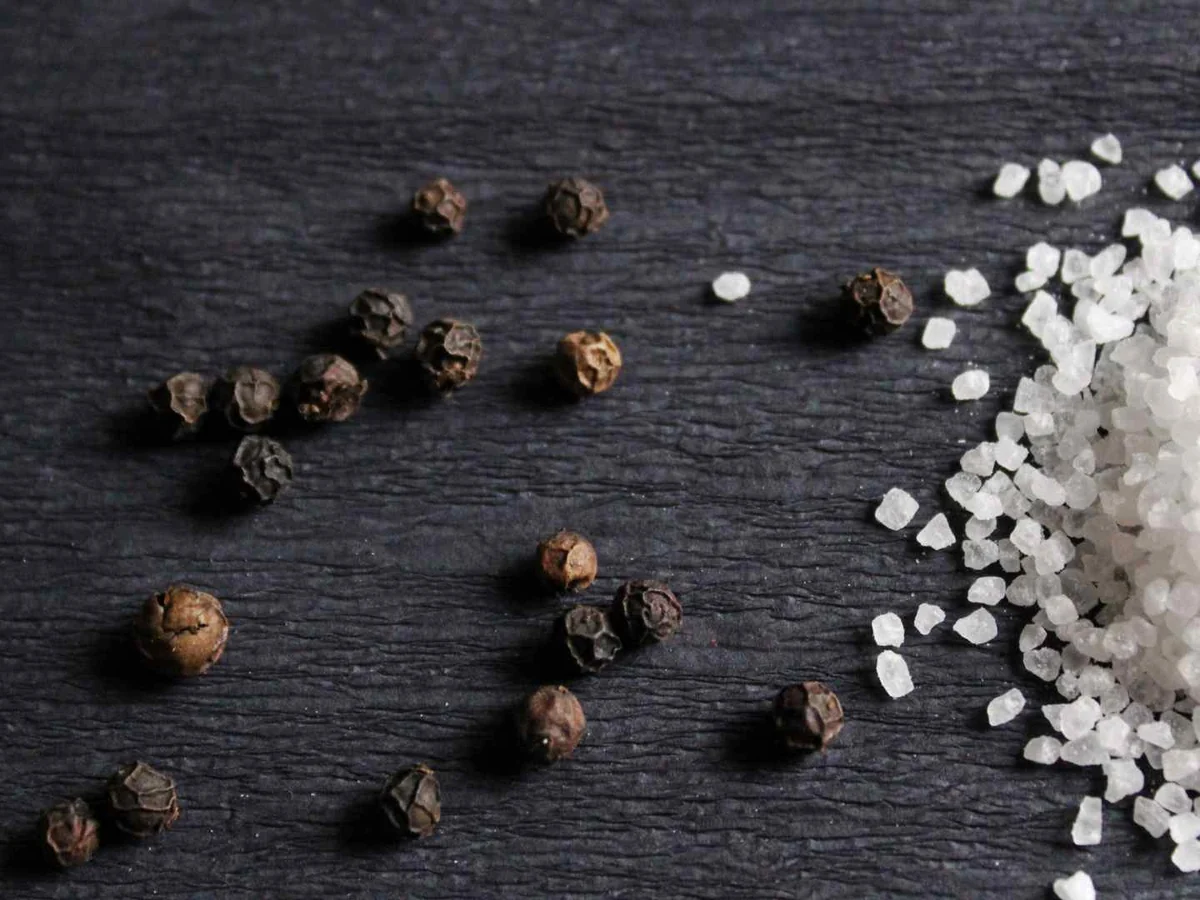
Steak seasoning, lemon pepper, garlic pepper, taco mix, bouillon, barbecue rub, and everything seasoning can include substantial salt, garlic, onion, citrus, chile, sugar, sesame, or flavor enhancers. Read the entire packet.
FDA guidance notes that dried onion and garlic must be named rather than hidden under the generic spice declaration in food labeling. Preserve the label and use the onion guide when Alliums appear.
Pepper supplements are not table seasoning
Piperine or black-pepper extract appears in human supplements to alter absorption of compounds such as curcumin. Concentrated boluses cannot be assessed like one grain from a shaker.
A review indexed by PubMed discusses drug-interaction concerns with isolated piperine, largely from human and animal evidence rather than feline dosing. Save the Supplement Facts and call after a cat chews a capsule bottle.
Salt and pepper foods bring the rest of dinner
Seasoned eggs, steak, fries, popcorn, deli meat, fish, soup, gravy, and crackers add fat, bones, breading, dairy, Alliums, sauces, heat, skewers, and wrappers. Inventory the entire food before blaming two visible granules.
A plain protein center may differ from its crust, but scraping cannot remove dissolved brine or powder. Keep the menu, recipe, and package nutrition panel for review.
Shakers, grinders, and packets create debris
Glass mills, ceramic cellars, metal lids, silica packets, paper sachets, foil seals, and plastic grinder teeth can cut or obstruct. Count every piece after a table raid.
Blood, limping, gagging, vomiting, abdominal pain, food refusal, or missing glass needs prompt assessment. Do not induce vomiting after suspected sharp material.
A salt lamp creates a different household pattern because a curious cat may return for repeated licks rather than take one obvious mouthful. It also adds a hot bulb, electrical cord, heavy base, and breakable object to the same incident.
Block access to the lamp and cord, check whether the surface is damp or visibly worn, and tell the veterinary team whether licking could have happened over hours or days. Recurrent thirst, vomiting, weakness, wobbliness, tremors, or behavior changes should never be dismissed as a quirky lamp habit.
Restaurant sachets and meal-kit packets can scatter beneath appliances where licking goes unnoticed. Search the floor before estimating exposure, photograph the packet code and ingredients, and count unopened packets instead of relying on memory after the kitchen has been cleaned.
The two-track response
- Separate the cat from salt, pepper, food, dough, brine, ice melt, tools, and packaging.
- Identify sodium source and concentration separately from black pepper, chile, or seasoning blend.
- Record maximum amount, time, water access, weight, conditions, product ingredients, objects, and signs.
- Call immediately for salt piles, dough, brine, seawater, ice melt, neurologic signs, breathing trouble, or unknown blend.
- Follow controlled water, cleanup, and monitoring advice without inducing vomiting or forcing fluids.
Frequently asked questions
Is a little salt in cat food dangerous?
No. Sodium is required and belongs in a properly formulated complete diet, while extra table salt and concentrated human foods are unnecessary.
What if my cat licked a salt pile?
Remove access and call promptly with the product, amount, time, water access, weight, and signs. Do not force a large water volume or make the cat vomit.
Can cats eat black pepper?
There is no reason to offer it. A speck is usually an irritation question, while powder clouds, whole peppercorns, extracts, and blends require closer assessment.
Are salt and pepper seasoning blends safe?
Not automatically. They can contain garlic, onion, chile, citrus, sugar, or substantial sodium, so the current ingredient panel and amount determine the response.
Bottom line
Normal dietary sodium is essential, acute salt excess can be dangerous, and culinary pepper is an avoidable irritant rather than a toxin twin. Salt dough, brine, seawater, ice melt, spice dust, hot pepper, extracts, blends, and broken shakers each require their own evidence-led response.