Can Cats Eat Paprika? Powder, Spice Blends, Capsaicin, and Spill Safety
Do not deliberately feed paprika to cats. A trace baked into food may cause no sign, but loose powder can irritate eyes and airways, hot paprika can contain more capsaicinoids, spice blends may hide onion, garlic, and salt, and extracts, oils, seasoned dishes, jars, and packaging create separate hazards.
A red powder needs its full label
Paprika can be sweet, hot, smoked, imported under different naming traditions, or blended with other spices. Save the jar, ingredient list, heat description, amount, time, and exposure route.
Move the cat away before cleanup and call for breathing trouble, severe eye pain, persistent vomiting, concentrated extract, unsafe blend ingredients, or missing glass. Do not induce vomiting.
Paprika comes from Capsicum fruit
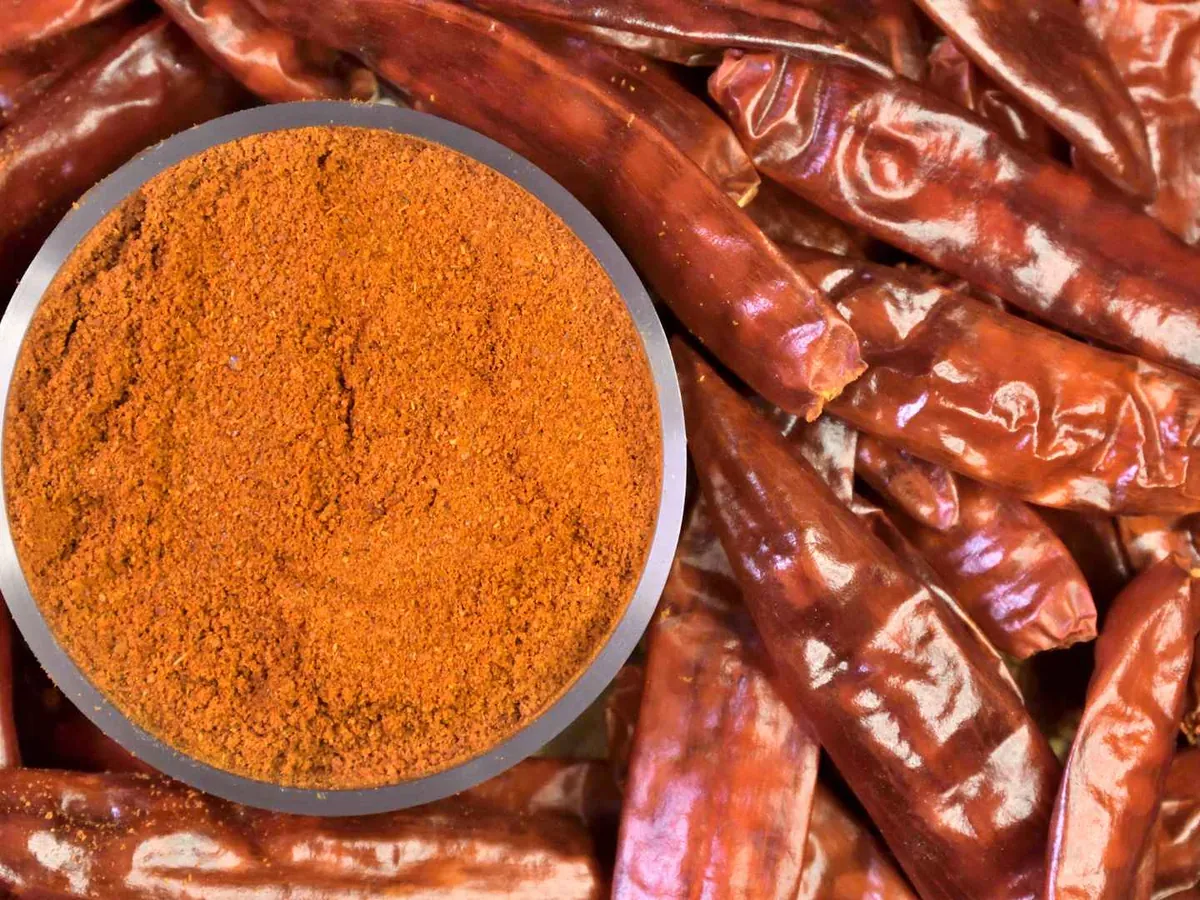
Paprika is ground dried pepper, but cultivar, processing, and blend determine heat and flavor. Color cannot reveal capsaicinoid concentration or added ingredients.
A culinary dusting is not a feline nutrient source. Cats do not need paprika for vitamins, antioxidants, circulation, or digestion.
Hot paprika adds capsaicin irritation
Capsaicin activates pain and heat receptors and can cause drooling, mouth pawing, vomiting, diarrhea, squinting, or frantic grooming. Cats can be exposed through food, paws, fur, hands, and cutting boards.
Do not force milk, bread, oil, or water into the mouth. Ask for decontamination guidance and seek emergency care for respiratory distress.
Sweet paprika is not an invitation
Sweet varieties may contain less capsaicin than hot types, but powder can still irritate and is unnecessary. A seasoning’s mildness to a person does not establish a feline serving.
After a tiny trace with no signs, monitoring may be advised once the blend is verified. Stop food sharing and call for persistent digestive or oral discomfort.
Smoked paprika brings product context
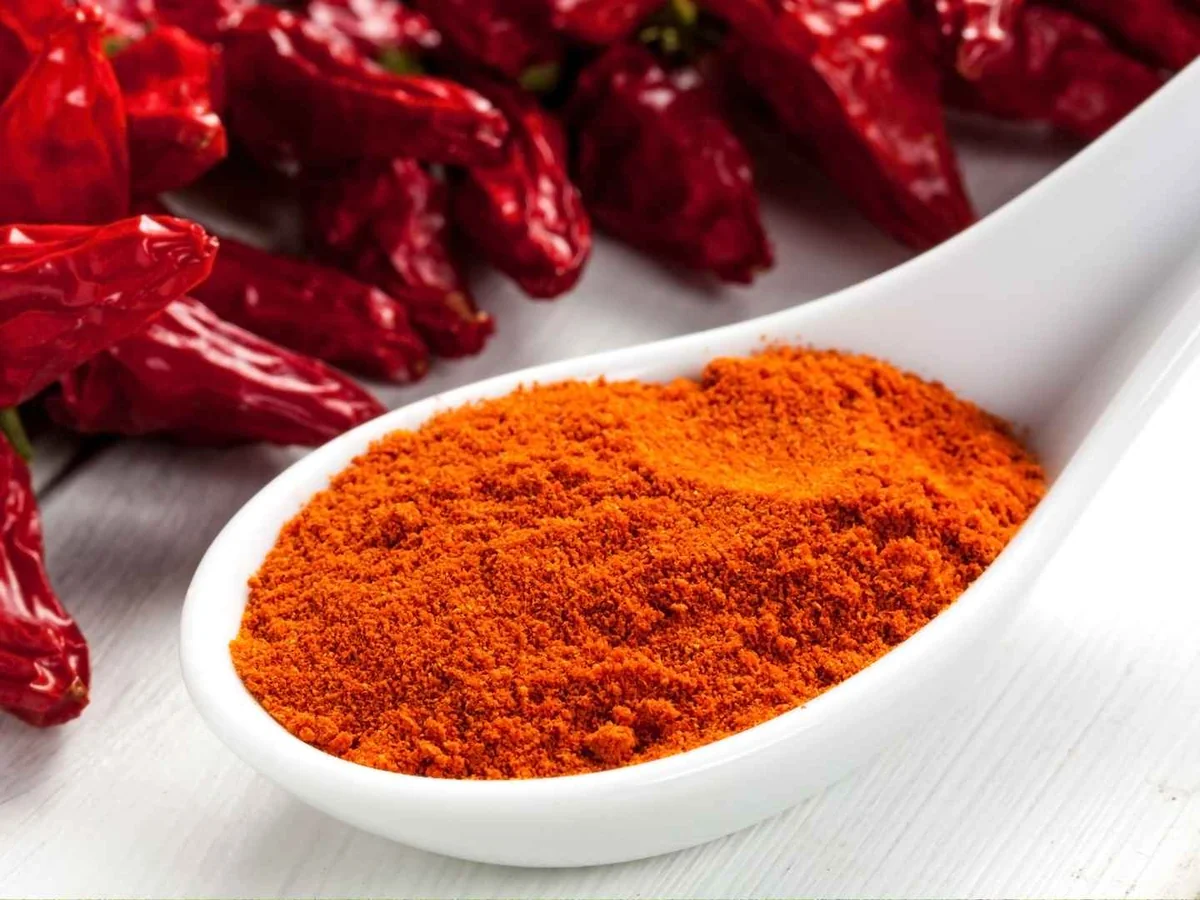
Smoked paprika reflects drying over smoke and may appear in rubs, sausages, chips, barbecue sauces, and stews. The finished dish can add salt, fat, Alliums, preservatives, and hot chile.
Do not treat “smoked” as a toxin by itself or as proof of safety. Read the complete recipe and identify cured meats or grill debris.
Spice blends hide Alliums and salt
Taco seasoning, barbecue rub, chili powder, Cajun blends, and seasoned salt may combine paprika with onion, garlic, salt, chile, cumin, sugar, or smoke flavor. Powdered Alliums can damage feline red cells.
Save the package and use the garlic guide for delayed anemia. Picking visible red dust from food cannot remove the blend.
Powder clouds are an airway event
A dropped jar, mixer, fan, or vacuum can launch fine particles into the nose, eyes, and lungs. Powder also coats paws for later grooming.
Move the animal into clean air, stop air movement, and damp-clean only after pets leave. Open-mouth breathing, blue-gray gums, collapse, wheezing, or severe cough is urgent.
Eyes require gentle handling
Do not rub the face or apply human eye drops. Call for flushing guidance if powder reaches the eye, particularly with persistent squinting, redness, discharge, cloudiness, or pain.
A cat in distress can scratch or bite, so avoid forceful home procedures. Transport in a secure carrier if examination is recommended.
Oleoresin and color extracts are concentrated
Paprika oleoresin and concentrated color or flavor preparations are not the same as pantry powder. Carriers, concentration, intended use, and co-ingredients vary.
Call after ingestion or coat contact and retain the technical or product label. Never apply concentrated pepper extract to discourage chewing or scratching.
Seasoned foods need whole-dish reasoning
Deviled eggs, potatoes, chicken, fish, rice, goulash, sausage, hummus, and dips can feature paprika while hiding the consequential ingredient. Onion, garlic, salt, fat, dairy, raw meat, and skewers may dominate risk.
The potato guide and pepperoni guide help identify common vehicles. Save the full recipe.
Spice jars create physical hazards
Glass shards, shaker inserts, foil seals, lids, labels, desiccant packets, and measuring spoons can disappear during a spill. Check paws and secure the cat before cleaning.
Never induce vomiting after possible glass or hard plastic. Call for bleeding, gagging, vomiting, pain, reduced stool, or food refusal.
Medical diets add another reason to skip it
Cats with asthma, gastrointestinal disease, anemia, kidney or heart disease, food allergy, or prescription diets need a low threshold for advice. Seasoned treats can disrupt controlled ingredients and sodium.
The FDA adequacy guide explains staple nutrition. A spice cannot improve a complete diet by casual addition.
Cleanup without creating a second cloud
Keep other animals away, turn off fans, lift broken glass carefully, and follow surface-safe cleanup. Do not use a leaf blower, dry broom, or compressed air.
Wash hands before touching cat food or eyes. Replace uncovered food and water inside the spill zone.
The paprika spill card
- Identify sweet, hot, smoked, blend, extract, food, or package.
- Record heat level, ingredients, amount, time, route, medical history, and symptoms.
- Move to clean air and prevent grooming without applying home solvents.
- Call for airway or eye signs, hot exposure, Alliums, extracts, severe illness, or foreign material.
- Do not induce vomiting or force capsaicin remedies.
Store spice jars in a stable closed cabinet rather than a decorative rack above the cat’s launch point. Culinary organization beats emergency vacuuming.
Paprika in pet treats requires finished-product reading
Color may come from paprika extract in a commercial treat, but the formula’s intended species, calories, adequacy statement, and feeding directions determine its role. One regulated ingredient listing does not authorize pantry powder.
Retain the package for lot information and check whether the item is complete food, supplemental, or a treat. Do not add extra paprika to intensify color or flavor.
The FDA explains how nutritional adequacy is communicated. Pantry seasoning cannot meet that standard by association.
Paprika can stain without proving tissue injury
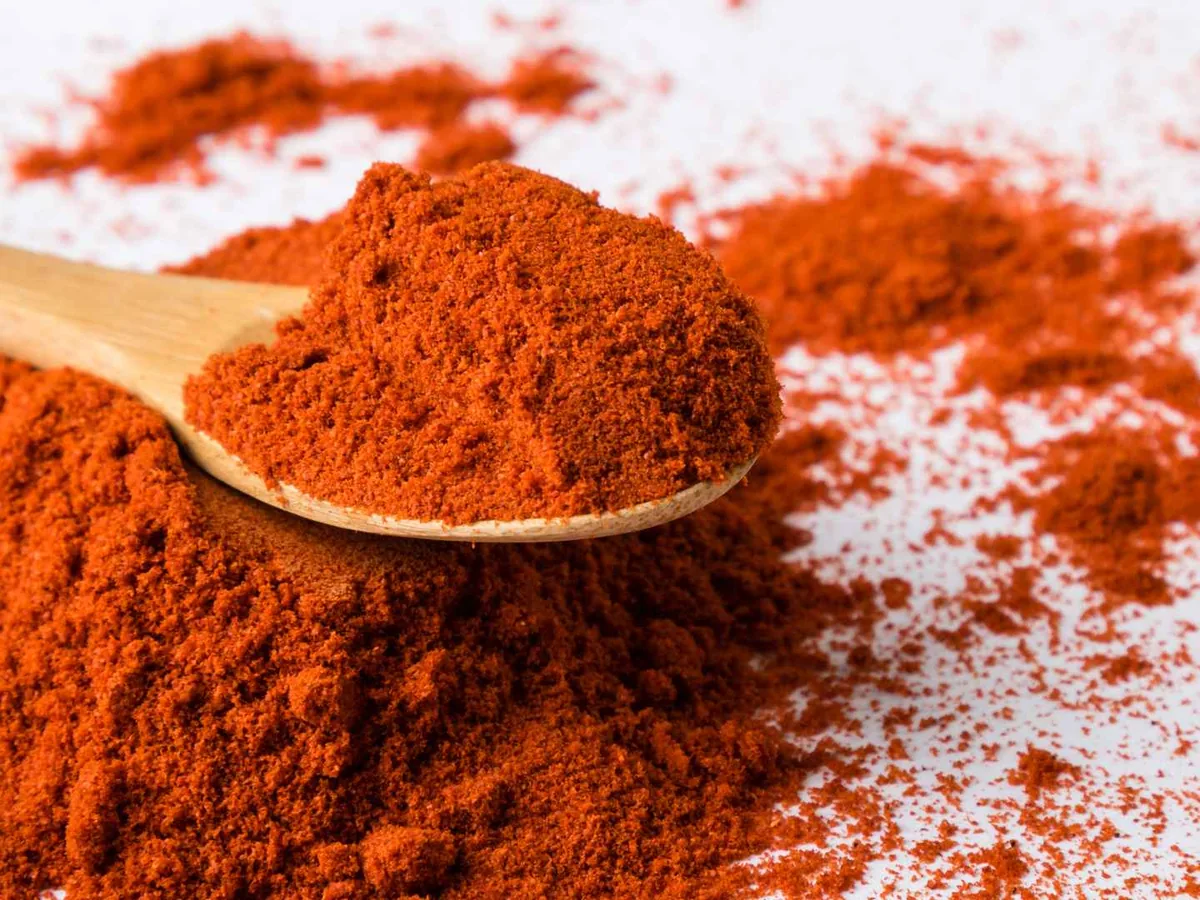
Red powder or oleoresin may discolor pale fur, fabric, saliva, or vomit, which can look dramatic. Color alone cannot distinguish a superficial stain from irritation, bleeding, or systemic illness.
Check breathing, eyes, mouth, skin comfort, alertness, and vomiting rather than scrubbing aggressively. If blood is possible or the cat seems ill, seek veterinary assessment.
Do not bleach stained fur, use makeup remover, or apply citrus cleaner. Prevent grooming and ask for a safe wash method.
Pepper spray is not culinary paprika
Self-defense products may contain concentrated capsaicinoids under pressure and cause severe eye, respiratory, and skin exposure. Treat them as chemical incidents, not seasoning spills.
Move to fresh air without contaminating yourself, call emergency veterinary care, and follow the product’s official first-aid guidance. Do not rub the eyes or drive residue across the coat.
The NIOSH capsaicin entry documents irritation hazards for people; it is not a feline dose guide but reinforces the need to avoid exposure and aerosols.
Hand-to-cat transfer is easy to miss
- Wash hands after handling hot pepper, spice blends, extracts, and oily dishes.
- Clean phone cases, faucet handles, cabinet pulls, and utensils touched during cooking.
- Do not touch contact lenses or a cat’s eyes until residue is removed.
- Keep spice-coated napkins and gloves inside a lidded bin.
A cat rubbing against a cook can acquire residue on fur and then groom it. Change contaminated clothing and prevent contact until cleanup is complete.
For another pepper form, the green-pepper guide separates bell pepper from hot chiles and ornamental plants.
The ASPCA people-food overview supports keeping dangerous seasoned ingredients such as onion and garlic away from pets. The blend label remains essential because paprika itself does not reveal them.
Paprika paste and pepper purée can contain oil, vinegar, salt, garlic, onion, preservatives, and much more pepper material than a dusting. Save the refrigerated tube or jar and report the amount lapped.
A greasy paste on fur prolongs grooming exposure and may not rinse with water alone. Ask for a safe cleaning plan instead of scrubbing a distressed cat with fragranced detergent.
Hot smoked sausages and cured meats can combine paprika with nitrite, salt, fat, garlic, onion, and casing material. A red exterior does not identify which component produced symptoms.
Paprika-colored chips and snacks also add brittle edges, oil, sodium, flavor powder, and flexible bags. Secure bags because suffocation can become the immediate danger during a snack raid.
A cat with asthma should be removed before anyone measures loose spice or cleans a spill. Even mild powder can aggravate an already sensitive airway without being a systemic poison.
Tell the clinic about inhalers, recent coughing, and baseline breathing. Video recorded from a safe distance may help show abnormal effort, but never delay transport for a perfect clip.
Do not use paprika to color homemade cat treats or make bland food more appealing. Complete commercial foods already control palatability and nutrients without a layer of airborne spice.
A cat refusing normal food needs diagnosis rather than increasingly fragrant seasoning. Track intake and call promptly, since prolonged poor eating can create serious secondary problems.
Paprika mixed into craft paint, dye, play dough, or homemade cosmetics is not a food exposure. Glue, salt, pigment, fragrance, preservatives, and small craft tools can change urgency, so preserve the full recipe and every product label.
Keep spice used for natural dye away from cat toys and bedding. A red stain does not justify repeated licking, and loose craft powder can become airborne during shaking or brushing.
Frequently asked questions
Can cats eat sweet paprika?
Do not offer it. A trace may cause no sign, but powder is unnecessary and can irritate eyes, mouth, airways, or digestion.
What if paprika got in my cat’s eye?
Prevent rubbing and call for safe flushing advice. Persistent squinting, redness, cloudiness, discharge, or pain needs urgent examination.
Is smoked paprika toxic to cats?
The whole product and amount matter. Smoked paprika is unnecessary, and foods containing it often add salt, onion, garlic, fat, or hot chile.
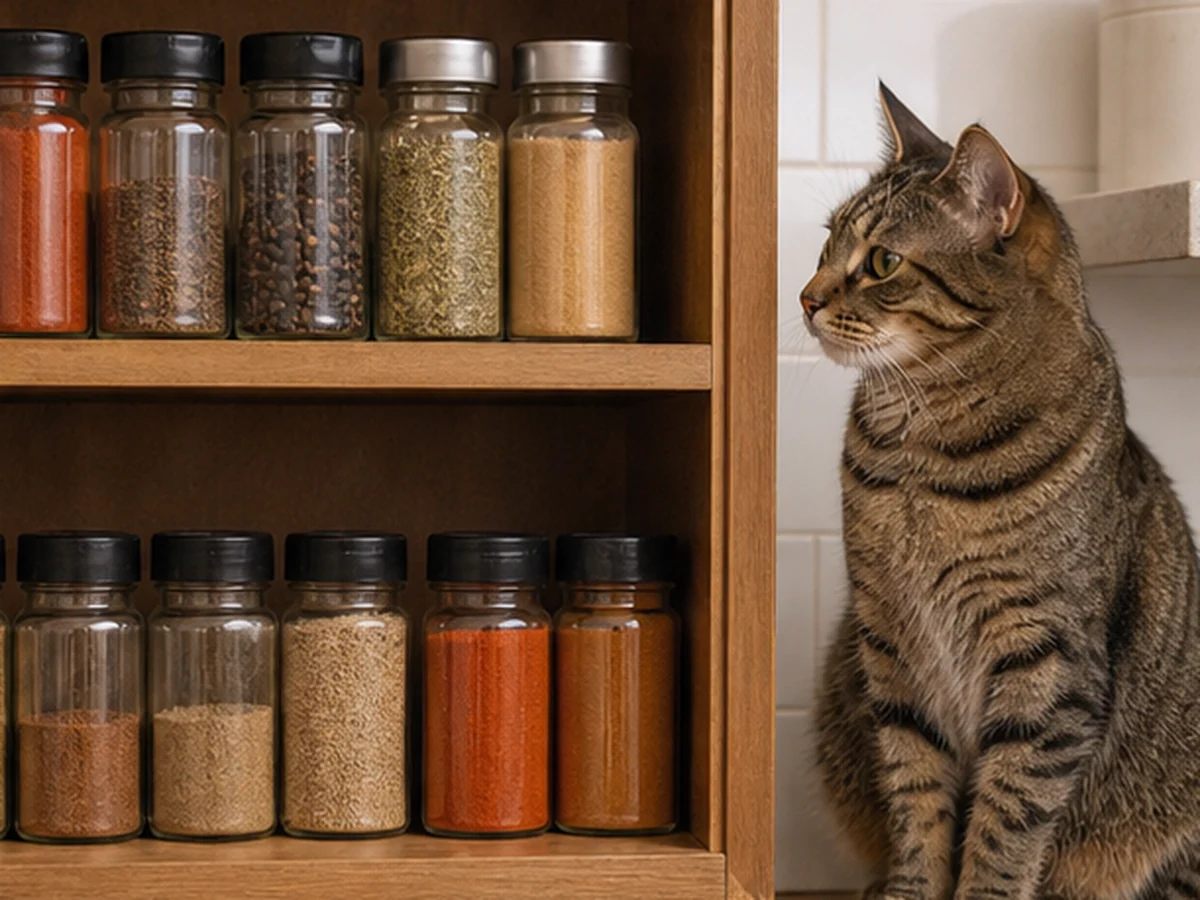
The spice-cabinet verdict
Paprika ranges from mild pantry powder to hot blends and concentrated extracts, so the label and exposure route matter. Protect eyes and airways, avoid capsaicin remedies, identify Alliums and finished dishes, count jar parts, and keep seasoning out of feline meals.