Can Cats Eat Chicken Liver? Raw vs. Cooked, H5N1, and Portions
Cats can eat plain fully cooked chicken liver in small amounts, but I would not feed it raw. Liver is concentrated nutrition, and raw poultry carries bacterial risk plus the current H5N1 concern that has caused severe and fatal illness in cats.
The quick chicken-liver verdict for cats
Plain fully cooked chicken liver can be an occasional treat for many healthy cats. It provides animal protein, vitamin A, B vitamins, iron, copper, and other nutrients in a very concentrated package.
That concentration is exactly why I keep the portion tiny. A complete cat food already contains balanced vitamins and minerals, and extra liver does not automatically improve a diet that is already complete.
I would cook chicken liver thoroughly, let it cool, cut it into small pieces, and serve it without butter, salt, onion, garlic, gravy, or sauce.
Raw chicken liver is not worth the H5N1 risk
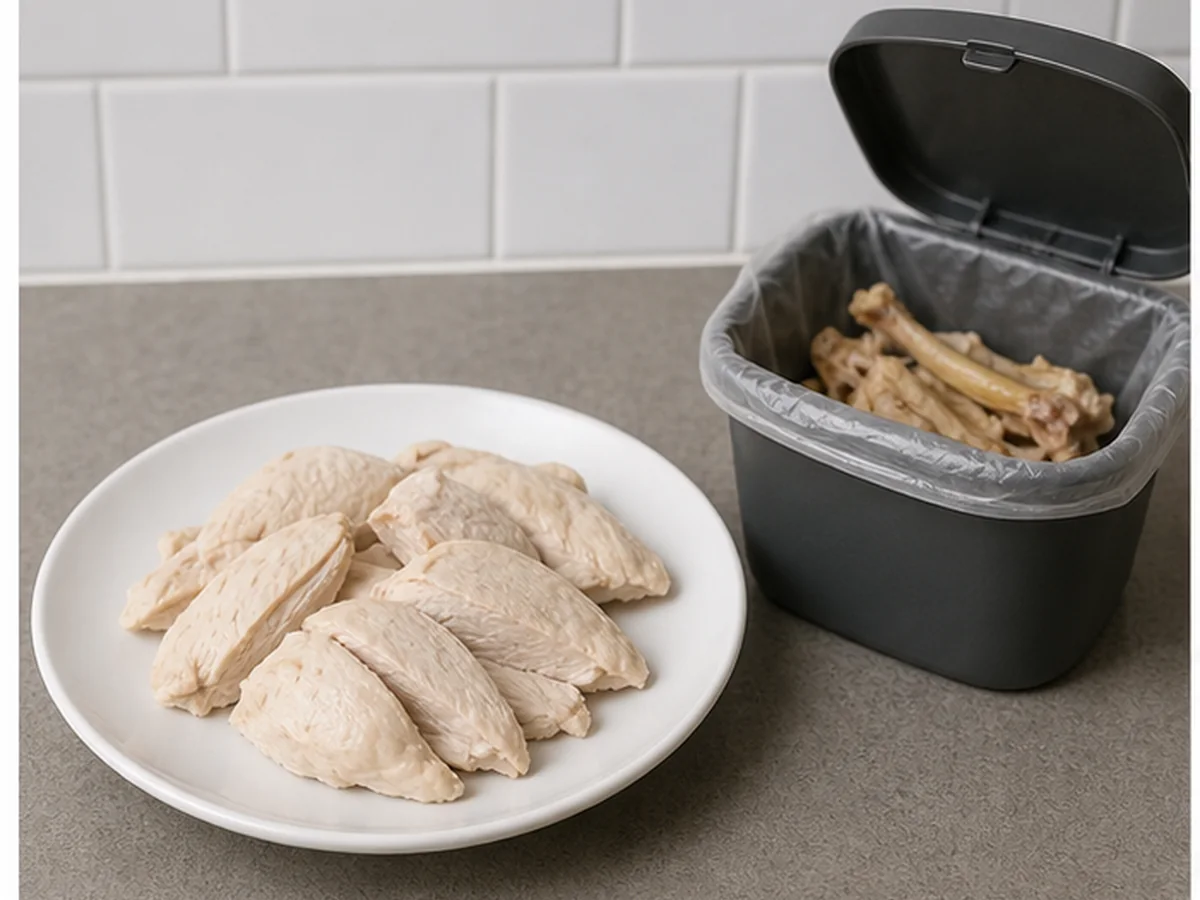
Cats are particularly susceptible to H5N1, and contaminated uncooked poultry products have been associated with severe feline disease and death. Raw poultry liver belongs in the same uncooked-poultry risk category as raw muscle meat.
Cooking poultry thoroughly is an important risk-reduction step. I would not use raw chicken liver as a nutritional shortcut when the cooked version provides the same basic ingredient without intentionally preserving the raw-food hazard.
Raw poultry can also carry Salmonella, Campylobacter, and other pathogens. H5N1 adds another reason to cook liver rather than replacing the familiar food-safety concerns.
What H5N1 illness can look like in cats
Fever, severe lethargy, loss of appetite, eye or nasal discharge, breathing difficulty, tremors, seizures, incoordination, or other neurologic changes after raw-poultry exposure deserves urgent veterinary evaluation.
A cat that suddenly becomes profoundly ill after eating raw poultry should not be managed as a simple upset stomach at home. Tell the veterinary team about the raw-food exposure before arrival so they can plan appropriately.
Freeze-dried raw chicken liver still counts as raw
Freeze-drying removes moisture but is not the same as thoroughly cooking the meat. Products marketed as freeze-dried raw should still be treated as raw unless the manufacturer describes a validated pathogen-kill step.
I would read the label rather than assume dry texture means cooked. Raw poultry can remain a food-safety concern in frozen, freeze-dried, or dehydrated forms.
Chicken liver is extremely rich in vitamin A
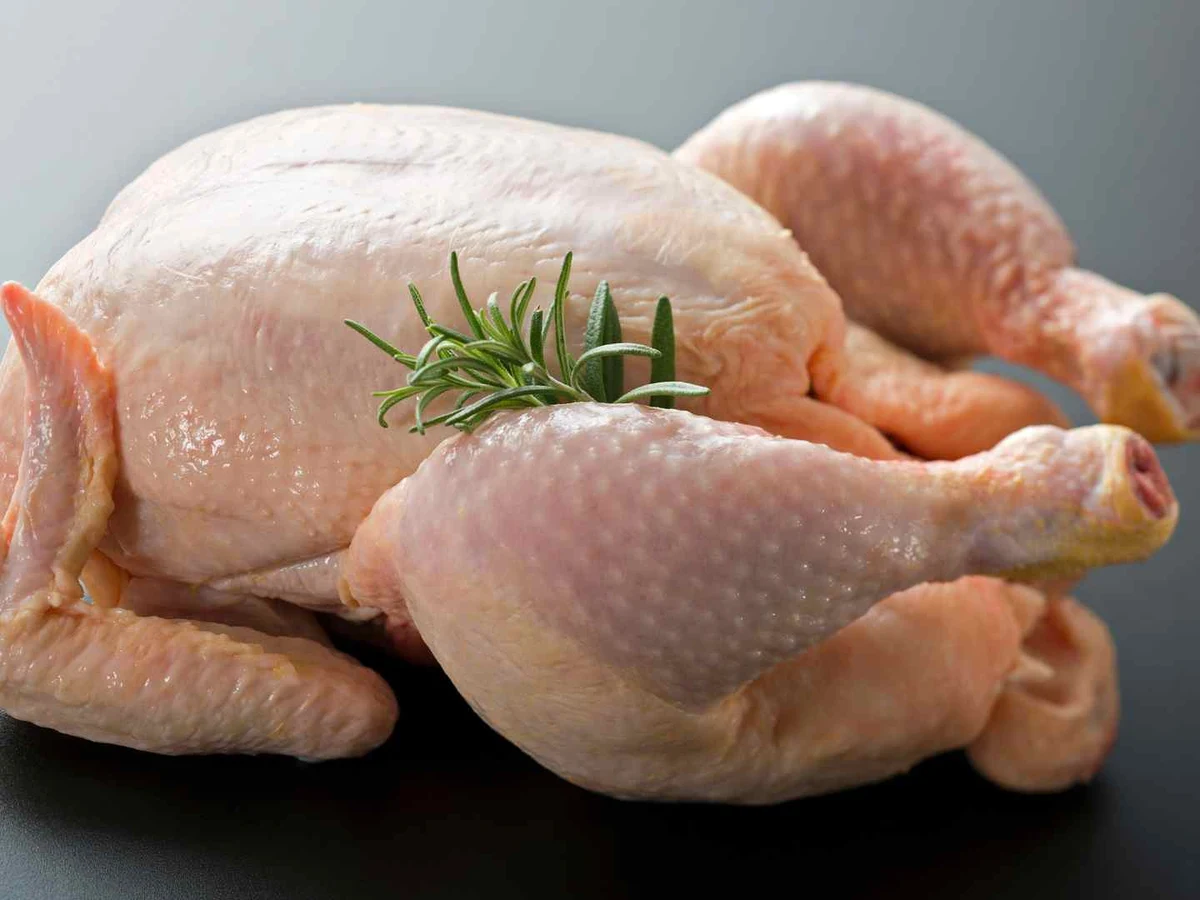
Cats need preformed vitamin A, and animal tissues such as liver provide it naturally. The problem is not that vitamin A is bad, but that liver contains enough that frequent large extra servings can push a balanced diet in the wrong direction.
Chronic excessive vitamin A intake can cause skeletal and joint problems. One small liver treat is completely different from feeding large portions every day for months.
I would not use liver as a daily vitamin supplement unless a veterinarian or qualified veterinary nutrition professional has formulated the complete diet around it.
Copper is another reason liver portions should stay modest
Liver contains copper along with iron and other minerals. Those nutrients are useful in appropriate amounts, but more is not automatically better when the cat’s regular food is already nutritionally complete.
Cats with liver disease or another condition requiring mineral management should not receive random organ-meat additions without veterinary guidance.
A large liver binge can upset the stomach
Chicken liver is rich and can cause vomiting, diarrhea, abdominal discomfort, or reduced appetite when a cat suddenly eats a large amount. Estimate the missing quantity honestly if a container was raided.
Repeated vomiting, marked lethargy, abdominal pain, or refusing food deserves veterinary attention. Cats should not go prolonged periods without eating when they are ill.
Cooked liver should be plain
Pan-fried chicken liver for people may contain butter, oil, bacon, salt, garlic, onion, wine, flour, or gravy. A cat-safe portion should be removed before those ingredients are added.
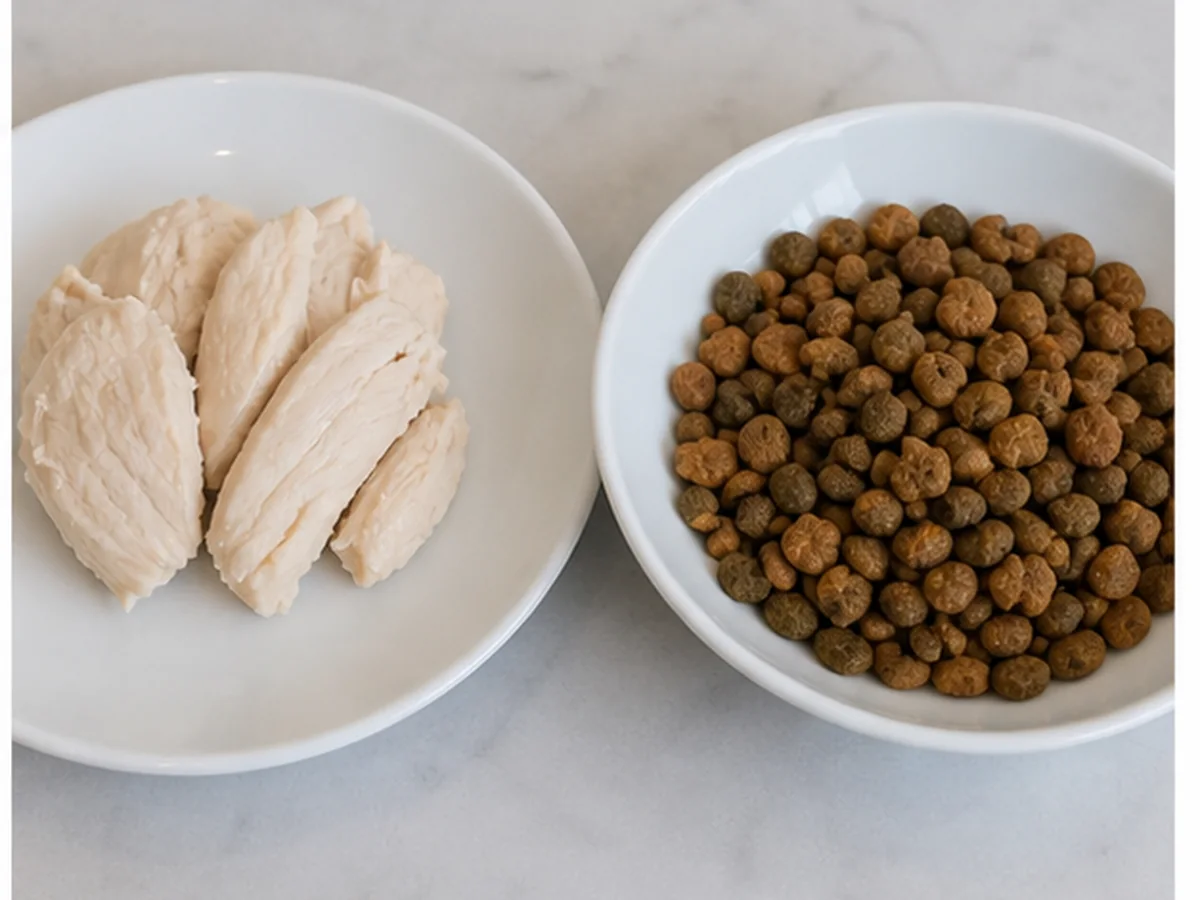
I prefer simple boiling, baking, or another thorough cooking method without seasoning. Let the liver cool completely before serving.
Liver and onions is especially unsafe for cats
Onion, garlic, shallots, chives, and leeks can damage feline red blood cells, and cats are particularly sensitive to alliums. A human liver-and-onions recipe should never become a cat treat.
Cooking the onions or garlic does not remove the allium risk. Smooth gravy can also contain onion or garlic powder even when no pieces are visible.
Weakness, pale gums, rapid breathing, increased heart rate, dark or reddish urine, reduced appetite, or collapse after a meaningful allium exposure deserves veterinary care.
Liver pâté is not plain liver
Human pâté can contain butter, cream, onion, garlic, alcohol, salt, herbs, and other seasonings. The smooth texture makes it particularly easy to overlook what is mixed throughout the food.
I would not scrape a little pâté onto cat food and call it organ meat. If the cat steals some, save the ingredient list and assess the whole recipe.
Chicken-liver treats should still fit the treat allowance
Treats and extras should generally remain a small portion of daily calories unless the veterinary team recommends another target. Liver’s nutritional density makes portion control important even when the calorie count looks modest.
A few tiny pieces can be plenty for a cat. There is no prize for turning an occasional organ-meat reward into half the meal.
Kittens can have cooked liver only as a tiny extra
Kittens need complete growth food with precise protein, amino-acid, vitamin, and mineral balance. A tiny plain cooked liver piece may fit as an occasional treat but should never displace the diet formulated for growth.
I would avoid raw chicken liver in kittens for the same pathogen and H5N1 reasons that apply to adults, with even less interest in adding unnecessary infectious-disease risk during growth.
Cats on prescription diets need a stricter answer
Kidney, liver, gastrointestinal, urinary, allergy, and weight-management diets are designed around specific nutrient targets. Organ meat added casually can undermine those goals.
If your cat eats a therapeutic diet, ask whether liver fits before making it a recurring treat. The prescription food should do the nutritional heavy lifting.
What to do if your cat ate raw chicken liver
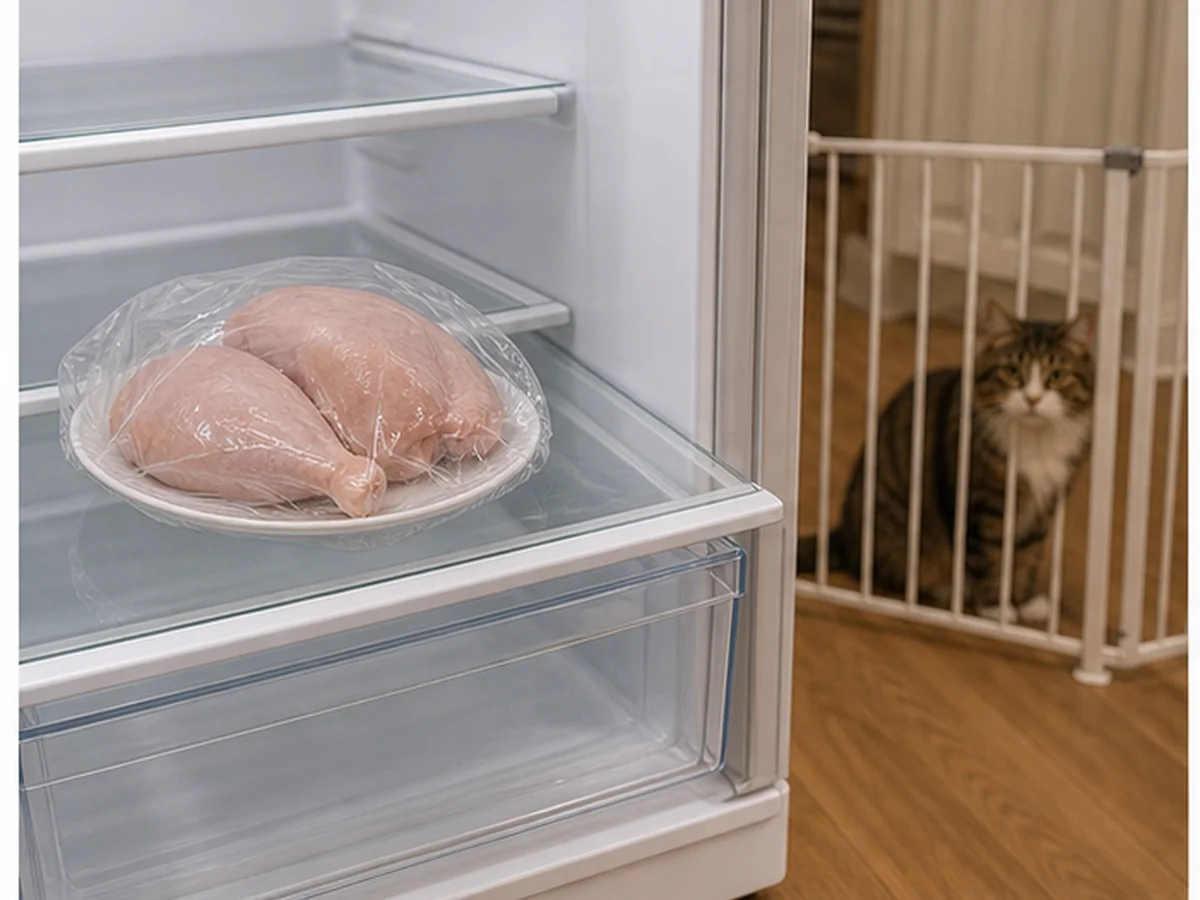
- Remove the remaining raw poultry and clean contaminated surfaces.
- Estimate the amount eaten and the time.
- Save the product packaging or raw-food label if one exists.
- Note whether the product was fresh raw, frozen raw, freeze-dried raw, or dehydrated raw.
- Watch closely for gastrointestinal, respiratory, neurologic, or severe systemic illness.
- Call promptly if the cat becomes ill or if a known raw-pet-food advisory or H5N1 concern applies to the product.
What to do after a large cooked-liver raid
If a healthy cat eats a much larger amount of plain cooked liver than intended, remove the rest and monitor for vomiting, diarrhea, abdominal discomfort, or appetite loss.
Call sooner if the liver was seasoned with alliums, the cat has an underlying medical condition, or significant symptoms develop. A one-time binge is different from chronic vitamin A overfeeding, but both deserve proportionate attention.
How I would serve chicken liver on purpose
I would cook the liver thoroughly without seasoning, let it cool, and cut one tiny piece. The remainder would be stored safely rather than left where a cat can convert “one treat” into an organ-meat buffet.
If liver is already part of the cat’s complete food, I do not assume extra liver is nutritionally necessary. Sometimes the best supplement to a balanced diet is leaving it balanced.
Frequently asked questions
Can cats eat cooked chicken liver?
Yes, a tiny amount of plain fully cooked liver can be an occasional treat for many healthy cats.
Can cats eat raw chicken liver?
I would avoid it because raw poultry can carry bacteria and H5N1, which can cause severe illness in cats.
Can cats eat freeze-dried raw chicken liver?
I would treat a product labeled freeze-dried raw as raw unless the manufacturer describes a validated kill step. Drying alone should not be assumed to equal cooking.
Can cats eat chicken liver every day?
I would not add large daily servings to an already complete diet because liver is concentrated in vitamin A, copper, and other nutrients.
Can kittens eat chicken liver?
A tiny amount of plain cooked liver can fit as an occasional treat, but it should not displace complete kitten food during growth.
Bottom line
Plain fully cooked chicken liver can be an occasional nutrient-dense cat treat, but portions should stay tiny because liver is rich in vitamin A and other nutrients. I would avoid raw, frozen raw, and freeze-dried raw poultry because of bacterial and H5N1 concerns, and I would never use an onion- or garlic-seasoned liver recipe.