Holiday Baking Ingredients That Are Dangerous to Cats
Holiday baking creates a counter full of things cats were never meant to sample. Chocolate, cocoa powder, coffee, alcohol, raw yeast dough, onion, garlic, rich frosting, wrappers, string, and raw batter are the ingredients I watch most closely.
My holiday baking rule for cats
I keep cats out of the active baking area and treat ingredients differently from finished food. A lick of frosting, a mouthful of cocoa powder, and a piece of rum cake are all different exposures even though they came from the same kitchen.
Cats also have a habit of caring more about ribbon, parchment, string, and food-smeared packaging than the dessert itself. My ingredient inventory therefore includes nonfood items from the start.
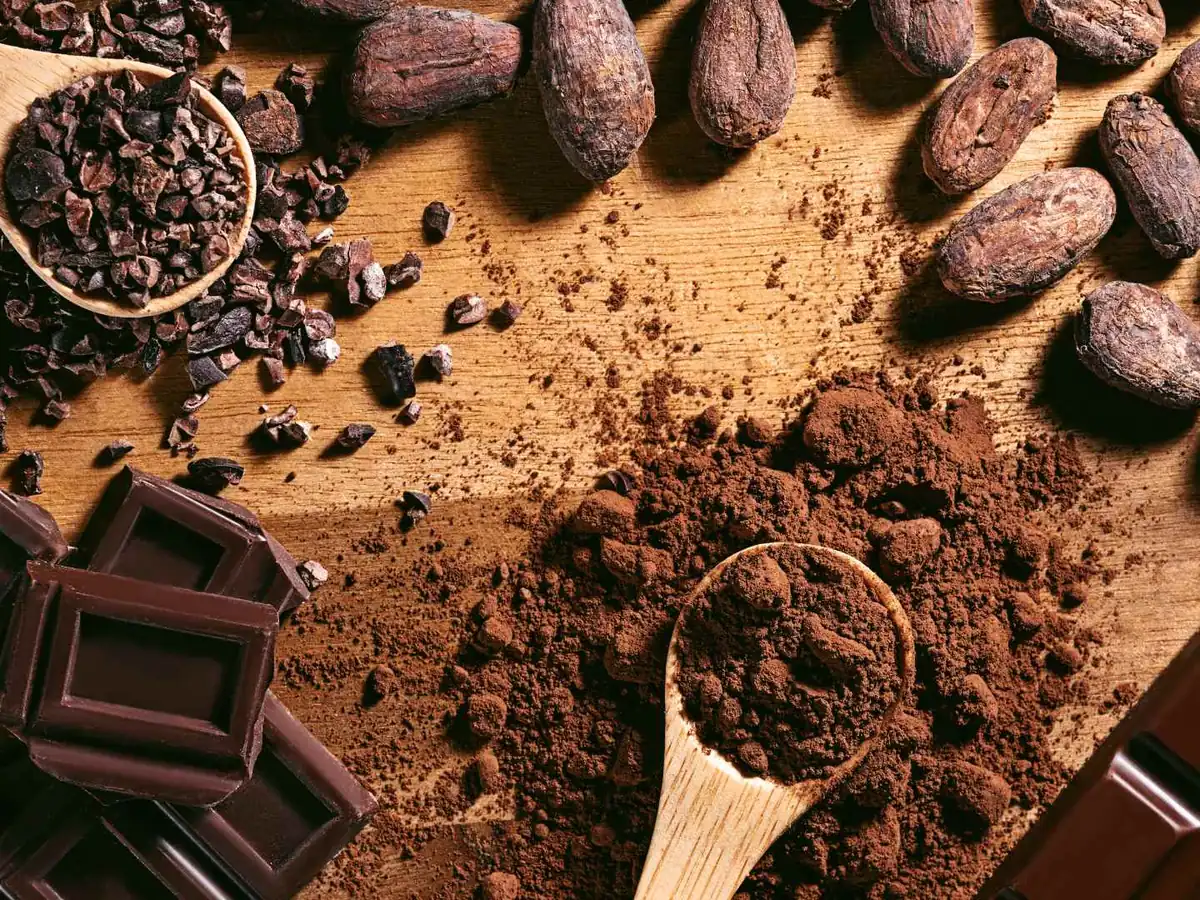
Chocolate and cocoa powder are unsafe for cats
Chocolate contains the methylxanthines theobromine and caffeine. Cocoa powder, unsweetened baking chocolate, and dark chocolate are more concentrated than milk chocolate.
If a cat eats a meaningful amount, save the package, estimate the weight missing, and call with the timing. Vomiting, restlessness, rapid heart rate, tremors, seizures, weakness, or collapse deserves urgent veterinary attention.
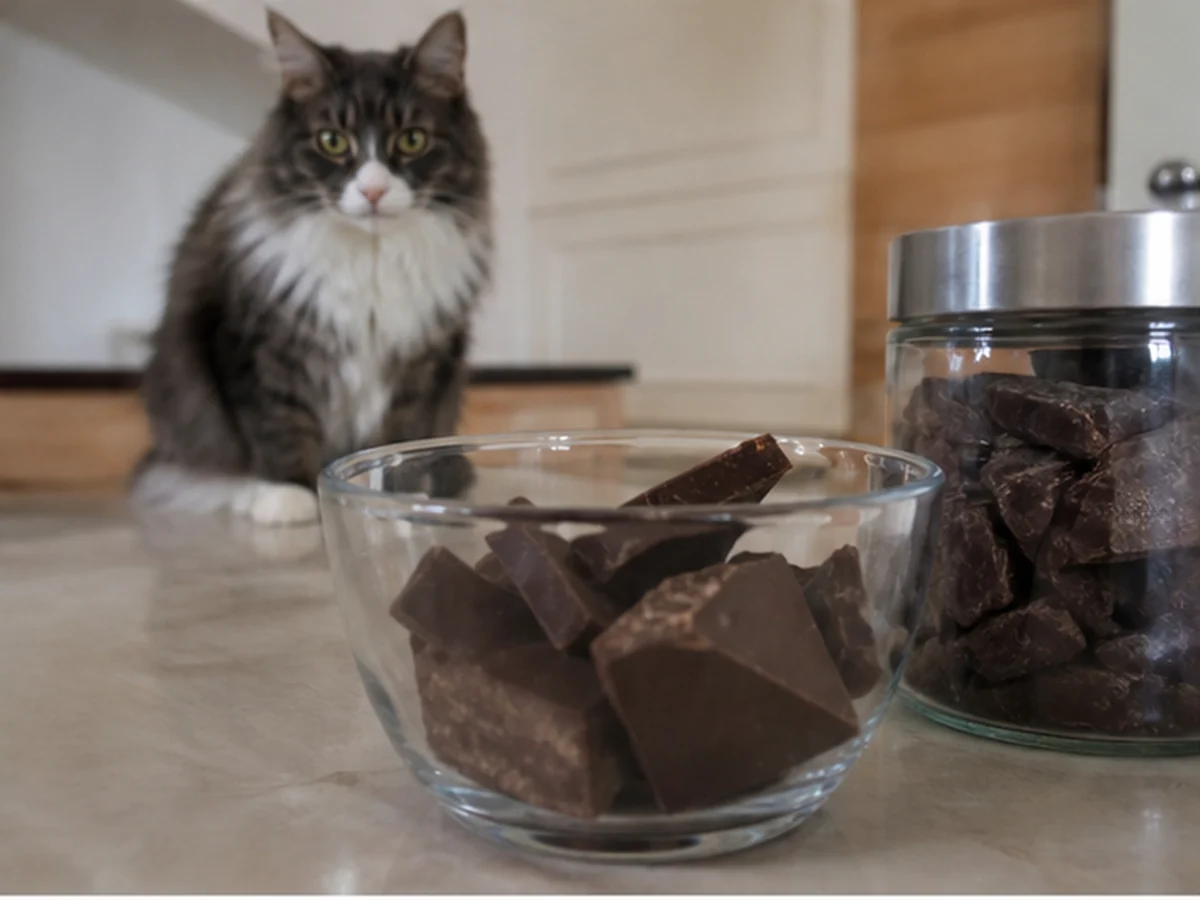
Cats may be less likely than dogs to raid sweets, but that does not make swallowed chocolate safer. Risk depends on dose and concentration, not the cat’s reputation for ignoring desserts.
Cocoa powder is especially concentrated
Unsweetened cocoa powder can contain substantial methylxanthines in a small volume. A few tablespoons spilled on the floor can matter far more than a few crumbs of milk chocolate.
I would not wait for obvious signs after a known large cocoa exposure. Early veterinary advice is more useful than discovering later that a small cat received a large milligram-per-pound dose.
Baking chocolate and dark chips deserve the same caution
Baking chocolate and dark chocolate chips are concentrated sources of cocoa solids. Use package weight and cocoa percentage when available rather than counting individual squares or chips.
White chocolate contains much less theobromine but remains rich in fat and sugar. A large amount can still cause gastrointestinal upset and is not useful cat food.

Coffee and espresso can hide in desserts
Tiramisu, mocha brownies, espresso frosting, coffee cookies, chocolate-covered espresso beans, and coffee syrups can expose cats to caffeine. Small body weight means a human-sized serving can create a relatively large dose.
Rapid heart rate, agitation, tremors, seizures, overheating, or collapse after caffeine exposure deserves urgent care. Save milligram-per-serving information from the package whenever possible.
Coffee grounds and beans should also stay out of the trash a cat can access. The cat does not need to eat a decorated dessert for caffeine to become part of the story.
Alcohol can hide in cake, fillings, extracts, and soaking syrup
Rum cake, bourbon balls, brandy fruitcake, liqueur truffles, extracts, and dessert sauces can contain ethanol. Baking may reduce some alcohol, while post-bake soaking can leave a meaningful amount in the finished dessert.
A small cat needs very little alcohol for the dose to become important. Vomiting, unusual sleepiness, poor coordination, weakness, low body temperature, breathing depression, or collapse deserves urgent veterinary care.
Save the recipe and identify whether alcohol was added before or after baking. “It was baked” does not automatically mean alcohol-free.
Raw yeast dough can expand and produce alcohol
Unbaked yeast dough can expand in the warm stomach and produce ethanol as it ferments. This creates risks of dangerous stomach distension and alcohol poisoning.
Abdominal swelling, repeated retching, unusual sleepiness, poor coordination, weakness, low body temperature, or collapse after raw dough deserves urgent care. A cat can become sick before the bread ever reaches the oven.
Fully baked bread is a very different exposure. The raw yeast is what makes unbaked dough particularly concerning.
Raw batter adds pathogen risk
Raw eggs can carry harmful bacteria, and raw flour is not a ready-to-eat product and can also be contaminated. A tiny accidental lick does not guarantee illness, but raw batter is not a cat treat.
Batter can also contain chocolate, raisins, coffee, alcohol, or other ingredients that matter more than the raw flour. Save the recipe after a raid rather than reducing the exposure to “raw dough.”
Repeated vomiting, bloody diarrhea, fever, marked lethargy, dehydration, or refusal to eat after raw-food exposure deserves veterinary attention.
Raisins and dried currants do not belong in cat food
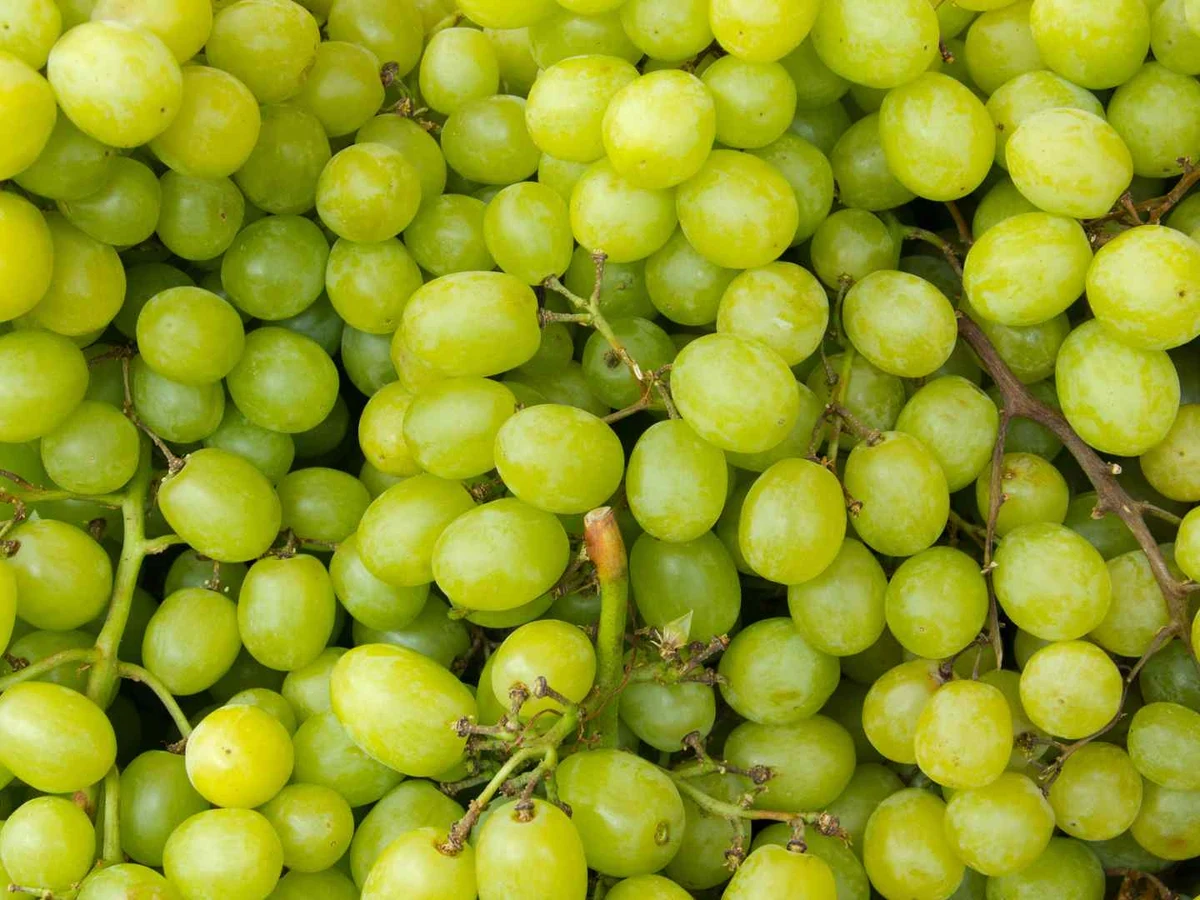
Raisins, sultanas, and Zante or Corinth currants are dried grape products. The unpredictable acute kidney injury syndrome is best established in dogs, while feline susceptibility is less clearly defined.
That uncertainty is not a reason to feed dried grapes to cats. If a cat eats a meaningful amount from fruitcake, buns, cookies, or bread, save the package and call for veterinary advice.
Fresh red and black currants are botanically different from Zante currants. Holiday recipes that list currants often mean the dried grape product.
Onion and garlic can hide in savory holiday baking
Savory biscuits, stuffing bread, cheese rolls, meat pies, focaccia, crackers, and pastries may contain onion, garlic, shallots, chives, or leeks. Cats are particularly sensitive to alliums.
Allium compounds can damage feline red blood cells and cause delayed anemia. Cooking onion or garlic into dough does not remove the risk.
Weakness, pale gums, rapid breathing, dark or reddish urine, reduced appetite, or collapse can occur after a meaningful exposure. Save the recipe rather than relying on whether visible onion pieces remain.
Rich frosting and cream fillings can upset the stomach
Buttercream, cream cheese frosting, whipped cream, ganache, pastry cream, and custard are high in fat and calories. Many adult cats also tolerate lactose poorly.
A tiny lick may only cause mild gastrointestinal upset, while a large amount can cause vomiting or diarrhea and is especially inappropriate for cats with pancreatitis or obesity.
Chocolate frosting creates a methylxanthine exposure, while coffee or alcohol frosting adds separate risks. The color of the icing does not tell you the full recipe.
Nutmeg and cinnamon are concentration questions
Nutmeg contains myristicin and can cause neurologic and cardiovascular signs after a sufficiently large concentrated exposure. One light dusting in a dessert is very different from eating a spice container.
Small culinary amounts of cinnamon are generally more likely to irritate than poison, while inhaled powder can cause coughing and oral irritation. I would not intentionally season cat treats with either spice.
The finished recipe may contain more important hazards such as chocolate, raw yeast dough, dairy, raisins, or alcohol. I would judge the whole dessert.
Nuts are usually about fat, mold, and choking
Walnuts, pecans, almonds, pistachios, and other nuts are calorie-dense and difficult for cats to chew. Salted or seasoned nuts add sodium and spices.
Moldy nuts can contain tremorgenic mycotoxins and can cause vomiting, tremors, seizures, or other neurologic signs. If a cat eats moldy nuts and becomes abnormal, seek care promptly.
Macadamia toxicosis is best established in dogs, but macadamias still offer no useful feline nutrition. I would keep all nut-heavy desserts away from cats.
Baking wrappers and decorations can become feline foreign bodies
Cupcake liners, parchment, foil, ribbon, string, plastic piping tips, skewers, toothpicks, cake toppers, and decorative wire can be chewed or swallowed. Cats may be more interested in the moving decoration than the food.
String and ribbon deserve special caution because they can act as linear foreign bodies. Do not pull visible string from the mouth or rectum if it appears stuck.
Repeated vomiting, sudden appetite loss, hiding, abdominal pain, or visible string after a baking-area raid deserves prompt veterinary attention.
Do not try to make a cat vomit at home
Hydrogen peroxide should not be used to induce vomiting in cats. Salt, mustard, oil, and other improvised home methods can also cause injury and are not substitutes for veterinary decontamination.
Call with the exact ingredient, amount, timing, and symptoms. The veterinary team can decide whether observation, imaging, laboratory testing, or treatment is appropriate.
What to do after a holiday baking raid
- Save packages and recipes.
- Identify chocolate, cocoa, caffeine, alcohol, raw yeast dough, raisins, currants, onion, garlic, and rich dairy.
- Estimate the maximum amount missing.
- Count string, ribbon, wrappers, parchment, toothpicks, and plastic pieces.
- Record the time and symptoms.
- Call promptly for chocolate, caffeine, alcohol, raw yeast dough, significant alliums, string, sharp objects, or a large unknown amount.
How I cat-proof a baking day
I keep the cat out of the kitchen during active mixing and move cooling racks, chocolate, raisins, coffee, alcohol, and raw dough behind closed doors. Packaging and string go into the trash as soon as I am done with them.
If I want the cat involved, I use a normal cat treat in another room. The cat does not need to know there was ever a bowl of brownie batter on the counter.
Frequently asked questions
Can cats eat chocolate baking ingredients?
No. Cocoa powder, baking chocolate, dark chocolate, and chocolate chips contain methylxanthines and can cause serious illness after a meaningful dose.
Can cats eat raw cookie dough?
I would avoid it. Raw flour and egg can carry pathogens, while the dough may contain chocolate, raisins, coffee, alcohol, or other concerning ingredients.
Why is yeast dough dangerous to cats?
Raw yeast dough can expand in the stomach and produce ethanol during fermentation, creating both distension and alcohol-poisoning risks.
What holiday baking exposures are emergencies for cats?
Chocolate, caffeine, alcohol, raw yeast dough, significant onion or garlic exposure, string, ribbon, sharp objects, and large unknown raids deserve prompt professional advice.
Bottom line
Holiday baking creates several feline hazards in one room, and the biggest are concentrated chocolate, caffeine, alcohol, raw yeast dough, alliums, raw batter, rich dairy, string, and swallowed packaging. Keep the cat out of the baking zone, save labels after a raid, and never use dog-style home vomiting methods on a cat.