Can Cats Have Peppermint? Leaves, Oil, Extract, Candy, and Pennyroyal
Cats should not be fed peppermint, especially peppermint oil, extract, or concentrated products. A tiny culinary-leaf nibble differs from essential oil on fur, a diffuser spill, alcohol-based extract, mint candy, toothpaste, or pennyroyal, so identify the plant and product before deciding what to do.
Mint names are a thicket
Peppermint is Mentha × piperita, but labels may say mint, spearmint, peppermint flavor, wintergreen, catmint, catnip, or pennyroyal. Similar smells and common names do not make those plants or oils interchangeable.
| Item | Primary concern |
| Fresh peppermint leaf | Essential oils, plant material, amount |
| Dried tea or herb | Concentrated plant, bags, string, blends |
| Peppermint extract | Alcohol, concentrated flavor, bottle |
| Essential oil | Skin, oral, inhalation absorption, systemic toxicity |
| Candy or gum | Sweeteners, chocolate, wrappers, sticky shape |
| Pennyroyal product | Different plant and potentially severe oil toxicity |
Culinary leaf and essential oil need different language
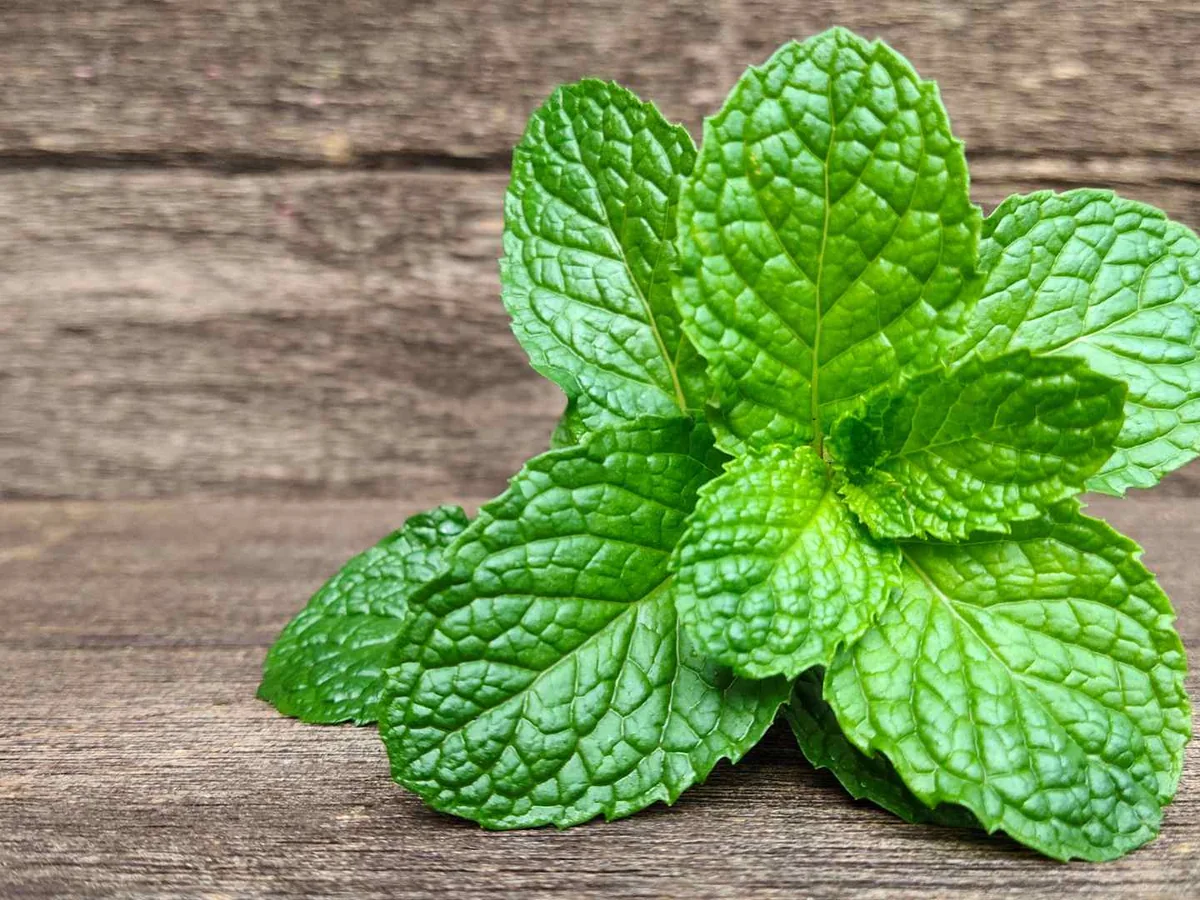
ASPCA lists garden mint as toxic to cats because of essential oils and reports vomiting and diarrhea with large ingestions. That entry does not justify describing one leaf speck like a concentrated oil spill.
Remove access and call for a meaningful plant ingestion, repeated vomiting, diarrhea, lethargy, or an uncertain mint species. Do not plant a mixed mint pot where labels disappear and a curious cat becomes the botanist.
A kitten or cat with chronic bowel disease may become dehydrated more quickly after repeated gastrointestinal signs. Bring a plant photo and sample in a sealed container rather than relying on leaf shape alone.
Peppermint oil can enter by several routes
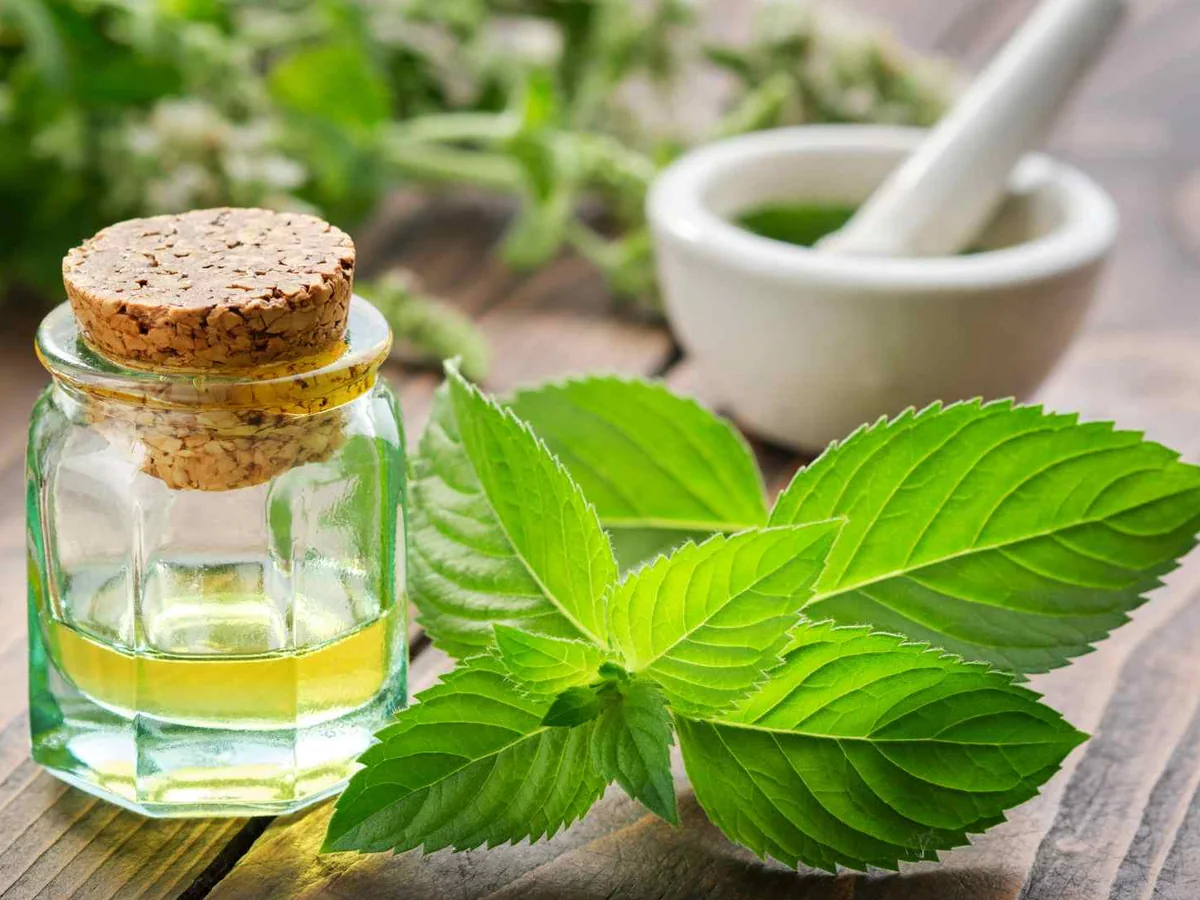
Essential oil can be absorbed through skin, lungs, mucous membranes, and the gastrointestinal tract, while grooming converts coat contamination into oral exposure. Concentration and route belong in the first phone call.
Merck’s essential-oil toxicosis review explains cats’ particular sensitivity and lists drooling, vomiting, lethargy, poor coordination, tremors, breathing signs, seizures, and organ injury among possible outcomes.
Concentration may be shown as a percentage, dilution instruction, drops per volume, or not disclosed on the front at all. Photograph every panel and report the carrier oil, blend ingredients, and whether the bottle was neat or diluted.
Eye splashes, oral licks, inhalation, and a soaked coat do not receive identical first aid. Route-specific guidance prevents well-meant washing from spreading oil over a larger surface or into the mouth.
A diffuser can coat fur without tipping over
Active diffusers may release microdroplets that settle on the coat and are swallowed during grooming, while passive units hold concentrated liquid that can spill. Cats with asthma or airway disease have less room for respiratory irritation.
Switch off the device, ventilate safely, prevent grooming, and call for coughing, wheezing, watery eyes, drooling, vomiting, or open-mouth breathing. Do not force a coughing cat to drink.
Record the diffuser type, room size, duration, door position, oil amount, and number of cats present. An active nebulizer in a small closed room differs from a sealed bottle stored across the house.
Never apply peppermint oil as a remedy
Do not place peppermint oil on fur, paws, collars, bedding, skin, wounds, teeth, gums, or near the nose to treat fleas, congestion, nausea, pain, behavior, or odor. Natural and therapeutic-grade labels do not establish feline safety.
If oil is already present, do not add another oil or solvent. Keep the bottle, note dilution and carrier, stop grooming, and follow professional cleaning instructions so bathing does not spread exposure or chill the cat.
Pennyroyal is not a peppermint synonym
Pennyroyal can refer to Mentha pulegium or American pennyroyal, and its oil is associated with severe toxicity. Merck’s herbal medicine review specifically warns that pennyroyal oil has documented fatalities in small animals.
Treat any pennyroyal oil or concentrated product exposure as urgent and preserve the exact botanical and ingredient label. Do not downgrade the incident because the bottle sits beside culinary mint.
Extract often means alcohol plus flavor
Baking extract may contain alcohol, water, peppermint oil, and other flavor ingredients. A swallowed capful can therefore involve both ethanol and concentrated mint components.
Weakness, wobbliness, vomiting, low body temperature, marked sleepiness, breathing change, or collapse after extract needs immediate care. Do not wait for the cat’s breath to smell minty enough to confirm the label.
Peppermint schnapps, cocktails, and holiday drinks can add much more alcohol plus chocolate, coffee, dairy, sugar, or sweetener. Preserve the recipe, not just the garnish.
Tea bags add string and other herbs
Peppermint tea may be loose leaf, a stapled bag, a stringed sachet, or a blend with green tea, black tea, licorice, chamomile, citrus, or other botanicals. Caffeinated tea changes urgency.
Account for bag, staple, string, tag, and wrapper, and use the cat tea guide for blend triage. Never pull string protruding from the mouth or rectum.
Candy canes are sticky package incidents
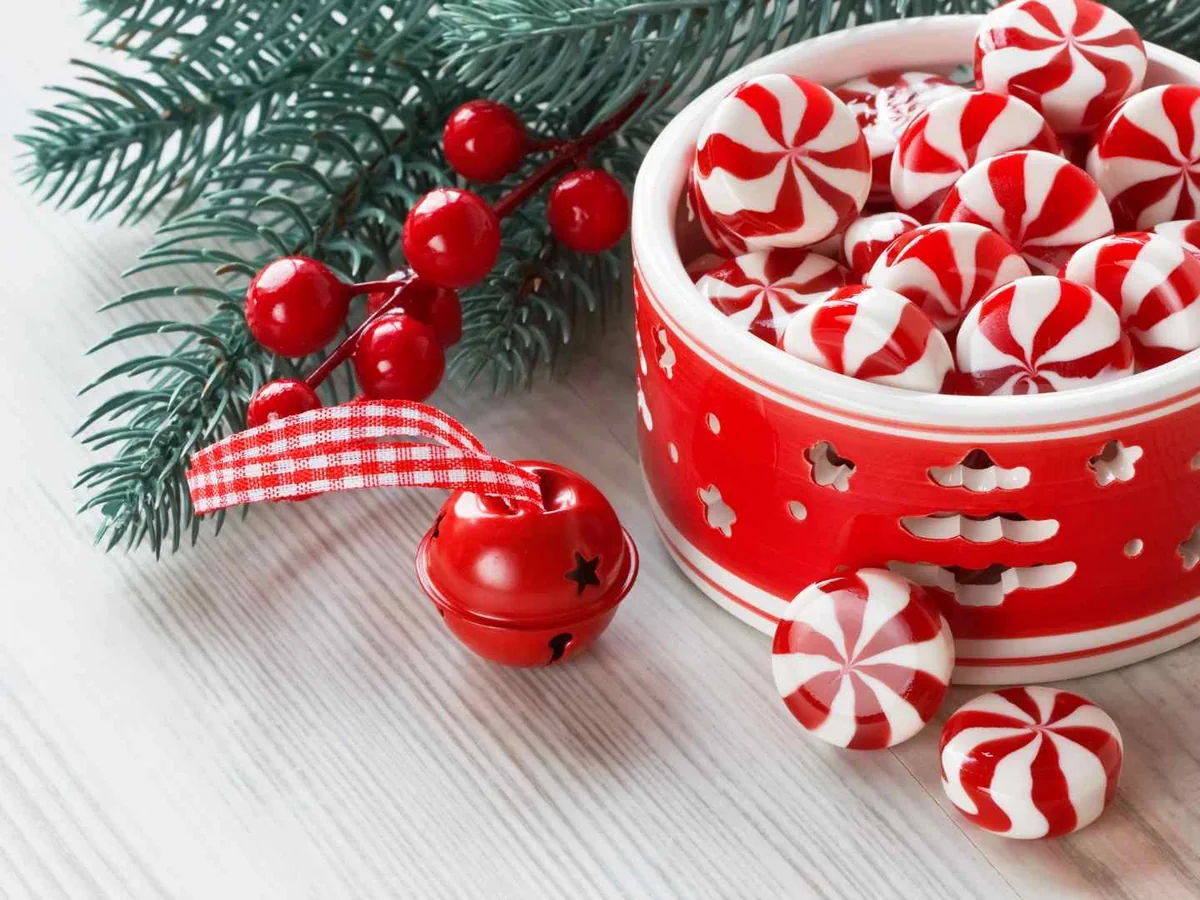
Peppermint candy and candy canes add sugar, hard shards, sticky pieces, chocolate coatings, sweeteners, lollipop sticks, and plastic or foil. A whole curved cane is not a herb serving.
The candy cane guide covers sharp fragments, xylitol evidence boundaries, chocolate, and wrappers. Identify sugar-free and medicated products precisely.
Hard candy can fracture a diseased tooth, while softened candy can stick across the palate or to fur. Drooling, jaw chattering, mouth bleeding, gagging, or food refusal needs prompt examination.
Xylitol claims must remain feline-specific
Xylitol can cause profound hypoglycemia and liver injury in dogs, while comparable feline susceptibility has not been demonstrated. Never copy a canine toxic dose into cat advice.
Gum, mints, toothpaste, mouthwash, and sugar-free candy still require a label check because other ingredients and foreign materials matter. Limited feline evidence calls for professional product review, not a safety promise.
Chocolate mint stacks two product families
Chocolate mints, peppermint bark, cookies, brownies, ice cream, and mocha drinks can contribute cocoa and caffeine alongside mint flavor. The chocolate type and missing weight may dominate the toxicology calculation.
Use the chocolate guide while keeping extract, oil, wrappers, and alcohol in view. Brown-and-green packaging is not an ingredient list.
Toothpaste and mouthwash are not breath treats
Human oral-care products can contain fluoride, detergents, alcohol, xylitol, essential oils, medications, or high concentrations of flavor. A chewed tube also introduces plastic and cap fragments.
Call with the complete label and missing amount, especially after more than a lick or any signs. Do not brush a cat’s teeth with human toothpaste or pour mouthwash onto the gums.
Peppermint lip balm, muscle rub, chest rub, foot cream, and topical analgesic may contain menthol plus salicylates, camphor, lidocaine, or other active ingredients. Treat the entire medication as the exposure and save its Drug Facts panel.
Peppermint cleaning products add more chemistry
Floor cleaners, soaps, sprays, pest products, candles, potpourri, and fragrance concentrates may combine peppermint scent with surfactants, solvents, disinfectants, or other oils. Treat the manufactured product as the exposure.
Block wet floors, ventilate according to the label, and prevent paw grooming. Eye pain, drooling, coughing, vomiting, skin irritation, or breathing difficulty needs prompt advice.
Garden access needs plant and chemical identification
Outdoor mint can carry fertilizer, pesticide, slug bait, contaminated soil, trellis wire, and plant ties. A crushed leaf smell is not reliable identification for every member of the mint family.
Photograph the whole plant and label before removing a sample safely. Keep herb cuttings and compost in closed containers because wilted leaves remain accessible plant material.
Peppermint is not feline medicine
Do not use peppermint for nausea, gas, constipation, respiratory illness, parasites, pain, anxiety, appetite, or infection. Human studies and familiar household use do not establish a feline dose, delivery route, or benefit.
The broader mint guide helps sort culinary leaves, products, and pennyroyal. A cat with ongoing signs needs diagnosis rather than a stronger-smelling herb.
Peppermint should not be added to litter, carriers, scratching posts, or bedding as a behavior deterrent. Avoidance caused by an overwhelming scent is not humane training, and contaminated fabric can remain a dermal and grooming source.
For travel nausea or stress, ask about feline-tested behavioral and medication options before the trip. A diffuser or oil-soaked collar inside a small carrier concentrates an exposure in the one place the cat cannot leave.
Store bottles upright behind a latched door and keep droppers, pipettes, cotton pads, and soaked tissues in a closed bin. Even a nearly empty bottle can leave concentrated residue on paws and whiskers.
The mint-product response
- Remove plant, oil, diffuser, extract, tea, candy, oral-care product, cleaner, and packages.
- Identify botanical name, concentration, carrier, product ingredients, route, amount, and time.
- Record weight, health conditions, room exposure, missing objects, and signs.
- Call immediately for oil, pennyroyal, extract, inhalation signs, extensive coat exposure, unknown product, or symptoms.
- Follow professional ventilation and cleaning directions without inducing vomiting or adding oils.
Frequently asked questions
Can cats eat fresh peppermint leaves?
Do not offer them. A tiny nibble is different from oil, but larger plant ingestions can cause vomiting or diarrhea and exact species matters.
Can I run a peppermint-oil diffuser in a home with cats?
It can expose the lungs, skin, and coat to oil droplets, and cats are sensitive to essential oils. Discuss any use with a veterinarian and stop immediately if exposure or signs occur.
What if my cat licked peppermint extract?
Call promptly with the brand, alcohol content, oil ingredients, amount, time, and signs. Do not induce vomiting or attempt to dilute it by force-feeding.
Are peppermint and pennyroyal the same?
No. Pennyroyal is a distinct botanical identity, and its concentrated oil has caused severe and fatal toxicity in small animals.
Bottom line
Peppermint leaf is an avoidable plant nibble, while oils, diffusers, extracts, pennyroyal, candy, oral-care products, cleaners, and blends can be far more concerning. Name the product and route, preserve every label, and let veterinary guidance replace mint-scented guesswork.