Can Cats Eat Cranberry Sauce? Sugar, Raisins, Sweeteners, and Portions
A tiny taste of ordinary cranberry sauce is unlikely to be a major poisoning event in most healthy cats, but I would not make it a feline treat. Cats do not need sugary fruit sauces, and holiday recipes can hide raisins, currants, alcohol, citrus peel, nuts, and other ingredients.
The quick cranberry-sauce verdict for cats
Fresh cranberry flesh is not a common feline toxin, while cranberry sauce concentrates sugar and often adds extra ingredients. That makes the sauce unnecessary even when the basic recipe is not dangerous.
If a healthy cat takes one small lick of ordinary canned sauce, mild stomach upset is more likely than a serious toxic reaction. I would still skip intentional servings because cats gain little nutritional benefit from sweet fruit sauce.
Canned cranberry sauce is mostly a sugar question
Traditional canned cranberry sauce is usually made from cranberries, sugar, water, and sometimes corn syrup or flavoring. It is much sweeter and more calorie-dense than plain cranberries.
A tiny lick may cause no problem, while a larger serving can contribute to vomiting, diarrhea, gas, or abdominal discomfort. Cats with obesity, diabetes, or a calorie-controlled diet have even less reason to receive sugary sauce.
I would not use canned cranberry sauce as a topper simply because cranberries sound healthy. A fruit can be reasonable in isolation while its holiday version is basically a condiment-dessert hybrid.
Homemade cranberry sauce can be simple or surprisingly complicated
A recipe made only from cranberries, water, and ordinary sugar is mostly a gastrointestinal and calorie issue. Other homemade sauces add orange peel, apples, pears, raisins, currants, nuts, liqueur, spices, or alternative sweeteners.
That means homemade is not automatically safer than canned sauce. I care more about the full recipe than whether someone made it from scratch.
Raisins and dried currants deserve extra caution
Some cranberry relishes contain raisins, sultanas, or Zante or Corinth currants. Those ingredients are dried grape products.
The classic unpredictable acute kidney injury syndrome is best established in dogs, while feline susceptibility is less clearly defined. That uncertainty is not a reason to intentionally expose cats to dried grapes.
If a cat eats a meaningful amount of sauce containing raisins or dried grape currants, save the recipe and call for veterinary advice. I would rather clarify the risk than assume cats are completely unaffected.
Sugar-free cranberry sauce still needs a label check
Low-sugar and sugar-free sauces may use alternative sweeteners. Xylitol is a major dog toxin, while the same dramatic hypoglycemia syndrome is not established in cats in the same way.
That does not make sugar-free sauce useful cat food. Check the actual sweetener because some products can cause gastrointestinal upset, and the rest of the recipe may still contain alcohol, dried fruit, or other problematic ingredients.
If the sweetener is unknown and the cat ate a large amount, save the package and call for product-specific advice. “Sugar-free” is a marketing description, not a complete ingredient list.
Cranberry relish can hide several extra ingredients
Fresh relish may contain orange peel, apples, grapes, raisins, nuts, sugar, ginger, liqueur, or spices. A spoonful of relish can therefore be a very different exposure from ordinary canned cranberry sauce.
If a cat raids relish, save the recipe and identify every fruit, nut, alcohol, and sweetener. The cranberry may be one of the least important ingredients medically.
Alcohol changes a simple fruit sauce into a more serious exposure
Some holiday recipes add port, red wine, brandy, bourbon, or orange liqueur. Cooking may reduce alcohol depending on time and method, while alcohol added near the end can remain more concentrated.
Cats are small, so a human-sized serving can create a relatively large ethanol dose. Vomiting, unusual sleepiness, poor coordination, weakness, low body temperature, breathing depression, or collapse deserves urgent veterinary care.
Save the recipe and report the type of alcohol, approximate amount, and timing. I would not assume “it was cooked” means the alcohol content reached zero.
Orange peel can irritate the gastrointestinal tract
Citrus peel is fibrous and contains concentrated aromatic oils. A tiny fragment may only cause mild stomach upset, while a larger amount can trigger vomiting or diarrhea.
Cats are not nutritionally helped by citrus peel, so I would not intentionally feed it. A little zest in a recipe is different from a cat eating a strip of peel.
Nuts are mostly a fat, mold, and choking concern
Walnuts and pecans can appear in cranberry relish or holiday salads. Fresh nuts are generally more of a fat, calorie, and gastrointestinal issue for cats than a classic toxicity problem.
Moldy nuts can contain tremorgenic mycotoxins and can cause vomiting, tremors, seizures, or abnormal behavior. I would keep nut-heavy cranberry dishes away from cats entirely.
Grapes mixed into cranberry dishes should stay off the cat plate
Some cranberry salads combine fresh grapes with cranberries. The severe kidney syndrome is best established in dogs, but grapes provide cats no nutritional advantage and feline risk is not well enough defined to justify deliberate feeding.
If a cat eats a meaningful amount of a grape-heavy cranberry salad, save the recipe and call for advice. I would not describe the exposure as harmless simply because the species is a cat.
Apples and pears are usually less concerning than the sauce around them
A tiny piece of plain apple or pear flesh may be tolerated by many cats, though cats do not need fruit nutritionally. In cranberry sauce, sugar, alcohol, dried grapes, citrus peel, and nuts usually matter more.
I would not pick fruit pieces out of a mixed relish and call them plain if they are coated in the finished sauce. The recipe follows the food into the cat’s mouth.
Dried cranberries are not raisins
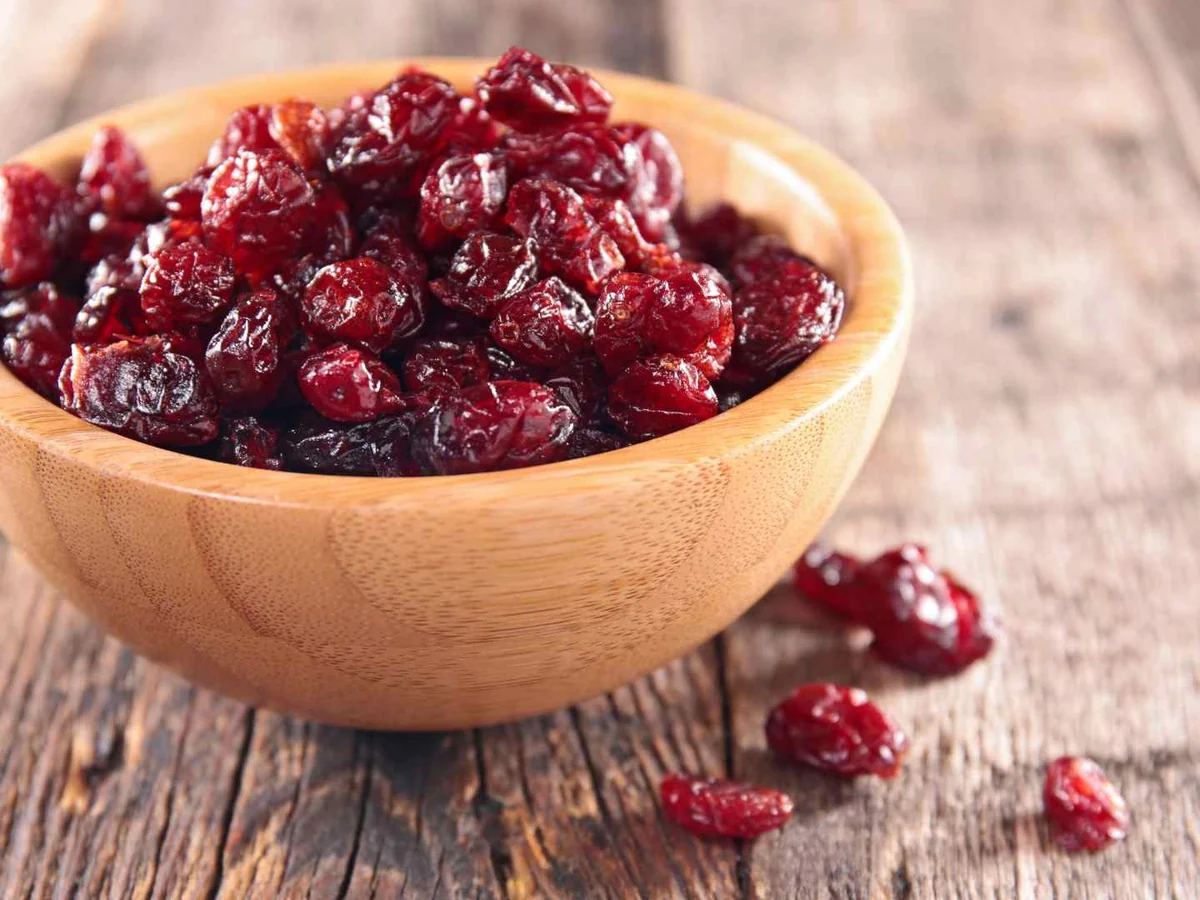
Dried cranberries are dried cranberry fruit, while raisins are dried grapes. The names sound similar enough in a holiday mix that it is easy to lump them together, but they are different ingredients.
Dried cranberries are often heavily sweetened and still are not useful cat treats. Mixed dried-fruit products deserve a careful label check because raisins may be sitting in the same bag.
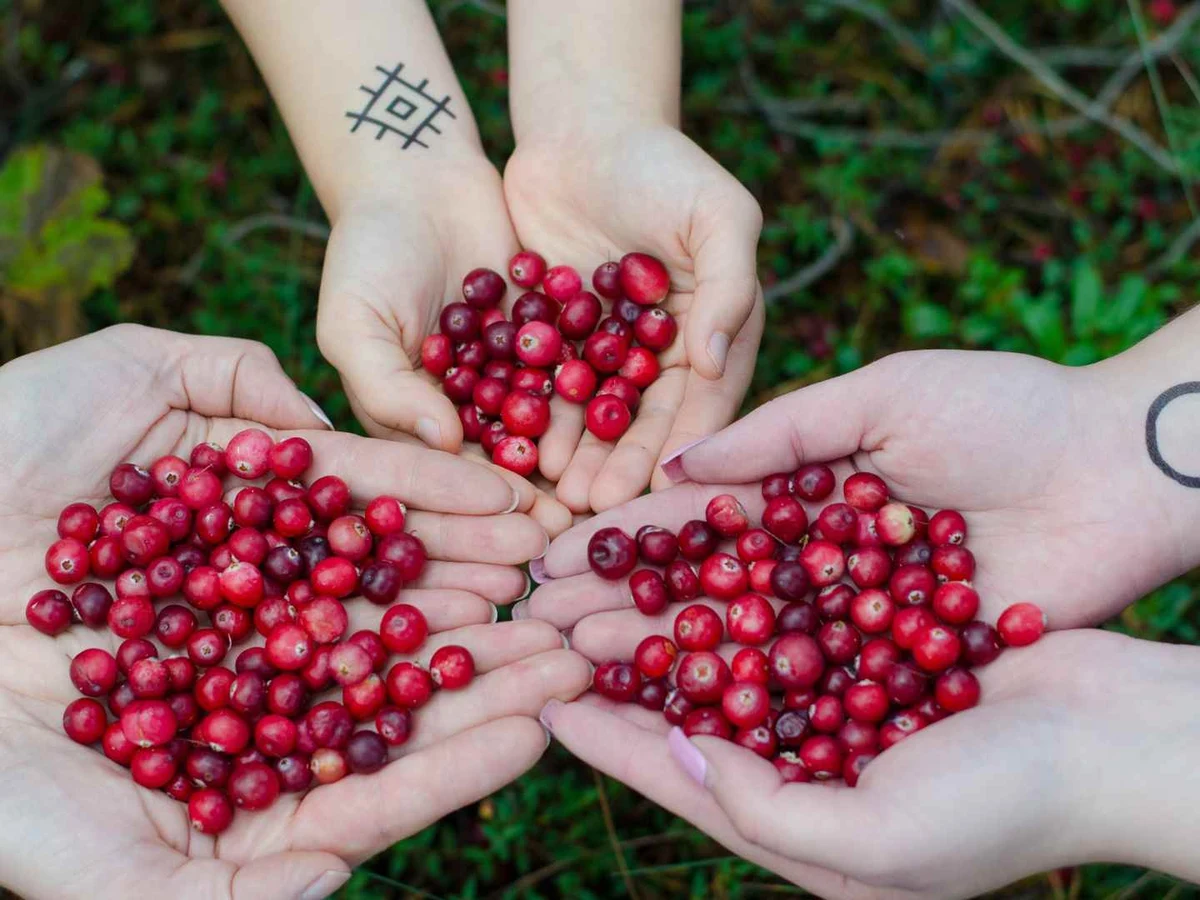
Cranberry sauce is not a treatment for feline urinary disease
Cranberry products are often associated with urinary health in people, but sweet holiday sauce is not a substitute for diagnosing feline lower urinary tract disease. Straining, frequent trips to the litter box, blood in urine, crying, or passing little to no urine deserves veterinary attention.
A male cat that is straining and unable to pass urine may have a life-threatening urinary obstruction. Cranberry sauce is not an at-home treatment for that emergency.
If a veterinarian recommends a specific urinary supplement, that is a different product used for a defined reason. I would not improvise with holiday sauce.
Cats with diabetes should skip sugary cranberry sauce
Traditional cranberry sauce contains a substantial sugar load and can interfere with a controlled diabetes feeding plan. Cats with diabetes benefit from consistency far more than a sweet holiday treat.
If a diabetic cat steals a meaningful amount, contact the veterinary team for advice based on the cat’s insulin schedule and current glucose-management plan.
Cats with pancreatitis or gastrointestinal disease have even less room for holiday mixtures
Cranberry sauce itself is not usually high in fat, but cranberry dishes are often eaten alongside turkey skin, gravy, stuffing, butter, cream, and rich desserts. A holiday raid may involve several foods at once.
If a medically fragile cat gets into a holiday plate, assess the whole plate rather than focusing only on the red sauce. The more important trigger may be somewhere else on the dish.
What to do if your cat ate cranberry sauce
- Save the can, jar, package, or recipe.
- Estimate the maximum amount eaten and the time.
- Check for raisins, dried currants, grapes, alcohol, nuts, citrus peel, and unusual sweeteners.
- Note whether the cat is a kitten, senior, diabetic, immunocompromised, or on a prescription diet.
- Call promptly for alcohol, significant dried-grape exposure, neurologic signs, or a large unknown amount.
- Monitor simple ordinary sauce exposures for vomiting, diarrhea, or appetite changes.
Do not try to make a cat vomit at home
Hydrogen peroxide should not be used to induce vomiting in cats. Salt, mustard, oil, and other improvised home methods can also cause injury.
Call with the exact ingredients, amount, timing, and symptoms. The veterinary team can decide whether observation, treatment, or laboratory testing is appropriate.
How I handle cranberry sauce on a cat-safe holiday plate
I skip the sauce and offer a few tiny pieces of plain fully cooked boneless turkey if I want the cat included. Cats do not need fruit sauce to make a holiday meal nutritionally complete.
The cat will survive not knowing what cranberry sauce tastes like. I consider that one less holiday debate to manage.
Frequently asked questions
Can cats eat canned cranberry sauce?
A tiny amount of ordinary canned sauce may be low risk for many healthy cats, but it is high in sugar and offers no useful nutritional advantage.
Can cats eat homemade cranberry sauce?
It depends on the recipe. Check for raisins, dried currants, grapes, alcohol, nuts, citrus peel, and unusual sweeteners.
Can cats eat cranberry sauce with raisins?
I would avoid it. Dried grapes are not appropriate cat food, and a meaningful ingestion deserves veterinary advice.
Does cranberry sauce help cats with urinary problems?
No. Sweet holiday sauce is not a treatment for feline urinary disease, and straining or inability to urinate can be an emergency.
Bottom line
A tiny taste of ordinary cranberry sauce may only cause mild stomach upset, but I would not use it as a cat treat. The full recipe matters more than the cranberry name, so check for dried grapes, alcohol, citrus peel, nuts, unusual sweeteners, and mixed fruit before deciding how concerned to be.