Can Dogs Eat Oregano? Culinary Herb, Oil, and Extract Risks
A tiny accidental sprinkle of culinary oregano usually causes no more than possible stomach upset, but oregano is not a dog supplement. Fresh leaves, dried herb, concentrated extract, and essential oil are different exposures, and the oil deserves prompt professional advice.
First identify what the dog reached
- A pinch in plain food: remove further access and monitor for vomiting or diarrhea.
- A bunch of fresh leaves or spilled dried herb: call if the amount is large, unknown, or causing signs.
- Essential oil, extract, tincture, capsules, or drops: contact a veterinarian or animal poison service promptly.
- Seasoning blend, sauce, pizza, or meat: assess garlic, onion, salt, fat, chile, dairy, and packaging too.
- Unknown garden plant: do not identify it by smell alone; photograph the whole plant and label.
Save the container and record the exact product, concentration, route, amount range, time, dog weight, symptoms, conditions, and medications. For skin or coat exposure, note where the product landed and whether the dog licked it.
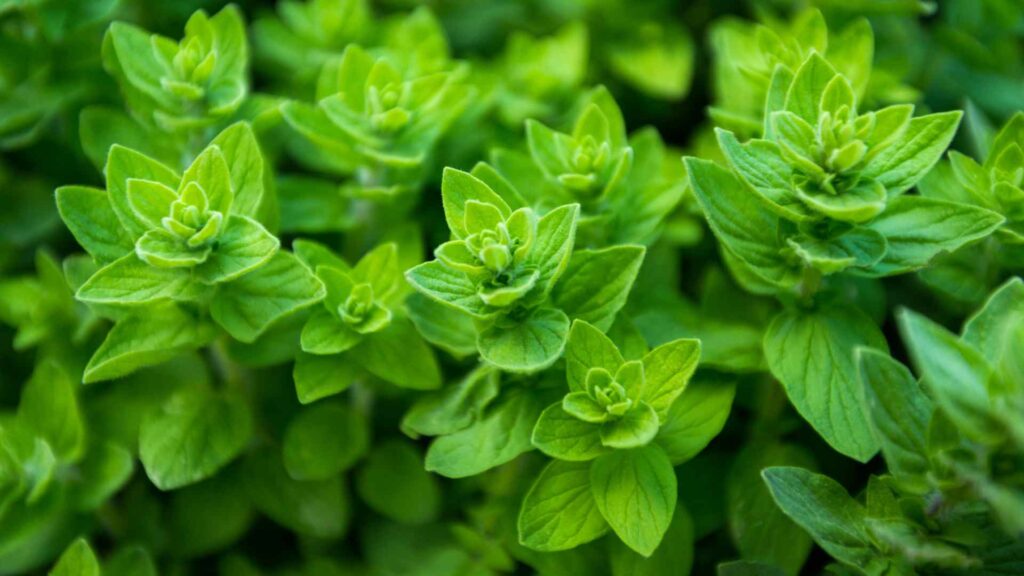
Culinary oregano can irritate the stomach
Oregano is not a neutral garnish for every dog. The ASPCA oregano entry classifies the plant as toxic to dogs because its gastrointestinal irritants can cause mild vomiting and diarrhea.
That classification should be taken seriously without turning one herb flake into a dramatic emergency. Amount, concentration, route, product ingredients, symptoms, and the dog’s health determine the sensible response.
A tiny amount baked into otherwise dog-safe food will often call only for observation, while a jar raid or repeated exposure deserves advice. Puppies, very small dogs, and dogs with gastrointestinal, liver, or neurologic disease have less room for casual experimentation.
Do not intentionally feed oregano to improve digestion, immunity, breath, inflammation, or infection. The presence of plant compounds in laboratory research does not establish a useful kitchen dose or a clinical benefit for an individual dog.
Fresh leaves and dried herb are not identical
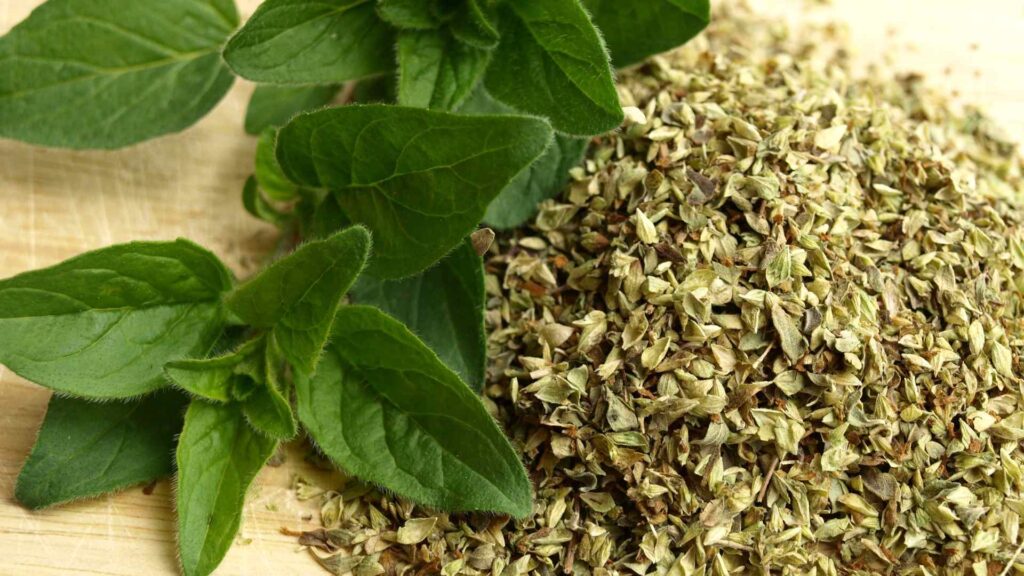
Fresh oregano leaves contain lots of water, while dried oregano is more concentrated by volume and easier to spill in a large amount. Neither form should be used as a daily topper simply because it is sold in the grocery aisle.
Whole stems can scratch the mouth, trigger gagging, or add rough plant material to the stomach. Woody stems, plant tags, twist ties, plastic pots, soil amendments, and decorative stones create separate hazards during a garden raid.
If a dog steals a small fresh sprig, remove access and watch for drooling, vomiting, diarrhea, appetite loss, or discomfort. Call sooner when the plant amount is large, the identity is uncertain, or the dog is already unwell.
Our rosemary guide covers another strong culinary herb with a similar need to separate kitchen amounts from oils and concentrates. One herb’s risk cannot be used to clear another.
Oregano essential oil is a concentrated exposure
Essential oil is not liquid oregano seasoning. Distillation concentrates volatile compounds into a product that can be absorbed through the mouth, digestive tract, skin, lungs, and mucous membranes.
The Merck Veterinary Manual essential-oil review explains that risk rises with concentration and that concentrated oils should never be applied directly to pets. Possible signs include drooling, vomiting, lethargy, abnormal walking, tremors, skin irritation, breathing signs, and organ injury.
Call promptly after ingestion, a significant spill on skin or fur, eye contact, or respiratory signs around a diffuser. Do not induce vomiting because an oily product can be aspirated into the lungs.
Move the dog away from fumes to fresh air if that can be done safely, prevent licking, and call for product-specific decontamination instructions. Do not scrub with another essential oil, alcohol, solvent, or a homemade neutralizer.
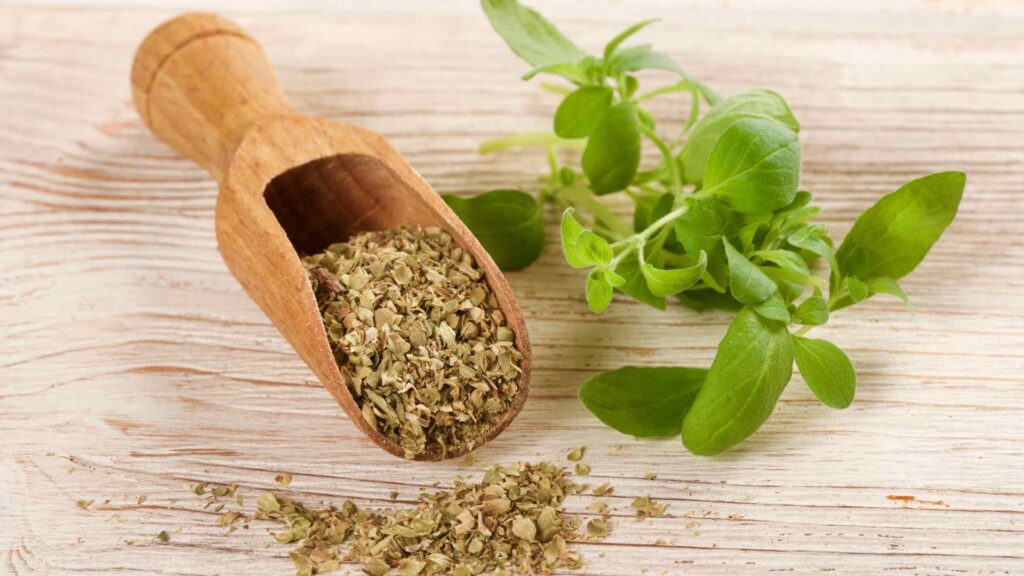
Drops, capsules, extracts, and tinctures
Oil of oregano products may list carvacrol, thymol, carrier oils, alcohol, flavoring, sweeteners, or other herbs. A dropperful cannot be compared with a pinch of dried oregano because concentration and formulation vary widely.
Softgels and capsules can be swallowed with the bottle, desiccant, cap, or cotton packing. Count missing units and report the milligrams or concentration per unit, container size, amount left, and every nonfood item.
Alcohol-based tinctures add an alcohol exposure, while flavored liquids may contain xylitol or other sweeteners. Never assume a natural or pet-labeled front panel makes the complete formula safe.
Do not copy a human supplement dose, dilute a product by guesswork, or place drops in food or water. A veterinarian should evaluate the claimed purpose, evidence, interactions, and safer alternatives before any concentrated product is used.
Topical use can become oral exposure
A product placed on paws, ears, skin, or fur rarely stays topical because dogs lick and groom. Irritated skin may also absorb product differently, and oily fur can spread residue to bedding, people, and other pets.
Never pour oregano oil into an ear canal, especially when the eardrum has not been examined. Head shaking, ear pain, odor, discharge, or balance changes need diagnosis rather than a strong aromatic irritant.
Do not put oregano preparations on wounds, hot spots, fungal-looking lesions, paws, or dental disease. Redness, itch, odor, hair loss, and sores have many causes, and an oil burn can make examination and treatment harder.
If a spill occurs, keep the label, prevent licking, and call before bathing because the correct cleaning method depends on the formulation and exposure. Seek urgent care for breathing trouble, marked weakness, tremors, collapse, or severe skin or eye pain.
Oregano is not flea or tick medicine
Oregano oil should not replace a registered flea, tick, or mite product. Repelling a parasite briefly is not the same as safely controlling its life cycle or preventing disease transmission.
The EPA flea-and-tick guidance recommends choosing appropriate registered products and following labels carefully. Ask the veterinarian which prevention fits the dog’s species, age, weight, health, household pets, and local parasite risks.
Never apply a concentrated homemade spray before hiking or add oil to a collar without veterinary direction. A strong smell does not prove protection, and licking or skin exposure can create a new problem.
Seasoning blends hide the bigger concern
Italian seasoning, pizza seasoning, herb rubs, marinades, stock powders, and sauce packets may combine oregano with onion, garlic, salt, pepper, chile, and flavor concentrates. The blend name does not reveal the dose of each ingredient.
Garlic and onion can damage canine red blood cells, and signs may be delayed. Call with the ingredient list and amount rather than waiting for pale gums, weakness, fast breathing, dark urine, or collapse.
Our garlic powder guide explains why concentrated Allium seasoning changes triage. Unknown spices should be reported honestly instead of dismissed as a tiny percentage.
Salt-free seasoning is not automatically dog-safe because it may still contain Alliums, essential oils, citric flavoring, or hot spices. Read the complete panel every time a formula changes.
Pizza, pasta, pesto, and meat dishes
On pizza, oregano is usually less important than garlic, onion, salty cheese, fatty meat, crust volume, hot toppings, and missing foil or plastic. A single crumb and a whole takeout box are not the same event.
Pasta sauce may add Alliums, salt, oil, meat, alcohol, and sweeteners, while rich meat rubs can contribute fat and sodium. Save the recipe and packaging so the veterinary team can assess the whole meal.
Pesto often combines herbs with garlic, oil, cheese, nuts, and salt. Oregano does not make those co-ingredients disappear.
For a culinary-herb comparison, our basil guide separates plain leaves from pesto and oils. It is still safer to offer a plain piece of dog-appropriate food than a seasoned restaurant bite.
Garden identity matters
Common oregano, Greek oregano, marjoram, ornamental plants, and unrelated plants sold under regional names can look or smell similar. A chewed leaf on the patio is not enough for a reliable identification.
Photograph the entire plant, leaves, stems, flowers, pot, nursery tag, and growing location. Keep a sample away from children and pets, but do not taste it or delay a poison call while searching social media.
Garden soil may contain fertilizer, systemic insecticide, slug bait, compost, cocoa mulch, mushrooms, or sharp plant labels. Tell the professional what else was accessible and whether any granules or packaging are missing.
Our cilantro guide discusses herb lookalikes and mixed foods in more detail. Plant identification comes before assumptions about culinary safety.
What to do after exposure
- Secure the plant, food, oil, diffuser, supplements, and packaging.
- Identify culinary herb, essential oil, extract, tincture, capsule, blend, or unknown plant.
- Record route, concentration, amount range, time, weight, conditions, medicines, and signs.
- Call promptly for concentrated products, significant skin or eye contact, breathing signs, large amounts, unknown plants, or symptoms.
- Follow professional decontamination, feeding, monitoring, and transport instructions.
Do not induce vomiting, give activated charcoal, apply another oil, or force food or water unless a veterinarian directs you. Product concentration and aspiration risk matter.
Store oils, droppers, capsules, diffusers, and herb jars behind a closed door rather than on a counter. Wipe spills promptly and keep product labels readable for emergencies.
Bottom line
One accidental culinary sprinkle is usually a monitoring question, not a reason to use oregano deliberately. Larger herb amounts can irritate the gut, and oils, extracts, supplements, blends, skin exposure, and unknown plants deserve a product-specific professional assessment.