Can Dogs Eat Fig Newtons? Labels, Sugar, Filling, and Wrappers
One ordinary Fig Newton-style cookie is unlikely to poison a healthy dog, but it is still a sugary processed snack rather than a useful treat. Product labels vary, and sugar-free sweeteners, chocolate, large amounts, sticky texture, wrappers, medical diets, and the difference between edible figs and ornamental ficus plants all matter.
Start with the exact package
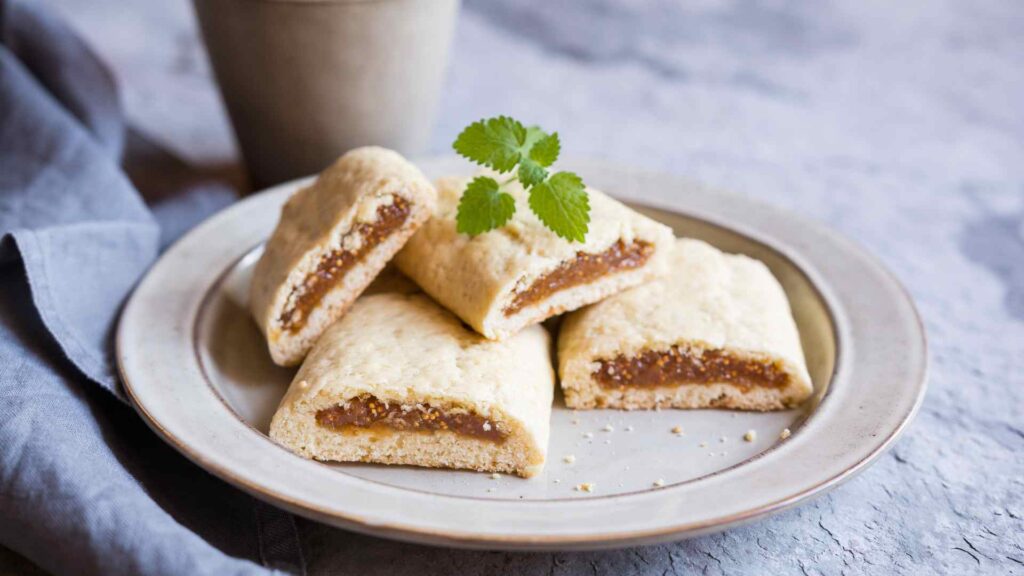
Fig-filled cookies are recipes, not a standardized veterinary food. Brand, flavor, serving size, sweeteners, fat, sodium, flour, preservatives, and fruit filling can change between products and countries.
Photograph the ingredient list and nutrition panel before throwing away a torn package. The front image of a fig does not tell you whether the cookie contains other fruit, chocolate, whole grains, frosting, or a sugar substitute.
The FDA Nutrition Facts guide explains how serving size, calories, added sugar, fat, and sodium appear on packaged-food labels. A dog may eat several human servings during a bag raid.
A small crumb, one whole cookie, and an entire sleeve are very different events. Estimate the number missing and compare that amount with the dog’s weight, health, and usual calorie intake.
The fig filling is not a constipation treatment
Edible fig paste contributes sugar and fiber, but processing and the complete recipe matter. A cookie cannot be treated like a measured serving of plain fruit.
The fig guide separates fresh flesh from dried fruit, stems, leaves, sap, sticky texture, products, and allergy. Fig cookies do not inherit a medical benefit from their filling.
Extra fiber can worsen gas, cramping, or diarrhea, and constipation has many possible causes. Do not use Fig Newtons to treat difficult stool, anal discomfort, appetite loss, or a suspected obstruction.
Sugar adds calories without solving low energy. A weak, trembling, collapsed, diabetic, or medicated dog needs urgent cause-based advice rather than a cookie used as home glucose therapy.
Sugar, fat, and calories are the everyday concerns
A dropped cookie may cause no signs, but repeated servings can quietly crowd out complete food. Small dogs accumulate excess calories especially quickly.
The WSAVA treat guide recommends keeping all extras below 10 percent of daily calories. Cookies share that allowance with chews, training rewards, toppers, and table scraps.
Fat content varies by recipe and may be more important after a large raid or in a dog with previous pancreatitis. Vomiting, abdominal pain, poor appetite, weakness, or dehydration deserves veterinary attention.
The brown sugar guide explains why ordinary sugar is unnecessary and why sugar-free products require a separate label check. Brown sugar is not safer because it looks less refined.
Sugar-free and reduced-sugar labels
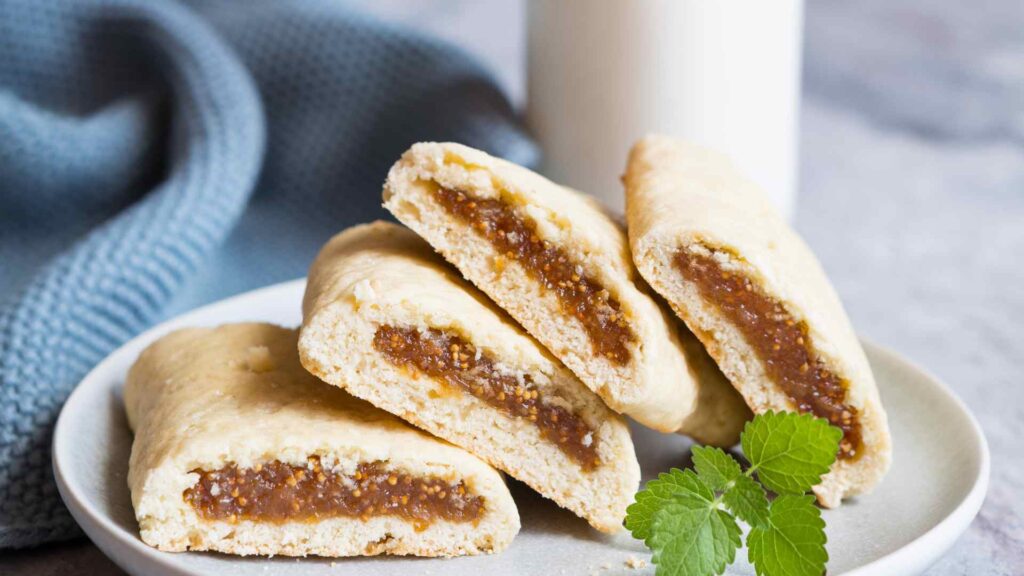
Do not assume every reduced-sugar cookie contains xylitol, because many use other sweeteners. Do read every label immediately, including ingredient names such as xylitol, birch sugar, and wood sugar.
Merck’s xylitol toxicosis guide describes rapid hypoglycemia and possible liver injury in dogs. A confirmed xylitol exposure needs immediate veterinary or poison-service contact before symptoms appear.
Save the package and report the product, amount, dog weight, and time. Do not wait for vomiting, weakness, tremors, difficulty walking, seizures, or collapse.
Other non-xylitol sweeteners are not automatically equally toxic, though some may cause digestive upset. A professional needs the actual ingredient rather than the phrase artificial sweetener.
Flavors and limited editions can change the risk
Chocolate-coated, brownie, coffee, raisin, nut, yogurt-coated, protein, or seasonal fig bars deserve their own ingredient review. Cocoa concentration, caffeine, grapes, macadamias, and sweeteners can be more urgent than the fig.
A peanut-butter flavored bar requires an xylitol check and a calorie check. A nut-free claim does not answer questions about chocolate, raisins, or sugar substitutes.
Homemade fig bars may contain alcohol-soaked fruit, nutmeg, raisins, macadamias, raw dough, or unknown sweetener. Ask for the recipe and how much went missing.
A cookie served alongside marshmallows or candy should be evaluated as part of the entire snack plate. The least dramatic ingredient is not always the important one.
Sticky texture, choking, and teeth
Fig paste and soft cookie can form a sticky mouthful, especially when several pieces are swallowed together. Small dogs, flat-faced dogs, dental patients, puppies, and enthusiastic gulpers need closer attention.
Coughing, frantic pawing, blue or pale gums, inability to move air, or collapse is an emergency. Do not sweep blindly into the mouth because that can push material deeper or cause a bite.
Sticky sweets do not clean teeth, and fiber does not cancel the sugar. Routine dental care should follow a veterinary plan rather than using chewy cookies as toothbrushes.
Wrappers and boxes may be the bigger problem
Plastic film, foil liners, individual wrappers, cardboard, clips, and desiccant packets may disappear with the cookies. Count package pieces and save an identical wrapper if one is available.
Merck’s obstruction guide lists vomiting, appetite loss, abdominal pain, lethargy, and shock among possible signs. A dog may look normal before an object causes trouble.
Repeated vomiting, retching, a swollen abdomen, pain, refusing food, or inability to keep water down needs prompt veterinary care. Do not wait to see a wrapper in the stool when symptoms appear.
Edible fig fruit is not an ornamental ficus
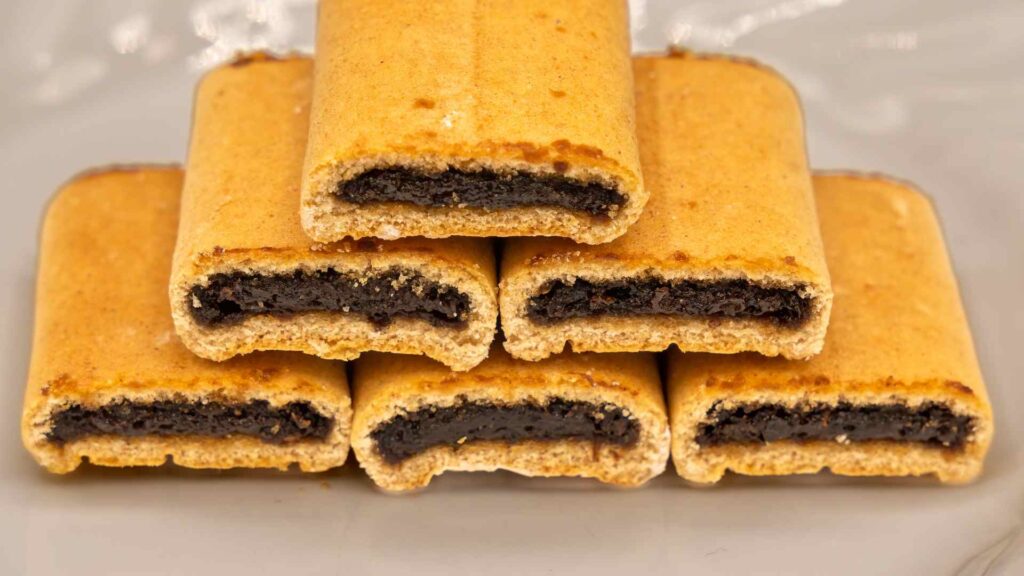
The word fig is used for edible fruit and for several houseplants. A dog chewing a weeping fig, rubber plant, fiddle-leaf fig, or unidentified ficus has not eaten cookie filling.
The ASPCA fig plant entry identifies Ficus benjamina as toxic to dogs and lists gastrointestinal and skin irritation. Sap contact can matter as well as swallowed plant material.
Photograph the entire plant, pot label, leaves, stem, and damaged area. Do not rely on a nickname, and do not induce vomiting after unknown plant exposure without professional direction.
Dogs who should skip fig cookies
Dogs with diabetes, obesity, pancreatitis, intestinal disease, food allergy, swallowing trouble, or a prescription diet need individualized rules. An elimination trial can be disrupted by flour, fruit, flavor, or a minor ingredient.
Puppies need calorie room for complete growth nutrition and are more likely to chew packaging. Seniors with dental or swallowing problems may struggle with a sticky cookie even when ingredients are ordinary.
A dog already vomiting or having diarrhea should not receive a cookie to add fiber. New food can cloud the history and worsen symptoms.
What to do after a Fig Newton raid
- Identify the brand, flavor, regular or sugar-free label, and package size.
- Photograph ingredients and nutrition facts, highlighting xylitol, chocolate, coffee, raisins, nuts, alcohol, and other fruit.
- Estimate cookies and wrappers missing, the time window, dog weight, symptoms, conditions, medications, and normal diet.
- Account for plastic, foil, cardboard, clips, desiccants, and any other snack foods in reach.
- Call promptly for xylitol or another dangerous ingredient, a large amount, significant symptoms, medical restrictions, or missing packaging.
A healthy adult dog that ate one ordinary cookie and remains comfortable can often be monitored. Keep normal water available, return to the complete diet, and skip extra treats that day.
Do not induce vomiting or give salt, oil, charcoal, laxatives, antacids, insulin, sugar, or human medicine unless a veterinarian directs it. The correct response depends on the exact product.
Storage, spoilage, and homemade dough
Commercial cookies are shelf-stable until opened, but that does not make every damaged package safe forever. Discard bars that are moldy, wet, fermented, rancid, insect-contaminated, or far outside the product’s storage instructions.
A dog raiding homemade fig-bar dough encounters raw flour and possibly raw egg before baking. Raw flour can carry pathogens, so uncooked dough should not be sampled by people or pets.
Yeast-raised fig pastries create a different concern because unbaked yeast dough can expand and produce alcohol in the stomach. Call promptly after a meaningful yeast-dough exposure rather than waiting for abdominal swelling or drunken behavior.
Keep cookie jars, pantry doors, lunch bags, and delivery boxes secured. Repeated theft turns a one-cookie calorie issue into a predictable management problem and increases the chance that wrappers disappear too.
Better training rewards are easier to measure
A sticky cookie breaks into uneven pieces and leaves sugar on hands and pockets. Measured dog treats or pieces of the dog’s regular kibble make repetition and calorie tracking simpler.
If a veterinarian approves a new treat, introduce one ingredient at a time and keep the portion tiny. That approach makes digestive or skin changes easier to connect with an exposure.
Plain pancakes are another processed starch, not a health food; the pancake guide explains toppings, raw batter, and calorie concerns. Substituting one human baked good for another does not solve the nutritional problem.
Frequently asked questions
Are Fig Newtons toxic to dogs?
An ordinary cookie is not a classic dog toxin, but recipe, quantity, health, and packaging matter. Sugar-free or flavored versions can produce a very different answer.
Can Fig Newtons help constipation?
No. A processed cookie is not constipation treatment, and difficult stool can reflect pain, dehydration, medication, diet, or obstruction.
What if the wrapper was swallowed?
Call with the wrapper material, size, amount, dog weight, and symptoms. Do not wait for it to pass if vomiting, pain, retching, appetite loss, or swelling develops.
The bottom line
One ordinary fig cookie is usually a minor food mistake for a healthy dog, but it is not a useful treat. Sugar, fat, calories, sticky texture, and wrappers justify keeping the package out of reach.
Read label-specific ingredients, treat xylitol or dangerous flavors urgently, and distinguish edible fig filling from ornamental ficus exposure. Skip fiber and constipation promises that a cookie cannot support.