Can Dogs Eat Nutella? Cocoa, Xylitol, and Jar Risks
Do not intentionally feed Nutella to dogs. A tiny lick of the current U.S. recipe is usually more likely to cause a sugar, fat, or stomach problem than severe chocolate poisoning, but amount, dog size, product country, recipe, xylitol in lookalikes, symptoms, and swallowed packaging can change the decision quickly.
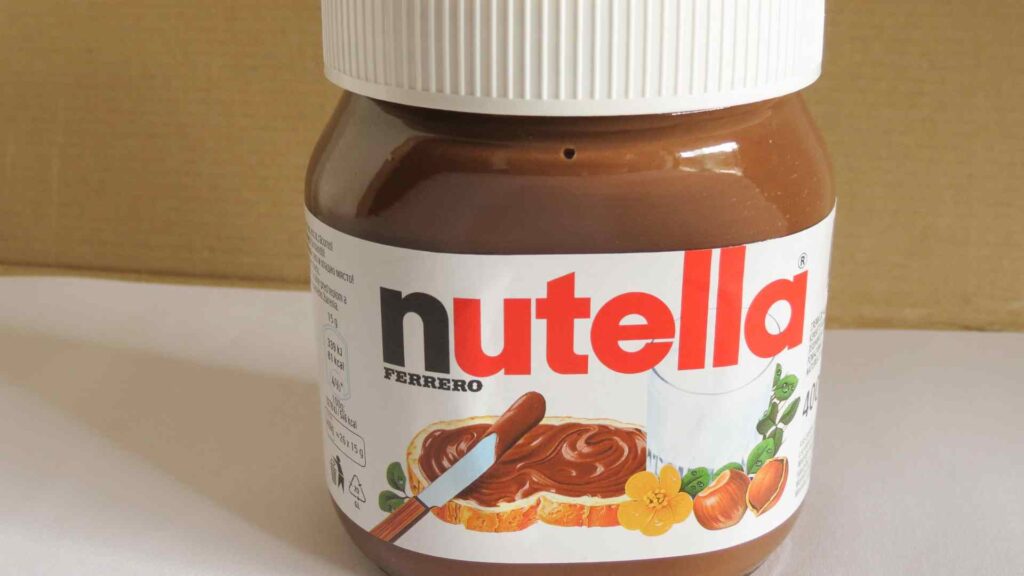
Start with the exact jar
Nutella is a brand, while “chocolate hazelnut spread” is a product category with many formulas. Check the actual label because imported versions, bakery fillings, store brands, homemade spreads, protein products, and sugar-free lookalikes can differ.
Save the jar and record the amount missing, time, dog’s weight, symptoms, medical conditions, and other foods eaten. Photograph the ingredients and nutrition panel before cleaning up.
What the current U.S. Nutella label says
The manufacturer’s U.S. product page lists sugar, palm oil, hazelnuts, skim milk, cocoa, lecithin, and vanillin. It reports 200 calories, 11 grams of fat, and 21 grams of total sugar per two-tablespoon serving.
That label does not list xylitol, but it still describes only the current U.S. product and not every chocolate-hazelnut spread. Recheck the jar in your hand each time rather than relying on memory.
Cocoa means theobromine and caffeine
Cocoa contains methylxanthines, principally theobromine and caffeine, which can poison dogs at sufficient doses. The amount in a finished spread depends on the recipe and how much the dog ate.
The Merck Veterinary Manual explains that methylxanthine concentration varies among cocoa and chocolate products. That variation is why a professional calculation using the exact product is better than a homemade tablespoon chart.
Why a lick is not a jar
A lick from a knife leaves far less product than a missing jar. A healthy medium dog that gets one tiny lick and remains comfortable may only need observation after the label is checked.
A toy breed, a puppy, a dog with pancreatitis or diabetes, a dog that ate an unknown spread, or any dog that emptied a container needs a lower threshold for calling. Proportion matters, but uncertainty is itself useful information.

Chocolate signs to recognize
Possible methylxanthine signs include vomiting, diarrhea, excessive thirst, restlessness, rapid heartbeat, overheating, tremors, abnormal rhythm, and seizures. They may not appear immediately.
Do not wait for severe signs after a meaningful or uncertain cocoa exposure. Our chocolate guide explains product differences, but a veterinarian or animal poison service should perform the case calculation.
Sugar and calories
Sugar is a major ingredient in the current product, and two tablespoons contain more calories than many small dogs should receive from all daily treats combined. A raid can trigger vomiting, diarrhea, and major diet displacement even when the chocolate dose is not toxic.
Conventional sugar is not xylitol, so do not describe them as the same poison. Our sugar guide separates ordinary sugar’s calorie and gastrointestinal concerns from the emergency created by xylitol.
Fat and pancreatitis
Palm oil and hazelnuts make the spread fat-rich. Large table-scrap exposures are a recognized pancreatitis concern, particularly in dogs with previous pancreatitis, high triglycerides, obesity, or a prescribed low-fat diet.
The Merck Veterinary Manual identifies large amounts of table scraps as a common canine pancreatitis risk factor. Repeated vomiting, loss of appetite, lethargy, or marked abdominal pain needs veterinary evaluation.
Hazelnuts are not the main toxin
Plain hazelnuts are not generally treated like macadamias or grapes, but whole nuts can choke, and their fat and calories add to the spread’s load. Ground hazelnut paste does not make Nutella nutritious for a dog.
A product called mixed-nut chocolate spread may contain macadamias, coffee, raisins, or other ingredients. The front flavor name is not a complete risk assessment.
Milk and soy
The current U.S. recipe includes skim milk and soy lecithin. Dogs with food allergy or intestinal disease can react differently, and lactose or rich food may contribute to gas or loose stool.
One digestive episode does not diagnose a milk or soy allergy. Facial swelling, widespread hives, breathing trouble, weakness, or collapse is an emergency.
Sugar-free lookalikes and xylitol
Some low-sugar, keto, diabetic, protein, or homemade-style spreads may use xylitol. Check for xylitol, birch sugar, wood sugar, or birch bark extract and never assume “no added sugar” identifies the sweetener.
The FDA advises immediate veterinary contact after suspected xylitol ingestion because dogs can develop severe low blood sugar and liver injury. Weakness, wobbliness, collapse, seizures, or unusual bleeding may occur, but waiting for signs wastes treatment time.
Check the label every time
Recipes can change, products sold in different countries can vary, and a lookalike jar may sit beside the brand-name spread. Read the ingredient list after every theft rather than stating that all Nutella-like products are xylitol-free.
Our crunchy peanut butter guide uses the same repeated label rule. Nut and seed spreads are especially easy to misidentify once removed from the original jar.
Nutella-filled pastries
Croissants, doughnuts, crepes, cookies, cakes, and stuffed pancakes add butter, oil, salt, frosting, chocolate, alcohol flavoring, raisins, macadamias, or raw dough. Bakery staff may need to check a recipe sheet rather than guess.
Count paper liners, foil, skewers, toothpicks, and plastic wrap. A small smear and an entire filled pastry are different exposures.
Homemade spread
A homemade recipe may contain dark chocolate, cocoa powder, coffee, coconut oil, sugar substitute, protein powder, cannabis, or liqueur. “Made from scratch” gives no safety advantage without the ingredient list and quantities.
Ask the cook for every brand and amount used. If the recipe is uncertain, tell the clinic exactly what is and is not known.
Protein and supplement spreads
Fitness-oriented spreads may add caffeine, guarana, green-tea extract, vitamins, minerals, creatine, herbs, or concentrated protein. These are supplement exposures, not ordinary Nutella exposures.
Save the Supplement Facts panel and count missing servings. Restlessness, rapid heartbeat, tremors, overheating, collapse, or seizures after a stimulant-containing product is urgent.
Jars, foil, and lids
Dogs can swallow foil seals, plastic lids, glass shards, labels, packets, or chunks of a squeeze pouch while reaching the spread. A head or muzzle can also become trapped in a jar.
Do not pull against a tightly trapped container if breathing or circulation may be compromised. Get immediate help, and report every missing packaging component.

Broken glass changes everything
Move the dog away without encouraging frantic licking and keep people in shoes. Do not reach blindly into the mouth, feed bread to cushion glass, or induce vomiting.
Blood from the mouth, pain, drooling, repeated swallowing, vomiting, black stool, weakness, or known missing glass requires urgent veterinary care. Photograph the broken container if it can be done safely.
Sticky spread and choking
A thin lick is unlikely to block an airway, but spread on bread, a spoon, a silicone mat, or a wad of wrapper can be gulped. Coughing, gagging, blue or gray gums, collapse, or inability to breathe is an emergency.
Do not push food down with more food or sweep deep in the mouth. Call the emergency clinic for case-specific first aid while traveling.
Diabetes and therapeutic diets
A sugar-rich spread can interfere with a diabetic dog’s meal and insulin plan. Call the treating team rather than changing insulin, skipping a dose, or forcing extra sugar on your own.
Dogs on elimination, kidney, heart, gastrointestinal, or weight-loss diets may also need advice after a substantial theft. Ingredient and calorie information helps the team decide what matters.
Build a useful amount estimate
Weigh the remaining jar if the original net weight and empty-container weight are available, or compare the missing level with an unopened matching jar. Report the estimate as a range when you are unsure rather than giving false precision.
Include product smeared on the floor, furniture, fur, and packaging so the clinic knows the calculated maximum may overstate what reached the stomach. Honest uncertainty produces a safer triage decision than a confident guess.
Watching after a verified tiny lick
Keep the dog quiet, provide normal access to water, and feed the usual diet unless a professional recommends otherwise. Monitor for vomiting, diarrhea, unusual thirst, restlessness, rapid heartbeat, tremors, abdominal pain, appetite loss, and weakness.
Discovering xylitol, stimulant ingredients, missing glass, or worsening symptoms ends home observation. Call even if the dog looked normal at first.
What to do after an exposure
- Remove the spread, pastries, jars, pouches, lids, foil, glass, and utensils.
- Identify the exact brand, country, recipe, amount, time, and every co-ingredient.
- Check immediately for xylitol, chocolate type, cocoa, coffee, guarana, macadamias, raisins, alcohol, or cannabis.
- Record the dog’s weight, symptoms, conditions, medicines, diet, and missing packaging.
- Call promptly for xylitol, significant or uncertain cocoa, a large amount, serious symptoms, broken glass, or swallowed material.
Do not induce vomiting yourself
Do not give hydrogen peroxide, salt, mustard, oil, milk, charcoal, or extra food unless a veterinarian specifically directs it after reviewing the case. Cocoa, xylitol, sharp packaging, aspiration risk, and timing can change the safest plan.
Our caramel guide covers another sticky sweet where co-ingredients and wrappers matter. Neither spread should be used as a routine reward or medication vehicle.
Bottom line
Nutella is not a dog treat, but one tiny lick of the verified current U.S. recipe is not automatically severe chocolate poisoning. Check the exact label, use amount and dog size proportionately, take xylitol lookalikes seriously, and remember that fat, sugar, cocoa, medical conditions, pastries, jars, foil, and glass can each change the response.