Can Dogs Have Stevia? Xylitol, Erythritol, Blends, and Labels
Stevia is not automatically xylitol, but a product labeled stevia may contain several other sweeteners. A lick of a purified steviol-glycoside product is usually a different concern from xylitol, whole-leaf powder, concentrated drops, a baking blend, or a sweet food with chocolate and other ingredients.
Read the ingredient list before deciding
- Purified steviol glycosides or rebaudioside A only: a small accidental taste is more likely to cause no sign or mild stomach upset than a poisoning crisis.
- Stevia packet or baking blend: identify every bulking sweetener, especially xylitol and erythritol.
- Whole leaf, crude extract, garden plant, tincture, or supplement: keep the label or plant identity and call for a large or symptomatic exposure.
- Sugar-free food, gum, candy, nut butter, drink mix, or medicine: check immediately for xylitol.
- Wrapper, jar, dropper, cap, desiccant, or glass missing: report the foreign-object or cut risk.
Record the full product name, every ingredient, concentration, amount range, time, dog weight, symptoms, conditions, and medicines. “Stevia” on the front panel does not tell you which ingredient makes up most of a packet.
Purified steviol glycosides are not whole stevia leaf
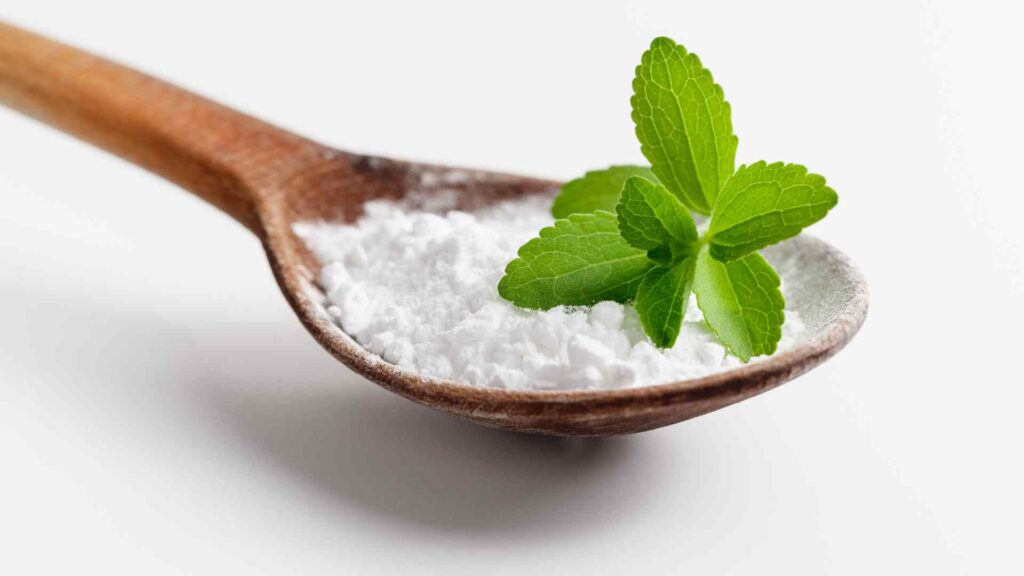
Stevia leaves contain sweet compounds called steviol glycosides, including stevioside and rebaudiosides. Commercial high-intensity sweeteners often use highly purified glycosides, while whole-leaf powders and crude extracts contain a broader plant mixture.
The FDA sweetener overview distinguishes high-purity steviol glycosides used in foods from whole-leaf and crude stevia extracts. That regulatory distinction is for human food use and does not create a canine treatment dose.
A tiny lick of a product containing purified steviol glycosides alone is not expected to behave like xylitol. Still, sweetness is not a nutritional need for dogs, and larger exposures or complete products may cause gastrointestinal upset.
Do not use a human acceptable-daily-intake number as a dog feeding recommendation. Species, formulation, product concentration, and the purpose of an exposure assessment are different.
Xylitol is the urgent label check
Some packets, drink powders, protein products, candies, baked goods, gums, supplements, medicines, and nut butters combine sweeteners. A stevia claim does not rule out xylitol in the same ingredient list.
The FDA xylitol warning advises immediate veterinary or poison-control contact because dogs can develop dangerous low blood sugar and liver injury. Xylitol may also be called birch sugar or wood sugar.
Do not wait for vomiting, weakness, reduced activity, staggering, collapse, tremors, or seizures. Bring the package size, amount missing, dog weight, and exposure time.
Our candy-cane guide explains why ordinary sugar and xylitol-sweetened versions require completely different triage. “Sugar-free” is a cue to read, not a diagnosis.
Erythritol is not xylitol
Erythritol is another sugar alcohol used as a bulking sweetener in stevia blends, but it should not be described as if it carries xylitol’s established canine hypoglycemia and liver-injury risk. Ingredient names that sound similar are still different chemicals.
Published chronic oral research in dogs and additional canine safety studies did not reproduce the characteristic xylitol syndrome at the tested erythritol exposures. That evidence does not make every erythritol-containing food suitable for unrestricted feeding.
A large amount of a polyol blend can still cause vomiting, gas, bloating, loose stool, or appetite change, and the product may contain other hazards. Call for a large or unknown amount, significant symptoms, a tiny or medically vulnerable dog, or an unclear label.
Do not tell a poison professional that the product contained stevia when the ingredient was erythritol, and do not shorten erythritol to xylitol. Photograph the panel so the names stay exact.
Ingredient order helps, but it does not reveal every proportion
Food ingredients are generally listed by weight, so the first sweetener or carrier may make up more of the product than the last. That order can help describe a blend, but it does not provide a precise gram amount for a poison calculation.
A packet may list erythritol first and stevia extract later, while another uses dextrose first and a purified glycoside near the end. Report the exact order and total packet weight rather than estimating percentages from sweetness.
Baking blends can be formulated to replace sugar cup for cup, so a bag raid may involve far more total powder than a few high-intensity tabletop packets. Weigh an identical unopened package or use the labeled net weight when possible.
If the manufacturer publishes a specification or confirms xylitol content, pass that information to the veterinarian. Do not delay an urgent xylitol call while waiting for customer service.
Packets are mostly carrier, not just intense sweetener
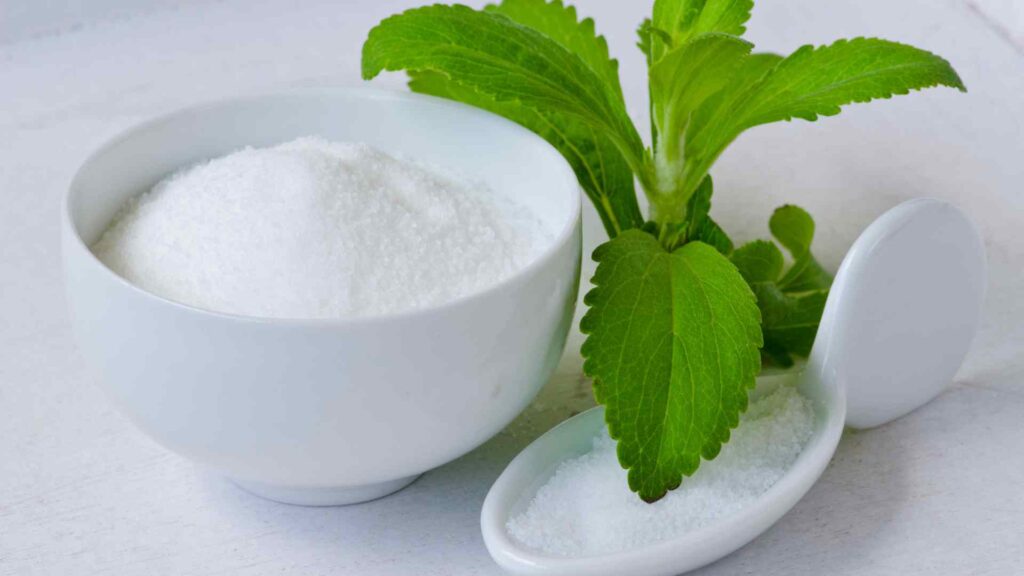
A tabletop packet may combine a very small amount of high-intensity sweetener with dextrose, maltodextrin, erythritol, inulin, or another carrier. The packet’s bulk and digestive effect can come mainly from that carrier.
One torn packet and an entire box raid are different exposures, especially when paper, foil, or plastic was swallowed. Count intact packets, check whether powder was inhaled, and preserve the box.
Powder clouds can irritate eyes and airways. Move the dog to clean air and call for persistent coughing, wheezing, breathing effort, squinting, or eye pain.
Liquid drops and tinctures require concentration details
Stevia drops may use water, glycerin, alcohol, flavors, preservatives, or mixed sweeteners. A dropperful cannot be compared with one tabletop packet without reading serving size and concentration.
Alcohol-based extracts add an ethanol exposure, while flavored drops can add essential oils or other botanical extracts. Report the full inactive-ingredient list.
Glass droppers, caps, seals, and bottles can cut or obstruct after a raid. Do not induce vomiting if glass or a sharp object may be present.
Whole leaf and garden stevia are plant exposures
A verified Stevia rebaudiana leaf is not the same material as purified glycosides, and a chewed nursery plant can include stems, soil, fertilizer, pesticide, plant tags, and pot fragments. Photograph the whole plant and label.
Do not identify an unknown sweet-smelling or similar-looking garden plant as stevia from a single leaf. Call for unknown plant material, a large amount, or vomiting, weakness, tremors, or abnormal behavior.
Whole-leaf or crude preparations should not be added to dog food for blood sugar, weight loss, dental health, inflammation, or appetite control. A marketing claim does not establish an effective veterinary formulation.
Stevia is not diabetes or weight treatment
Replacing sugar with a noncaloric sweetener can change a human recipe, but it does not make a finished snack appropriate for a diabetic dog. Flour, fat, starch, serving size, medication timing, and the rest of the diet still matter.
Do not add stevia to water or food to reduce appetite or accelerate weight loss. Weight management requires a measured complete diet, accurate treat accounting, an appropriate calorie target, and investigation of unexpected hunger or weight change.
Dogs receiving insulin need a consistent veterinarian-directed feeding and medication schedule. Vomiting, refusal to eat, weakness, unusual sleepiness, tremors, or collapse in a diabetic dog needs prompt clinical advice rather than a sweetened meal.
Sweet foods bring co-ingredients
Stevia-sweetened chocolate, brownies, protein bars, ice cream, yogurt, nut butter, and drink mixes can contain caffeine, cacao, macadamias, raisins, alcohol, dairy, or concentrated supplements. The sweetener may not be the most urgent ingredient.
Our candy label guide shows how wrappers, choking, chocolate varieties, and sugar-free formulas change a confection exposure. Save the entire package, not a cropped sweetener claim.
Protein powders may add caffeine, creatine, vitamins, minerals, herbs, or medication-like ingredients in concentrated servings. Report every active and inactive component after a scoop or tub raid.
Our almond-milk guide uses the same label-first approach for flavored, chocolate, sweetened, and additive-containing products. A base ingredient cannot clear a finished beverage.
Gastrointestinal upset is the practical limit for many blends
Sweetener carriers and sugar alcohols can draw water into the intestine or be fermented, producing gas, cramping, loose stool, or urgency. Individual tolerance and product composition vary.
Do not set a universal safe teaspoon because packet weight, ingredient ratios, dog size, health, and prior exposure differ. A small lick with no xylitol and no symptoms is different from a torn bulk bag.
Repeated vomiting, severe diarrhea, a painful swollen abdomen, marked weakness, inability to keep water down, tremors, or collapse warrants prompt care. Puppies, tiny dogs, frail seniors, and dogs with diabetes or liver disease deserve earlier input.
Storage and cleanup prevent repeat exposure
Keep sweetener packets, bulk baking bags, supplements, medicines, gum, candy, and drink powders inside closed cabinets rather than open counter baskets. Store xylitol products separately and make sure every household member recognizes the name.
After a powder spill, separate pets before cleaning so you can estimate who reached it. Vacuum or wipe residue according to the surface, inspect paws and fur, and keep the outer package for ingredient and lot information.
Do not transfer a sweetener into an unlabeled jar when dogs share the kitchen. If you use a storage container, retain the original label or attach the full ingredient panel and product name.
When the label is missing or unreadable
Treat an unknown white sweetener as an identification problem rather than calling it sugar, stevia, or xylitol by appearance. Check receipts, pantry duplicates, manufacturer photos, and the person who filled the container while contacting a professional if exposure may be meaningful.
Tell the veterinarian exactly what is known and unknown, including the container location, likely products in the home, amount missing, and symptoms. Honest uncertainty supports safer triage than a confident guess.
What to do after an exposure
Secure the product, separate pets, photograph the front and ingredient panels, and estimate the minimum and maximum amount. Account for wrappers, scoops, caps, glass, desiccants, and everything mixed with the sweetener.
Call immediately for xylitol or a product that may contain it. For a verified xylitol-free purified steviol-glycoside taste, monitor as advised and keep normal fresh water available unless medically restricted.
Do not induce vomiting or give sugar syrup, food, peroxide, charcoal, or medication unless a veterinarian directs you. The correct response depends on the actual ingredient, amount, timing, symptoms, and foreign-object risk.
Bottom line
Purified steviol glycosides are not the same as xylitol, and a tiny accidental taste is usually a low-level concern. The label still matters because packets, blends, whole leaf, drops, sweet foods, erythritol, xylitol, co-ingredients, symptoms, and packaging all change the response.