Can Cats Have Avocado Oil? Fat, Pancreatitis, and Product Risks
Do not pour avocado oil over a cat’s food, but one small lick of plain culinary oil is unlikely to poison most healthy adults. A puddle, oil-coated fur, hot grease, cooking spray, flavored oil, supplement, or cosmetic needs a different response because the dose and ingredients have changed.
The slick paw matters more than the trendy label
Avocado oil is sold as a bottle for cooking, an aerosol or pump spray, a flavored finishing oil, a capsule, and an ingredient in skin or hair products. Start by putting the exact container beside you and deciding whether the cat licked food, drank from a spill, or walked through it.
Check the floor for glass, a missing cap, foil seal, capsule shell, or spray-can damage. A cut paw, swallowed closure, or punctured pressurized can can outrank the edible oil in urgency.
Five exposures hiding under one name
| Product or event | Main question | First step |
|---|---|---|
| Tiny lick of plain cooking oil | Amount and stomach tolerance | Remove it and observe |
| Several mouthfuls or unknown spill | Large fat load, vomiting, aspiration, packaging | Call a veterinarian promptly |
| Oil coating paws or coat | Continued grooming and skin exposure | Prevent licking and ask how to clean safely |
| Garlic, chili, herb, or truffle oil | Added ingredients and concentrations | Photograph the label and seek advice |
| Cooking spray or cosmetic | Propellants, emulsifiers, fragrance, other ingredients | Treat it as the exact product, not pure oil |
What we know, and what we should not pretend
There is no established veterinary recommendation to give culinary avocado oil to healthy cats, and there is no useful cat-specific “safe spoonful” supported by feeding trials. A tiny accidental taste and a planned daily supplement are not equivalent evidence questions.
The FDA describes whole avocado as only mildly toxic to dogs and cats while noting much greater sensitivity in several other species. That page does not establish the persin concentration, safety, purity, or benefit of every avocado-oil product.
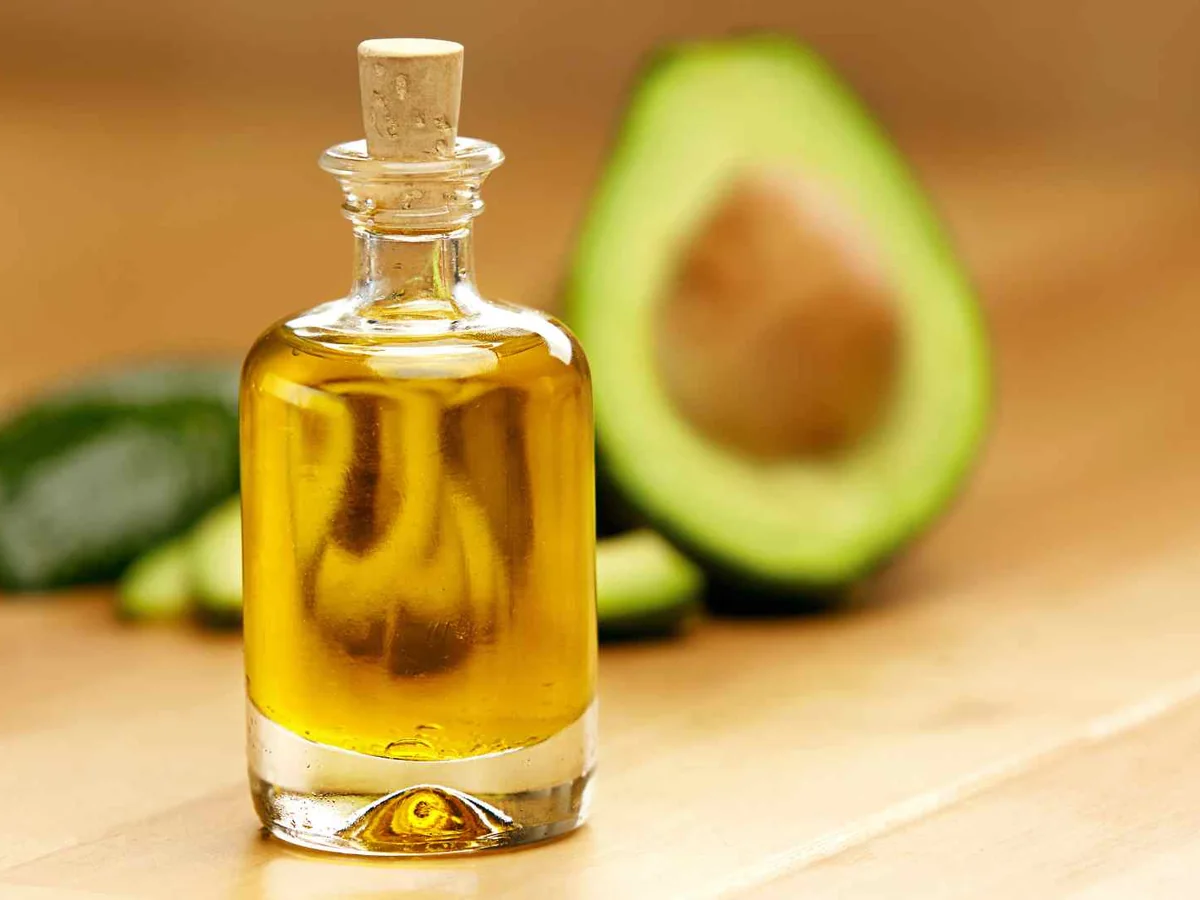
Whole avocado and extracted oil are not interchangeable
Avocado leaves, bark, seed, skin, and flesh do not have the same composition as a bottled culinary oil. Extraction method, refining, cultivar, source material, storage, oxidation, and added flavors can all differ, so confident blanket claims about “persin-free oil” need product evidence.
The ASPCA’s avocado overview explains why sensitivity varies dramatically among animal species. It is useful context for caution, not proof that oil is either a feline poison or a feline supplement.
The most predictable fact is that oil is concentrated fat
Oil delivers many calories in a small volume and can cause vomiting or diarrhea when a cat laps more than its digestive system tolerates. Regular drizzles also make a weight-management plan harder to measure and can crowd out nutritionally complete food.
A shiny teaspoon looks insignificant in a human skillet but can be a meaningful extra for a small cat. The honest recommendation is to avoid routine use unless a veterinarian has calculated it within a specific diet.
One lick does not guarantee pancreatitis
It is inaccurate to tell readers that a single oil taste automatically inflames a cat’s pancreas. Cornell notes that more than 95 percent of feline pancreatitis cases have no obvious underlying cause, which should make anyone cautious about simple blame.
It is equally unhelpful to ignore persistent signs after a rich exposure. Reduced appetite, lethargy, vomiting, weight loss, diarrhea, or apparent abdominal discomfort can occur with pancreatitis and many other illnesses, so diagnosis belongs at the clinic.
A large spill can keep becoming a dose
An oil-coated cat will repeatedly swallow more while grooming, even after the bottle is upright again. Confine the cat away from the spill, prevent licking if you can do so safely, and call a veterinary professional for product-specific cleaning instructions.
Do not pour solvents, essential oils, concentrated degreasers, or household cleaners onto fur. If the coat is heavily saturated or the cat is distressed, professional decontamination may be safer than a wrestling match in a slippery bathtub.
Do not syringe oil into a cat’s mouth
Force-feeding a liquid fat risks coughing, choking, and aspiration into the lungs, especially when a cat fights or has a swallowing disorder. Avocado oil is not an antidote for another toxin and should never be used to “coat the stomach” after an exposure.
Coughing, rapid or difficult breathing, unusual chest movement, weakness, or blue-gray gums after liquid was forced requires urgent veterinary care. Do not wait for the cat to sleep it off.
Hot oil is a burn emergency
A cat who jumps near a sauté pan may encounter oil hot enough to damage the mouth, eyes, skin, and paw pads. Move the cat away from heat, do not apply butter or ointment, and contact an emergency clinic for immediate first-aid and transport guidance.
Burn severity can be difficult to judge through fur and may worsen after the first look. Eye exposure, facial burns, blistering, severe pain, breathing changes, or a large affected area deserves urgent examination.
Garlic and herb-infused oils are separate products
Infused bottles may contain garlic, onion, shallot, chili, citrus oil, rosemary extract, or proprietary flavor blends. Read every ingredient and do not assume removing the visible herb removes compounds already transferred into the oil.
Garlic and onion deserve prompt case-based advice because cats are susceptible to oxidative red-blood-cell injury and signs may be delayed. A food name such as “Italian,” “herb,” or “truffle” is not a substitute for the ingredient panel.
Cooking spray may contain much more than avocado oil
Some sprays include emulsifiers, antifoaming agents, propellants, alcohol, lecithin, or other oils, and aerosol inhalation adds a respiratory route. Take a cat into fresh air after an accidental cloud without exposing yourself, then call if coughing, wheezing, drooling, vomiting, or breathing changes appear.
Never puncture or heat the can to inspect it, and keep the nozzle away from faces. Report the brand, exact product, amount released, room ventilation, and whether the cat’s eyes or coat were sprayed.
Dressings, mayonnaise, and marinades need a full label read
“Made with avocado oil” can appear on products that also contain salt, vinegar, egg, mustard, garlic, onion, sweeteners, dairy, or spices. The highlighted front-label ingredient may represent only one part of the formula.
Our live pickle article is a useful reminder that brine and seasonings travel with the bite. For cheesy or garlicky prepared foods, the pizza guide offers another ingredient-by-ingredient model.
Capsules can hide flavoring and packaging hazards
An avocado-oil softgel may contain gelatin, glycerin, color, flavor, or a blend of multiple oils, and the bottle may include a desiccant. Count the missing capsules and check whether the moisture absorber or cap was disturbed.
Do not substitute a human supplement label for veterinary approval. The dose, quality controls, calorie contribution, and intended use may not fit a cat, even when every ingredient is familiar.
Cosmetic avocado oil is not food
Hair serums, beard oils, lotions, soaps, cuticle products, and massage blends may advertise avocado oil while containing fragrance, essential oils, preservatives, surfactants, or medications. Assess the full cosmetic formula and the route of exposure.
Eye exposure, persistent drooling, tremors, marked lethargy, repeated vomiting, or breathing changes requires prompt advice. Bring the container to the clinic because a product’s marketing name rarely lists the ingredient that matters most.
It is not a proven hairball treatment
Oil is often recommended online to “lubricate” hair through the intestines, but that simple story ignores the cause of repeated vomiting and the risk of force-feeding. Frequent hairballs, coughing, retching, constipation, or appetite changes should be discussed with a veterinarian.
Some episodes called hairballs are respiratory coughing, nausea, or another gastrointestinal problem. A video of the event can help the clinician distinguish what the cat is actually doing.
It is not a reliable constipation remedy either
A measured veterinary laxative plan is not the same as pouring culinary oil onto dinner. Constipation can involve dehydration, pain, pelvic narrowing, medication effects, neurologic disease, or obstruction, and indiscriminate fat may add vomiting without solving the cause.
Repeated litter-box straining with little or no urine can signal urinary obstruction, particularly in male cats. Treat distress, vocalizing, vomiting, genital licking, or unsuccessful urination as an emergency rather than assuming stool is the problem.
Coat and skin claims need evidence, not shine
A glossy puddle does not prove that dietary avocado oil improves a cat’s coat. Essential fatty-acid needs should be met through a balanced feline diet or a veterinarian-selected supplement with an appropriate source and dose.
Cornell’s cat nutrition resource cautions that more vitamins and minerals are not automatically better, and the same evidence-minded approach fits oils. Itchy, flaky, greasy, or thinning coats can reflect parasites, allergy, infection, pain, or systemic disease.
Which cats deserve an especially conservative answer?
- Cats with a history of pancreatitis or chronic gastrointestinal disease
- Cats with obesity, diabetes, or a prescribed calorie target
- Cats eating a therapeutic diet for kidney, liver, urinary, or food-responsive disease
- Cats with swallowing problems or previous aspiration
- Kittens and small cats with little calorie room for extras
- Cats already vomiting or refusing food
These conditions do not prove that one lick will cause harm, but they reduce the value of casual experimentation. Ask the veterinarian managing the cat before making any oil a routine topper.
After one lick of plain, cool cooking oil
- Remove the bottle and wipe the food-area spill so there is no second visit.
- Confirm that the product contains avocado oil without flavors or other active ingredients.
- Estimate the amount missing and check whether the cap, seal, or glass is intact.
- Leave the cat’s usual water available and continue the normal complete diet.
- Watch as your veterinary team advises for vomiting, diarrhea, appetite loss, lethargy, coughing, or discomfort.
Do not induce vomiting with hydrogen peroxide or salt, and do not withhold food for a prolonged period unless a veterinarian directs you. Cats who stop eating can develop serious complications, so “resting the stomach” is not a harmless universal plan.
When to call instead of watching
Call promptly for more than a small lick, an unknown amount, flavored oil, a spray or cosmetic, saturated fur, a broken bottle, swallowed packaging, or an existing medical condition. Contact an emergency clinic for respiratory trouble, collapse, severe weakness, repeated vomiting, a painful abdomen, burns, or eye exposure.
Have the exact product, ingredient panel, cat’s weight, exposure time, and symptoms ready. A photo of the label lets the veterinary team judge the container in your house rather than a generic bottle found online.
Better ways to make dinner feel shared
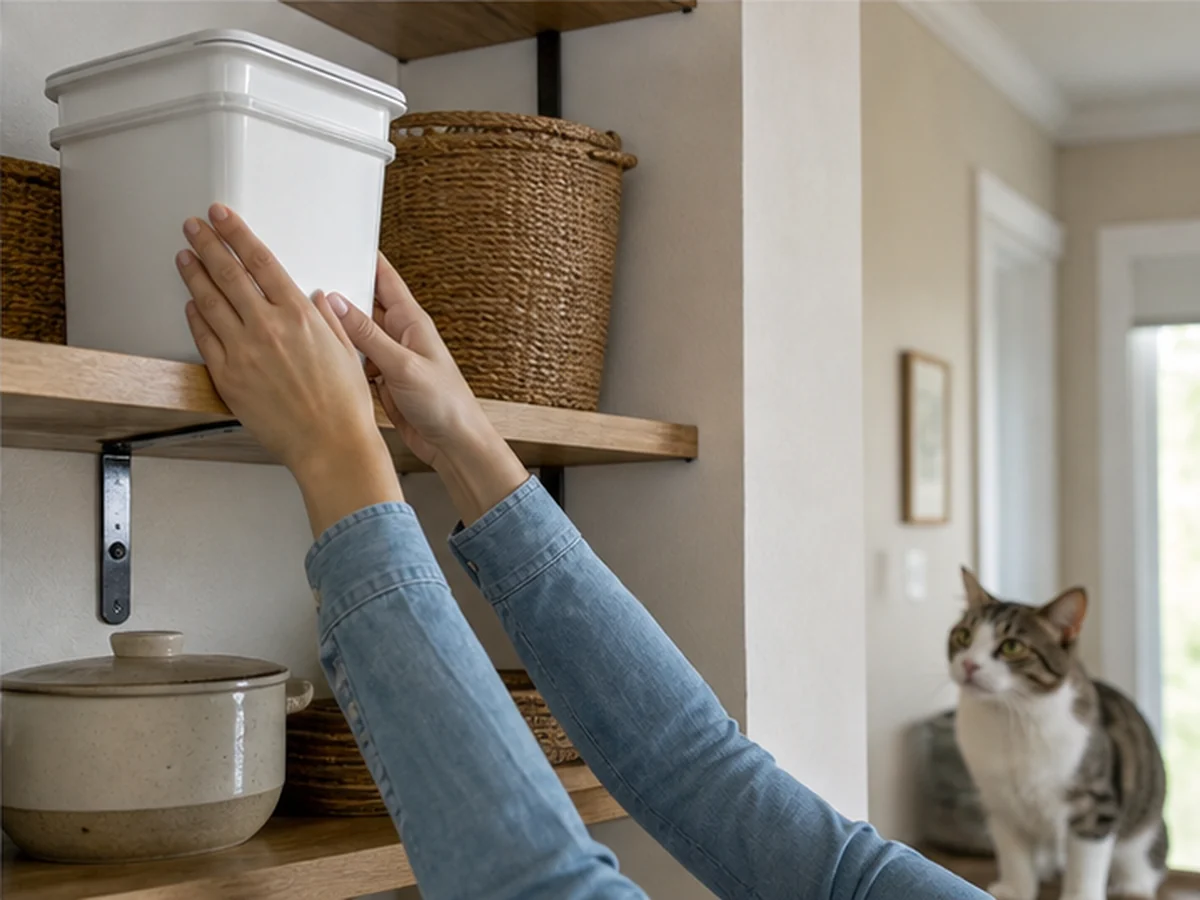
Reserve a few pieces of the cat’s normal food, use a measured commercial cat treat, or offer attention away from the stovetop. That preserves the social ritual without quietly changing the diet’s fat and calorie content.
If your cat is attracted to rich dairy smells, our butter safety guide explains why enthusiasm is not nutritional evidence. Strong aroma often explains the investigation better than a hidden biological need.
Frequently asked questions
Is avocado oil toxic to cats?
Plain culinary avocado oil is not established as a potent feline poison, but product-specific persin content and a safe dose are not well defined. It is concentrated fat with no proven need in a healthy cat’s bowl, so routine feeding is not recommended.
Will one lick cause pancreatitis?
One tiny lick does not guarantee pancreatitis, and most feline cases lack an obvious cause. Monitor the individual cat and seek veterinary care for persistent appetite loss, vomiting, lethargy, diarrhea, or pain.
Can avocado oil help a cat pass hairballs?
There is no good reason to use kitchen avocado oil as a hairball remedy without veterinary direction. Recurrent retching needs assessment because it may represent hairballs, nausea, airway disease, or another problem.
Can I rub avocado oil on dry feline skin?
Do not apply it casually because the cat will groom it off and the skin problem may need diagnosis. A veterinarian can identify parasites, allergy, infection, or systemic illness and recommend a product designed for cats.
What if my cat broke the oil bottle?
Keep the cat still and away from the spill, look for bleeding without digging into wounds, and contact an emergency clinic about glass exposure. Oil-soaked fur and paws also need safe decontamination advice so grooming does not continue the ingestion.
Bottom line
A tiny lick of plain, cool avocado cooking oil is usually a monitoring event, not proof of poisoning or impending pancreatitis. Skip routine drizzles, read every product label, prevent repeat grooming after spills, and call promptly when the amount, formulation, packaging, heat, or symptoms make the event more than a lick.