Can Dogs Drink Oat Milk? Labels, Flavors, and Cartons
A tiny sip of plain, unflavored, xylitol-free oat milk is usually low risk for a healthy dog, but water remains the right routine drink. Recipes vary widely, so check sweeteners, chocolate, coffee, oil, sugar, fortification, gums, allergens, and packaging before deciding whether to observe or call.

Oat milk is a product category
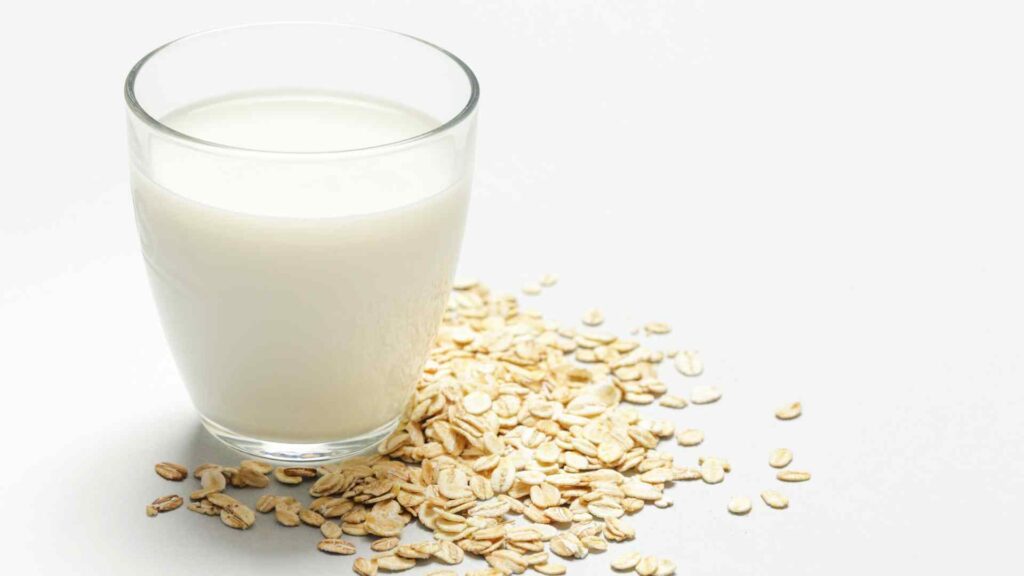
Oat milk can mean refrigerated original, shelf-stable unsweetened, extra-creamy, barista blend, chocolate, vanilla, coffee, protein, flavored creamer, powdered mix, or a homemade drink. Those labels are not interchangeable.
Save the carton and record the product, amount, time, dog’s weight, symptoms, health conditions, and medicines. Photograph both ingredients and Nutrition Facts before recycling anything.
A tiny plain sip
One lick or small sip of verified plain oat milk is usually an observation event for a comfortable healthy dog. It is not a reason to fill the water bowl or offer a daily serving.
A carton raid, a flavored product, repeated vomiting, a small or medically fragile dog, or missing packaging deserves a lower threshold for calling. Amount and formulation matter together.
Read the ingredient list, not the front
A current Oatly U.S. product page says its non-chocolate oat milks do not use added sweeteners such as cane sugar, but this is one manufacturer’s statement and not a category rule.
Other products may use cane sugar, syrups, flavorings, oils, gums, vitamins, minerals, salt, or sweeteners. Formulas can change, so the carton in hand wins.
Xylitol is the urgent label check
Look for xylitol in sugar-free drinks, flavored creamers, drink powders, homemade recipes, and specialty low-carb products. Also check for birch sugar, wood sugar, and birch bark extract.
The FDA advises immediate veterinary contact after possible xylitol ingestion. Dogs can develop dangerous low blood sugar and liver injury before an owner realizes a beverage was not conventionally sweetened.

Xylitol signs
Vomiting, weakness, decreased activity, wobbliness, collapse, seizures, or unusual bleeding can occur. Do not wait for signs if the label lists xylitol or the sweetener is unknown.
Bring the amount swallowed, product volume, ingredient list, and dog’s weight to the call. Do not substitute a human sugar-alcohol rule because dogs respond differently to xylitol.
Ordinary sugar is not xylitol
Cane sugar and oat-derived sugars do not cause the same rapid insulin crisis as xylitol, but they add calories and can worsen stomach upset. Sweetened oat drinks have no place in a diabetes or weight-management plan without veterinary approval.
Our sugar guide separates conventional sugar from xylitol. Do not change insulin or force extra sugar after a drink theft unless the treating team directs it.
Chocolate oat milk
Chocolate and cocoa contain theobromine and caffeine, and concentration varies by product. A chocolate carton needs a methylxanthine calculation, not the advice for plain oat milk.
The Merck Veterinary Manual explains that cocoa-product methylxanthine content varies. Save the exact label and call for vomiting, excessive thirst, restlessness, rapid heartbeat, tremors, overheating, or seizures.
Coffee and barista drinks
An oat latte adds coffee or espresso, while some canned oat drinks include caffeine or energy ingredients. Decaf still is not guaranteed caffeine-free and may contain chocolate, sugar, syrup, or sweetener.
Do not wait for agitation, rapid heartbeat, tremors, or seizures after a meaningful caffeine exposure. Report the drink size, number of espresso shots, and amount missing.
Oil and extra-creamy products
Many oat milks use canola, sunflower, or another oil for texture, and barista versions may contain more fat or calories. A sip is different from drinking a carton.
Dogs with pancreatitis history, high triglycerides, obesity, or a prescribed low-fat diet need individualized advice. Our sunflower oil guide explains why an ingredient used in a recipe is not permission to drink the oil itself.
Gums and digestive tolerance
Products may use gellan gum, guar gum, xanthan gum, carrageenan, starch, or fiber for suspension and texture. These ingredients are not automatically poisons, but product and individual tolerance varies and a large drink can cause gas or loose stool.
Do not use oat milk to treat constipation or diarrhea. Repeated vomiting, severe diarrhea, blood, black stool, abdominal pain, or inability to keep water down needs veterinary advice.
Fortification is not a supplement plan
Oat milk may be fortified for human diets with calcium, vitamin D, vitamin A, vitamin B12, phosphorus, or other nutrients. The listed human Daily Value does not establish a canine dose or need.
A complete dog food already balances nutrients for the life stage. Do not use oat milk to strengthen bones, correct calcium, replace a prescribed supplement, or support puppy growth.
Oat milk is not puppy formula
Plant beverages are not replacements for a mother dog’s milk or veterinary canine milk replacer. Orphaned or poorly nursing puppies need a species-appropriate feeding plan because fluid, energy, protein, fat, minerals, concentration, and feeding technique all matter.
Weakness, crying, poor nursing, chilling, bloating, diarrhea, or failure to gain weight in a puppy needs prompt veterinary help. Do not improvise with oat milk, cow milk, or homemade recipes while waiting.
It is not superior hydration
Water should be available as the routine drink. Oat milk adds calories and ingredients and does not treat dehydration, heatstroke, vomiting, kidney disease, or poor appetite.
Collapse, confusion, persistent heavy panting, weakness, repeated vomiting, or very hot body temperature after heat exposure is an emergency. Oat milk can delay proper cooling and care.
Oat allergy and cross-contact
A dog can react to oats or another ingredient, although one loose stool does not diagnose allergy. Products may also share equipment with dairy, soy, nuts, coconut, or other allergens.
Facial swelling, widespread hives, breathing difficulty, weakness, or collapse is an emergency. Recurring skin, ear, paw, or digestive signs need a structured veterinary diet trial rather than switching drink brands.
Gluten-free labels
A gluten-free claim is designed for human labeling needs and does not make a drink healthier for most dogs. Cross-contact information can matter for the rare dog on a veterinarian-managed diet that excludes particular grains.
Our oats guide covers plain cooked oats versus granola and baked forms. A liquid product still requires its own label review.
Cartons, caps, straws, and seals
Dogs may swallow plastic caps, pull tabs, foil seals, straws, paperboard, spouts, or pieces of a pouch while reaching the drink. The liquid may be less important than the foreign material.
The FDA warns that nonfood items can choke pets or obstruct the digestive tract. Count every missing piece and call for repeated vomiting, pain, appetite loss, or breathing trouble.
Spoilage and refrigeration
Shelf-stable cartons require refrigeration after opening, and refrigerated products should stay cold according to their labels. Sour odor, swelling, gas, curdling, slime, leaking, or mold means discard it securely.
Do not rely on a dog to test questionable leftovers. Refrigeration slows many microbes but does not make an opened carton last indefinitely.
Vanilla and flavored creamers
Vanilla oat milk may use flavor rather than a dangerous amount of vanilla extract, but recipes vary. Coffee-shop syrups and homemade drinks can add alcohol-based extract, sugar, chocolate, coffee, nutmeg, or sugar substitutes.
Ask for the recipe and serving size after a cafe theft. A flavor name alone cannot establish caffeine, alcohol, or xylitol exposure.
Powdered oat beverages
Dry oat-milk powder can contain sweetener, creamer, protein, vitamins, flavors, or caffeine and can irritate the nose or airways when scattered. Move the dog away from dust and save the ingredient and supplement panels.
Persistent coughing, wheezing, breathing difficulty, tremors, weakness, or a large unknown powder exposure needs prompt advice. Do not force water into a coughing dog’s mouth.
Heart and kidney diets
Some oat beverages contain added sodium, potassium, phosphorus, or calcium. A product that looks modest on a human Nutrition Facts panel may not fit a dog’s heart or kidney prescription.
Call the treating team after a substantial exposure and do not change medication or the next therapeutic meal on your own. Provide the mineral amounts per serving and number of servings missing.
Homemade oat milk
Homemade versions may contain only oats and water, or they may include dates, raisins, maple syrup, vanilla extract, salt, oil, nuts, chocolate, or xylitol. Ask for the exact recipe and account for strained solids.
A blender lid, cloth, nut-milk bag, blade cover, and storage jar create foreign-body or glass hazards during a kitchen raid. Count equipment and broken pieces before focusing on the oats.
Treat-calorie context
Even unsweetened oat milk can contribute calories. The UC Davis School of Veterinary Medicine recommends keeping treats and extra foods below 10 percent of daily calories so the complete diet remains dominant.
That small allowance includes every topper, chew, training treat, table scrap, and flavored drink. There is rarely room or reason for a bowl of plant milk.
What to do after a carton raid
- Remove the drink, carton, cap, seal, straw, glass, and other ingredients.
- Identify the exact flavor and check for xylitol, chocolate, coffee, caffeine, raisins, alcohol, and oils.
- Estimate the amount and time, then record weight, symptoms, conditions, medicines, and prescribed diet.
- Count packaging and photograph the ingredient, nutrition, and allergen panels.
- Call promptly for xylitol, cocoa, caffeine, a large amount, serious symptoms, or swallowed material.
Bottom line
A tiny sip of verified plain xylitol-free oat milk is generally low risk, but it is not a canine hydration, calcium, or dairy-replacement product. Check every label, separate sugar from xylitol, treat chocolate and coffee separately, respect oil, fortification, allergy, and stomach tolerance, and never overlook the carton or cap.