Can Cats Eat Provolone? Sodium, Fat, Dairy, and Deli Add-Ins
One tiny piece of plain pasteurized provolone is unlikely to harm a healthy adult cat, although dairy can cause digestive upset. Sodium, fat, whole slices, smoked or sharp varieties, garlic-seasoned products, deli sandwiches, spoilage, and wrappers change the practical answer.
Identify the cheese and the meal
Save the label and note mild, sharp, smoked, deli-sliced, prepackaged, or flavored provolone. Count missing slices, sandwich fillings, toothpicks, plastic, and waxed paper.
A plain crumb often needs observation. Call for choking, a whole folded slice, garlic or onion, raw-milk cheese, spoilage, large amount, or missing package material.
Breathing trouble, repeated vomiting, severe diarrhea, weakness, pale gums, collapse, or abdominal pain needs care. Do not induce vomiting or give more dairy.
Provolone is not complete feline protein
Cheese contains protein but lacks the complete nutrient profile of balanced cat food. It adds calories, fat, and sodium in a small volume.
The Cornell Feline Health Center notes many cats are lactose-intolerant and treats should stay limited.
One tolerated taste does not establish a regular portion. Reserve normal cat food for snack rituals.
Lactose intolerance and allergy differ
Aged cheese may contain less lactose than milk, but products vary and provolone is not guaranteed lactose-free. Gas, soft stool, vomiting, and discomfort can follow dairy.
Milk-protein allergy is an immune problem rather than lactose digestion. Facial swelling, hives, breathing difficulty, or collapse is urgent.
A cat in an elimination trial must receive no unapproved cheese. One bite can complicate the result.
Sodium varies by style
Sharp, smoked, deli, and processed slices can have different sodium concentrations. The FDA label guide helps interpret serving size and sodium.
One crumb rarely causes salt poisoning, while several slices or a cat with kidney or heart disease deserves advice.
Vomiting, extreme thirst, weakness, disorientation, tremors, seizures, or collapse after substantial salt exposure is urgent.
Fat and calories
Regular cheese extras can undermine obesity and diabetes plans. Rich dairy may also provoke digestive illness in sensitive cats.
Do not claim one bite instantly causes pancreatitis. Persistent vomiting, abdominal pain, lethargy, or food refusal requires veterinary assessment.
Part-skim or reduced-fat labeling does not make provolone nutritionally necessary.
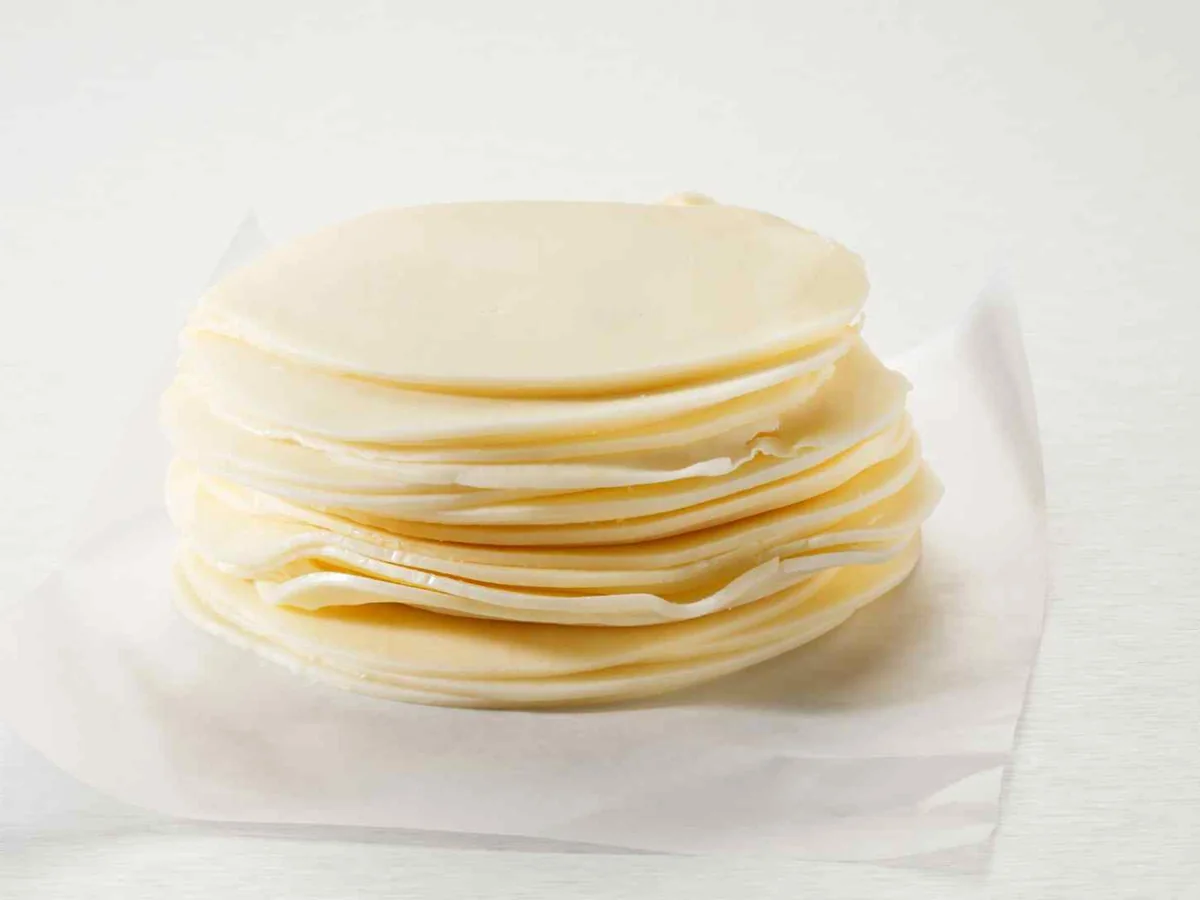
Folded slices can choke
A whole deli slice can fold into a sticky mass and lodge in the throat. Stringy melted cheese creates another awkward shape.
Seek emergency help if air movement stops, gums turn blue-gray, or the cat collapses. Avoid blind finger sweeps.
Call after a swallowed package stack or later vomiting, appetite loss, and belly pain.
Smoked, sharp, and seasoned products
Smoking and aging change flavor and can change sodium, while pepper and chili coatings may irritate. Garlic or onion flavor requires prompt review.
The ASPCA identifies feline susceptibility to allium injury. Call before delayed anemia signs appear.
The live provolone product guide helps recognize forms, but dog portions do not set feline advice.
Sandwiches are ingredient crowds
Italian subs may add salami, ham, pepperoni, onion, garlic dressing, hot peppers, olives, mayonnaise, bread, and toothpicks.
The cat salami guide covers cured-meat sodium and fat. Report the complete sandwich.
Count picks and plastic wrap immediately. A missing sharp object outranks a cheese crumb.
Pizza and melted dishes
Pizza combines provolone with sauce, alliums, dough, cured meat, grease, and foil. Hot melted cheese can burn and stick to fur.
The cat pizza guide handles the whole slice. Cool minor surface burns with room-temperature water and seek care for blistering.
Macaroni, casseroles, and meatballs bring similarly complex recipes. Photograph the dish.
Pasteurization, storage, and spoilage
Raw-milk cheese can carry harmful microbes and should not be offered. Check the pasteurization statement rather than relying on artisan marketing.
Refrigerate according to the label and discard slimy, sour, discolored, or moldy slices. Do not trim accidental mold for a cat.
Vomiting, diarrhea, feverish behavior, lethargy, or appetite loss after questionable dairy deserves advice.
Wrappers and deli paper
Plastic dividers, cling film, zipper bags, price labels, and waxed paper smell like cheese and may be swallowed.
The FDA pet-hazard overview supports treating food packaging as its own exposure.
Call whenever material is missing and never pull film from the mouth or anus.
Medical diets and monitoring
Kidney disease, heart disease, diabetes, obesity, gastrointestinal illness, allergy, and prescription diets eliminate any reason to share provolone.
After one plain crumb, continue usual meals and water while watching appetite, vomiting, stool, energy, swallowing, and abdominal comfort.
A tiny plain pasteurized bite is usually low risk, but lactose, sodium, fat, shape, flavor, deli additions, spoilage, and wrapping decide the full response.
Provolone piccante and dolce
Dolce is generally milder and piccante sharper, but style names do not state feline-safe sodium, fat, or portion.
Aged texture can also become firmer and easier to break into awkward chunks.
Read the actual label rather than ranking cheese by Italian terminology.
Cheese boards
Provolone on a board may sit beside grapes, raisins, nuts, cured meat, olives, chocolate, and sharp picks.
Inventory the full board before deciding the cheese was the main exposure.
The cat grape guide preserves feline uncertainty without borrowing dog doses.
Cheese rind and coatings
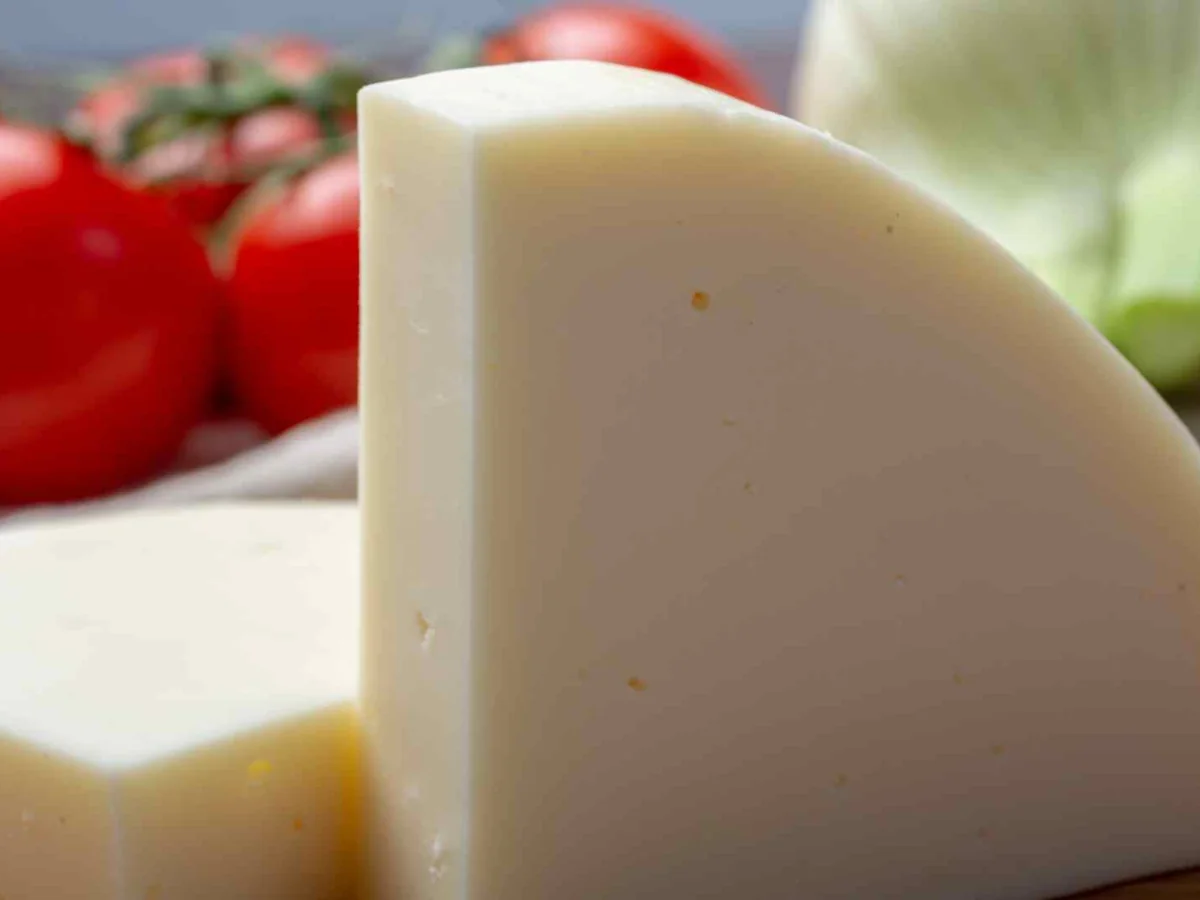
Natural or treated surfaces can be firmer than the interior and may carry wax, smoke, herbs, or pepper.
Do not offer rind and call about a large swallowed strip or missing wax.
Package-specific information is more useful than assuming every rind is edible.
Meatball and chicken sandwiches
Hot sandwiches add tomato sauce, garlic, onion, bread, fried coating, and grease.
Melted provolone can hide toothpicks or cling to plastic wrap.
Report the entire item and seek care for mouth burns or foreign objects.
Deli-counter handling
Cold cheese should remain refrigerated and separate from raw meat contamination.
Date labels and storage history matter after a counter raid.
Vomiting, diarrhea, feverish behavior, or appetite loss after mishandled deli food deserves advice.
Dental texture
A thick cold slice may be rubbery enough to lodge or difficult for a painful mouth.
Never use a folded slice as chewing enrichment.
Sudden drooling, one-sided chewing, or dropped food warrants examination.
Calorie awareness
A human slice is a meaningful energy addition for a small cat.
Count cheese within all extras instead of treating protein foods as calorie-free.
Weight loss or poor appetite should be medically investigated rather than treated with deli cheese.
Monitoring details
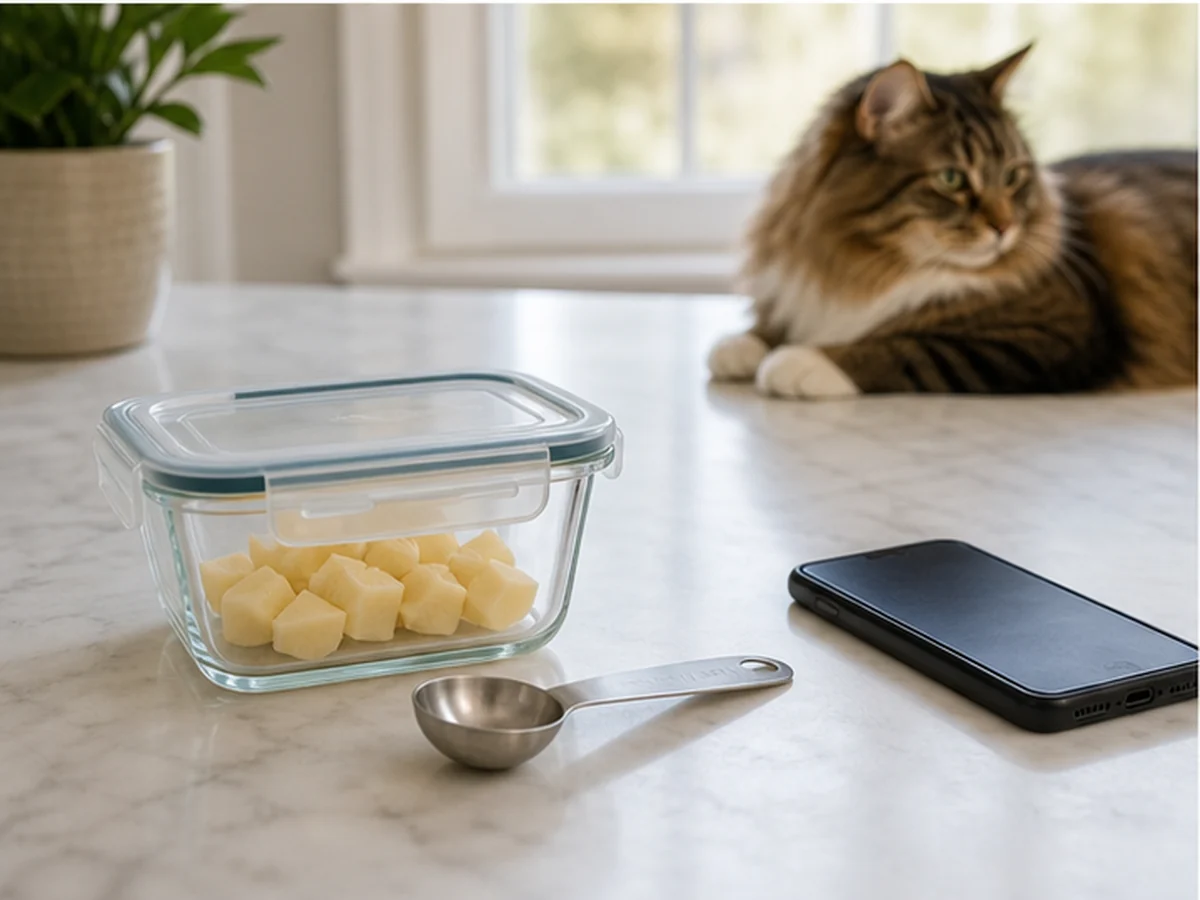
Write down stool, vomiting, appetite, thirst, energy, and breathing after a known crumb.
A factual log helps distinguish one transient soft stool from worsening illness.
Keep the label until the monitoring period is complete.
Provolone cubes are dense and can be swallowed whole from an antipasto tray.
Olives beside the cheese may contain pits or salty brine.
Antipasto skewers create a puncture risk independent of dairy.
Smoked-cheese rind can be firmer than the center.
Do not assume a natural rind is suitable for cats.
Grated provolone may include anti-caking ingredients and concentrated seasoning.
A cheese grater left in the sink can cut paws or tongues.
Hot fondue adds wine, garlic, and burn risk.
Keep electrical fondue cords away from cats during gatherings.
Cheese sauce may contain onion powder not visible in the bowl.
A cat with kidney disease should follow its prescribed sodium plan.
A dairy-sensitive cat may show gas before diarrhea develops.
Document timing and severity rather than diagnosing from one sign.
Discard deli cheese that stayed warm beyond safe handling directions.
Do not rinse spoiled slices and feed them to avoid waste.
Close the refrigerator drawer because paper wrapping alone is not secure.
Provolone used in stuffed chicken or rolled deli meat can be held with string, mesh, or toothpicks. Inventory every fastener before deciding the cat ate only cheese, and call immediately when a sharp or linear object cannot be found.
Warm cheese left on a buffet can support microbial growth depending on time and temperature. Note when the platter was served, whether it was refrigerated again, and whether people or other pets developed gastrointestinal illness.
A lactose-free claim does not remove milk protein, fat, sodium, choking shape, or flavorings. It may help answer one digestive question while leaving every other provolone concern unchanged.
Provolone rind or wax stuck to teeth can cause drooling and pawing. Do not probe deeply in a conscious cat’s mouth; a veterinary team can remove material while protecting the cat and checking for dental injury.
Medication hidden in deli cheese may be spit out after the slice is swallowed. Verify the tablet separately and contact the prescriber before redosing, because guessing can produce an accidental double dose.
During home monitoring, record the time of vomiting or diarrhea relative to the cheese theft. Timing alone cannot diagnose lactose intolerance, but a clear sequence helps the veterinarian evaluate recurrence and competing ingredients.
If the cheese came from a restaurant, ask for current allergen and ingredient information while it is available, but do not expect staff to certify a feline-safe portion or remember every recent recipe change accurately.
FAQ
Can cats eat a little provolone?
One tiny plain pasteurized piece is generally low risk, but dairy upset is possible and it is unnecessary.
Is sharp provolone worse?
It may differ in sodium, aging, and flavor, so check the exact label and portion.
What if my cat swallowed a whole slice?
Call because a folded slice can choke or obstruct. Breathing trouble is an emergency.
Can provolone hide pills?
Only if the prescribing veterinarian approves it; cheese can disrupt diets and the medicine may be left behind.
Bottom line
A tiny plain pasteurized bite is usually low risk, but lactose, sodium, fat, shape, flavor, deli additions, spoilage, and wrapping decide the full response.