Can Cats Eat Peanuts? Plain Nuts, Shells, Seasonings, and Choking
Plain, fresh, unsalted peanuts are not considered toxic to cats, but they are not good feline treats. Whole nuts and shells can cause choking or obstruction, seasoned varieties may contain onion or garlic, and peanuts pack many calories into a food that does not provide complete cat nutrition.
What to do after a peanut theft
Remove the bowl or bag, offer water, and determine whether the cat ate a tiny nut piece, a whole peanut, shells, flavored coating, candy, or packaging. Keep the label and note the amount, time, and symptoms.
- One small piece of plain peanut: usually monitor for vomiting, diarrhea, coughing, or itching.
- Whole nuts or shells: call if the cat is gagging, coughing, vomiting, painful, or unable to eat.
- Onion, garlic, chocolate, coffee, raisins, cannabis, or unknown seasoning: contact a veterinarian or pet poison service promptly.
- Breathing difficulty, facial swelling, collapse, repeated vomiting, tremors, or seizures: seek emergency care.
Do not induce vomiting and do not sweep fingers blindly through the mouth. A choking cat, a frightened cat, and an obstructive object all need calmer, more specific help than a kitchen improvisation can provide.
Peanuts are legumes, not feline nutrition
Peanuts belong to the legume family, although their nutrition resembles nuts in several ways. They supply plant protein and fat, but cats require a complete balance of animal-associated amino acids, fatty acids, vitamins, and minerals that a peanut cannot deliver.
A food containing protein is not automatically an appropriate protein source or a balanced meal. The Merck Veterinary Manual’s nutrient overview explains feline requirements for taurine, preformed vitamin A, arachidonic acid, arginine, and other nutrients.
The practical answer is simple: one crumb is usually low risk, but there is no reason to build peanuts into the routine. The cat will survive the devastating news that bar snacks belong to somebody else.
Whole peanuts can choke a cat
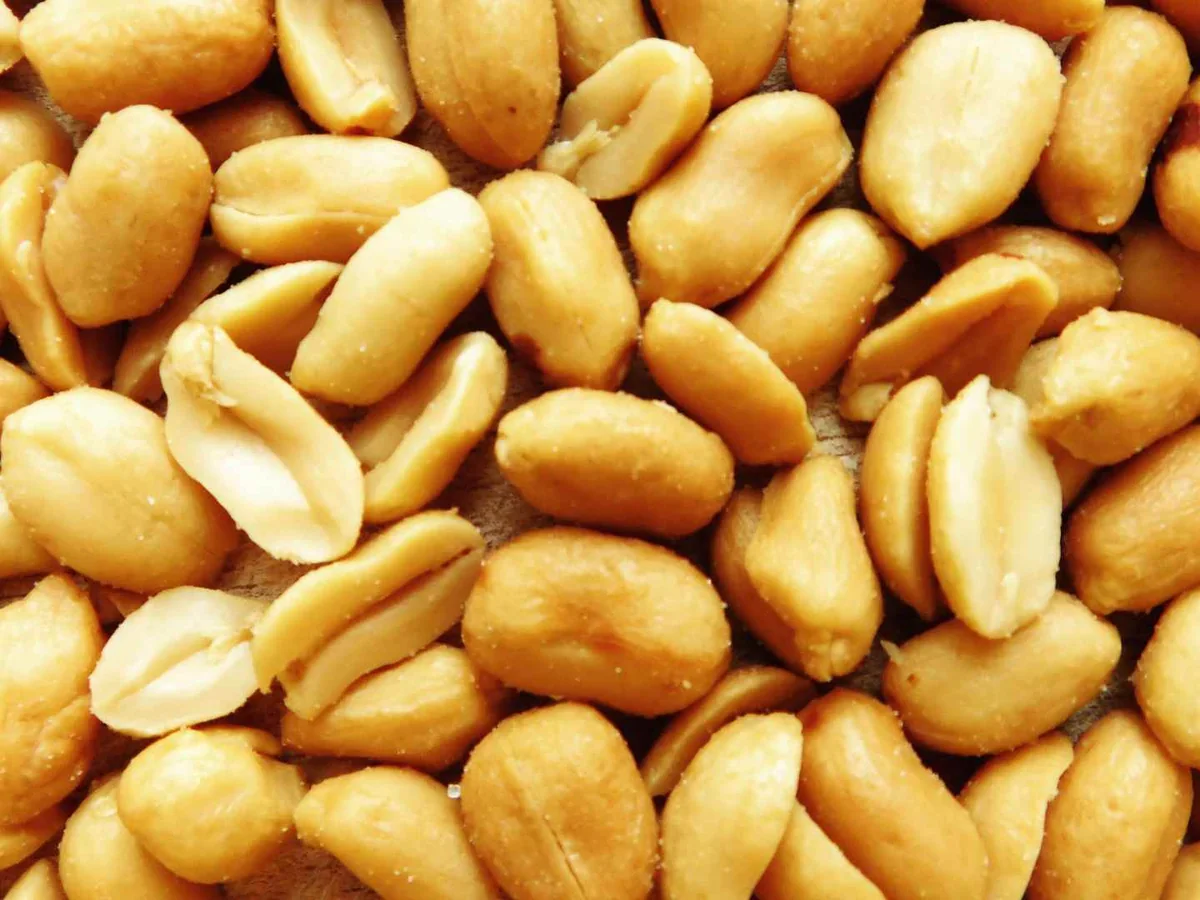
A peanut is small to a human but substantial in a cat’s mouth, especially when swallowed quickly during a raid. Whole nuts and large fragments can lodge in the throat or be inhaled into the airway.
Coughing, gagging, pawing at the mouth, noisy breathing, blue or gray gums, panic, or collapse needs immediate attention. Breathing difficulty is an emergency, and calling the clinic while traveling is more useful than waiting to see whether the nut shifts.
Kittens, cats with dental disease, and cats with swallowing or neurologic problems deserve an especially firm no-whole-nut rule. Crushing a nut lowers piece size but does not improve its nutritional value or eliminate seasoning and allergy concerns.
Shells add abrasion and obstruction risk
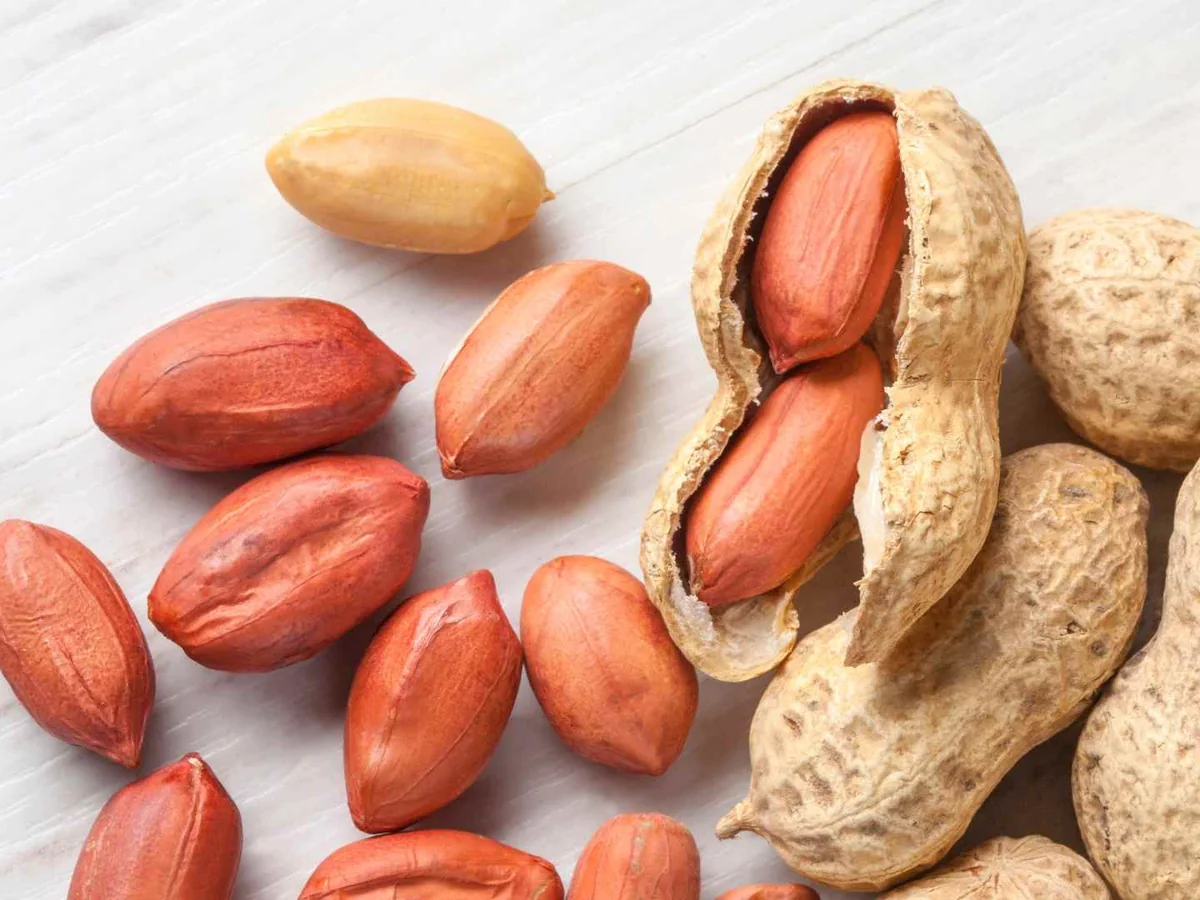
Peanut shells are fibrous, sharp-edged, and difficult to digest. A chewed shell can scratch the mouth or digestive tract, while several shells can clump into obstructive material.
Watch for repeated vomiting, abdominal pain or swelling, refusal to eat, lethargy, straining, reduced stool, or inability to keep water down after shells disappear. Call rather than waiting for every shell to reappear in the litter box.
Do not pull fiber or packaging from the mouth or rectum because it may be anchored internally. Bring a matching shell and the bag to the clinic so the team can judge size and texture.
Salted peanuts are not an upgrade
One lightly salted peanut is unlikely to cause salt poisoning in a healthy cat with water available, but salty snacks encourage thirst and add unnecessary sodium. A large amount, concentrated seasoning, or limited water access raises more concern.
The Merck review of salt toxicosis describes vomiting, thirst, diarrhea, incoordination, seizures, and other serious signs after excess sodium exposure. Cats with kidney, heart, or other medically managed disease need advice tailored to their plan.
Do not force water into the mouth, which can be aspirated. Leave fresh water available and call when the exposure is large or symptoms develop.
Seasoned peanuts can hide real toxins
Barbecue, ranch, chile-lime, Cajun, garlic, onion, cheese, honey-roasted, and snack-mix peanuts come with more than a jaunty dust jacket. Garlic and onion powder can cause oxidative red blood cell damage in cats, while hot spices can irritate the mouth and stomach.
The Merck Allium toxicosis review notes that raw, cooked, dehydrated, and granulated onion or garlic can be involved, with clinical anemia delayed for days. A cat that looks normal after licking barbecue dust has not ruled out a meaningful Allium exposure.
Save the seasoning label and report the amount of finished product eaten. Recipes change, and a flavor name is less useful than the actual ingredient panel.
Chocolate-covered peanuts and candy
Chocolate peanuts require prompt triage based on chocolate type, amount, and cat size because cocoa contains methylxanthines. Dark and baking chocolate generally contain more than milk chocolate, but every product needs its own calculation.
Candy can add raisins, coffee, alcohol, macadamia nuts, cannabis, sugar, and wrappers. Do not wait for vomiting, agitation, rapid heart rate, tremors, or seizures when a toxic mix-in is known.
A sugar-free label also deserves a full read. The FDA’s xylitol guidance says the sweetener is a major danger to dogs but does not seem as dangerous to cats, a species distinction that still leaves other ingredients and packaging to assess.
Fat, calories, and repeated snacks
Peanuts are calorie-dense, so a small handful can occupy a large share of a cat’s energy needs. Frequent treats can contribute to weight gain and dilute the nutrient balance of complete food.
The Cornell Feline Health Center recommends keeping treats occasional and within a modest share of daily calories. Cats with obesity, diabetes, gastrointestinal disease, pancreatitis history, or a prescription diet should not receive peanuts without veterinary approval.
One peanut cannot be blamed automatically for pancreatitis because feline disease is complex and often idiopathic. It can, however, cause ordinary dietary upset or be the wrong choice for a cat already managing fat-sensitive illness.
Allergy and individual reactions
Food allergy to peanut is possible even though it is not a routine feline toxin. Itching, hives, facial swelling, vomiting, diarrhea, coughing, or breathing changes after exposure require veterinary attention.
Rapid facial swelling, collapse, or difficulty breathing is an emergency. A cat participating in an elimination-diet trial should not receive peanuts because one snack can compromise weeks of controlled feeding.
Mold, rancidity, and storage
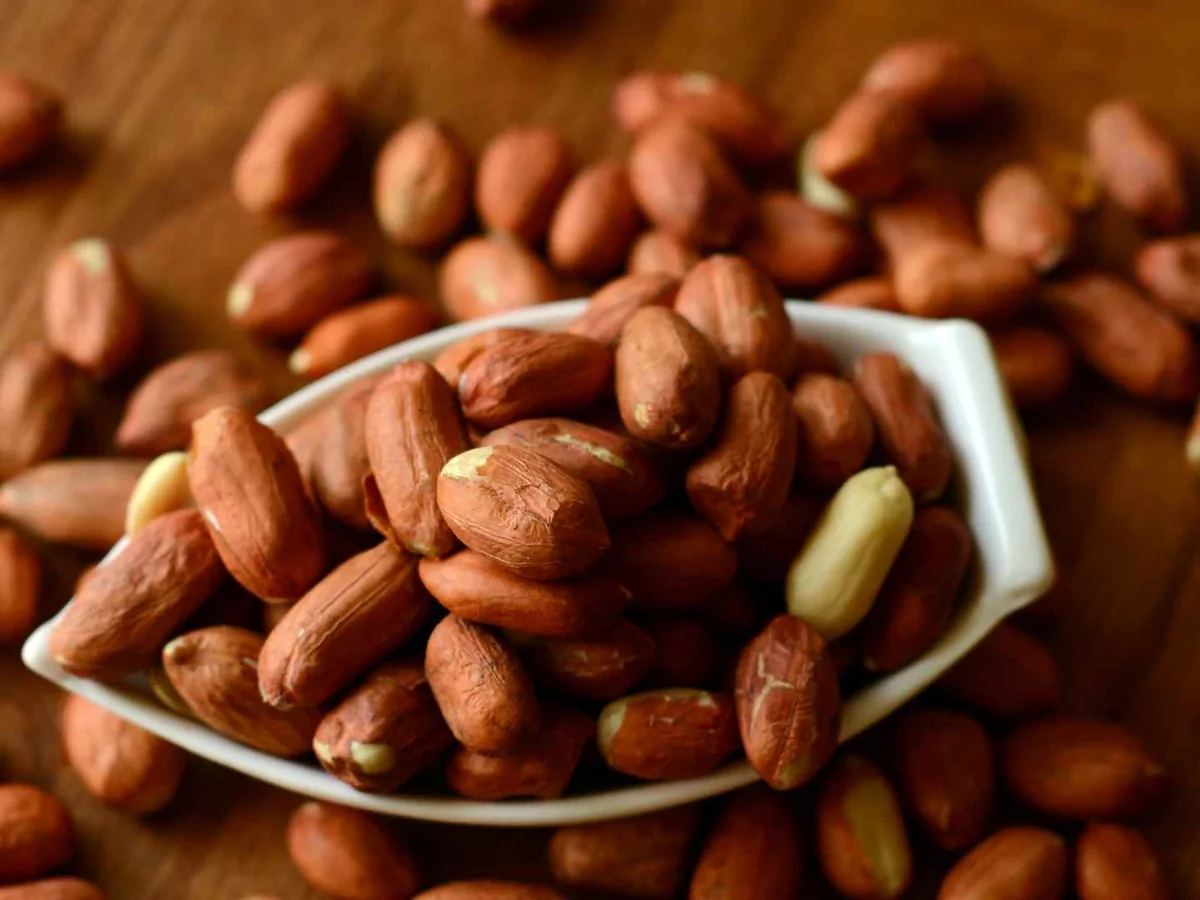
Discard moldy, damp, stale, rancid, or recalled peanuts. Poorly stored nuts can harbor fungal contamination, while stale oils may cause digestive upset and signal that the product no longer belongs in any snack bowl.
Store nuts in their original labeled container inside closed storage, follow date and temperature directions, and save the lot code after a suspected product problem. A pet-food or human-food safety issue can be reported through the FDA’s pet food complaint process when relevant.
Raw, roasted, boiled, and peanut products
- Raw peanuts: still present choking, calorie, contamination, and digestive concerns.
- Dry-roasted: often carry salt, seasoning, or oil despite the plain-sounding name.
- Boiled: softer but frequently very salty and served in shells.
- Peanut flour or powder: can be inhaled dry and may appear in flavored supplements or shakes.
- Peanut sauce: commonly includes garlic, onion, soy sauce, chile, coconut, sugar, and skewers.
Peanut butter has its own sticky-texture and label issues, while our guide to cashews covers another common snack-bowl theft. The guides to pizza and salami help with salty, seasoned party-food combinations.
Preventing the next raid
Put bowls, shells, napkins, snack bags, and mix packaging away before leaving the room. The FDA warns in its pet-proofing guidance that food bags themselves can endanger animals.
Offer part of the cat’s regular ration during human snack time or use a food puzzle in another room. This respects the important feline tradition of eating when everyone else does without outsourcing nutrition to a cocktail nut.
If digestive signs appear
Mild stomach upset can follow an unfamiliar rich food, but repeated vomiting, bloody diarrhea, abdominal pain, or worsening lethargy needs veterinary attention. Keep water available and do not force food or fluids into a nauseated cat.
Return to the regular complete diet once the cat is comfortable and willing to eat, following veterinary advice when symptoms occurred. Call sooner if the cat is a kitten, senior, overweight, diabetic, medically fragile, or refusing normal food.
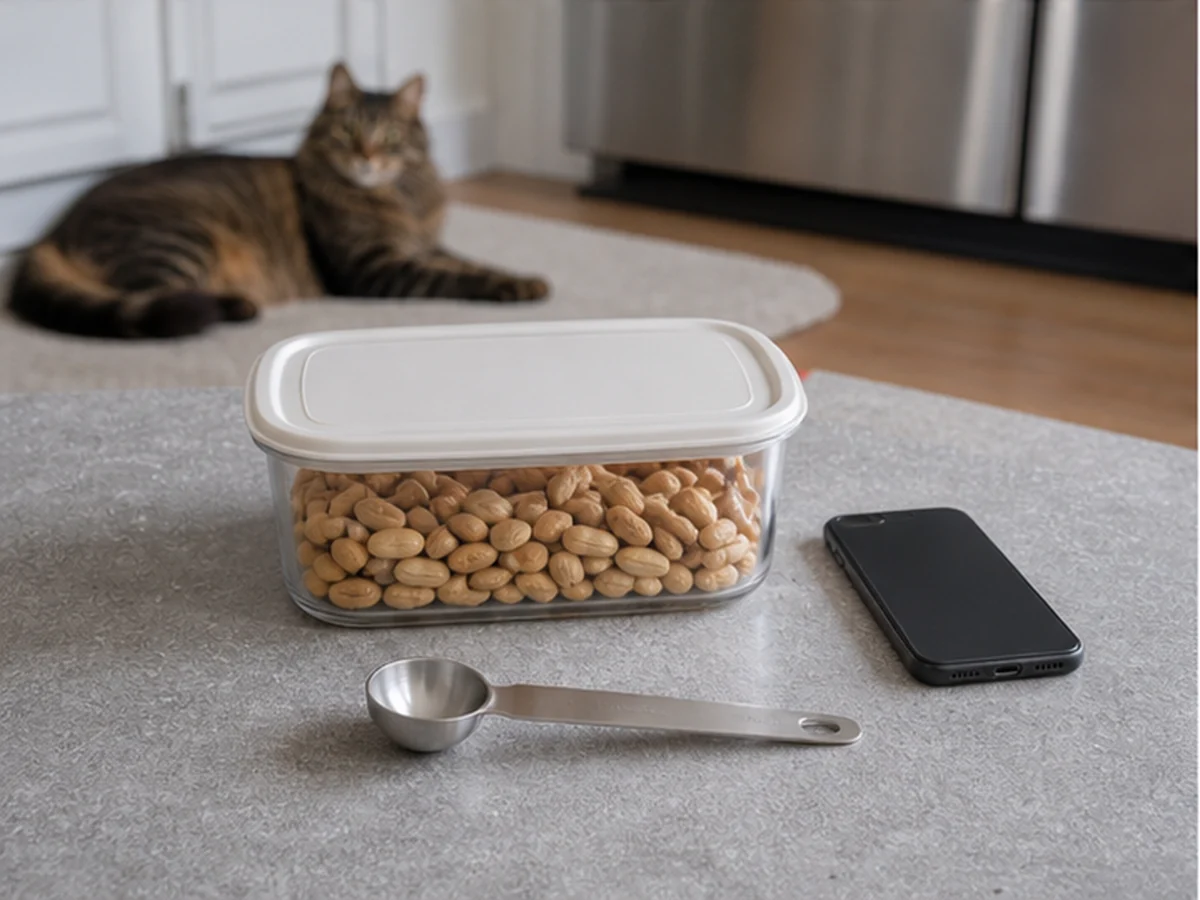
Record the number and size of peanuts, whether shells were present, the full flavor name, and every symptom. A photo of the remaining snack and package is often more accurate than estimating tablespoons after the bowl has been cleared.
What the veterinarian may need to assess
Choking signs may require immediate airway evaluation, while missing shells or packaging can lead to examination and imaging for a foreign body. Allergy signs, toxic seasonings, and ordinary dietary upset require different treatment plans.
Do not assume that vomiting once means the entire nut, shell, or wrapper came back up. Save any recovered material and report what remains unaccounted for.
When more than one pet had access, estimate the maximum each animal could have eaten rather than dividing the missing amount evenly. Household snack investigations rarely come with honest witnesses.
Frequently asked questions
Can kittens eat peanuts?
Skip them. Kittens have small airways and digestive tracts, need complete growth nutrition, and gain nothing from a choking-prone calorie-dense snack.
Are unsalted peanuts safe for cats?
A tiny fresh piece is generally low risk for a healthy adult, but safe enough after an accident is not the same as useful. Whole nuts remain choking hazards and regular portions add excess calories.
Can cats eat peanut shells?
No. Shells are fibrous, abrasive, and potentially obstructive, so call if several are missing or the cat develops gagging, vomiting, pain, appetite loss, or lethargy.
The bottom line
A crumb of plain peanut is usually minor, while whole nuts, shells, seasonings, candy, mold, and packaging raise the stakes. Choose complete cat food for treats, save the label after a raid, and call promptly for choking, allergy signs, toxic coatings, or missing shells.