Can Cats Eat Tomatoes? Ripe Fruit, Green Parts, and Sauces
The red, fully ripe flesh of a tomato is considered non-toxic to cats, but it is not a needed treat. Keep cats away from green tomatoes, stems, leaves, vines, flowers, and large amounts of garden plant material, and treat sauce, soup, salsa, ketchup, and pizza as separate ingredient lists.
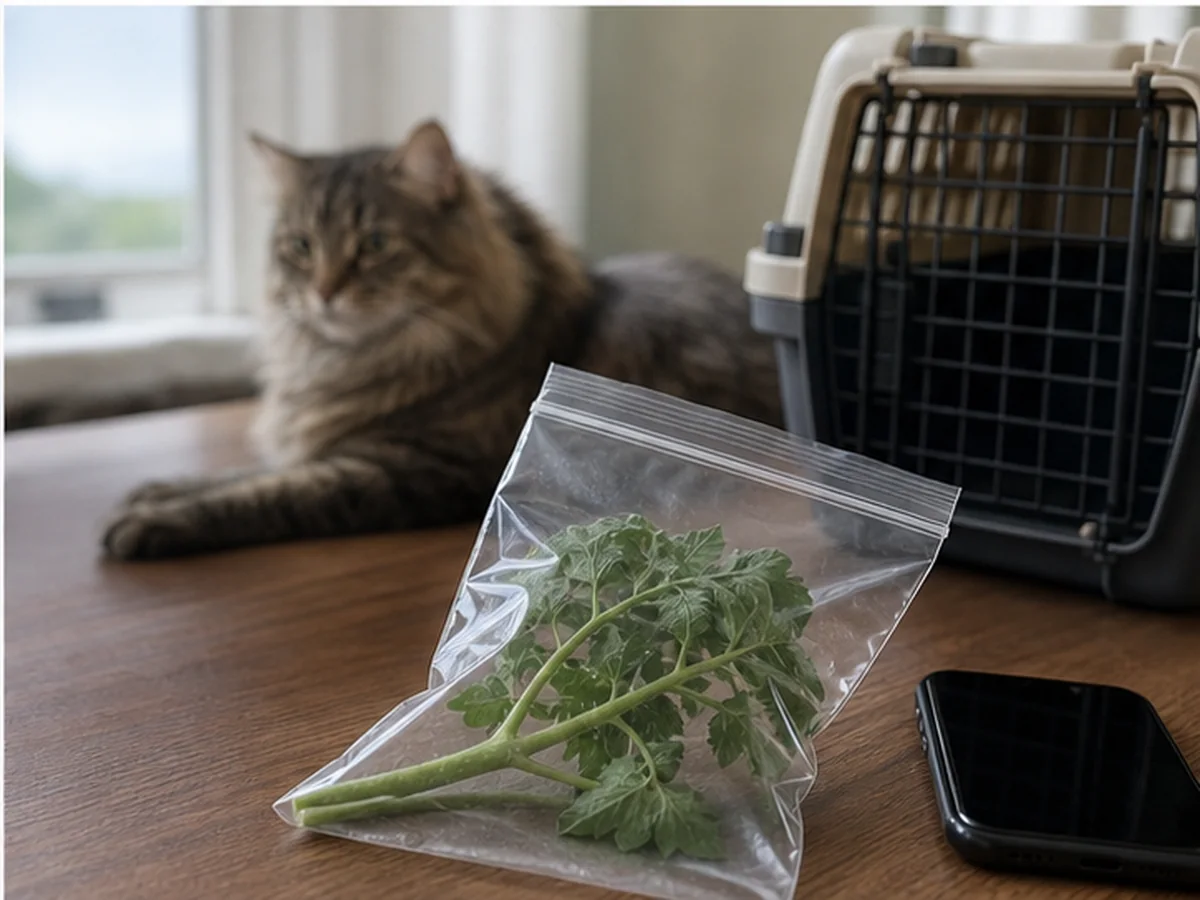
If your cat nibbled the plant or an unripe tomato, save a sample or photo and call your veterinarian or an animal poison service. Do not wait for symptoms or induce vomiting at home.
Tomato safety at a glance
| Tomato item | Risk level | Practical answer |
|---|---|---|
| Fully ripe red flesh | Non-toxic in a tiny plain piece, but acidic and unnecessary | Remove stem and leaves, wash, cut small, and offer rarely if at all. |
| Green or partly green fruit | More glycoalkaloid concern than ripe fruit | Do not offer; call after a meaningful exposure. |
| Leaves, stems, vines, flowers | Toxic plant material | Keep inaccessible and call after ingestion. |
| Cherry or grape tomato | Ripe flesh may be non-toxic, but the round shape can choke | Quarter a ripe fruit and remove stem; never toss it whole. |
| Canned tomato | Often salty or seasoned | Check the label; plain no-salt product is still unnecessary. |
| Sauce, paste, ketchup, salsa | Concentrated, salty, and often contains onion or garlic | Do not share unless every ingredient is verified, and even then there is little reason. |
| Tomato soup or juice | Sodium, alliums, dairy, sweetener, or spice may be present | Skip it. |
| Garden compost, fertilizer, stakes | Mold, chemicals, string, wire, and sharp-object risks | Block access and call for ingestion or symptoms. |
Why ripeness changes the answer
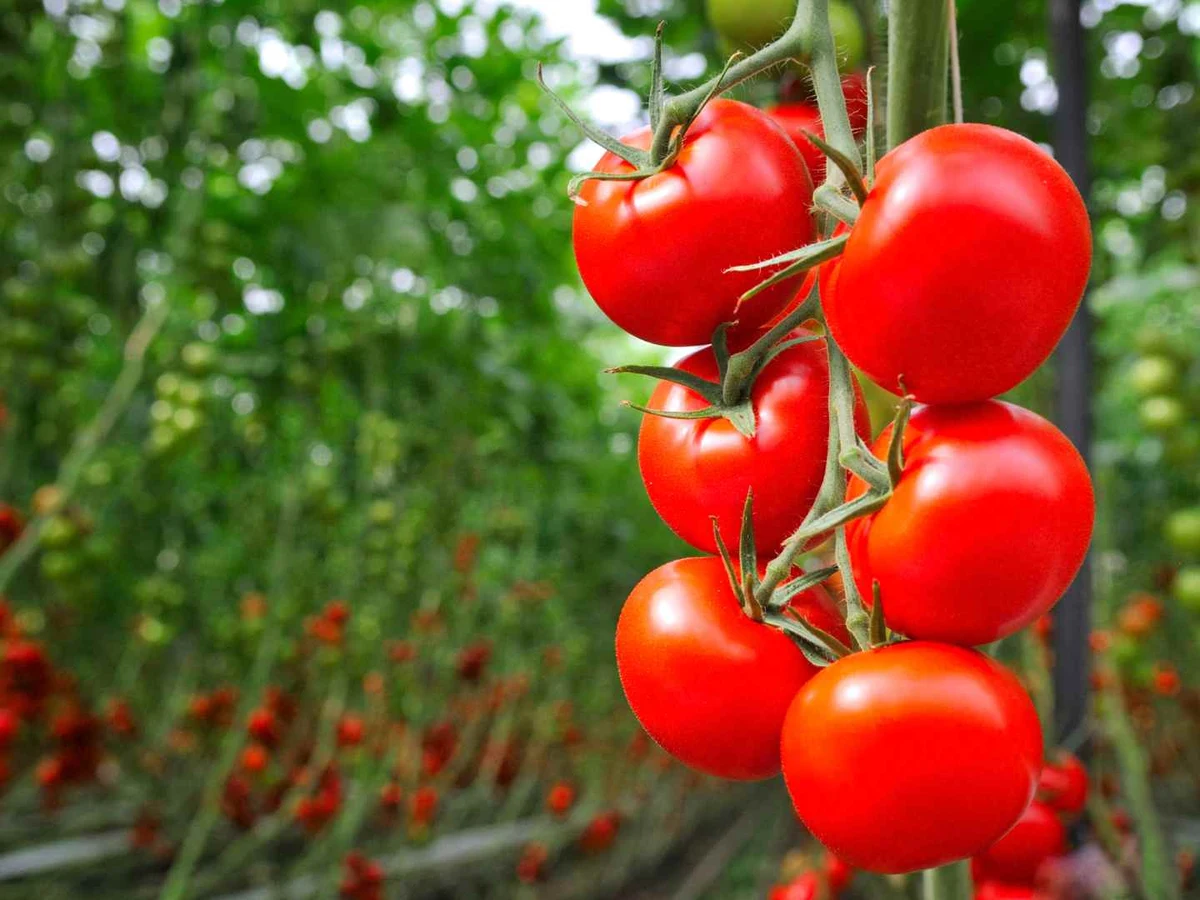
Tomatoes belong to the nightshade family, and their green plant tissues contain steroidal glycoalkaloids, commonly discussed as tomatine or solanine-related compounds. Concentrations fall as the fruit ripens, which is why the fruit and the vine do not receive the same safety label.
The ASPCA tomato-plant entry lists the plant as toxic to cats and identifies hypersalivation, loss of appetite, severe gastrointestinal upset, depression, weakness, dilated pupils, and slow heart rate as possible signs. The same entry explicitly says ripe fruit is non-toxic.
“Non-toxic” is not the same as “ideal snack.” Ripe tomato is acidic, has little feline nutritional value, and may cause vomiting or loose stool in an individual cat.
Ripeness also is not always uniform. A red tomato may have a stubborn green shoulder near the stem, while heirloom varieties can be green when mature, so color alone can be confusing without knowing the cultivar.
How much ripe tomato can a cat have?
There is no required serving because cats do not need tomato. If a healthy adult is determined to investigate a fully ripe, plain fruit, one pea-size piece of washed flesh is enough to test interest and tolerance.
Do not turn acceptance into a daily habit. Treat calories and unbalanced extras can displace nutritionally complete food, while acidity or fiber may upset a sensitive stomach.
The FDA explains nutritional adequacy statements on pet-food labels, including the meaning of “complete and balanced” for a stated life stage. A tomato slice carries no such promise.
Cherry tomatoes and choking
A ripe cherry or grape tomato has the same plant-versus-fruit distinction as a larger tomato, but its shape adds a physical hazard. A whole round fruit can plug the airway, especially when slippery.
Quarter it lengthwise and remove every piece of stem if your veterinarian has no objection to a taste. A cat that gulps treats should receive an even smaller flattened piece or, more sensibly, a bite of regular food.
Do not let a cat bat whole tomatoes across the floor as toys. A split fruit can stain, spoil, collect debris, and become tomorrow’s mysterious snack beneath the refrigerator.
Unripe tomatoes, leaves, stems, and vines
Green fruit and plant parts are the exposures that warrant a call. Amount, plant maturity, which tissue was eaten, symptoms, and the cat’s size and health all affect the risk assessment.
Do not rely on an internet dose threshold, because plant chemistry varies and owners rarely know the swallowed weight precisely. Bring a sample, clear photo, plant label, or seed packet to help identify what grew in the pot.
Possible signs include drooling, vomiting, diarrhea, appetite loss, unusual tiredness, weakness, dilated pupils, or an abnormal heart rate. Cornell advises immediate veterinary contact after a suspected toxin and says not to induce vomiting unless specifically directed.
A cat who chewed a vine may also swallow plant ties, trellis netting, wire, clips, or labels. String-like material is a separate emergency risk, and anything hanging from the mouth or rectum should never be pulled.
Tomato sauce and paste
Tomato sauce is concentrated and rarely plain. Onion and garlic are common, and their raw, cooked, and powdered forms can damage feline red blood cells.
Salt, oil, sugar, wine, cheese, stock, chili, herbs, and meat drippings may join the pot. The more ingredients there are, the less useful it becomes to ask only whether tomato is safe.
Tomato paste concentrates flavor and solids into a small spoonful, which makes accidental portions easier to underestimate. Jarred pasta sauce and canned pizza sauce should be assumed seasoned until the label proves otherwise.
Our cat-and-pizza guide walks through sauce, alliums, cheese, dough, toppings, and box hazards. It is the right companion for a cat who bypassed the tomato and stole the entire corner slice.
Ketchup, salsa, and condiments
Ketchup commonly contains salt, sugar, vinegar, and spices, while sugar-free versions may use alternative sweeteners. The tiny amount clinging to one fry is different from a cat licking a spilled ramekin, but neither is a planned treat.
Salsa commonly contains onion, garlic, hot pepper, lime, and salt. Cilantro itself is listed as non-toxic by ASPCA, but our cilantro guide explains why salsa and concentrated oils are different from a washed leaf.
Relish, chutney, and pickled green tomatoes may contain brine, alliums, spices, sugar, and preservatives. The label traps overlap with our pickle guide, especially when a jar recipe is homemade and no printed ingredient list exists.
Tomato soup, juice, and canned products
Tomato soup may contain onion, garlic, cream, butter, cheese, sugar, stock, or a large sodium load. Powdered soup packets and condensed cans can be more concentrated than the prepared bowl.
Tomato juice and vegetable-juice blends are often salty and may include celery, spices, or other juices. Cocktail mixers can add hot sauce, Worcestershire sauce, and alcohol, which turns a tomato question into a multi-ingredient exposure.
A plain no-salt-added canned tomato is less complicated, but it still does not improve a balanced feline diet. Check the can for damage, swelling, leaking, or spoilage and never let a cat lick a sharp lid.
Sun-dried tomatoes, roasted tomatoes, and powders
Sun-dried tomatoes are chewy and concentrated, and jarred versions often sit in seasoned oil with garlic. Tough pieces can choke, while rich oil can cause digestive upset.
Roasted tomatoes may be plain, but sheet-pan recipes usually add salt, oil, garlic, onion, or herbs. Charred or moldy food should not be salvaged for a pet.
Tomato powder appears in chips, crackers, spice blends, pet treats, and supplements. It is not the same exposure as a ripe watery cube because it is concentrated and travels with other ingredients.
Garden hazards beyond the tomato plant
Fertilizer, compost, mulch, slug bait, insecticide, herbicide, and moldy fallen produce can be more dangerous than the ripe tomato. The ASPCA’s garden-safety guidance specifically notes toxic unripe tomatoes and plants as well as fertilizer and moldy compost concerns.
Organic does not mean pet-safe. Bone meal, blood meal, fish meal, cocoa mulch, and compost may smell fascinating to animals while causing gastrointestinal, neurologic, obstruction, or other hazards depending on the product.
Keep product labels and application dates, block treated soil, pick up fallen fruit, and use solid barriers rather than loose netting. A determined cat can turn trellis mesh into a string ingestion with impressive efficiency.
Washing and preparing a ripe tomato
Wash your hands and rinse the tomato under running water before cutting it. The FDA advises against washing produce with soap, detergent, or commercial produce wash because residues may be absorbed or remain on the surface.
Cut away and discard the stem, leaves, and any green unripe area. Use a clean knife and board, then make one very small, soft, flat piece that cannot roll into the airway.
Discard moldy, rotten, fermented, or damaged fruit rather than cutting around the problem for a cat. Soft produce can have contamination below the visible spot, and tomato is optional enough that heroics are unnecessary.
Cats who should skip tomato
Kittens have little stomach space for extras, while seniors and cats with diabetes, kidney disease, heart disease, digestive disease, food allergy, or a therapeutic diet need individualized advice. Acidic or fibrous food may also bother a cat with a sensitive stomach.
Cats on elimination diets should eat only the prescribed foods because even a non-toxic bite can undermine diagnostic work. A veterinary diet may have carefully controlled minerals, protein, fat, or calories that table food disrupts.
What to do after an exposure
- Remove access. Move the plant, fruit, sauce, compost, or garden product away from every pet.
- Identify it. Save the plant label, photo, sample, recipe, product package, and garden-chemical label.
- Estimate the maximum amount. Note when it happened, the plant part, your cat’s weight, and any symptoms.
- Check for objects. Account for ties, netting, stakes, wire, clips, cans, lids, jars, and packets.
- Call promptly. Contact your veterinarian, emergency clinic, or animal poison service after green fruit, plant, chemical, or symptomatic exposure.
- Avoid home treatment. Do not induce vomiting or give milk, oil, charcoal, or another remedy without professional direction.
Seek emergency care for collapse, seizures, trouble breathing, severe weakness, repeated vomiting, a very slow or irregular heartbeat, pale or blue gums, a painful abdomen, or suspected string or sharp-object ingestion. Call ahead and bring the sample or label.
Frequently asked questions
Can cats eat red cherry tomatoes?
The fully ripe flesh is considered non-toxic, but a whole cherry tomato can choke. Remove the stem, quarter it, and offer at most a tiny piece to a healthy cat whose veterinarian has not restricted treats.
Can cats eat cooked tomatoes?
Cooking ripe fruit does not create a toxin, but recipes commonly add onion, garlic, salt, oil, dairy, or sauce. Verify every ingredient and remember that cooking does not make Allium seasoning safe.
What if my cat only licked tomato sauce?
Check the label or recipe for onion, garlic, alcohol, xylitol, hot pepper, and excessive salt, then call if a toxic ingredient is present or the amount is uncertain. A single lick of a simple sauce is different from drinking pan drippings.
Are yellow or orange tomatoes ripe?
Some cultivars are yellow, orange, striped, or green when fully mature, so identify the variety rather than judging by red color alone. If ripeness or plant identity is uncertain, do not serve it.
Bottom line
A tiny piece of fully ripe, washed, plain tomato flesh is non-toxic to cats, but it is nutritionally optional. Keep green fruit and the entire plant away, scrutinize every tomato product for alliums and salt, and call promptly when a garden nibble involves more than the ripe fruit.